Almstüberl Kappl sits in the Paznaun Valley of Tyrol, where the Austrian alpine kitchen tradition runs deep and sourcing from local farms and high-altitude pastures shapes the menu. In a region where Ischgl's après-ski circuit dominates attention, Kappl operates at a quieter register, a working village restaurant rooted in the kind of ingredient-driven cooking that defined Tyrolean hospitality long before destination dining arrived in the Alps.
Pearl is the En Primeur Club membership app — saves, bookings, and concierge access live there. Same editors, same standards.
- Address
- Dias 7521/6, 6555 Kappl, Austria
- Phone
- +436502621518
- Website
- facebook.com
- Directions
- Get directions
 Saves & bookings on Pearl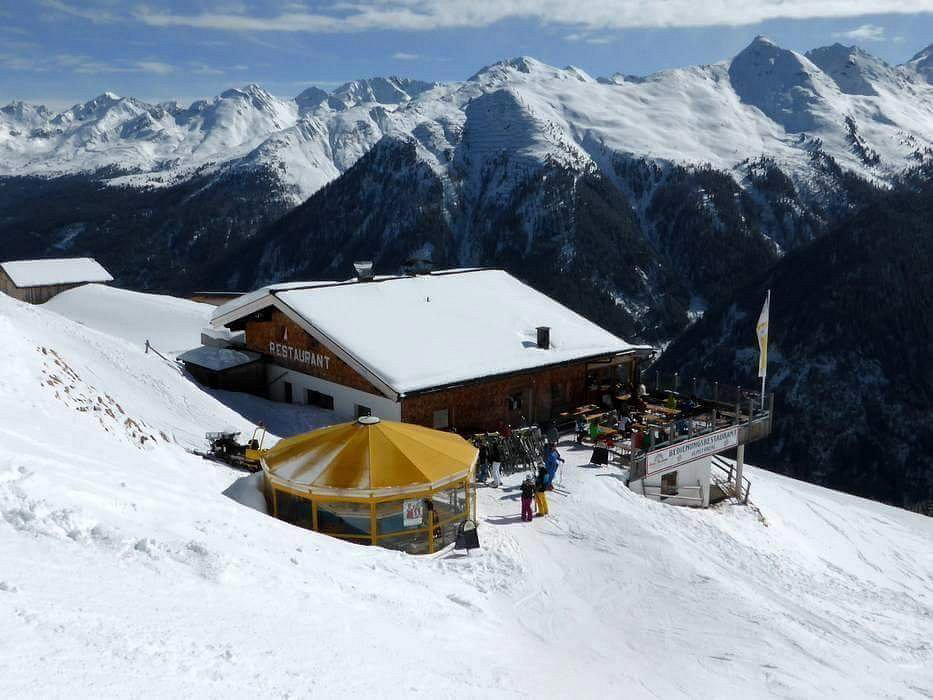
Where the Paznaun Valley Puts the Plate First
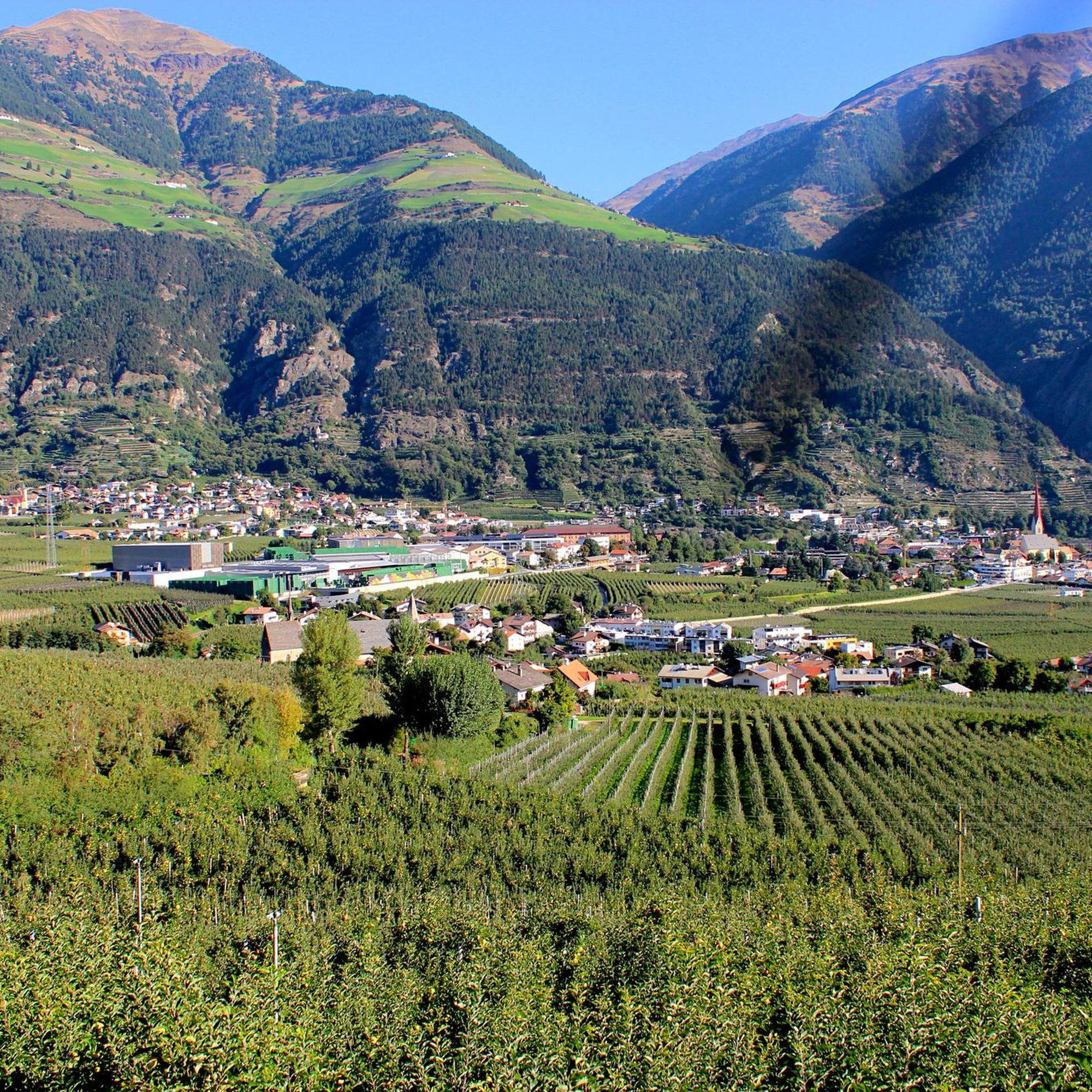
Approach Kappl from the valley floor and the village reads as a counterpoint to its famous neighbour: quieter roads, working farms on the slopes above, and a built environment that hasn't been retrofitted for ski tourism. The Almstüberl sits inside this context at Dias 7521/6, a few kilometres removed from the resort circuits that define the wider Paznaun. The dining rooms that survive in villages like this one do so because they serve a community first and a tourist second, and that ordering tends to produce better food.
The Alpine Sourcing Tradition and Why It Still Matters
The Tyrolean kitchen is built on proximity. High-altitude grazing produces dairy and meat with a flavour density that lower-altitude equivalents rarely match, the short seasons, the cold nights, and the mineral-rich pasture grasses all leave marks on the ingredient. In the Paznaun specifically, local farmers have supplied village kitchens for generations, and the rhythm of that supply chain still structures menus at restaurants like Almstüberl: what's available shapes what's cooked, not the other way around.
This sourcing-first model is increasingly rare in Austrian alpine restaurants, where the pressure to deliver year-round consistency has pushed many kitchens toward central distribution networks. The village Gaststube that still works with neighbours, the farmer a slope above, the dairy cooperative in the next valley, operates in a different register from the ambitious tasting-menu operations that have come to define Austrian fine dining in the broader European imagination. Properties like Döllerer in Golling an der Salzach or Steirereck im Stadtpark in Vienna represent the apex of the Austrian contemporary kitchen, but they operate at a scale and ambition level that requires exactly the kind of supply-chain engineering that a small village restaurant cannot replicate and, importantly, does not need to.
What a place like Almstüberl offers instead is the unglamorous version of the same principle: ingredients sourced close, prepared without elaboration, and served in a room where the primary audience is local. That's a model with genuine integrity, even if it doesn't produce the kind of controlled-pressure cooking that earns Michelin attention. For comparison, Gourmetrestaurant Tannenhof in Sankt Anton am Arlberg and Stüva in Ischgl sit at the destination-dining end of the western Tyrolean spectrum, but they are built for a different kind of evening.
The Tyrolean Kitchen: Tradition as Technique
Austrian alpine cooking is frequently misread as simple. It is not. Curing, smoking, pickling, and slow-braising are techniques developed over centuries in response to climate and storage constraints, and their execution requires the same precision that more fashionable culinary methods demand. Kasknöpfle, the Tyrolean pressed pasta with cheese and fried onion, is technically exacting: too much moisture and the dough collapses, too little and the texture becomes dense. Beef from high-altitude Tyrolean cattle, braised slowly and served with root vegetables, requires attention to timing and heat management that any serious cook respects. The risk in a village kitchen is inconsistency rather than ambition, and stronger examples from this category delivers reliability over theatrics.
This puts Almstüberl among the better Gasthäuser across the Austrian alpine corridor rather than the fine-dining establishments that attract international critical attention. Restaurants like Obauer in Werfen and Landhaus Bacher in Mautern an der Donau sit in an intermediate band, classical Austrian technique given contemporary precision, while Taubenkobel in Schützen am Gebirge pushes Austrian produce into modern French-inflected territory. Almstüberl's logic is different: it belongs to the tradition before that tradition became a subject of gastronomic discourse.
Kappl in the Western Tyrolean Dining Context
The Paznaun Valley draws its international visitors primarily through Ischgl, a resort whose après-ski programming far outpaces its food credentials. Kappl, sharing the same valley but operating at a different altitude and pace, has developed a quieter identity. The restaurants that operate here aren't competing with Ischgl's resort dining; they're serving a different need, specifically, the kind of unhurried, filling meal that makes sense after a day on the slopes or on foot in the surrounding mountains.
In that context, Almstüberl occupies a functional and cultural role that goes beyond meal provision. Village restaurants in Tyrol have historically served as community spaces, and the ones that have survived into the present, through decades of seasonal economy and tourism pressure, have done so by remaining genuinely useful to the people who live there year-round. That durability is its own form of credential. For reference points further afield in the alpine dining circuit, Griggeler Stuba in Lech demonstrates how alpine tradition can be refined without being erased, while Restaurant 141 by Joachim Jaud in Mieming charts a more personal contemporary path through Tyrolean ingredients.
Planning Your Visit
Almstüberl Kappl is located at Dias 7521/6, 6555 Kappl, in the Paznaun Valley of Tyrol. Kappl sits roughly 10 kilometres from Landeck and is accessible via the Paznaun road from the Inn Valley. The village is smaller and quieter than Ischgl, which lies further up the same valley. The winter season runs from December through April, when the surrounding ski area operates; summer months attract hiking and cycling traffic.
Fast Comparison
Comparable venues nearby, for context on price, style, and recognition.
| Venue | Cuisine | Price | Notes |
|---|---|---|---|
| Almstüberl KapplThis venue — the venue you are viewing | Traditional Austrian Mountain Hut | $$ | Not listed |
| Jedermann's | Austrian | $$ | Innsbruck city center |
| Tuftl Alm | Traditional Austrian Alm | $$ | Lermoos |
| Hämmermoosalm | Traditional Austrian Alpine | $$ | Klamm |
| Fischerstöbli | Traditional Austrian Grill & Trout | $$ | Bartholomäberg |
| Neurauter | Traditional Tyrolean Austrian | $$ | Hatting |
Continue exploring
More in Kappl
Restaurants in Kappl
Browse all →
Bars in Kappl
Browse all →

Hotels in Kappl
Browse all →

At a Glance
- Cozy
- Rustic
- Scenic
- Casual Hangout
- Terrace
- Local Sourcing
- Mountain
Current opening hours
- Monday
- 10 AM–4 PM
- Tuesday
- 10 AM–4 PM
- Wednesday
- 10 AM–4 PM
- Thursday
- 10 AM–4 PM
- Friday
- 10 AM–4 PM
- Saturday
- 10 AM–4 PM
- Sunday
- 10 AM–4 PM
Hours can change for holidays and private events. Last verified .
Gemütlich atmosphere with friendly service, well-suited for a relaxing break amid alpine scenery.