Conca d'oro occupies a residential address on Kružna ulica in Rijeka, operating within a city where Italian culinary tradition runs deeper than most visitors expect. The restaurant sits in a dining scene that has grown more ambitious in recent years, bridging the old Austro-Hungarian port character of the Kvarner coast with the cooking conventions that crossed the Adriatic over generations.
Pearl is the En Primeur Club membership app — saves, bookings, and concierge access live there. Same editors, same standards.
- Address
- Kružna ul. 12, 51000, Rijeka, Croatia
- Phone
- +385919104654
- Website
- instagram.com
- Directions
- Get directions
 Saves & bookings on Pearl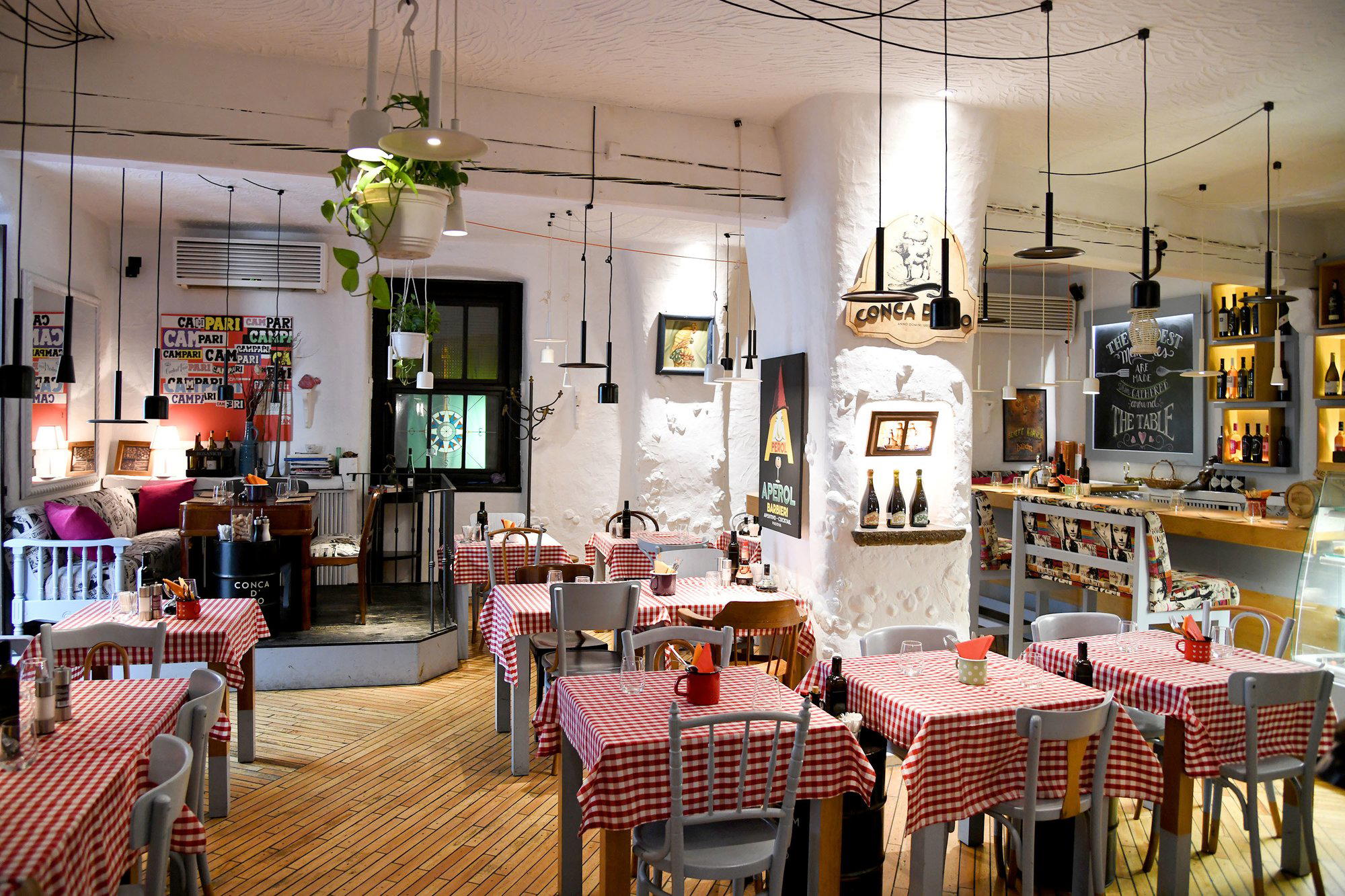
Where Rijeka's Italian Inheritance Shows Up at the Table
Rijeka is one of those port cities where the dining ritual carries sediment from multiple eras. The Austro-Hungarian administrative legacy, the post-war Yugoslav period, and the proximity to Trieste and the Istrian interior have all left traces in how people eat here: long meals, wine ordered by the carafe, bread on the table before anyone asks, and a general preference for cooking that does not announce itself. Conca d'oro, on Kružna ulica in the residential quarter above the city centre, fits inside that tradition rather than against it.
The name itself signals the reference point. Conca d'oro, golden shell or golden basin, is a phrase attached to several regions of Italian culinary heritage, from Sicily to the Ligurian valleys. In Rijeka, where Italian was an official language until the mid-twentieth century and where the local dialect still borrows freely from Venetian, the name reads less as aspiration and more as genealogy. The city's restaurant culture has always maintained an easier relationship with Italian cooking conventions than most of coastal Croatia, partly because the border has moved more than the people have.
The Pacing of the Meal
In cities where dining has been shaped by tourism, Dubrovnik, Split's waterfront, the more visited parts of Istria, the rhythm of a meal tends to compress. Covers turn, menus simplify, and the middle act of a proper Italian-inflected meal, the slow movement between antipasto and secondo, gets cut. Rijeka, which draws fewer international visitors than those cities, has been slower to adopt that compression. A meal at a place like Conca d'oro exists in a different time signature: the table is yours for the evening, and the expectation is that you will use it.
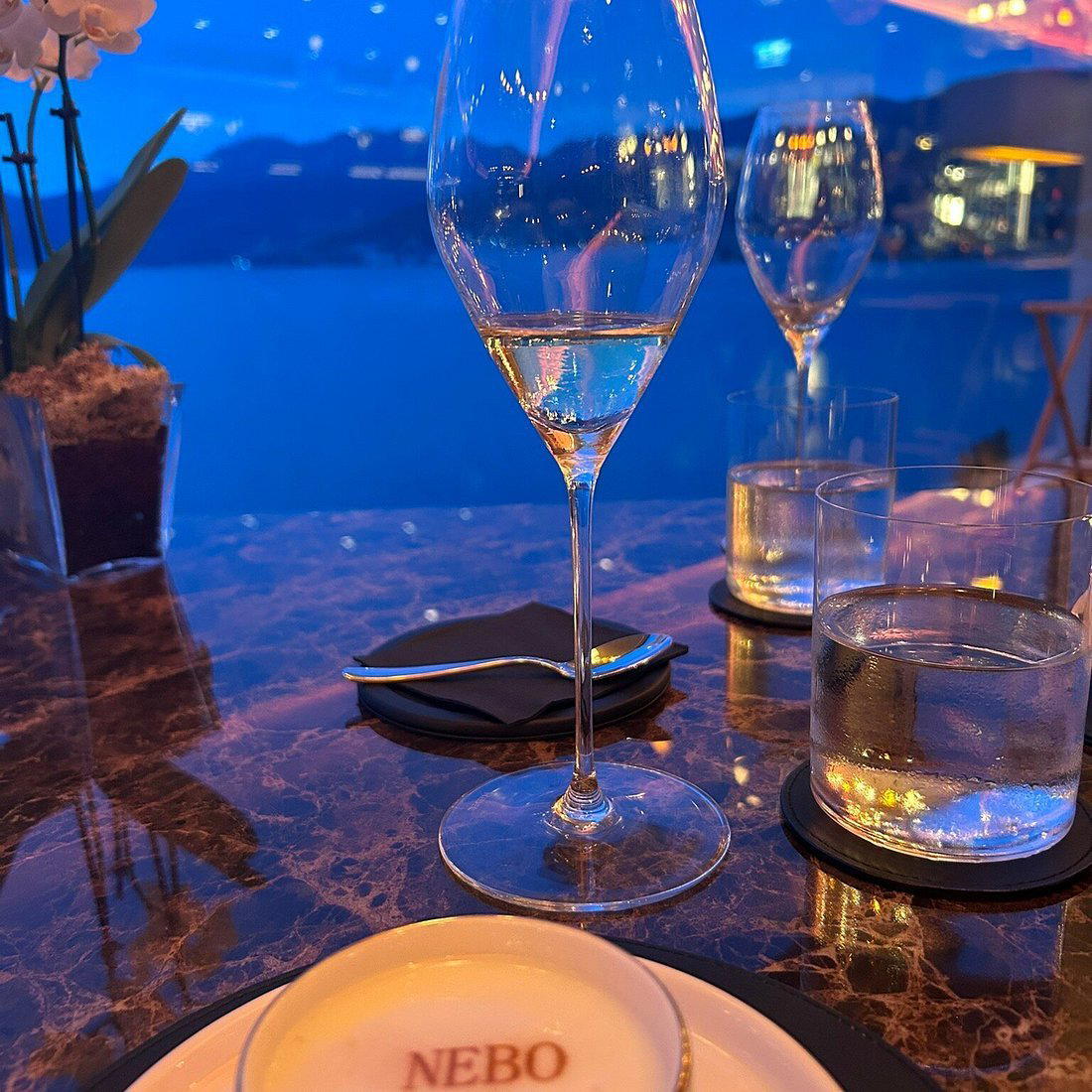
This matters because the dining ritual in the northeastern Adriatic tradition is built around accumulation rather than spectacle. You do not arrive at a climactic dish; you arrive at a state. That structure, the progression from light to substantial, from sharp to soft, from white wine to red, is what separates a meal of genuine duration from one that simply takes a long time. For visitors used to the tasting-menu format at places like Nebo by Deni Srdoč, where Modern Cuisine at the €€€€ tier imposes its own sequence, the à la carte ritual at a neighbourhood restaurant requires a different kind of attention. You are building the progression yourself.
Rijeka's Dining Context in 2024
The city's restaurant scene has stratified noticeably over the past five years. At the upper end, venues like Nebo by Deni Srdoč operate with a formal tasting structure. In the middle tier, Bistro Grad and Hidden Wine Bistro, both working in the €€ bracket, have built audiences around contemporary bistro formats and farm-sourced wine lists respectively. Then there is a longer tail of neighbourhood restaurants, trattoria-style places, and spots that have been running quietly for years without press attention. The restaurant occupies the neighbourhood end of that spectrum, on a residential street rather than the tourist-facing waterfront or the Korzo.
That positioning places it in a different competitive conversation than, say, Capote y Olé or Cacao, which operate closer to the city's social centre. The Kružna ulica address suggests a local clientele, regulars who know the room, and a kitchen that does not need to reset its personality for every new visitor. In the broader Croatian context, that kind of stable neighbourhood anchor is less common than the destination format: Croatia's most-discussed restaurants, from Pelegrini in Sibenik to Agli Amici Rovinj and LD Restaurant in Korčula, are mostly built for visitors. A place that functions primarily as a local restaurant in a city of real residents is a different proposition.
The Kvarner Cooking Tradition
The cooking tradition the restaurant works within draws from both sides of the Adriatic. The Kvarner coast's kitchen has historically used Adriatic seafood, scampi from the bay, oily-fleshed Adriatic fish, shellfish from the islands, alongside inland ingredients from Gorski Kotar: mushrooms, game, and the kind of slow-cooked meat preparations that reflect a colder interior. That combination, coastal protein with mountain-weight preparation, is not the same as Dalmatian cooking to the south or Istrian cooking to the west, though it borrows from both.
Across Croatia, particularly awarded kitchens have generally built on this regional specificity rather than departing from it. Boskinac in Novalja and Alfred Keller in Mali Lošinj both anchor their menus in island and coastal ingredients. Dubravkin Put in Zagreb and Korak in Jastrebarsko reach into continental Croatian produce. The Rijeka equivalent, Kvarner seafood, Gorski Kotar game, Italian-inflected technique, is the logical grammar for a restaurant like Conca d'oro, even if the specific execution remains to be verified against firsthand data.
Planning a Visit
The restaurant is on Kružna ulica 12 in Rijeka. Rijeka is accessible by train from Zagreb in under three hours, and by car it sits at the junction of the A6 and A7 motorways. For visitors combining Rijeka with wider Croatian dining, San Rocco in Brtonigla and the Istrian restaurants are under an hour to the west; the Dalmatian coast with venues like Krug in Split and Restaurant 360 in Dubrovnik requires a longer southward drive.
- Grilled shrimp
- Truffle risotto
- Scampi
- Venetian liver with polenta
- Pizza
- Mussel ragout pasta
Cuisine and Recognition
Comparable venues nearby, for context on price, style, and recognition.
| Venue | Cuisine | Price | Awards | Notes |
|---|---|---|---|---|
| Conca d'oroThis venue — the venue you are viewing | Mediterranean Seafood & Pizza | $$$ | Not listed | Not listed |
| Cacao | Dessert Patisserie with Vegan Options | $$ | Not listed | City Center |
| Na Kantunu Tavern | Croatian Seafood Tavern | $$ | Not listed | :null |
| Mornar | Fresh Croatian Seafood Bistro | $$ | Not listed | Riva Boduli |
| Konoba Nebuloza | Croatian Seafood Konoba | $$ | Not listed | Grobnik |
| Bistro Grad | Modern Italian-Croatian Bistro | $$ | Michelin Plate | port area |
Continue exploring
More in Rijeka
Restaurants in Rijeka
Browse all →
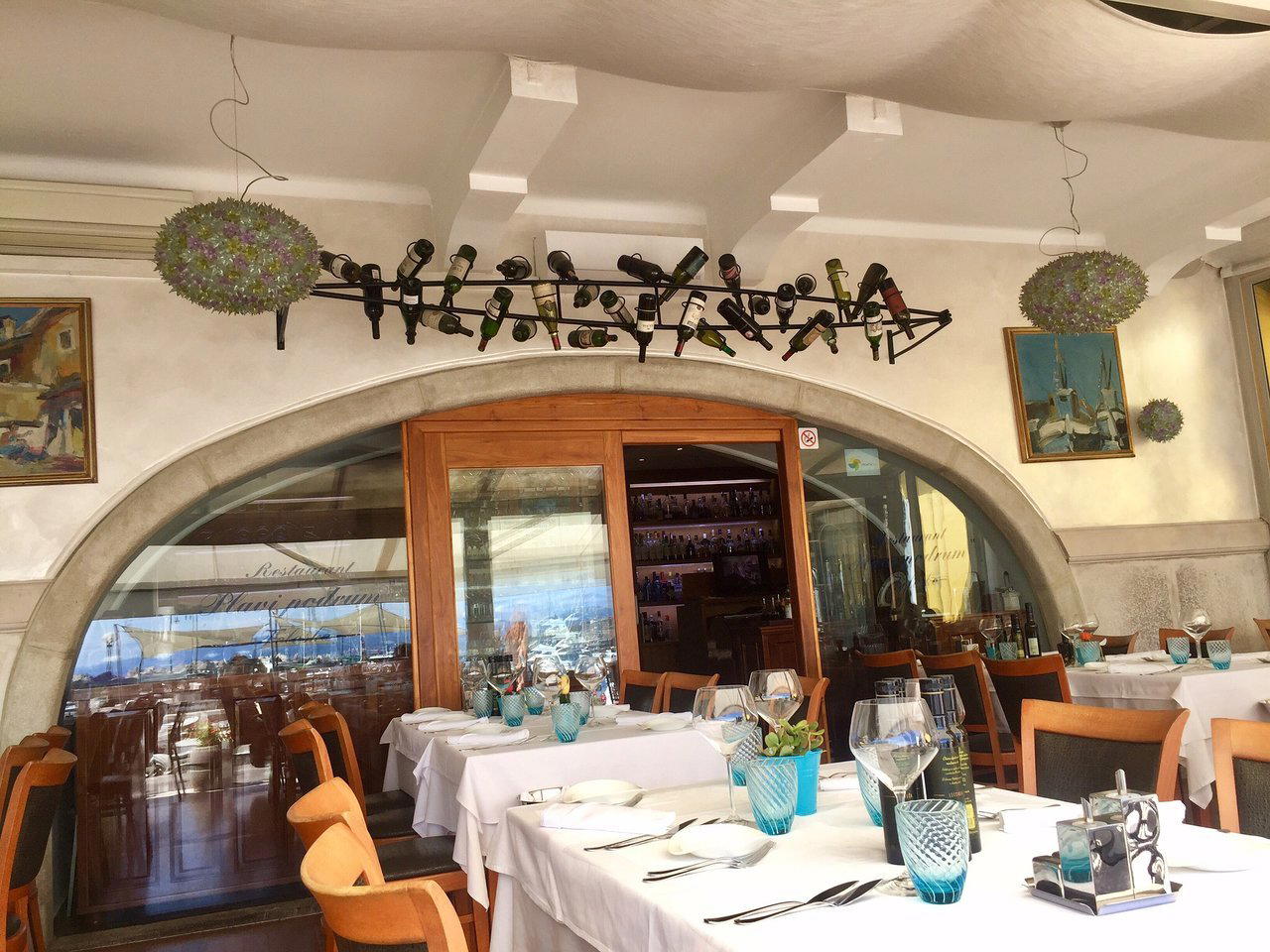
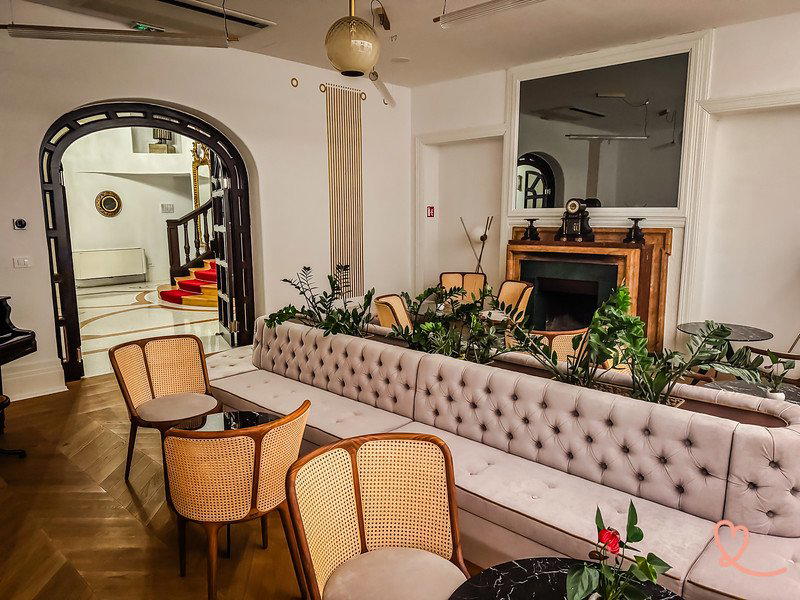
Bars in Rijeka
Browse all →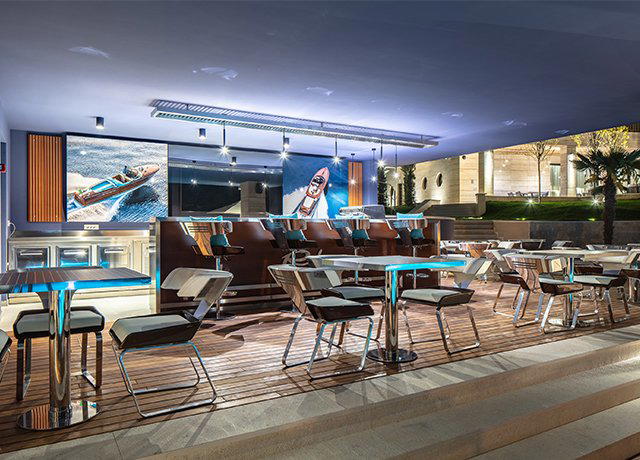
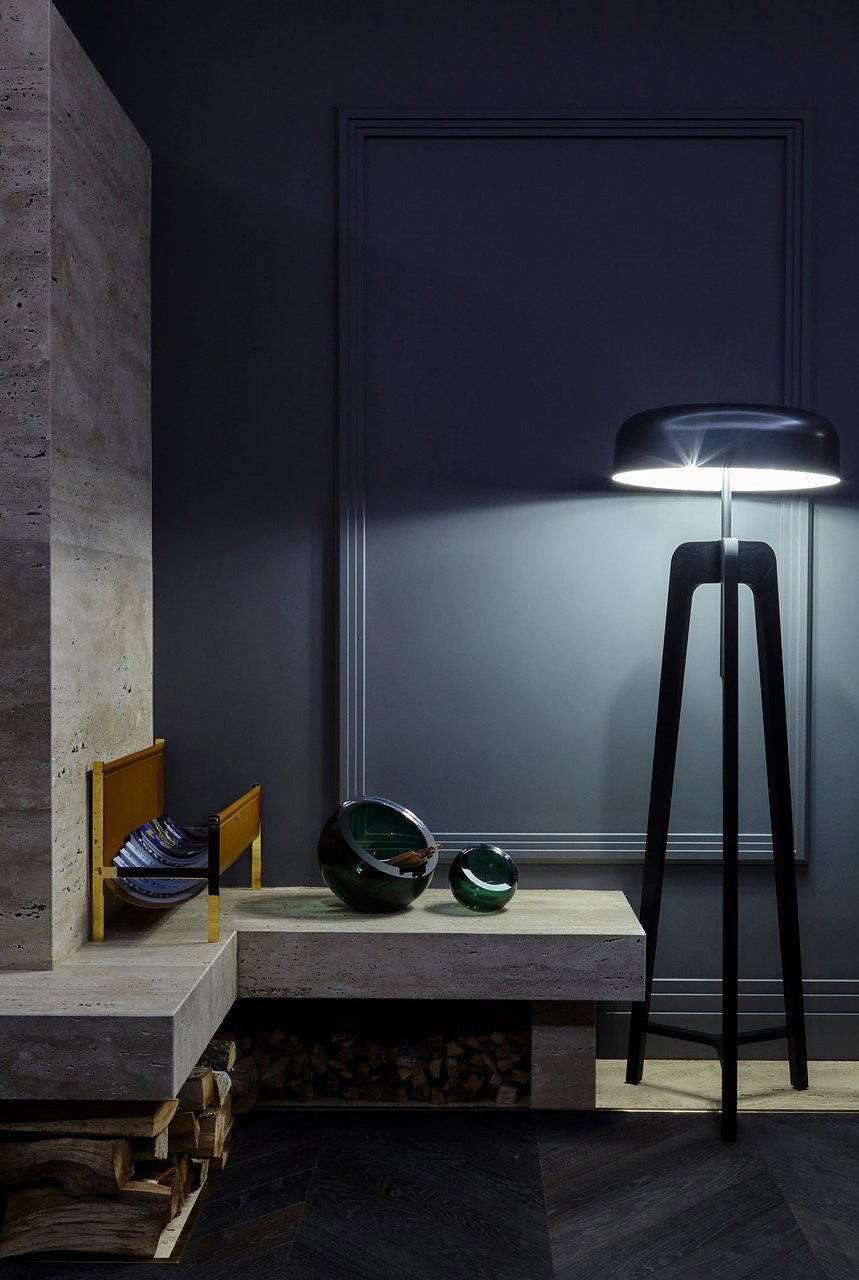

Hotels in Rijeka
Browse all →

At a Glance
- Classic
- Elegant
- Intimate
- Date Night
- Business Dinner
- Group Dining
- Casual Hangout
- Brunch
- Historic Building
- Standalone
- Terrace
- Extensive Wine List
- Beer Program
- Local Sourcing
- Sustainable Seafood
Current opening hours
- Monday
- 11 AM–11 PM
- Tuesday
- 11 AM–11 PM
- Wednesday
- 11 AM–11 PM
- Thursday
- 11 AM–11 PM
- Friday
- 11 AM–11 PM
- Saturday
- 11 AM–11 PM
- Sunday
- Closed
Hours can change for holidays and private events. Last verified .
Comfortable interior balancing modern seating with quirky antique decorations, creating a soothing and pleasant atmosphere with snappy service.