
A Michelin Plate recipient for two consecutive years, vierzehn 85 brings contemporary cooking to Leiwen, one of the Mosel's most wine-saturated villages. The kitchen works within a region where what grows nearby shapes what lands on the plate, making it a natural stop for visitors tracing the Mosel's food and wine corridor.
Pearl is the En Primeur Club membership app — saves, bookings, and concierge access live there. Same editors, same standards.
- Address
- Euchariusstraße 10-12, 54340 Leiwen, Germany
- Phone
- +49 6507 9393901
- Website
- vierzehn85.de
- Directions
- Get directions
 Saves & bookings on Pearl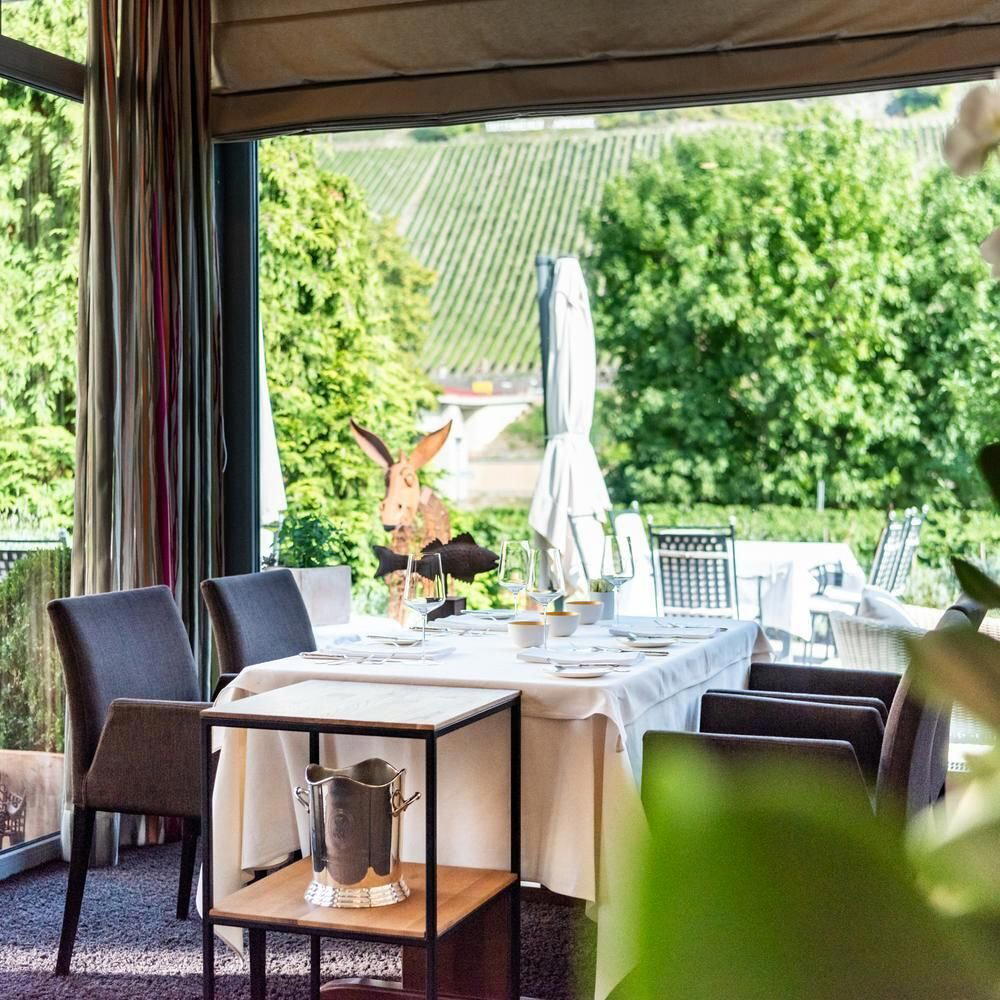
Leiwen, the Mosel, and What the Land Puts on the Plate
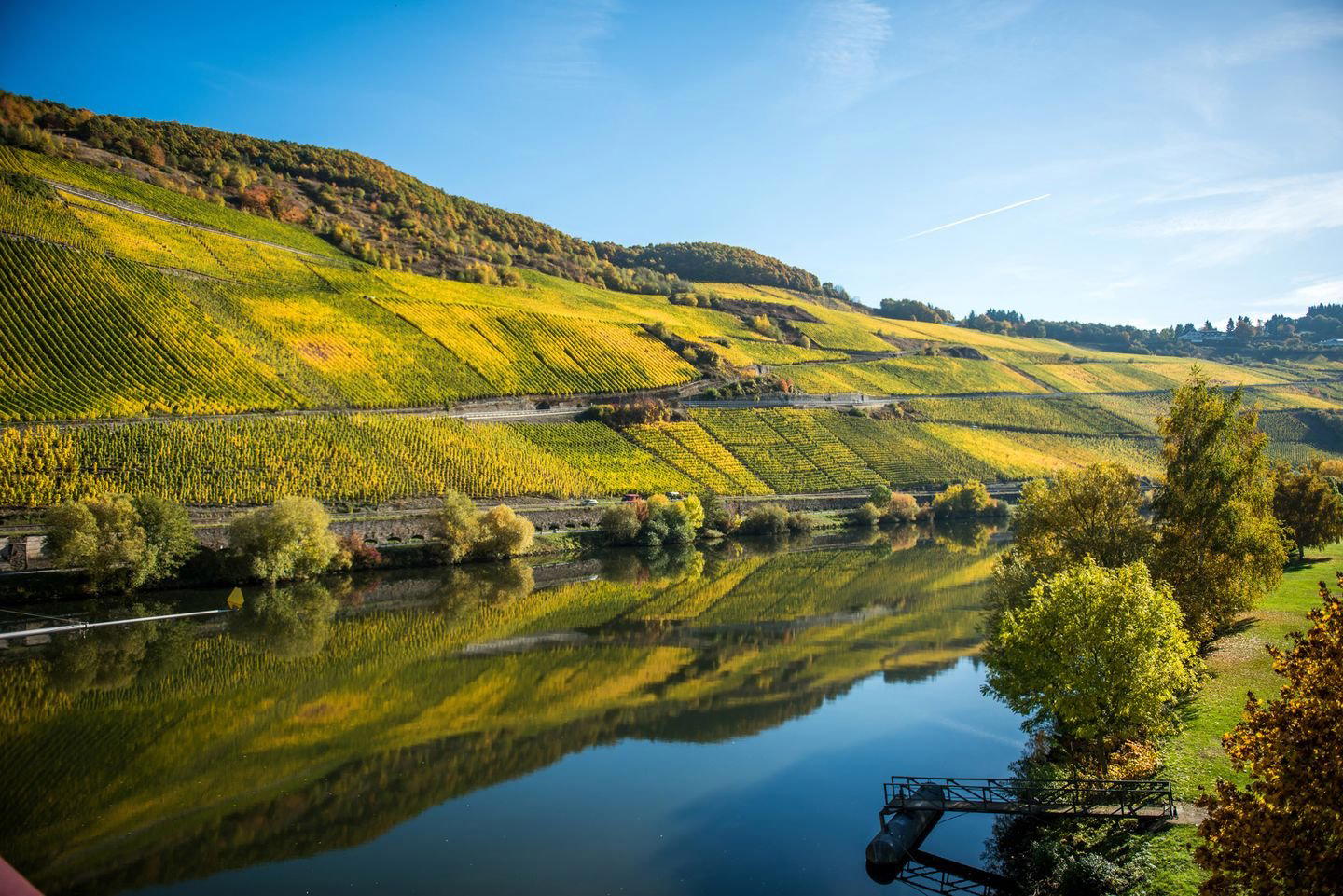
The Mosel Valley has a particular geography that disciplines its kitchens. Steep slate slopes, a river that moderates temperature extremes, and a growing season calibrated to Riesling mean that chefs who cook here are operating inside one of Germany's most defined agricultural corridors. Leiwen sits near the middle of this stretch, between Trier and Bernkastel-Kues, in a village where winemakers outnumber restaurateurs by a wide margin. That ratio matters: kitchens like vierzehn 85, at Euchariusstraße 10-12, inherit both the produce surplus and the audience expectation of a region where the table is inseparable from the vine. Vierzehn 85 is a restaurant in Leiwen serving contemporary regional German cuisine, with a €70 per-person price point.
Contemporary cooking in this context means something more specific than it does in a city. It means working against a local reference point, where the diner sitting across the table may have spent the afternoon walking the Leiwener Laurentiusberg and arrives with a palate already oriented toward the mineral and the precise. Vierzehn 85 holds a Michelin Plate for 2024 and 2025, a consecutive recognition that signals consistent kitchen execution rather than a single strong season. That consistency matters in a village with limited dining infrastructure, where a single restaurant often carries a disproportionate share of the area's culinary reputation.
Why Sourcing Defines the Cooking Here
In wine regions, ingredient sourcing tends to be more legible than in urban settings. The infrastructure that supports winemakers, including small-scale growers, local cooperatives, and the seasonal logic of a valley that freezes and blooms on a visible schedule, also serves kitchens that pay attention. Contemporary restaurants in the Mosel corridor sit downstream of one of Germany's most traceable agricultural chains. What arrives at the pass can, in principle, be mapped back to a slope or a farm within a short radius.
This is not a minor point. At comparable price tiers across Germany, kitchens like Schanz in Piesport and Waldhotel Sonnora in Dreis have built sustained reputations partly by anchoring their menus in regional product. Both operate within the same wine-country logic: the provenance of what's on the plate is not decoration, it's the argument. The restaurant, carrying a €€€ price range against those restaurants' higher tiers, occupies a different bracket in the competitive hierarchy, but the underlying sourcing logic of cooking in this landscape applies regardless of price point.
The Mosel's slate soils, which drain fast and retain heat, influence not only the Riesling in the glass but the root vegetables, herbs, and livestock that share that terrain. Kitchens that take this seriously are cooking with an ingredient palette that has already been shaped by place before a single technique is applied. For the diner, that means one interesting question at a restaurant like vierzehn 85 is not only what's on the menu, but where it came from and what the season is doing to it right now.
Where Vierzehn 85 Sits in the Regional Dining Picture
The Mosel and its immediate surrounds host a narrower concentration of recognized kitchens than regions like Baden-Württemberg or Bavaria, but the ones that have earned sustained recognition tend to be deeply embedded in their villages. Victor's Fine Dining by Christian Bau in Perl operates at the three-star level at the far western edge of the Saar-Mosel triangle. Bagatelle in Trier serves the urban end of the region. The restaurant fills a different function: a contemporary kitchen inside the village fabric, accessible to the wine-country visitor without requiring a detour to a larger city.
At the €€€ tier, it sits below the €€€€ bracket that defines much of Germany's critical conversation, where restaurants like Aqua in Wolfsburg, Vendôme in Bergisch Gladbach, Schwarzwaldstube in Baiersbronn, and CODA Dessert Dining in Berlin compete at a national and international level. That separation is not a criticism. In a village like Leiwen, a Michelin Plate across two consecutive years represents a level of kitchen ambition that the local infrastructure does not automatically produce. It places the restaurant in a comparable set closer to JAN in Munich or Restaurant Haerlin in Hamburg in terms of editorial recognition, even if the operational scale and city context differ substantially.
In villages with limited dining density, ratings can be inflated by low sample sizes, but 212 responses represents genuine breadth for a Mosel restaurant at this scale. It suggests a consistent experience across different visitor profiles: wine tourists, overnight guests, and locals.
Planning a Visit to Leiwen
Leiwen is most accessible by road, sitting on the B53 Mosel wine route that connects Trier in the west to Cochem and Koblenz further north. The village is approximately 15 kilometres from Trier, making it a direct day trip or a natural anchor for a multi-night Mosel itinerary. The nearest train station is at Trittenheim or Piesport on the Moselbahn line, though connections are infrequent and a car remains the practical choice for this stretch of the valley. Autumn, when harvest is underway and the slopes are at their most active, is the high season for Mosel visits; booking ahead during October is advised.
At-a-Glance Comparison
Comparable venues nearby, for context on price, style, and recognition.
| Venue | Cuisine | Price | Awards | Notes |
|---|---|---|---|---|
| vierzehn 85This venue — the venue you are viewing | Contemporary Regional German | $$$ | Michelin Plate | Not listed |
| Kucher's Weinwirtschaft | Regional German Country Cooking with Mediterranean Inflections | $$$ | Michelin Plate | Darscheid |
| Eiflers Zeiten | Feine Eifler Landhausküche | $$$ | Michelin Plate | Burg Flamersheim |
| Puricelli | Seasonal Regional German | $$$ | Michelin Plate | Trechtingshausen |
| Redüttchen | Modern German Fine Dining | $$$ | Michelin Plate | Alt-Godesberg |
| Sängerheim - Das Restaurant | German Seasonal Fine Dining | $$$ | Michelin Plate | Hennef (Sieg) |
Recognition history
Dated appearances from independent guides and award organizations, with the underlying list record or original source where available.
Michelin Plate
Michelin
Michelin Plate
Michelin
Michelin Plate
Michelin
Continue exploring
More in Leiwen
Restaurants in Leiwen
Browse all →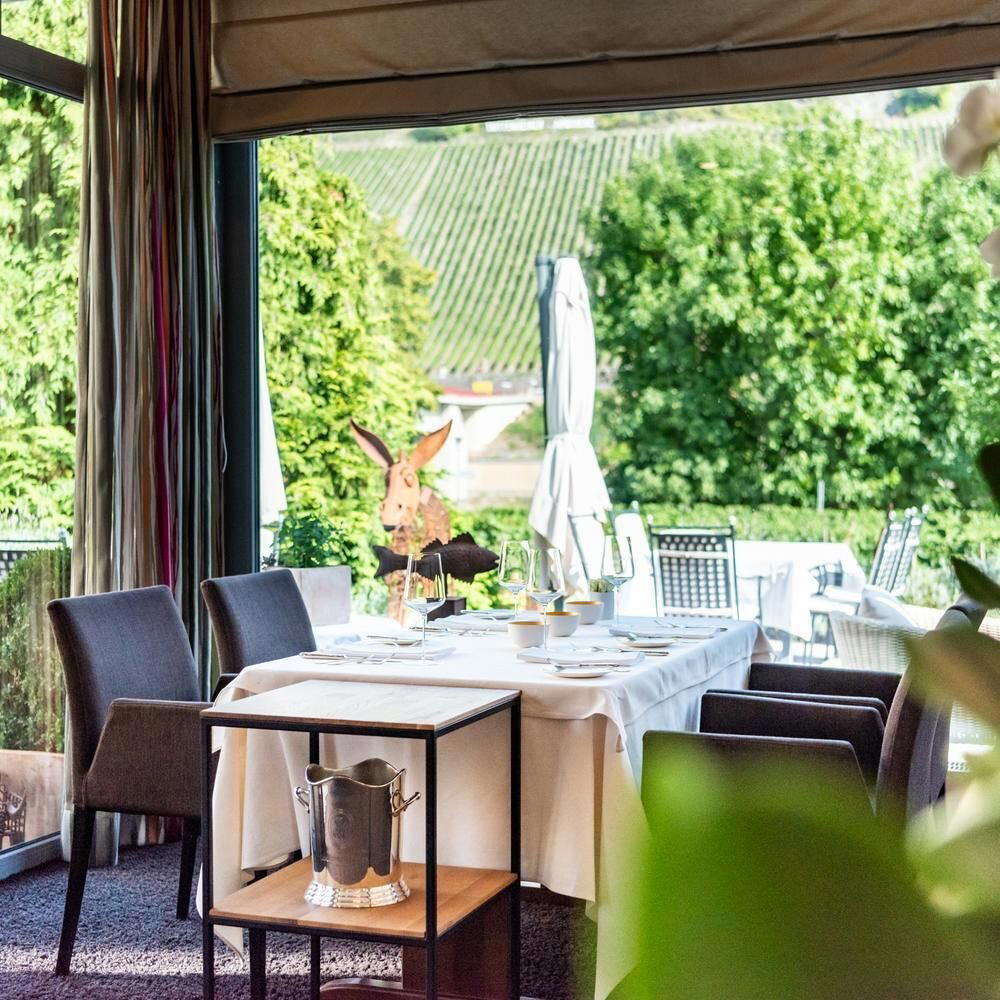
Bars in Leiwen
Browse all →
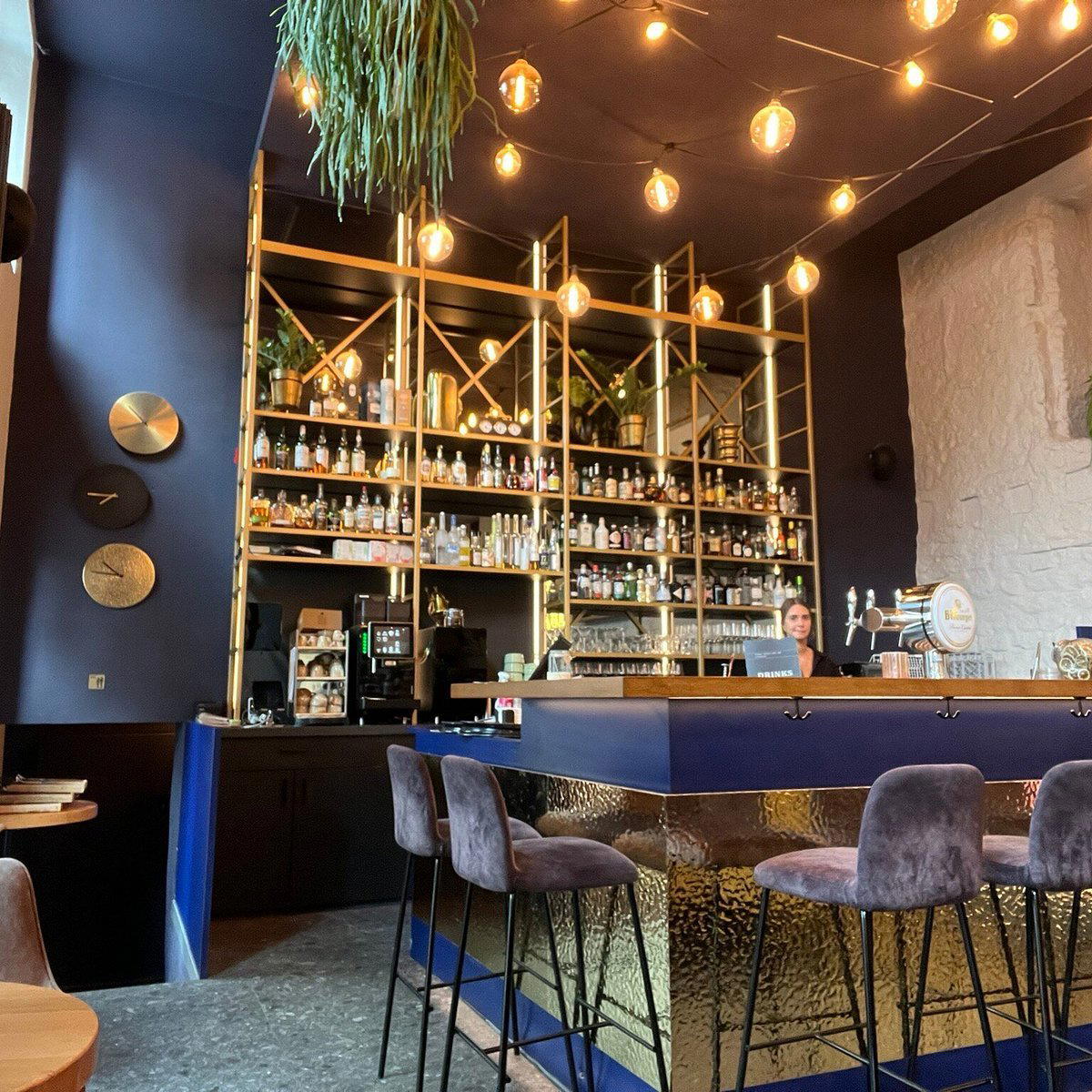
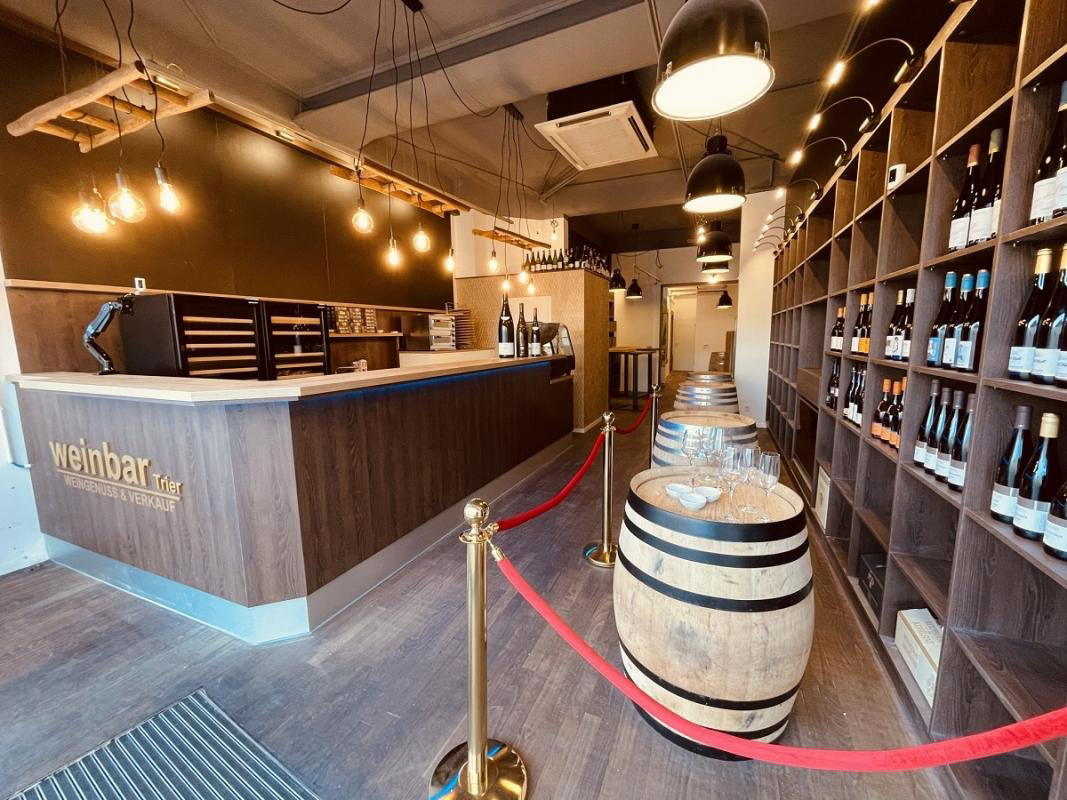
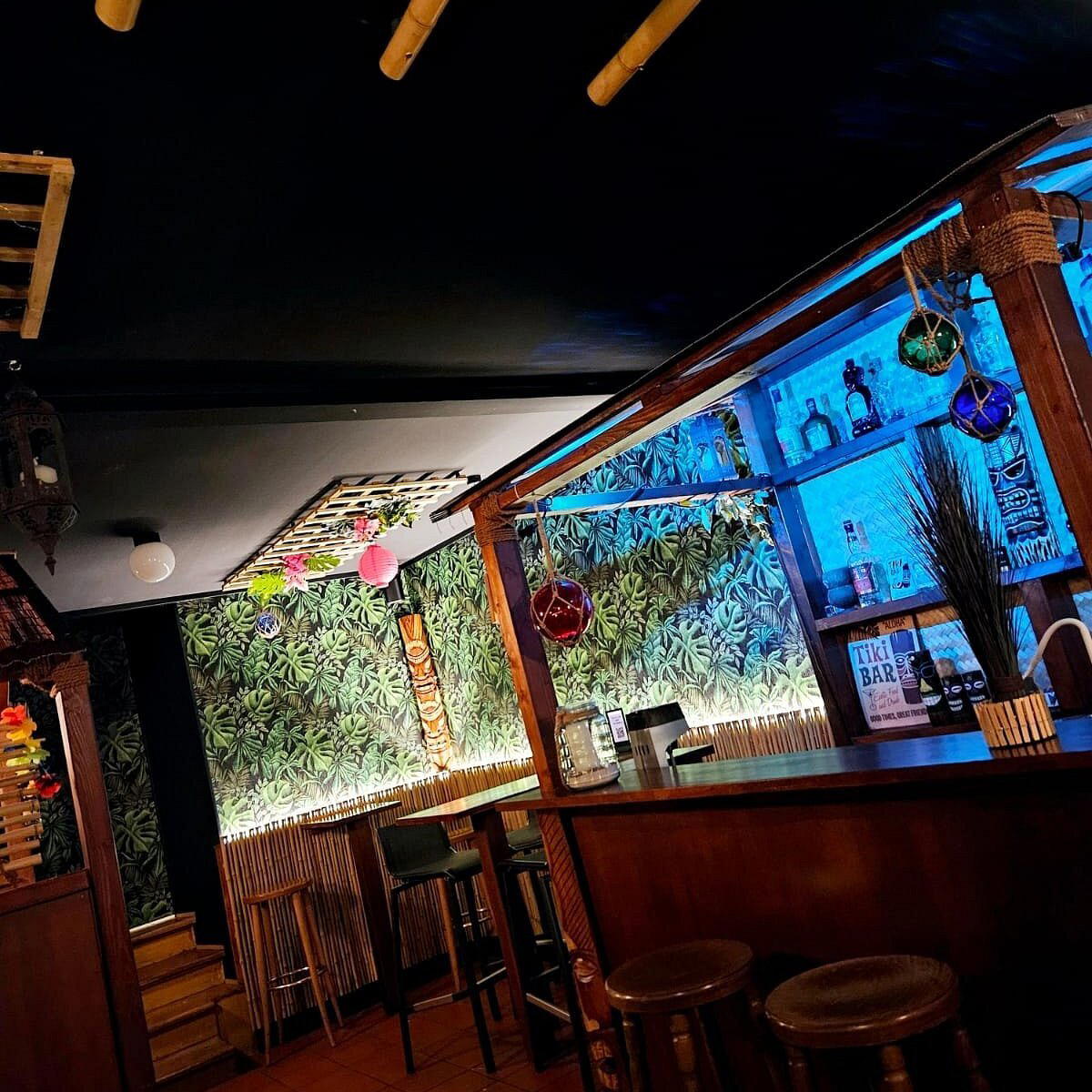
Hotels in Leiwen
Browse all →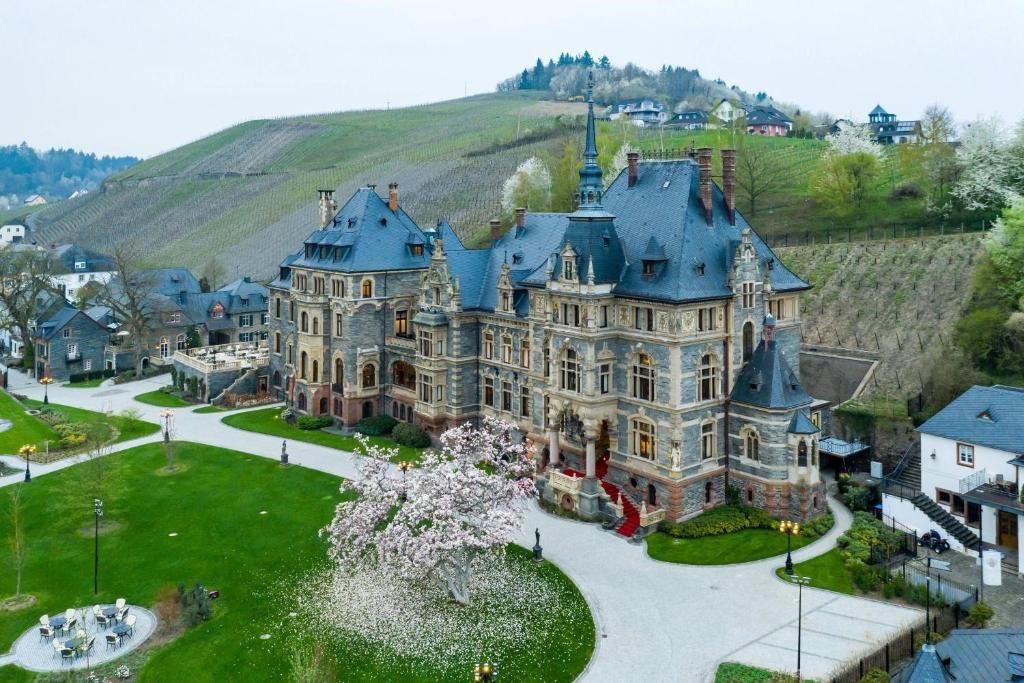
At a Glance
- Cozy
- Elegant
- Intimate
- Historic
- Sophisticated
- Date Night
- Special Occasion
- Historic Building
- Terrace
- Extensive Wine List
- Local Sourcing
Current opening hours
- Monday
- 5:30 PM–12 AM
- Tuesday
- Closed
- Wednesday
- Closed
- Thursday
- 5:30 PM–12 AM
- Friday
- 5:30 PM–12 AM
- Saturday
- 5:30 PM–12 AM
- Sunday
- 5:30 PM–12 AM
Hours can change for holidays and private events. Last verified .
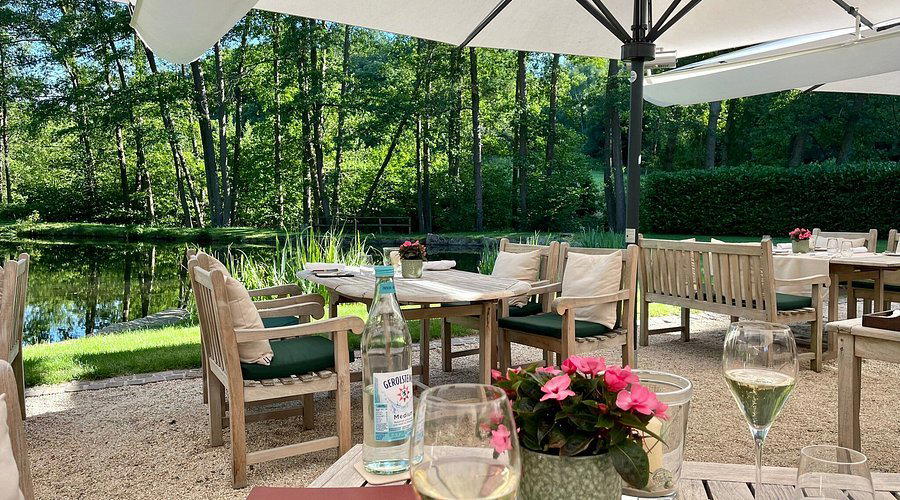
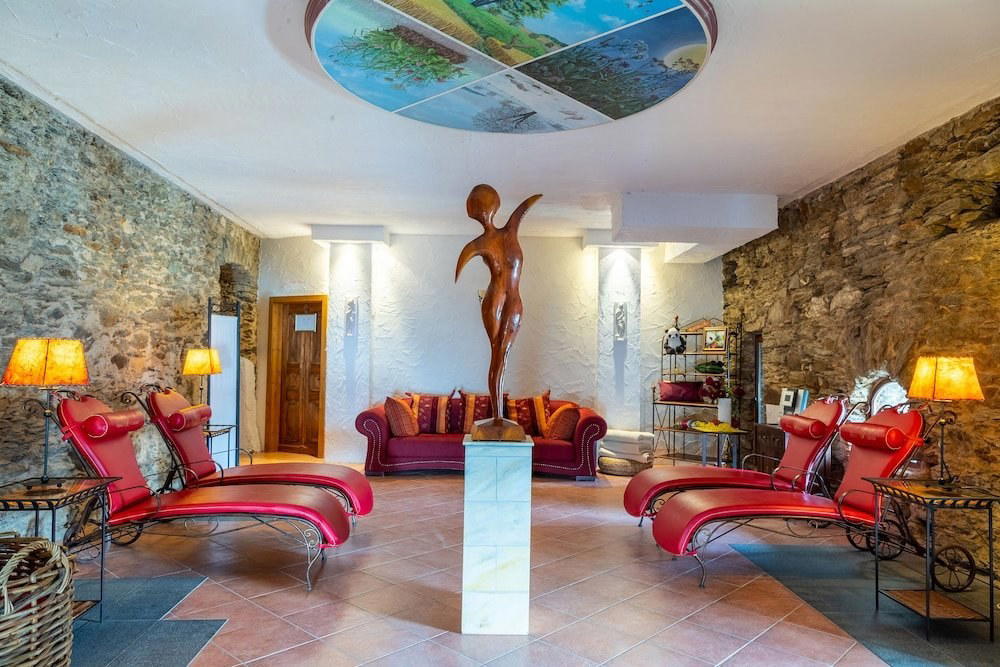
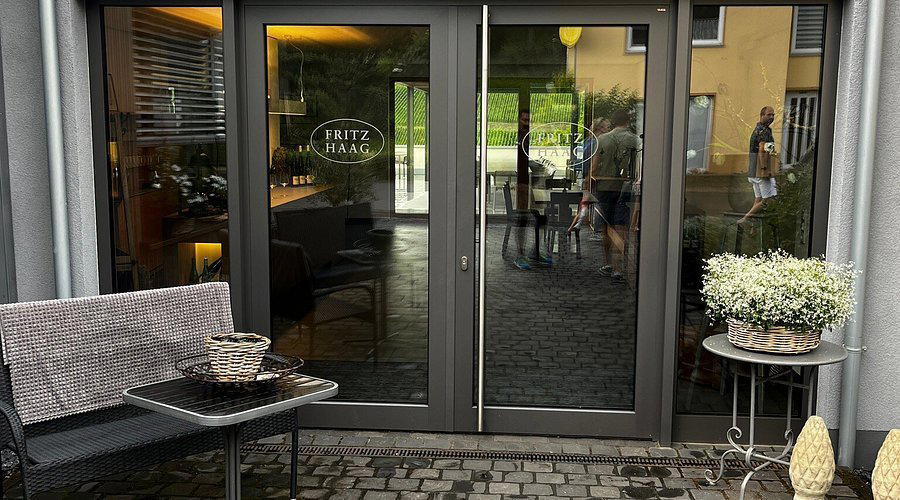
Homely modern atmosphere in a tasteful half-timbered building with charming niches and inviting terrace in summer.