Our verdict
RAAM occupies a address on Gentse Steenweg in Lokeren, positioning it within East Flanders' quietly serious dining corridor between Ghent and the coast. The restaurant sits in a regional tier where Belgian fine dining increasingly earns recognition beyond its city centres, reflecting a broader shift in where ambitious cooking now happens in this country.

Pearl is the En Primeur Club membership app — saves, bookings, and concierge access live there. Same editors, same standards.
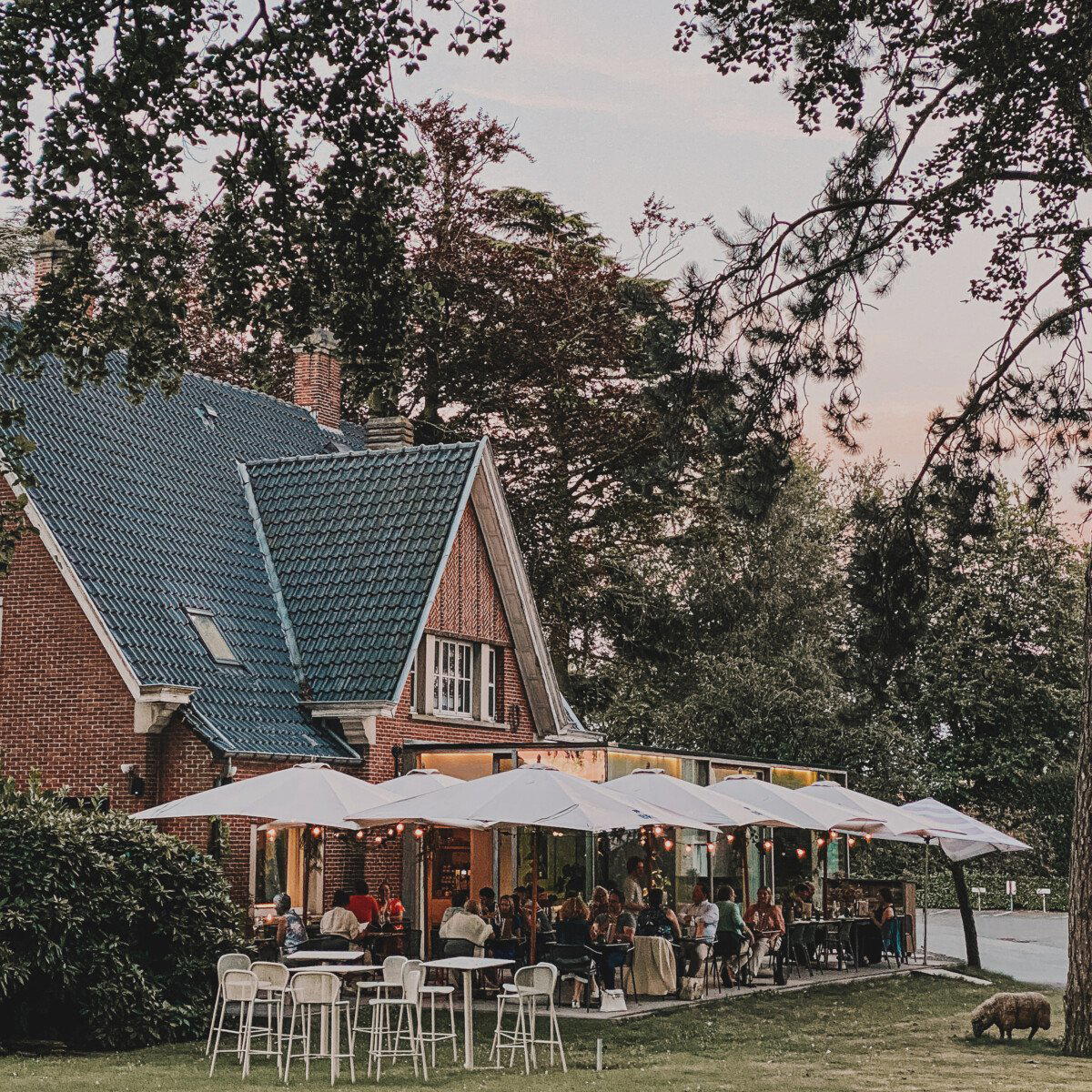
East Flanders on the Plate: Where Belgium's Fine Dining Moves Beyond the City
The assumption that serious Belgian cooking concentrates in Brussels, Antwerp, or Ghent has been dissolving for some time. What has replaced it is a more distributed pattern: independently operated restaurants in smaller Flemish towns, often on commercial arterial roads rather than cobbled squares, drawing guests who drive past city limits specifically because the cooking warrants it. RAAM, at Gentse Steenweg 136 in Lokeren, sits inside that pattern. Lokeren itself is a mid-sized East Flemish town positioned between Ghent and Sint-Niklaas, and its restaurant community reflects the broader regional dynamic: a handful of serious addresses that serve a local and regional clientele rather than a tourist-dependent one. For the full picture of what Lokeren currently offers at table, see our full Lokeren restaurants guide.
The Flemish Fine Dining Tradition RAAM Inherits
Belgian fine dining has long operated on a tension between French classical influence and a distinctly Flemish directness with produce. The country's leading end, represented by addresses such as Hof van Cleve in Kruishoutem and Boury in Roeselare, has leaned into a modern Flemish idiom: seasonal, locally sourced, technically refined but without the formality of classical French service. Closer to the coast, addresses like Bartholomeus in Heist and Willem Hiele in Oudenburg anchor a seafood-forward strand of that same tradition. In Antwerp, Zilte operates at the Michelin-starred urban end of the spectrum. What these restaurants share is a seriousness about the sourcing and preparation of Belgian produce, and an understanding that the country's culinary identity is not simply a subset of French cooking but something with its own logic and geography.
That geography matters for understanding where RAAM sits. East Flanders produces some of Belgium's most dependable ingredients: river fish, game from the Waasland polders, market vegetables from the Ghent hinterland. A restaurant in Lokeren has access to that supply chain at close range, and the regional fine dining tradition has historically rewarded kitchens that treat proximity to producers as a structural advantage rather than a marketing position. The comparison set for RAAM includes not only its Lokeren neighbours, such as Restaurant VOS and Vienna, but also the broader East Flemish corridor and the regional addresses that have set the benchmark for what this style of cooking can achieve.
A Regional Scene That Rewards the Drive
The Belgian fine dining map has never been exclusively urban. Some of the country's most discussed tables operate in towns with populations under 20,000, and the willingness of Belgian diners to travel for a meal is well documented in the country's Michelin footprint, which skews heavily toward provincial addresses relative to its geographic size. Belgium has one of the highest concentrations of Michelin-starred restaurants per capita in Europe, and a disproportionate share of those addresses are in smaller Flemish and Walloon towns rather than in the three major cities. This structural feature of the Belgian restaurant scene means that a restaurant in Lokeren is not operating at a disadvantage relative to peers; it is operating within a well-established tradition of destination dining in modest settings.
Further afield, the comparison expands. In Wallonia, L'air du temps in Liernu and La Table de Maxime in Our represent the French-inflected strand of Belgian provincial fine dining, while d'Eugénie à Emilie in Baudour occupies a more personal register. In Brussels, Bozar Restaurant and Le Chalet de la Forêt in Uccle hold the urban end of the capital's serious dining offer. In West Flanders, De Jonkman in Sint-Kruis and La Durée in Izegem reinforce the point that Flemish fine dining has a strong provincial core. In Beveren, adjacent to Lokeren's own East Flemish corridor, Castor operates in the modern European register that characterises the region's more ambitious kitchens. Internationally, the technical ambition that Belgian cooking has been exporting is visible in addresses like Le Bernardin in New York City and Atomix in New York City, both of which reflect how far the influence of European fine dining craft has travelled.
What the Address Signals
Gentse Steenweg is a connecting road, not a destination street. Restaurants that choose arterial addresses in Belgian towns are typically making a practical decision about rent and accessibility rather than a statement about atmosphere, and this has become a recognisable feature of the Flemish fine dining model: the exterior is often unremarkable, the interior is where the investment shows. This format places the emphasis squarely on what arrives at the table, which is consistent with the broader regional tradition of letting food carry the argument rather than theatrical room design. For diners accustomed to Brussels or Antwerp addresses, the approach to RAAM on Gentse Steenweg will feel familiar in its modesty of presentation and its implicit promise that the cooking will do the work.
Planning a Visit
RAAM is located at Gentse Steenweg 136, 9160 Lokeren, accessible by car from Ghent in under thirty minutes and from Sint-Niklaas in roughly fifteen. Lokeren is served by rail on the Ghent-Sint-Niklaas line, and the address on Gentse Steenweg is reachable on foot or by local transport from the station. As with most serious Belgian provincial restaurants, booking in advance is advisable; the regional dining culture means that weekends in particular fill with guests travelling from Ghent, Antwerp, and beyond. Current booking details, hours, and availability are best confirmed directly with the restaurant, as contact information was not available at the time of publication.
Frequently asked questions
What's RAAM's location?
RAAM is located at Gentse Steenweg 136, 9160 Lokeren, Belgium, Lokeren.
Is RAAM worth the drive from Ghent for a special occasion dinner?
RAAM sits at Gentse Steenweg 136 in Lokeren, under thirty minutes by car from central Ghent. Belgium has a documented pattern of placing its most ambitious kitchens in provincial towns rather than city centres, and East Flanders in particular has produced tables that justify cross-regional travel. For a considered evening out from Ghent or Antwerp, the distance is modest relative to the dining tier on offer.
How hard is it to get a table at RAAM?
No booking lead-time data is currently held for RAAM, but serious Belgian provincial restaurants at this level routinely require reservations several weeks in advance, particularly for Friday and Saturday evenings. Lokeren's position between Ghent and Sint-Niklaas means the restaurant draws from a catchment well beyond the town itself, which adds pressure on covers. Booking ahead rather than walking in is the standard approach across this tier of East Flemish dining.
Budget and Context
Comparable venues nearby, for context on price, style, and recognition.
| Venue | Cuisine | Price | Awards | Notes |
|---|---|---|---|---|
| RAAMThis venue — the venue you are viewing | Modern International Fusion | $30–50 | Not listed | Not listed |
| Vienna | French-Belgian Bistro | $50–100 | Not listed | Lokeren Station, French-Belgian Bistro |
| Restaurant VOS | Modern French with Belgian Roots | $50–100 | Michelin Plate · We're Smart World 2 Radishes | Groenstraat, Modern French with Belgian Roots |
| Finch | Asian Fusion | Not listed | Not listed | Zuid, Asian Fusion |
| Chubby Cheeks | Bistronomic Fusion with Natural Wines | $30–50 | Not listed | Elisabethbegijnhof - Prinsenhof - Papegaai - Sint-Michiels, Bistronomic Fusion with Natural Wines |
| A'sur | 't Zuid, Belgian-South American Fusion | Not listed | Not listed | Not listed |
Continue exploring
More in Lokeren
Restaurants in Lokeren
All restaurants in Lokeren →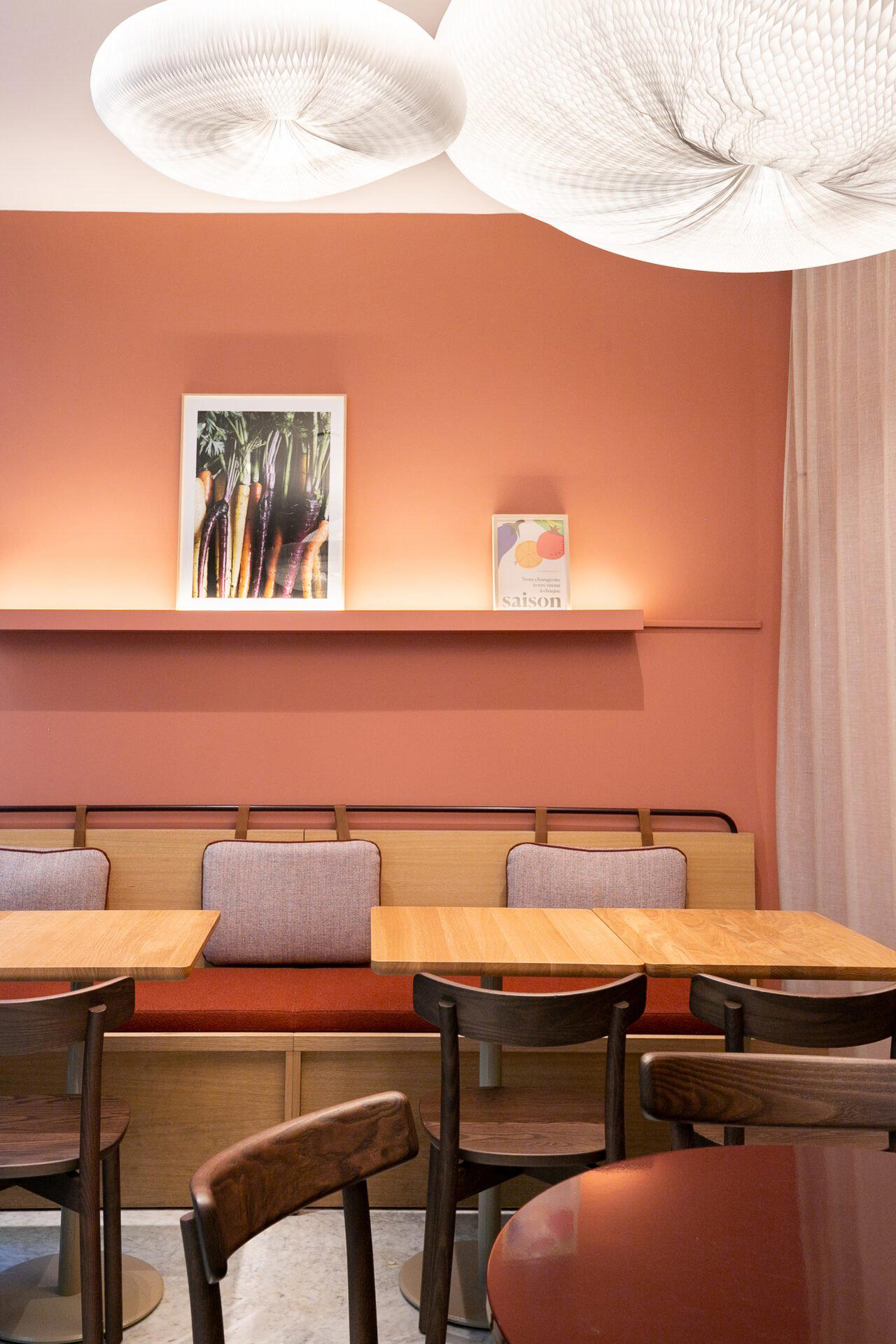

Details
- Modern
- Cozy
- Trendy
- Date Night
- Special Occasion
- Open Kitchen
- Garden
- Extensive Wine List
- Local Sourcing
- Garden
- A La Carte
- Vegetarian Friendly
- Vegan Options
- Gluten Free Options
Current opening hours
- Monday
- 12–11 PM
- Tuesday
- 12–11 PM
- Wednesday
- 12–4 PM
- Thursday
- 12–11 PM
- Friday
- 12–11 PM
- Saturday
- Closed
- Sunday
- Closed
Hours can change for holidays and private events. Last verified .
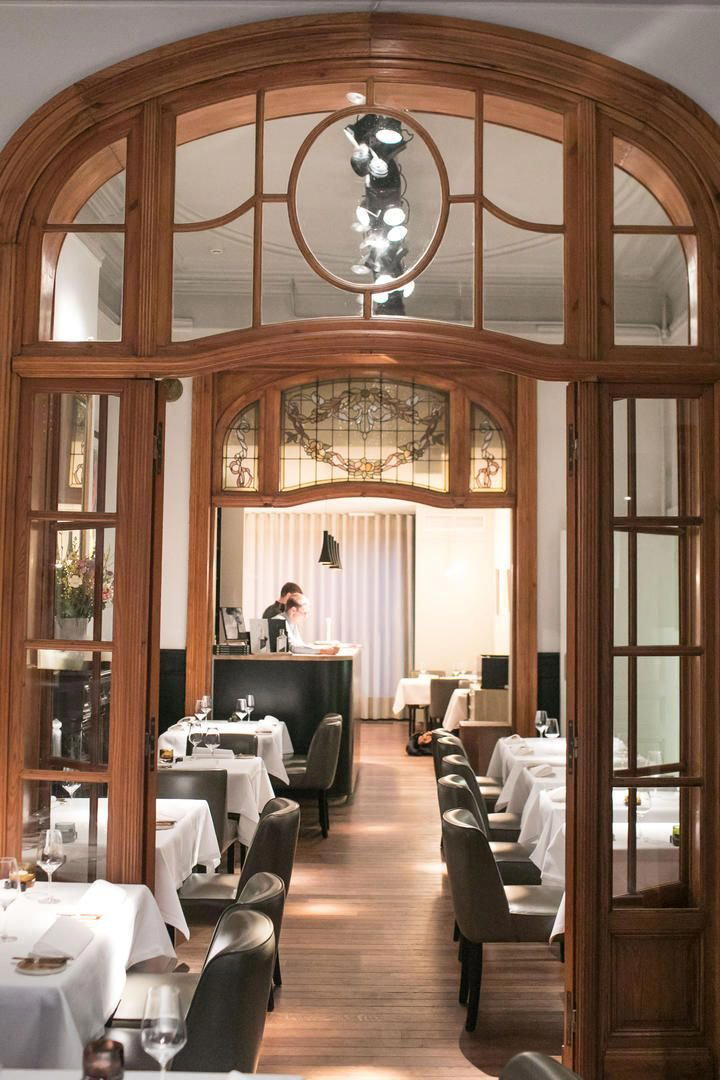
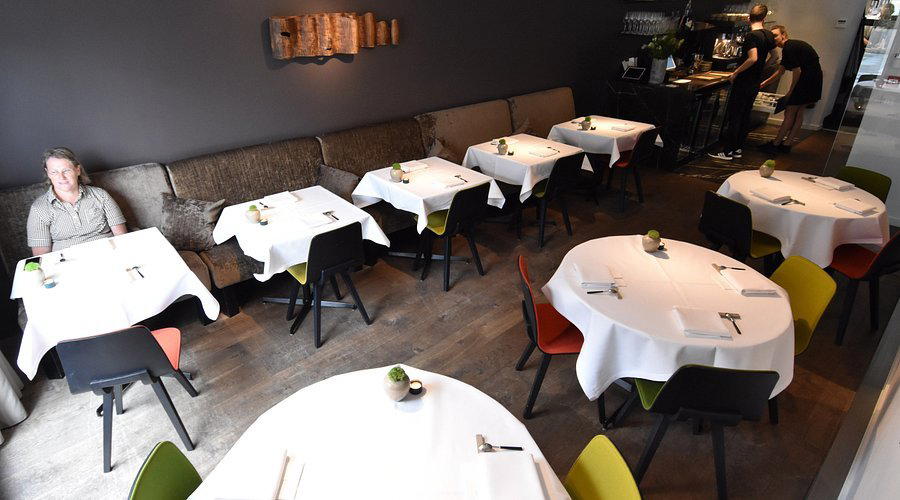
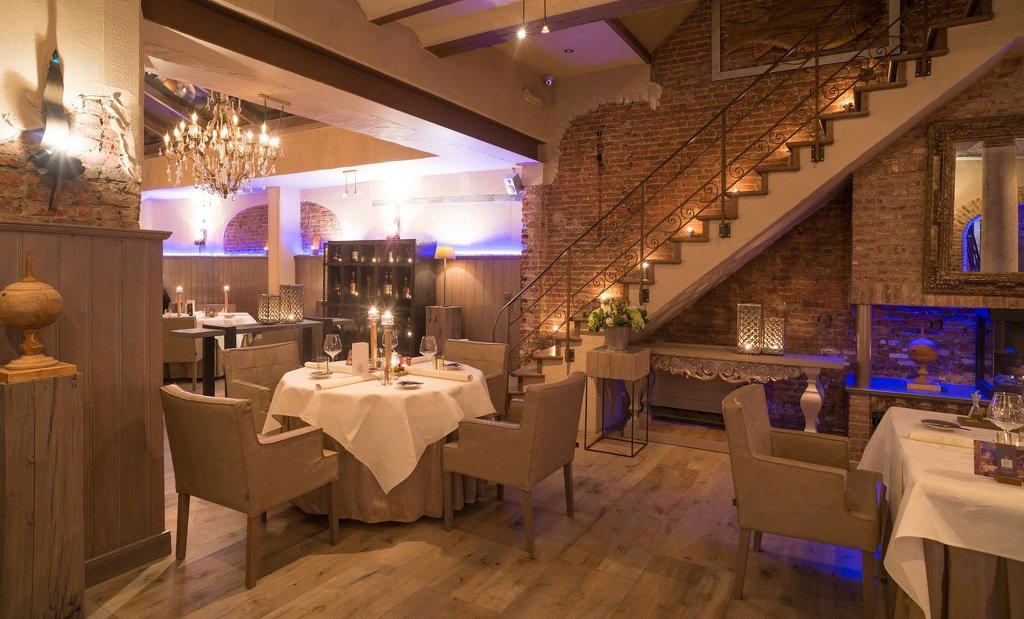
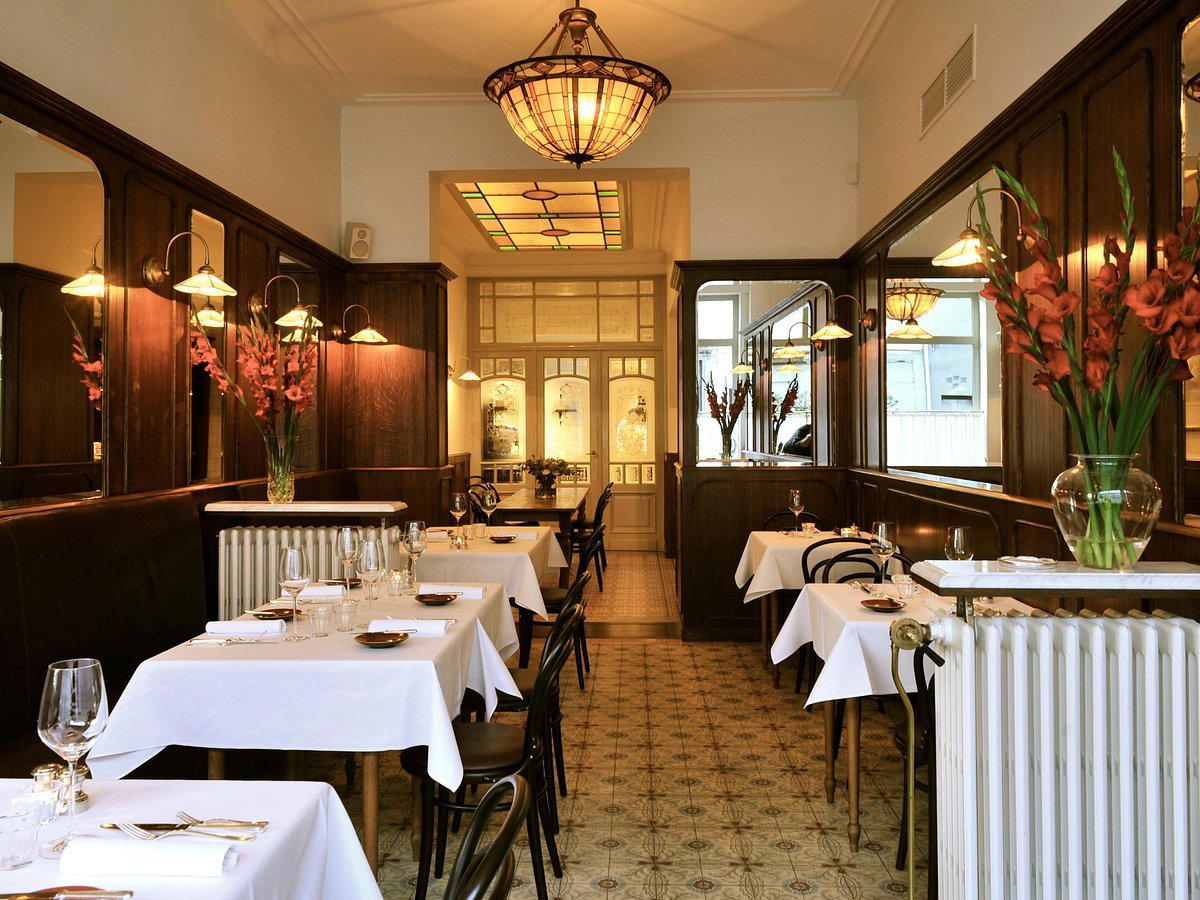
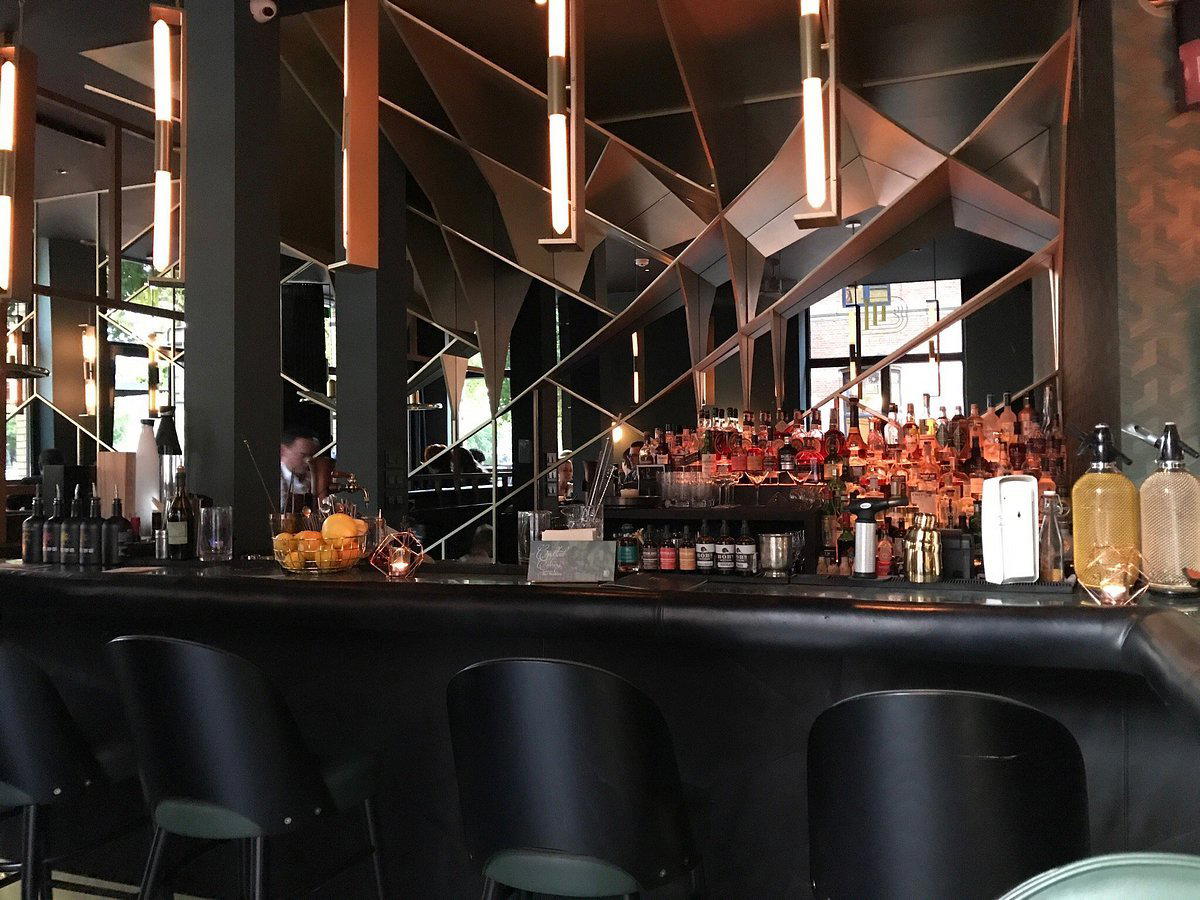
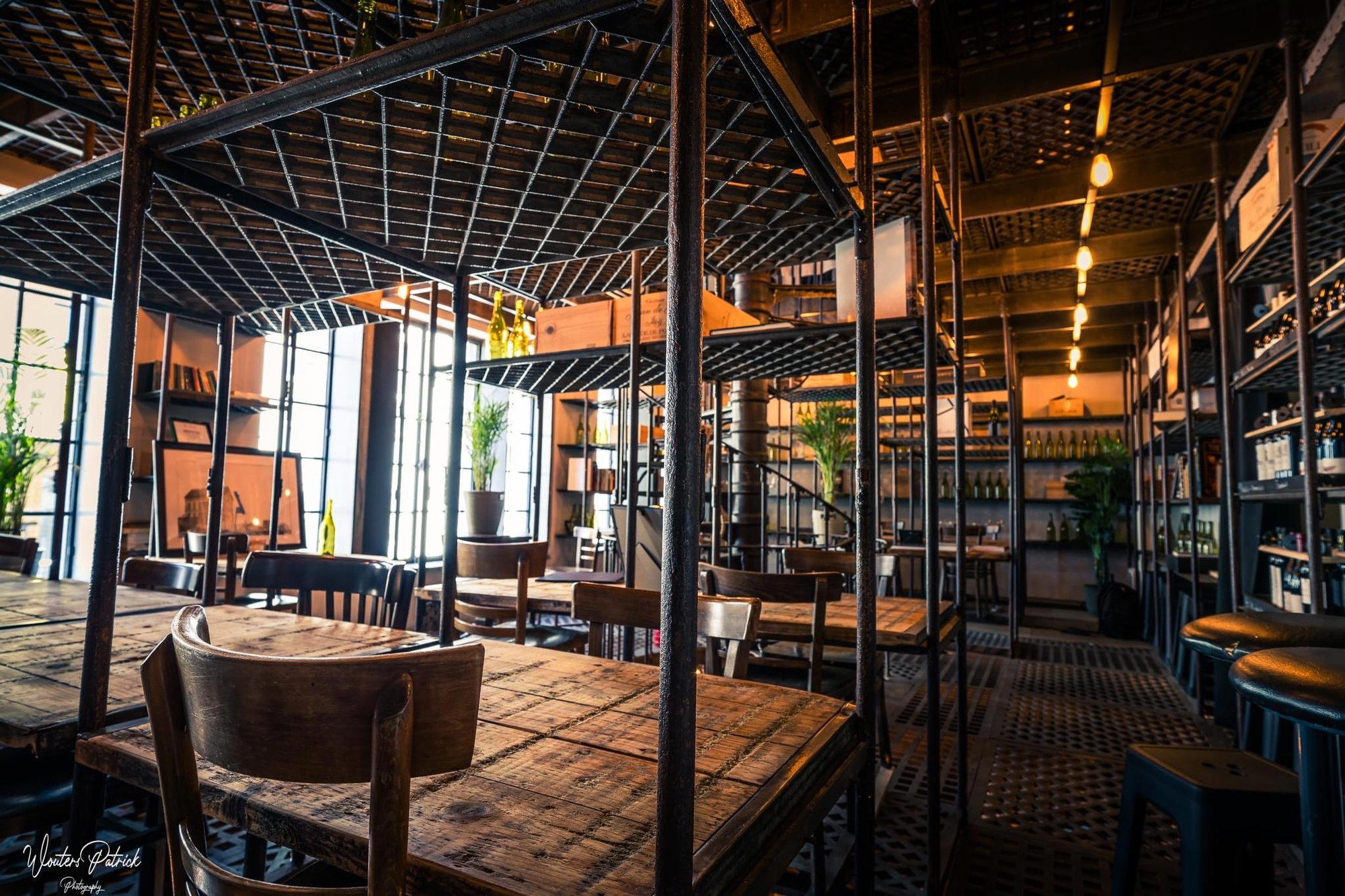
Light, modern interior with a cozy, trendy atmosphere enhanced by large trees and stylish table settings.