Vicinato
Vicinato serves Italian Pasta and Neapolitan Pizza on Córdoba 234 in Roma Nte., with pasta fresca, pizzetas artesanales, and focaccia for breakfast, brunch, or dinner.
Pearl is the En Primeur Club membership app — saves, bookings, and concierge access live there. Same editors, same standards.
- Address
- Córdoba 234, Roma Nte., Cuauhtémoc, 06700 Ciudad de México, CDMX, Mexico
- Phone
- +525555842229
- Website
- vicinato.mx
- Directions
- Get directions
 Saves & bookings on Pearl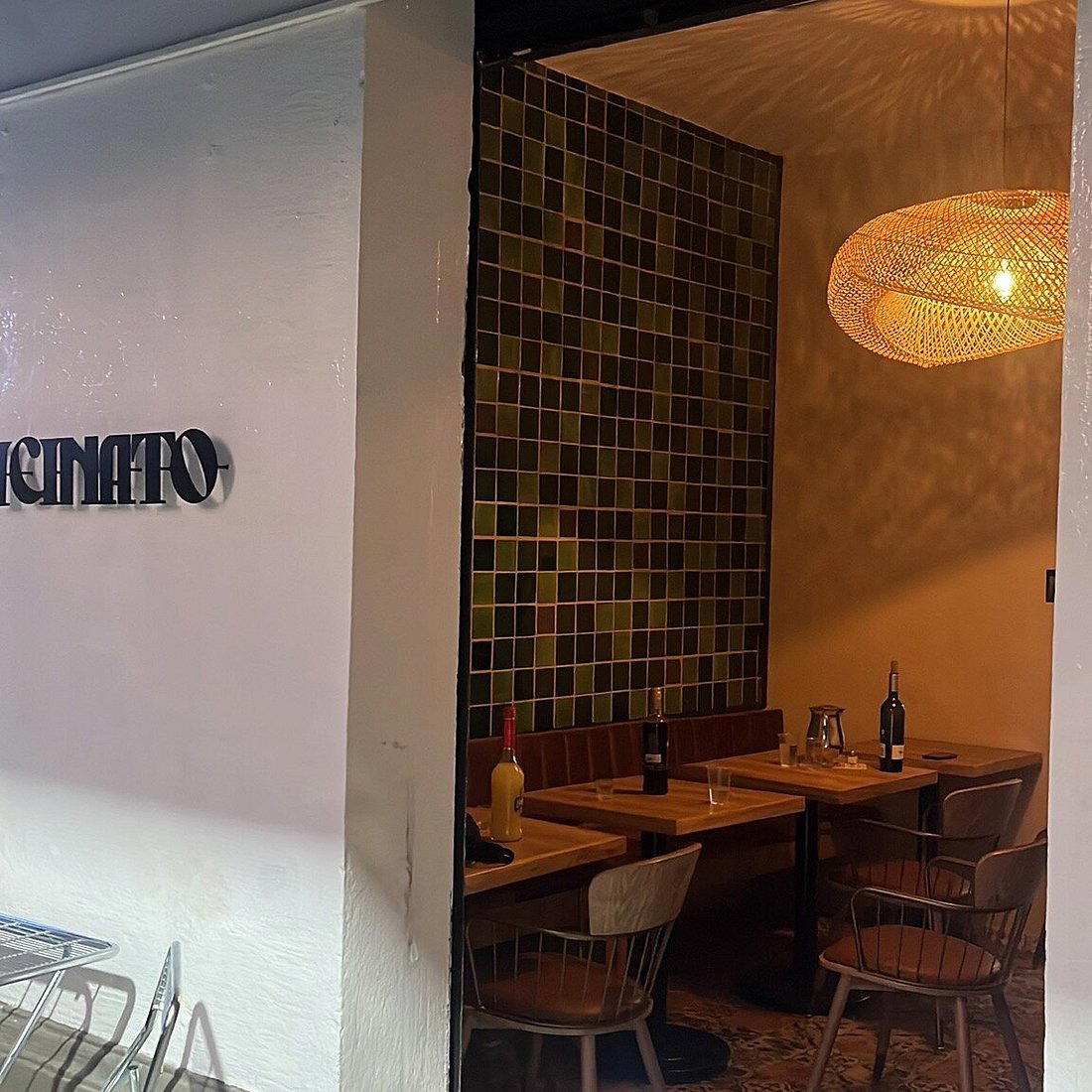
Where Roma Norte Meets the Italian Neighbourhood Table
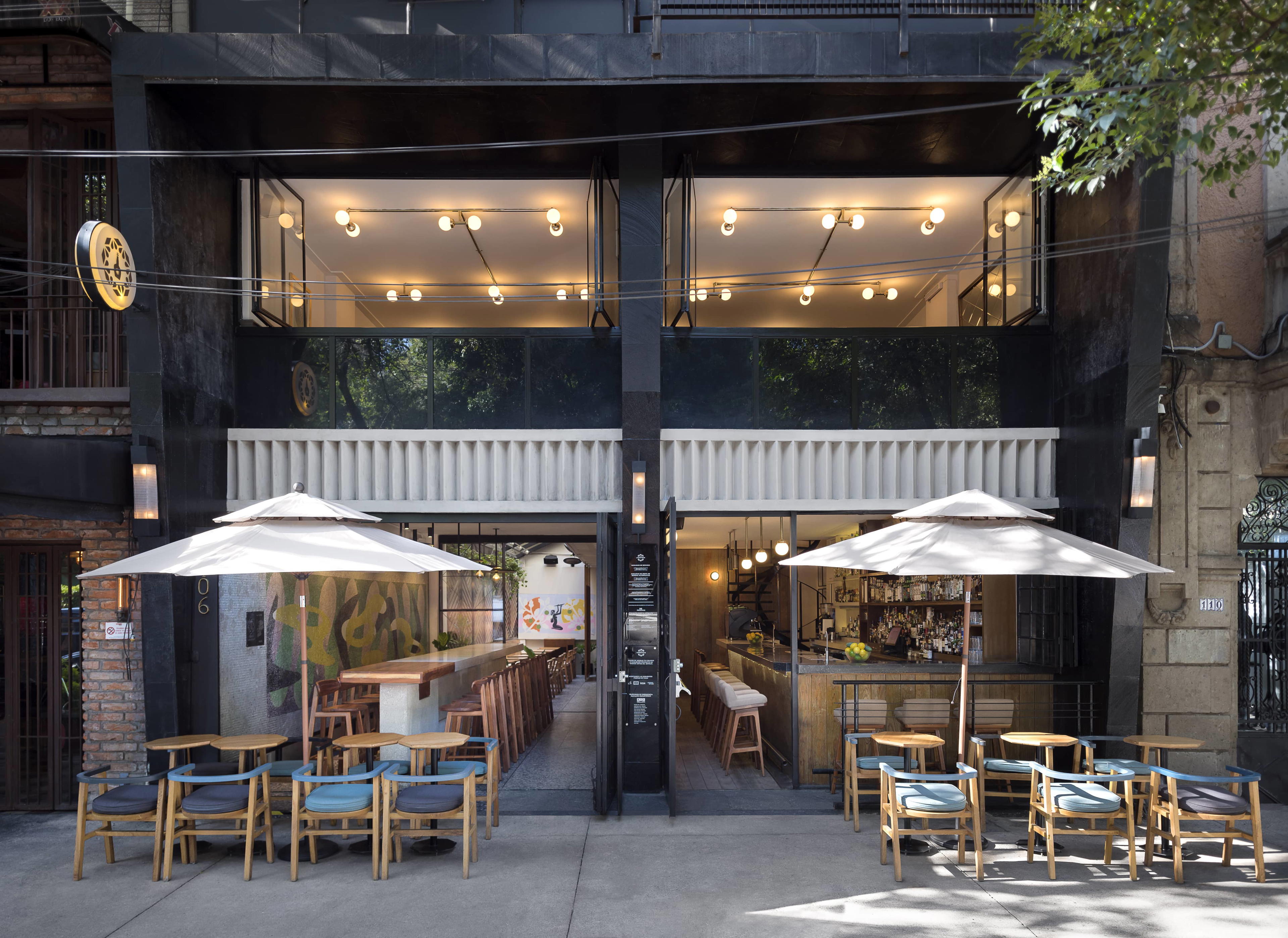
Calle Córdoba runs through Roma Norte with the particular confidence of a street that knows its own value. The neighbourhood has matured over the past decade from creative-class enclave into one of Latin America's more concentrated dining districts, where the distance between a tortillería and a natural wine bar can be measured in steps. It is in this context that Vicinato occupies its address at Córdoba 234 — the name itself translates from Italian as "neighbourhood" or "vicinity," a signal about proximity and belonging that the restaurant makes legible in its approach to the table.
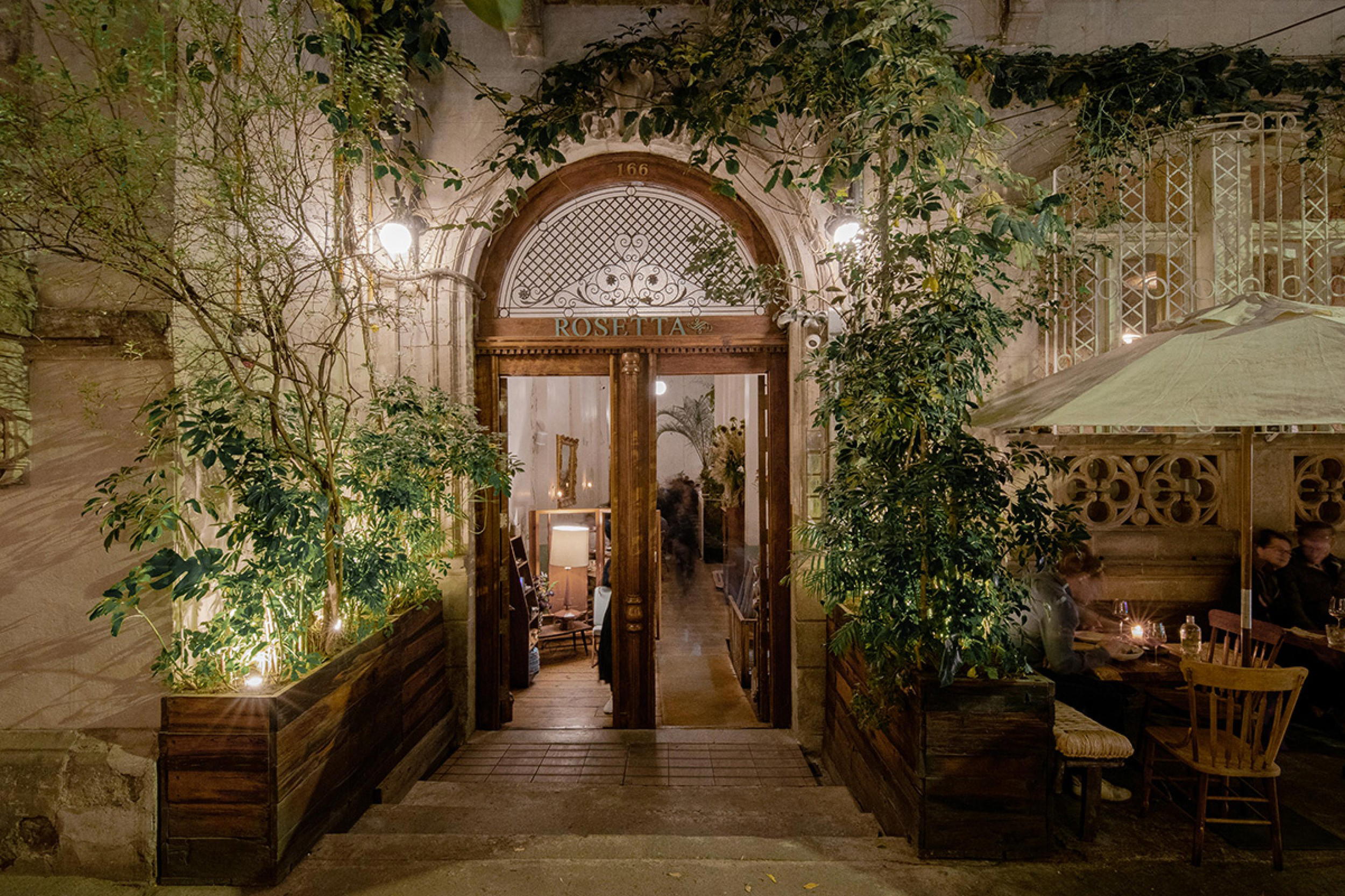
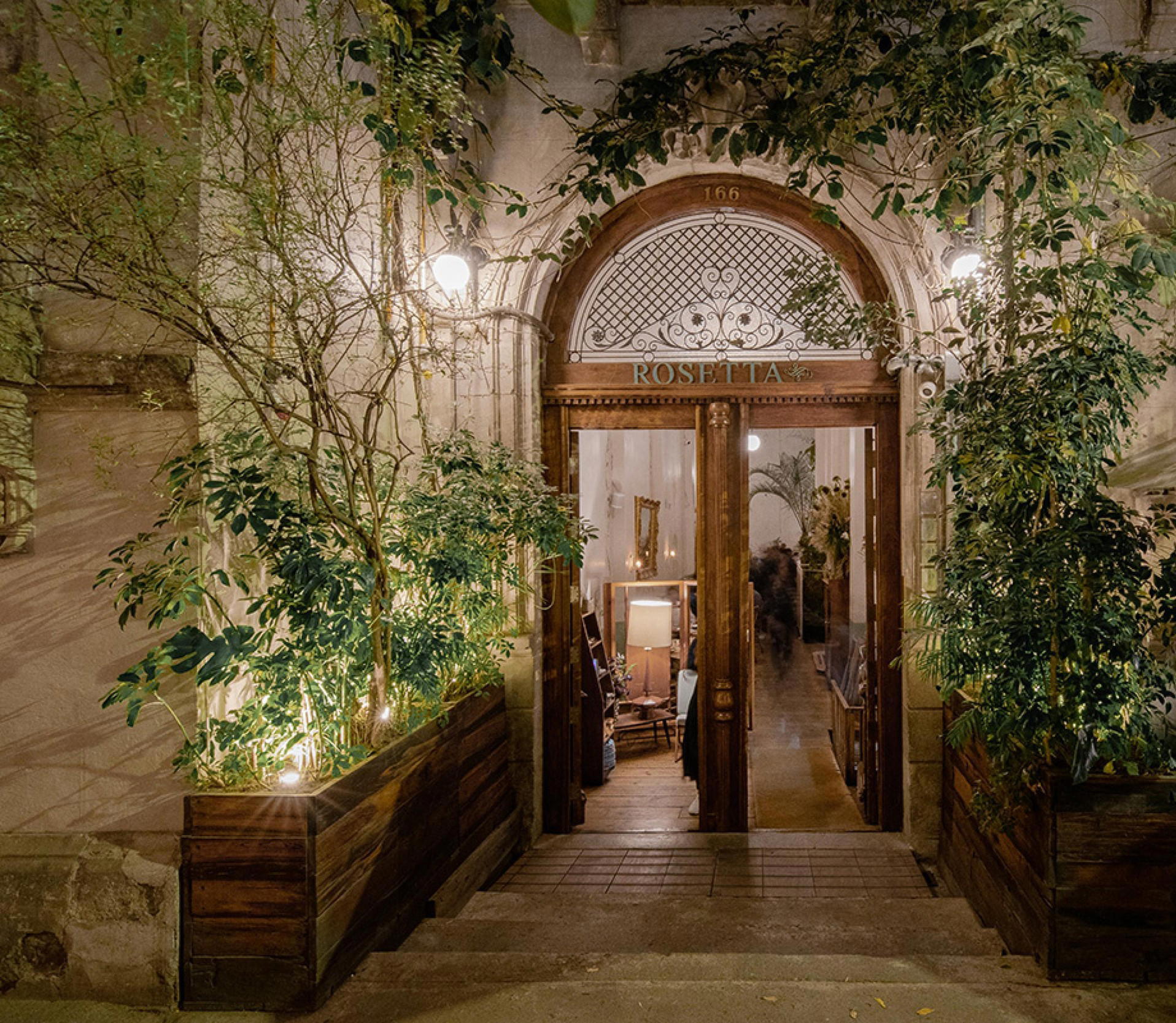
Roma Norte's dining character is shaped by the same forces driving conversations about sourcing and food systems across Mexico's serious restaurant tier. Venues like Rosetta established a template for Italian-inflected cooking that draws on Mexican ingredients without making a spectacle of the translation, and the neighbourhood has attracted a cohort of restaurants that share a similar disposition: ingredient-first, format-led, resistant to the kind of theatrical production that plays better in Polanco than on a tree-lined Roma street. Vicinato operates in that tradition, where the room's appeal is inseparable from what it implies about the cooking philosophy behind it.
The Sustainability Logic Behind Neighbourhood Dining in Mexico City
Mexico City's position as a centre of conversation around ethical sourcing is well-established at the upper tier. Pujol and Quintonil have each built documented relationships with small-scale Mexican producers, and that sourcing orientation has filtered down through the city's restaurant ecosystem, creating a broader expectation that serious dining in Mexico City arrives with some account of where the food came from. The neighbourhood restaurant format, historically, is where this kind of commitment becomes most legible — smaller kitchens, shorter supply chains, menus that change in response to what is available rather than what a concept demands.
Across Mexico, this model appears at venues working in different regional registers. Animalón in Valle de Guadalupe and Olivea Farm to Table in Ensenada operate in wine country where proximity to agriculture makes the sourcing story almost automatic. In Oaxaca, Levadura de Olla anchors its menu in fermentation traditions that are themselves a form of zero-waste thinking. In Monterrey, KOLI Cocina de Origen has built a reputation around Nuevo León ingredients treated with rigour. What Vicinato contributes to this national conversation is a specifically urban version of the argument, that ethical sourcing is not a rural or regional phenomenon but a choice available to a city restaurant on a Roma Norte side street, provided the kitchen is willing to do the work that entails.
The Italian neighbourhood restaurant tradition, which Vicinato's name explicitly invokes, carries its own sustainability logic. The trattoria format, at its most functional, is built around seasonal availability, minimal waste across a short menu, and relationships with a handful of trusted suppliers rather than a sprawling ingredient list. When that format is translated into a Mexico City context, it intersects with the country's own tradition of market-driven cooking, where the mercado sets the day's agenda. The result, at its finest, is a kitchen that spends less time engineering a consistent experience across all seasons and more time responding to what the city's supply networks actually offer in a given week.
Placing Vicinato in Roma Norte's Competitive Frame
The Roma Norte dining tier covers considerable range. At the accessible end, neighbourhood fondas and taqueries operate on volume and daily turnover. At the upper end, Em represents the kind of ambitious tasting-menu format that positions Roma as a credible alternative to Polanco for serious dining. Vicinato sits in a middle register that the neighbourhood has always done well: considered, mid-formal, designed for repeat visits rather than special occasions. Rosetta, which has anchored the Italian conversation in Roma Norte for years, occupies a similar tier, and the presence of multiple credible Italian-influenced venues in the same neighbourhood reflects how thoroughly that culinary tradition has been absorbed into Mexico City's dining identity.
Nationally, the conversation about thoughtful sourcing in restaurant cooking is distributed across a range of formats and regions. Alcalde in Guadalajara, Huniik in Merida, and Lunario in El Porvenir each work with regional ingredient narratives that are specific to their geographies. Mexico City venues like Vicinato make a different kind of argument: that the capital, despite its scale and its distance from agricultural production, can sustain a restaurant culture grounded in relationships with producers rather than purely in convenience purchasing. That argument requires ongoing commitment, and the neighbourhood restaurant format, where the fixed costs are lower and the dependence on high covers and maximum throughput is reduced, is better positioned to make it than a high-volume operation with a fixed menu structure.
For comparison, internationally scaled tasting programs such as Le Bernardin in New York City or progression-led counters like Atomix operate under entirely different constraints, where consistency across hundreds of covers per week requires supply chains that often preclude the kind of week-to-week sourcing flexibility a smaller Roma Norte kitchen can exercise. The comparison is not about prestige but about format logic: smaller scale enables a different relationship with ingredients, and Vicinato's position in Roma Norte makes that relationship structurally possible in a way it would not be at a different scale or in a different neighbourhood.
Across the coast, venues like HA' in Playa del Carmen, Le Chique in Puerto Morelos, and Pangea in San Pedro Garza Garcia each approach the sourcing question from different regional positions. Vicinato's answer is Roma Norte's answer: urban, Italian-inflected, neighbourhood-scaled, and built on the premise that a city restaurant can be as deliberate about its ingredients as a rural one, provided the kitchen commits to the operational demands that entails. Sud 777 has made a similar argument in another part of the city for years, suggesting that this kind of sourcing commitment is not confined to a single neighbourhood or a single culinary tradition within Mexico City's range. For a broader view of where Vicinato fits within the capital's dining geography, see our full Mexico City restaurants guide.
Know Before You Go
- Address: Córdoba 234, Roma Nte. Cuauhtémoc, 06700 Ciudad de México, CDMX, Mexico
- Neighbourhood: Roma Norte, one of Mexico City's primary dining districts, walkable from Álvaro Obregón and well-served by Metro Insurgentes
- Booking: Contact details are not publicly listed at time of writing; walk-in availability is worth attempting on weekday evenings when Roma Norte's mid-week covers run lower than weekends
- Timing: Roma Norte at weekend lunch fills earlier than most visitors expect; arriving before 2pm on Saturday or Sunday gives more flexibility
- Price context: Comparable neighbourhood restaurants on Córdoba and surrounding streets in Roma Norte typically fall in the mid-range bracket (roughly equivalent to Rosetta's $$ positioning), though Vicinato's current pricing structure is not publicly confirmed
How Vicinato Mexico City compares with similar nearby venues.
| Venue | Cuisine | Price |
|---|---|---|
| Tacos Los Alexis | Mexican | $ |
| Pargot | Mexican | $$ |
Continue exploring
More in Mexico City
Restaurants in Mexico City
Browse all →
Bars in Mexico City
Browse all →




At a Glance
- Cozy
- Intimate
- Romantic
- Date Night
- Brunch
Current opening hours
- Monday
- 2–10 PM
- Tuesday
- 2–10 PM
- Wednesday
- 2–10 PM
- Thursday
- 2–10 PM
- Friday
- 2–11 PM
- Saturday
- 2–11 PM
- Sunday
- 1–8 PM
Hours can change for holidays and private events. Last verified .
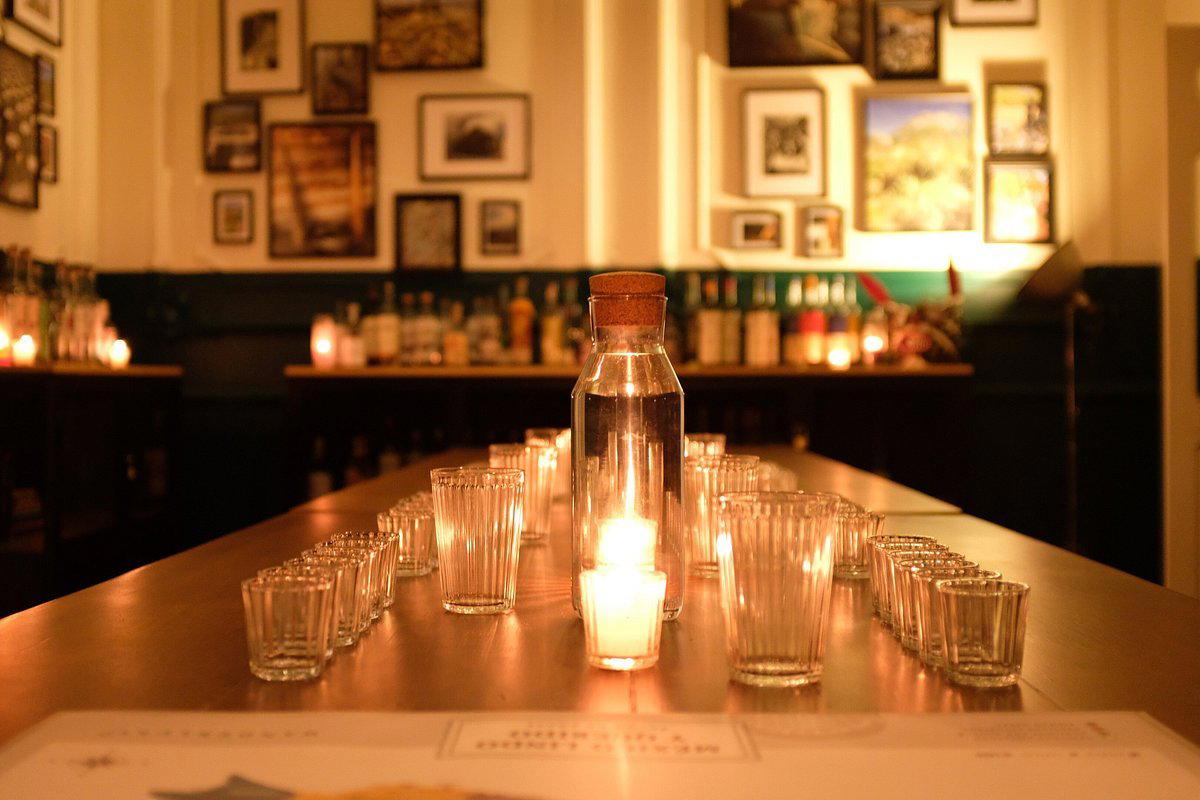
Acogedor neighborhood Italian atmosphere that transports guests to an Italian barrio with cozy and intimate lighting.
Know Before You Go
- Getting there
- Córdoba 234, Roma Nte., Cuauhtémoc, 06700 Ciudad de México, CDMX, Mexico