Liona
Liona operates on Colonia Juárez's Abraham González, a street that has quietly absorbed some of Mexico City's more considered mid-range dining over the past decade. The kitchen works at the intersection of indigenous Mexican ingredients and technique drawn from outside the region, a combination that has become the defining argument of the capital's current restaurant generation. It sits in the same conversation as Em and Rosetta without occupying the same price tier as Pujol or Quintonil.
- Address
- Abraham González 93, Juárez, Cuauhtémoc, 06600 Juárez, CDMX, Mexico
- Phone
- +525636551528
- Website
- liona.pizza
- Directions
- Get directions
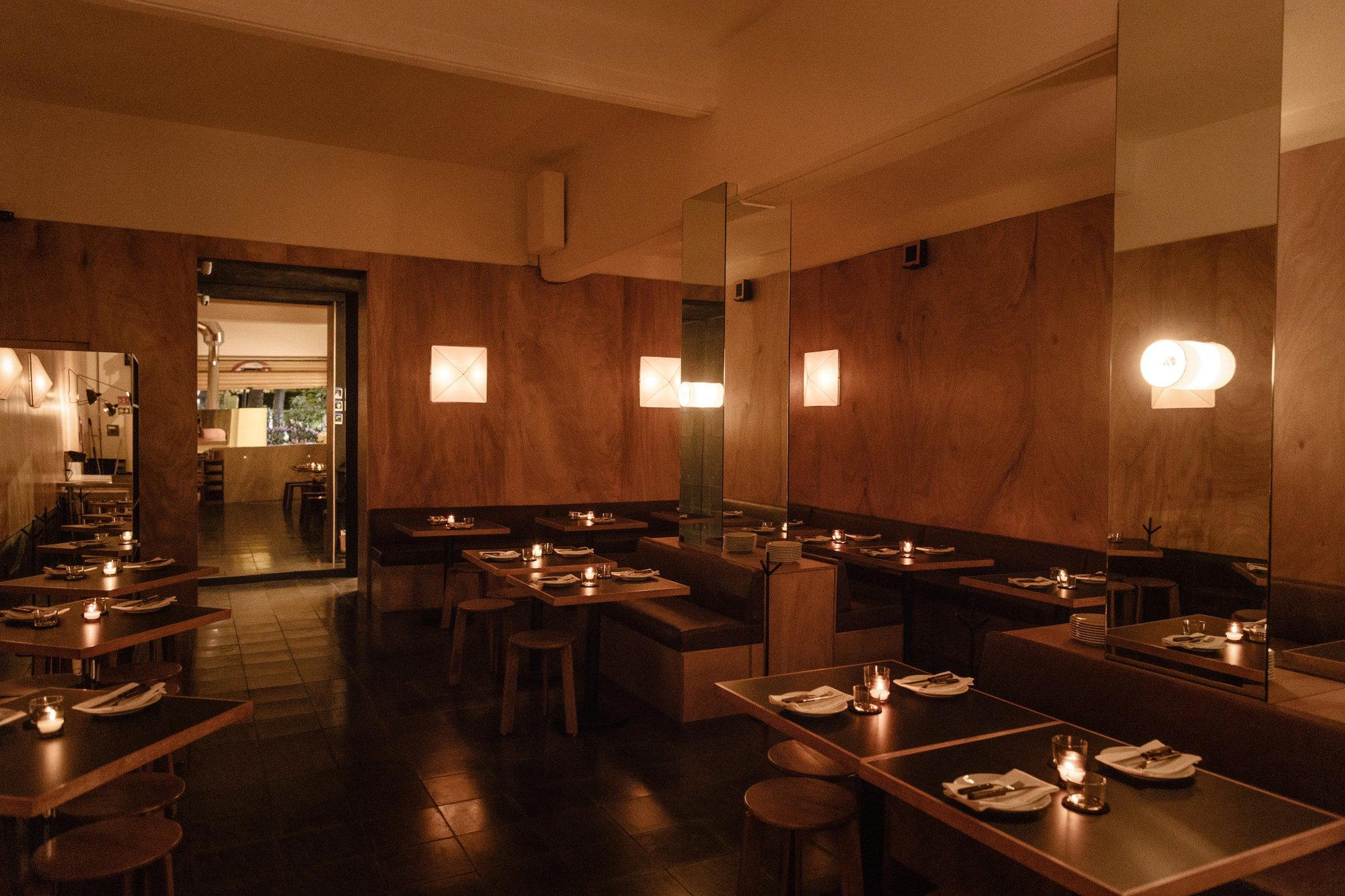
Colonia Juárez and the Grammar of the Neighbourhood
Abraham González 93 sits in Colonia Juárez, one of the few neighbourhoods in Mexico City where the early-twentieth-century residential stock has been absorbed into a dense, walkable dining circuit without the self-conscious curation that tends to follow in Polanco or Roma Norte. The street itself runs between Paseo de la Reforma and Avenida Chapultepec, which means it draws foot traffic from the financial corridor and the park axis simultaneously, a positioning that rewards restaurants willing to work across lunch and dinner crowds rather than catering exclusively to either. Liona occupies that address, and the building's register places it in a low-key commercial-residential strip where the dining proposition has to speak before the room does.
The Technique-and-Territory Argument
Mexico City's most consequential restaurant debate of the past fifteen years has not been about which kitchen serves the country's leading mole. It has been about what happens when classical European and Japanese training is applied to ingredients that predate colonial contact, heirloom corn varieties from Oaxaca, wild chiles from the Sierra Madre, quelites gathered from milpa fields, and achiote paste from the Yucatán lowlands. Pujol made this tension commercially legible at the summit of the market. Quintonil deepened it with a focus on native plants and vegetables. The generation that followed those two has had to find its own answer to the same question: how much technique is too much, and when does imported method begin to obscure rather than amplify the ingredient?
Liona sits within that debate. The kitchen's position on Abraham González, in a neighbourhood that does not carry the prestige freight of Polanco, suggests an operation making a deliberate argument about accessibility and register rather than one simply priced out of a more expensive postcode. In that sense, it shares a positioning logic with Rosetta, which has operated in the mid-market tier of Mexico City's creative dining scene with a focus on local fermentation and ingredient sourcing that informs a European-trained sensibility. The question Liona appears to be engaging is similar: how does a kitchen in the capital use technique as a clarifying tool rather than a decorative one?
Indigenous Ingredients as Editorial Argument
The broader shift in Mexico's serious restaurant culture, visible from Levadura de Olla in Oaxaca to Huniik in Mérida to KOLI Cocina de Origen in Monterrey, has been a move toward cooking that treats the ingredient as primary document rather than raw material to be processed into European idiom. That shift is not uniform, and its execution varies sharply by region and kitchen. In the capital, restaurants operating at the intersection of local sourcing and imported technique tend to differentiate themselves through the specificity of their ingredient claims: which corn variety, from which producer, prepared with which method from which tradition. Kitchens that stay general tend to flatten the argument; those that go granular tend to hold the editorial position more convincingly.
This pattern appears across Mexico's more serious regional operations. Animalón in Valle de Guadalupe works this way through the lens of the Baja terroir. Lunario in El Porvenir does so through wine-country produce logic. Olivea in Ensenada extends the argument to the Pacific coast. What connects them is less a shared style than a shared methodology: the ingredient's provenance is the story, and technique is the medium through which that story is made legible on the plate. Liona's position in Colonia Juárez places it within the capital's version of this conversation, a conversation that has grown considerably more crowded and specific since Em and Sud 777 established their respective approaches to the same material.
The Mexico City Context for Global-Technique Kitchens
It is worth understanding why Mexico City has become one of the more productive proving grounds for this particular intersection of local ingredients and global method. The city has a professional kitchen infrastructure, culinary schools, supplier networks for imported equipment and non-native proteins, and a deep pool of cooks who have staged in Europe or the United States. That infrastructure makes it possible to work with French reduction technique, Japanese knife discipline, or the fermentation logic associated with Nordic kitchens while sourcing ingredients that are genuinely indigenous to Mexican agriculture. The same combination is harder to sustain in markets without that depth of supply and trained labour.
For comparison, Le Chique in Puerto Morelos has demonstrated how far that technique-territory combination can be pushed in a coastal context, and HA' in Playa del Carmen works the Mayan ingredient canon through a high-technique lens. In the capital, the version of that argument runs through kitchens that are more densely competitive and more closely watched by a dining public that has been eating in this register for two decades. That scrutiny tends to accelerate the development of kitchens willing to engage with it seriously. At the global level, the technique-territory model has been proven in places as different as Le Bernardin in New York, where French classical technique meets the specificity of a single protein category, and Atomix in New York, which has built a case for Korean ingredients processed through a fine-dining technical vocabulary. Liona's local comparable set includes those Mexican kitchens making the same argument at different price points and with different regional reference materials. Alcalde in Guadalajara and Pangea in San Pedro Garza García represent provincial versions of the same ambition, each calibrated to a different regional ingredient base.
Planning a Visit
Liona is located at Abraham González 93, in Colonia Juárez, one of the more centrally accessible neighbourhoods in Mexico City's inner core. The address places it within walking distance of Reforma and a short taxi or metro ride from Roma Norte and Condesa. Given the neighbourhood's density of mid-range dining, it is sensible to plan the evening in the area rather than committing to a single reservation.
Where the Accolades Land
Comparable venues nearby, for context on price, style, and recognition.
| Venue | Cuisine | Price | Notes |
|---|---|---|---|
| LionaThis venue — the venue you are viewing | Modern Italian Pizza | $$ | Not listed |
| Italianni's | Classic Italian Pasta & Pizza | $$ | Escandon |
| Cancino Pedregal | Italian Pizzeria | $$ | Pedregal de San Jeronimo |
| San Giorgio | Authentic Neapolitan Pizza | $$ | Roma sur |
| Enrico Caruso | Classic Italian Ristorante | $$$ | San Mateo |
| ISMO | Italo-Swiss Bistro | $$$ | Roma Norte |
Continue exploring
More in Mexico City
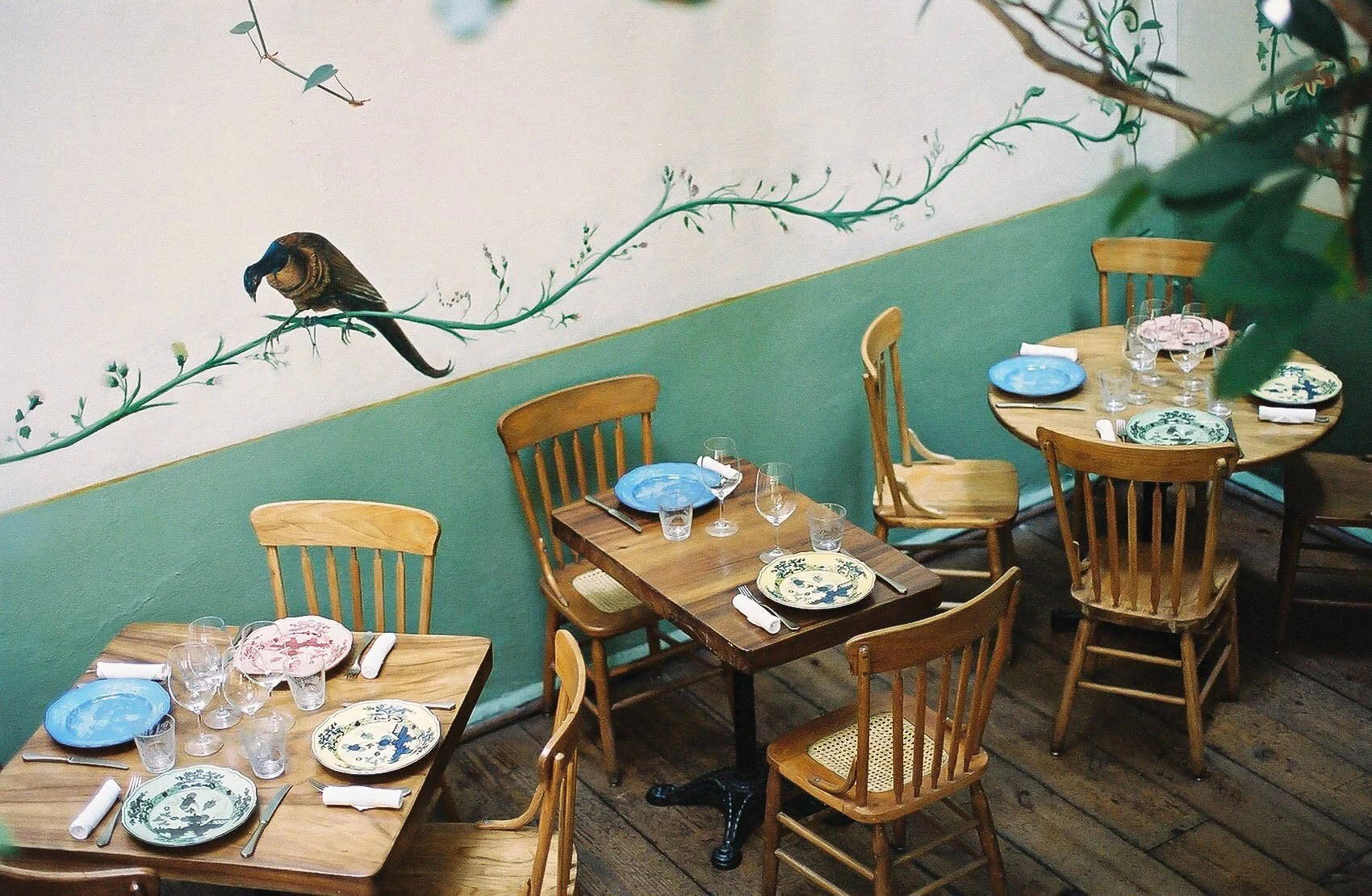
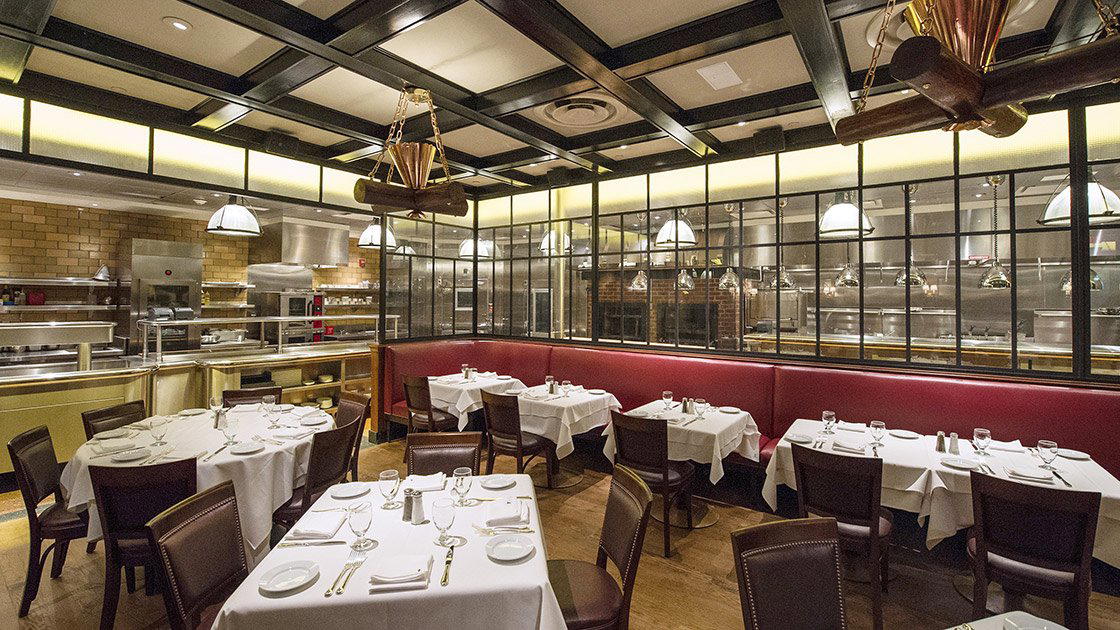
Restaurants in Mexico City
Browse all →
Bars in Mexico City
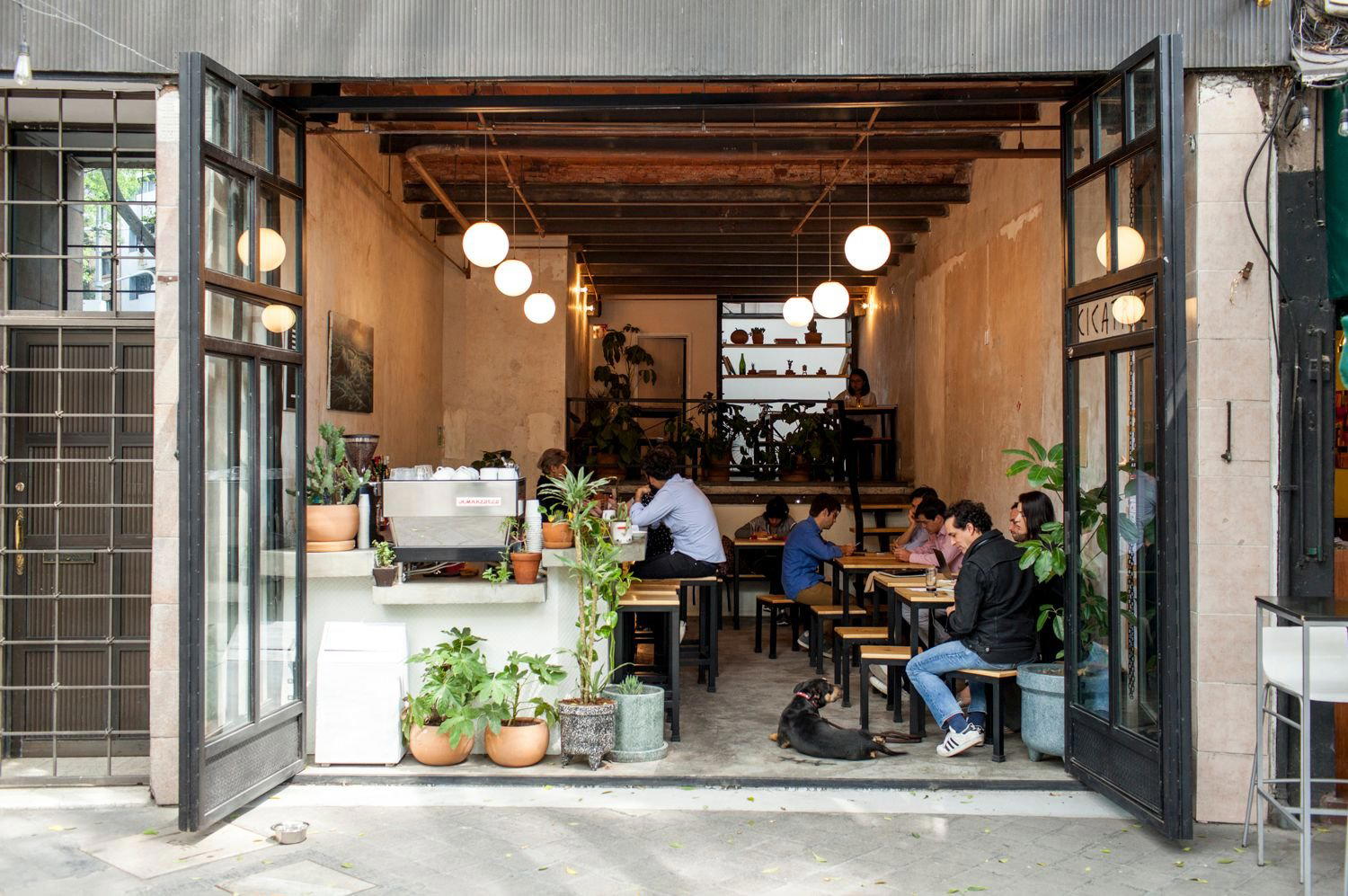
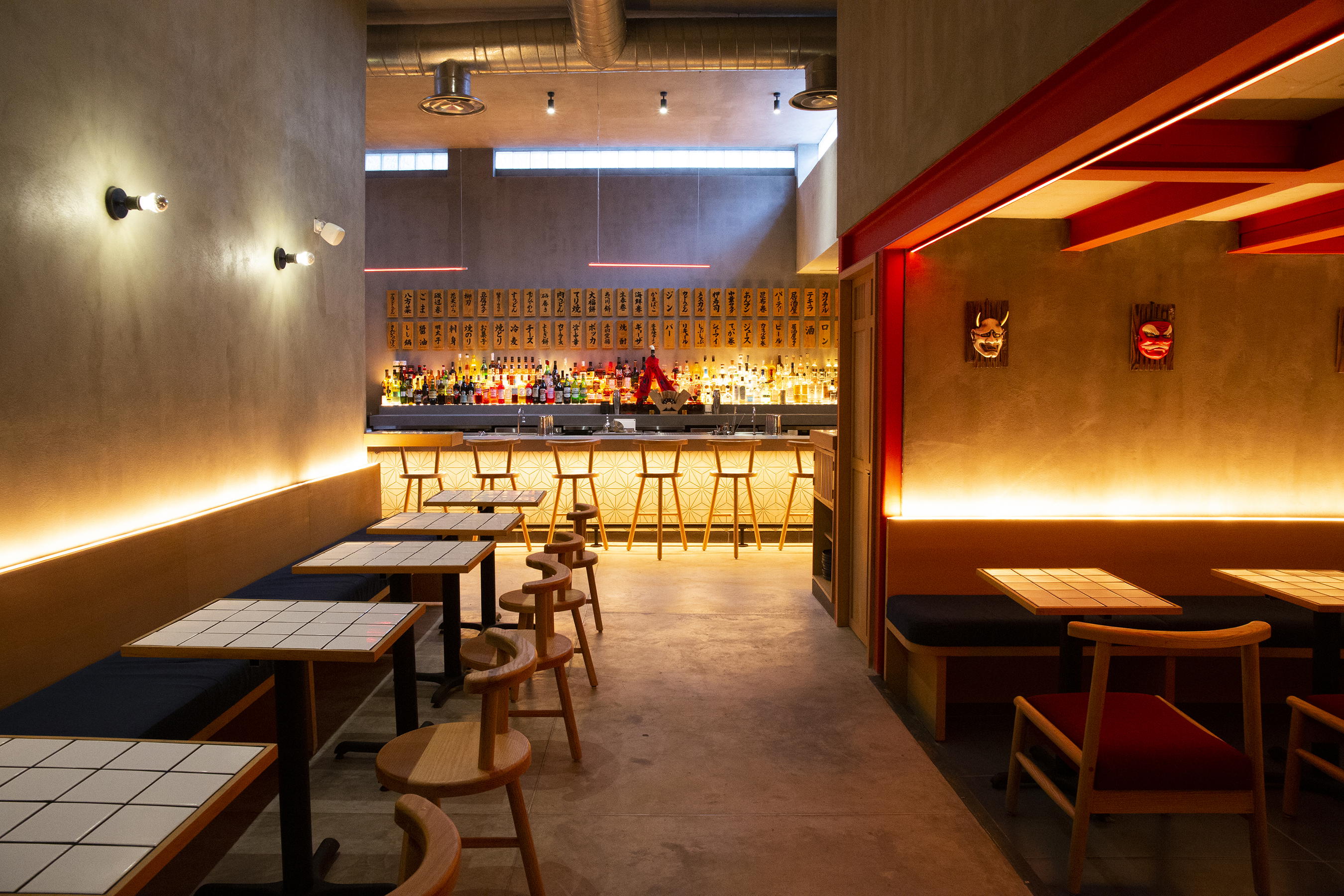
Browse all →


At a Glance
- Modern
- Trendy
- Date Night
- Casual Hangout
- Design Destination
- Craft Cocktails
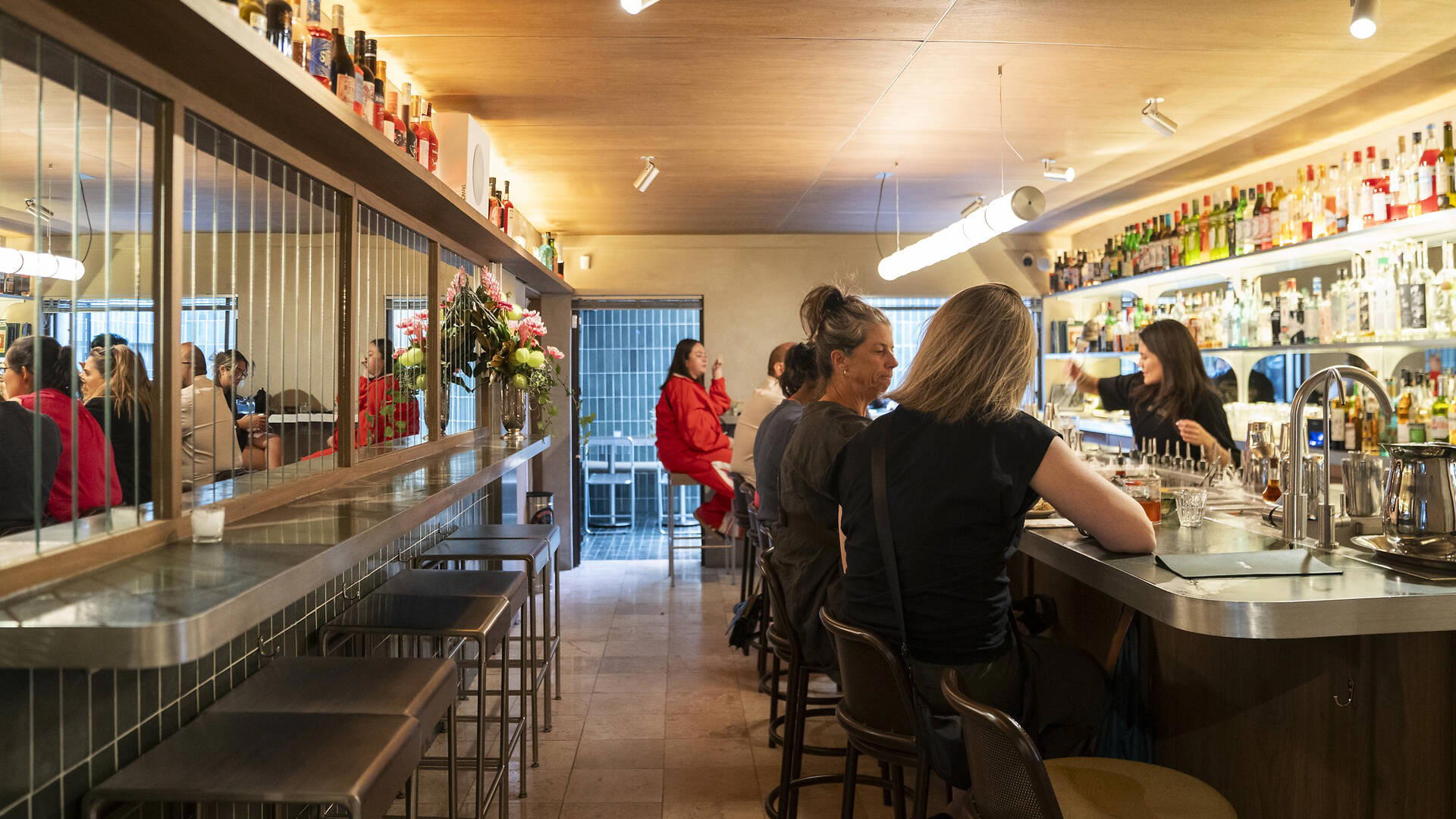
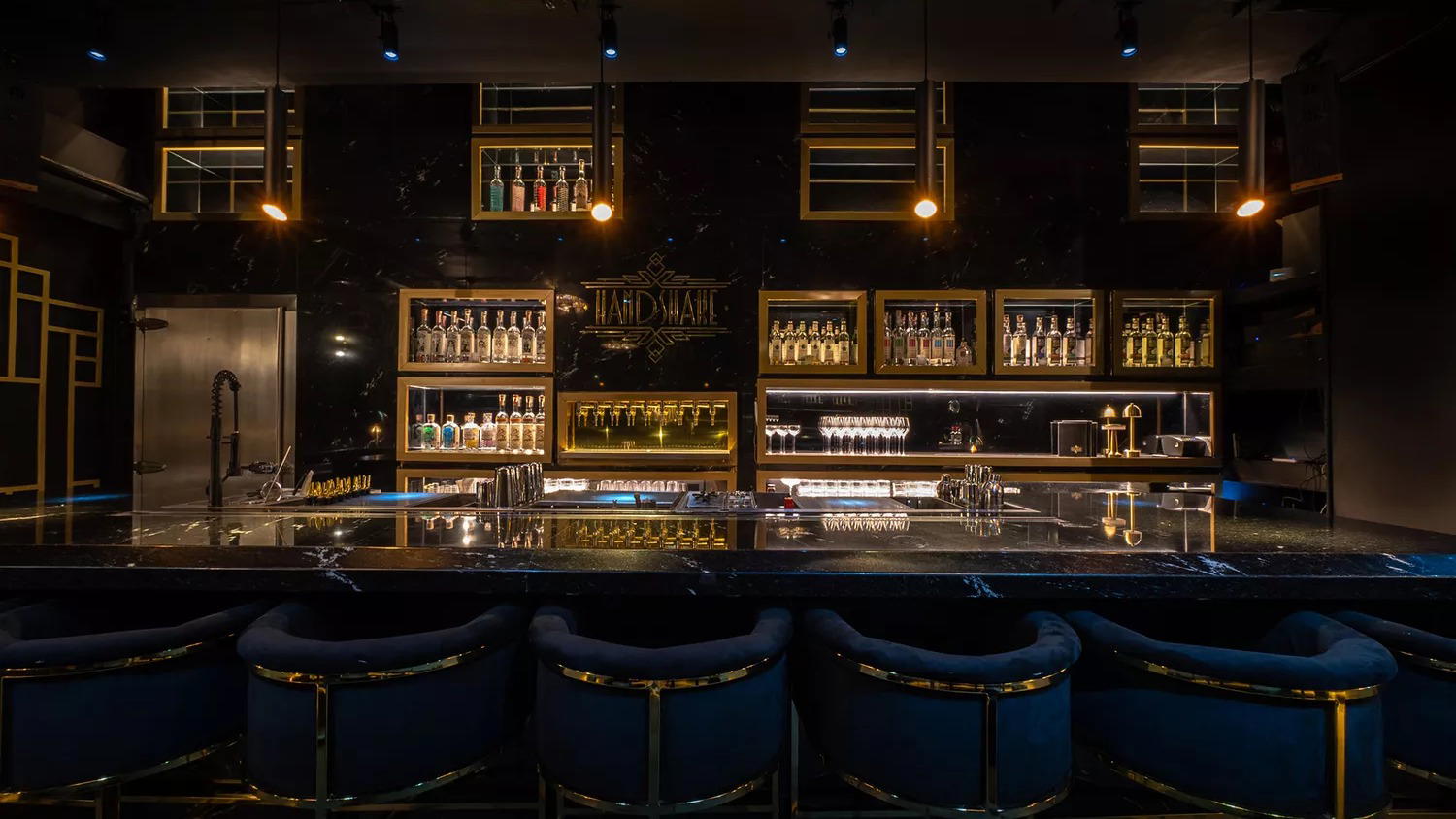
Bistro-like with a modern, intimate atmosphere focused on inventive pizzas.