Our verdict
大心新泰式麵食 Very Thai Noodles operates out of the basement food hall at Breeze Nanjing in central Taipei, bringing Thai noodle formats into a fast-casual setting shaped by the demands of a high-traffic mall environment. The kitchen works within a narrow category, Thai noodle dishes executed consistently at volume, placing it in a different register from Taipei's fine-dining Thai options but serving a distinct and regular audience.

Pearl is the En Primeur Club membership app, where members save venues, book tables and use the concierge.

Thai Noodles in a Mall Basement: What the Format Actually Tells You
Taipei's basement food halls are a distinct dining category. At Breeze Nanjing, the B2 level functions as a curated collection of fast-casual and specialty food concepts, drawing office workers, shoppers, and commuters looking for something more considered than a chain but faster than a sit-down restaurant. 大心新泰式麵食 Very Thai Noodles operates inside that context, occupying a slot that the city has developed considerable appetite for: a focused, repetition-friendly format built around a single cuisine category executed at consistent volume.
Thai noodle cuisine, as a category, sits at an interesting intersection in Taipei's food scene. The city has no shortage of South-east Asian restaurants at various price tiers, from neighbourhood spots serving Thai-Taiwanese hybrid dishes to more formal dining rooms. The basement food hall version trades range for precision: fewer decisions, faster throughput, and a menu disciplined enough that kitchen execution stays reliable across a full lunch service. That format discipline is worth understanding before you arrive, because it shapes everything from how you order to how long you stay.
The Scene at Breeze Nanjing B2
The physical environment at Breeze Nanjing's lower floors is characteristic of Taipei's premium mall basement dining: tiled floors, strip lighting softened by individual concept fit-outs, the ambient noise of a busy food corridor absorbed into the general hum of a functioning city. Approaching the Very Thai Noodles counter, the sensory register is broth and fresh herb, the aromatic signature of Thai noodle cookery, where the stock base does much of the communicative work before anything reaches the table.
This kind of counter-forward, tray-service or self-seat format is common across Taipei's mall food halls, and it positions the venue firmly in the mid-tier fast-casual bracket. The comparison point is not the Michelin-starred Thai or Taiwanese restaurants operating a short distance away in the city's fine-dining tier, venues like Taïrroir or Le Palais, but rather the informal lunch trade that Taipei's commercial district generates daily. Logy, L'Atelier de Joël Robuchon, and Molino de Urdániz occupy a different tier entirely, built around extended dining experiences and advance reservations. Very Thai Noodles is solving a different problem: a reliable, fast, flavour-forward lunch in a convenient location.
Sourcing, Format, and the Question of Sustainability at Scale
The sustainability conversation in Taipei's food hall sector tends to surface at the institutional level rather than at individual concept level, because the economics of high-volume fast-casual cooking create real tension with ethical sourcing and waste reduction. That tension is worth naming, because it applies as much to Thai noodle concepts as it does to any other format operating at mall-basement throughput.
Thai noodle cuisine carries inherent structural advantages from a sustainability standpoint. The broth-and-noodle format traditionally makes use of secondary cuts and whole-animal parts for stock, reducing waste by design rather than by policy. Fresh herb garnishes, when sourced locally, add a lower food-mile footprint than the imported proteins common to higher-end menus. Taiwan's proximity to South-east Asian agricultural supply chains also shortens import distances for key aromatics, including lemongrass, galangal, and Thai basil, compared to Thai restaurants operating in, say, northern Europe or North America.
Whether Very Thai Noodles actively formalises these structural advantages into a documented sourcing policy is not information available in the public record. What can be said is that the format itself, when operated with attention to prep discipline and waste management, sits more lightly than many alternatives in the same price tier. The real sustainability test for any high-volume food hall concept is consistency of practice across service shifts, not the aspirational language on a menu board.
For a sense of how Taipei's broader food community handles these questions at a more premium level, venues like JL Studio in Taichung and GEN in Kaohsiung offer useful reference points, as does A Xia in Tainan, where ingredient provenance carries more explicit editorial weight. The contrast illustrates something useful about Taiwan's food culture: the conversation about ethical sourcing is active, but it tends to happen at the upper end of the market first.
Planning Your Visit
Breeze Nanjing sits in central Taipei, accessible from the Nanjing Fuxing MRT station, which puts it within a short walk of the commercial and office district that drives its lunch trade. The B2 level is open during mall hours, making early lunch or a late afternoon visit a practical way to avoid the midday rush that builds from roughly noon to 1:30pm on weekdays. No reservation infrastructure is typical for food hall concepts of this format, so timing your visit around off-peak hours is the primary logistical lever available. Dress code is non-existent in any formal sense; this is a casual environment by design.
For a broader picture of where Very Thai Noodles sits within Taipei's dining ecosystem, our full Taipei restaurants guide maps the city's food culture across price tiers and neighbourhoods. Elsewhere in the Greater Taipei area, options like GARDENh in Yonghe District and venues in Sanchong District illustrate how the city's food culture extends well beyond the central commercial core. Further afield in Taiwan, Volcanic Rock in Zhubei City, Chenggong Douhua in Chenggong, and venues in Taichung City show how the island's food identity diversifies with geography.
Frequently asked questions
What do regulars order at 大心新泰式麵食 Very Thai Noodles?
Do I need a reservation at 大心新泰式麵食 Very Thai Noodles?
How does Very Thai Noodles fit into Taipei's South-east Asian food hall scene, and is it different from other Thai concepts in the city?
Booking and Cost Snapshot
A quick peer list to put this venue’s basics in context.
| Venue | Cuisine | Price | Awards | Notes |
|---|---|---|---|---|
| 大心新泰式麵食 Very Thai NoodlesThis venue (the venue you are viewing) | 新泰式麵食 | $10–20 | Not listed | Not listed |
| logy | Modern Japanese-Taiwanese Fusion Omakase | $100–150 | 2 Michelin Stars · World's 50 Best #22 | Modern European, Asian Contemporary |
| Le Palais | Fine Dining Cantonese | $150–200 | 3 Michelin Stars · La Liste Top Restaurants | Cantonese |
| Taïrroir | Taiwanese-French Fusion Fine Dining | $150–200 | 3 Michelin Stars · La Liste Top Restaurants | Taiwanese/French, Taiwanese contemporary |
| Mudan Tempura | Michelin-Starred Tempura | Not listed | 2 Michelin Stars · La Liste Top Restaurants | Tempura |
| Golden Formosa | Traditional Taiwanese | $20–30 | 1 Michelin Star | Taiwanese |
Continue exploring
More in Taipei
Restaurants in Taipei
All restaurants in Taipei →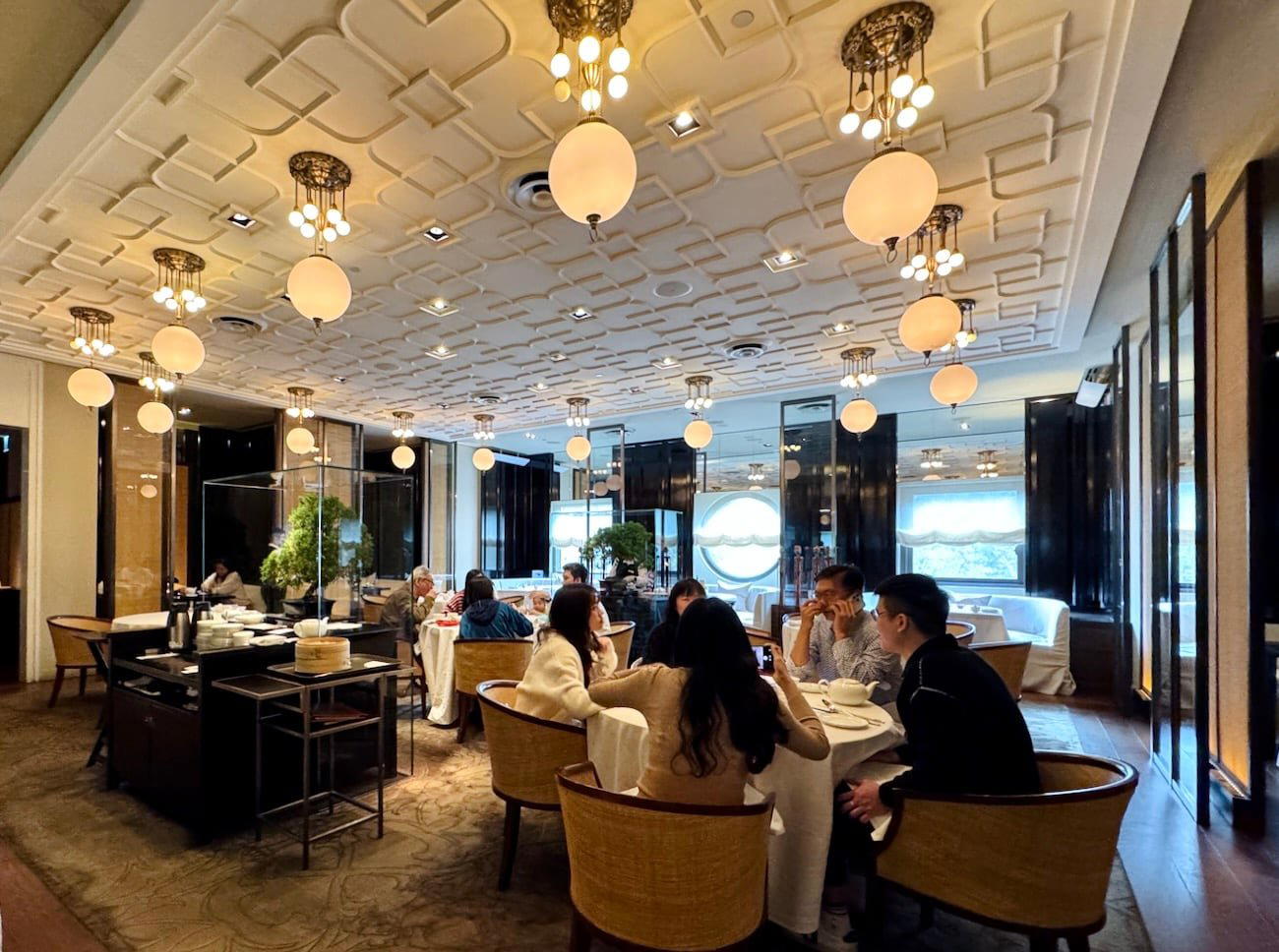
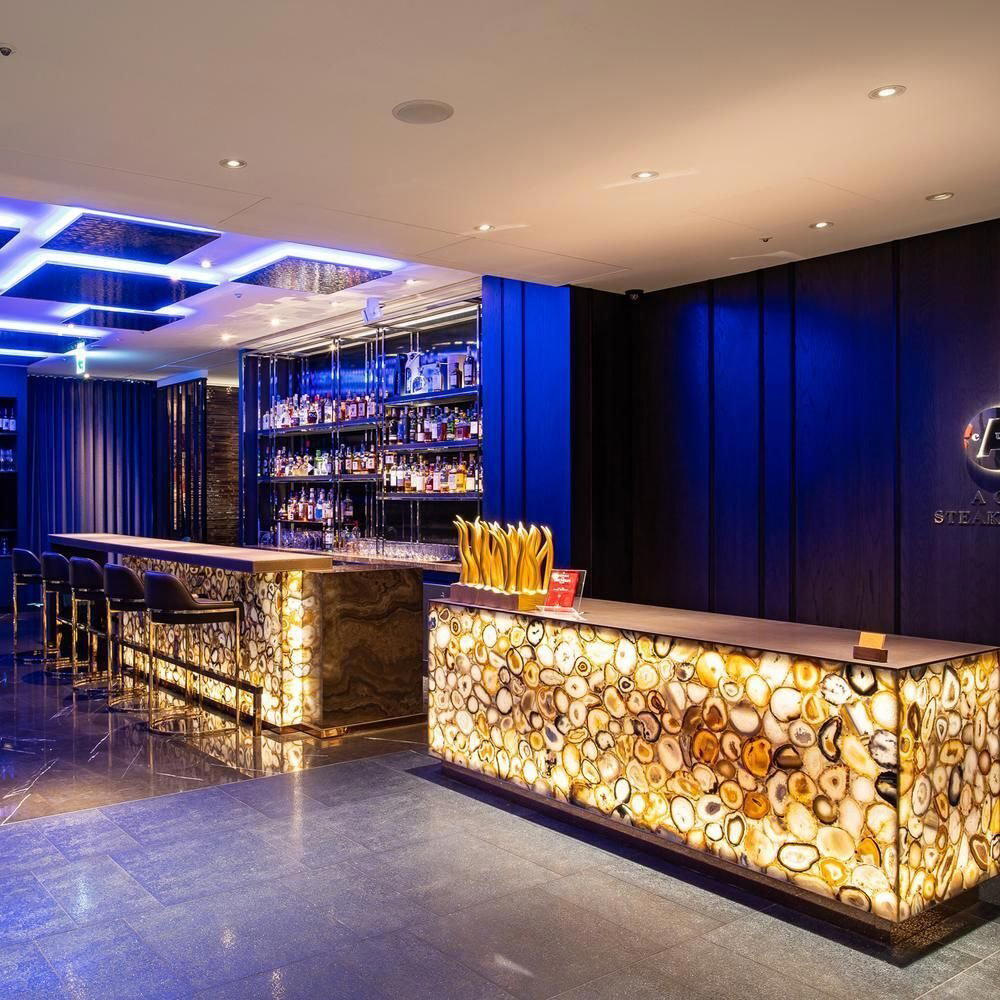
Bars in Taipei
All bars in Taipei →
Hotels in Taipei
All hotels in Taipei →
Wineries in Taipei
Browse all →
Details
- Lively
- Trendy
- Casual Hangout
- Open Kitchen
- A La Carte
現代工業風裝潢,全紅色系設計,充滿泰式香料氛圍