
Tabelog 100
Our verdict
Verde sits in Tokyo’s kissaten tradition rather than the city’s high-concept cafe wave: compact, counter-led, and shaped for a short, focused stop. Its Tabelog 100 Kissaten selections in 2021 and 2022 place it among Japan’s documented coffee-shop specialists, with the appeal lying in restraint, sequencing, and the old rhythm of coffee, cake, and pause.

Pearl is the En Primeur Club membership app — saves, bookings, and concierge access live there. Same editors, same standards.
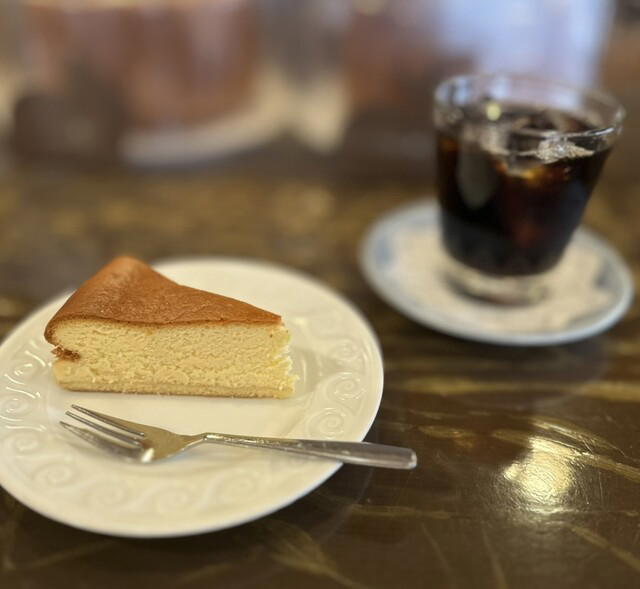
Tokyo changes texture quickly: fashion retail, backstreets, station traffic, then the quieter cadence of a Japanese coffee shop. Here, Verde belongs to a Tokyo category never fully surrendered to espresso bars or laptop cafes. The kissaten remains disciplined: sit, order with intent, keep the table moving, and let coffee and cake carry a brief narrative rather than fade into background noise.
That matters in a city where cafe culture splits into camps: design novelty, patisserie, or workspaces with drinks attached. The kissaten is narrower and more demanding, asking less from the room and more from timing, temperature, service rhythm, and a guest’s willingness to treat a short visit as a complete sitting. Verde’s inclusion in Tabelog 100 Kissaten in 2022 is meaningful because the recognition is category-specific, not a generic cafe accolade.
A kissaten visit built as a short sequence, not an open-ended cafe stay
The useful way to read Verde is through progression. A meal-length arc is not the point; the format is closer to a compressed tasting. Coffee sets the frame, cake or a cafe item shapes the middle, and the room keeps the experience direct. Tokyo’s older coffee-shop culture has long prized this order. The guest is not grazing through a large menu or stretching the afternoon into remote work; the pleasure is a contained stop with a clear beginning and end.
Verde works within that compact grammar. The setting makes format part of the experience: solo use, brief conversation, and close attention all suit the kissaten rhythm better than lingering group meals. That structure explains why kissaten specialists can feel more serious than their modest price band suggests. They are judged less by luxury cues than by consistency and restraint.
In Tokyo, that restraint plays differently from heavier dining plans. The city’s dining culture is broad, with casual counters, wine-led restaurants, grilled-meat rooms, and polished small restaurants spread across a dense radius. A low-cost kissaten counters more involved bookings nearby. Alongside Yakiniku Dori gg, Shamo Maru, Tsukushi Rou Ebisu ten, and Kirin, the coffee-shop format occupies a lighter register: not a dinner substitute, but a precise pause before or after one.
Why Tabelog's kissaten category matters in Tokyo
Tabelog’s Hyakumeiten lists help separate genre from hype. A kissaten selection does not compete with sushi counters, kappo rooms, or French tasting menus; it identifies Japanese coffee shops where regularity, atmosphere, and category fit carry weight. Verde’s 2022 selection places it in that field, and its public listing score of 3.71 reinforces sustained attention within a category often overlooked by visitors chasing restaurant reservations.
The broader Tokyo lesson is that coffee-shop seriousness does not always announce itself through rarity or expense. In kissaten culture, hierarchy can be quiet: few-frills service, compact menus, practical payment habits, and visit lengths that keep the room functioning as a coffee shop rather than a rented desk. These are not inconveniences; they are the genre’s operating logic. They preserve turnover, protect mood, and make the experience closer to a set piece than a casual hangout.
That is why the comparison with patisserie matters. Patisserie Les Annees Folles Ebisu honten sits in a similarly accessible register, but the grammar differs: pastry-led shopping or cafe use on one side, kissaten ritual on the other. The distinction is small on a map and large in practice. One turns on confectionery craft and takeaway-friendly habits; the other on the choreography of sitting down for coffee in a room designed around brevity and attention.
For a Tokyo food itinerary, Verde is best understood as an interlude, not an anchor booking. It pairs naturally with walking time in the city, and fits around other meals rather than competing with them. For broader city planning, Our full Tokyo restaurants guide is the better frame; drink-focused evenings belong in Our full Tokyo bars guide, while hotels, wineries, and cultural planning sit separately in Our full Tokyo hotels guide, Our full Tokyo wineries guide, and Our full Tokyo experiences guide.
Where it fits in an eating day around Tokyo
The editorial argument for Verde is not scale but usefulness within Tokyo’s eating day. The city rewards people who break meals into small, deliberate segments: coffee, counter lunch, pastry stop, dinner, then bar. A kissaten with recognized category standing gives that middle space a reason to exist. It suits guests who want Tokyo’s cafe culture without turning the stop into a design checklist.
The same logic helps sort other casual addresses without forcing them into one category. Visual cafes, curry specialists, yakitori rooms, and other Tokyo dining rooms serve different purposes, and they belong to fuller meal planning when the aim is a complete lunch or dinner rather than a short coffee-shop pause. For a broader Tokyo crawl, the city’s casual and specialist registers can be handled generically: some stops are built around a quick drink and cake, while others demand a proper reservation mindset.
Outside Tokyo, the same classification keeps itineraries sharp. Japanese-style cafes, specialist counters, casual restaurants, and overseas interpretations of Japanese formats all require different expectations. Some translate the mood of a kissaten; others adapt the idea into a looser cafe or bar setting. The useful point is not to blur those formats, but to notice how operating codes change from place to place.
Verde’s strength is that it keeps those codes legible. In a Tokyo itinerary crowded with reservations and long dinners, a small kissaten can reset the pace without pretending to be a destination meal.
Frequently asked questions
What's Verde's location?
Tokyo.
Is Verde expensive?
Pricing at Verde is listed as - JPY 999 - JPY 999, with both dinner and lunch budget shown as - JPY 999.
Do they take walk-ins at Verde?
Specific reservation details are not provided here. Verde is listed as a kissa, cafe, and cake venue in Tokyo, so plan it as a compact coffee-shop stop rather than a full meal booking.
What do critics highlight about Verde?
The strongest signal is Tabelog’s 100 Kissaten selection in 2022. The public listing also shows a 3.71 score and categories of kissa, cafe, and cake.
In Context: Similar Options
Comparable venues by category and price.
| Venue | Cuisine | Price | Awards | Notes |
|---|---|---|---|---|
| VerdeThis venue (the venue you are viewing) | Traditional Japanese kissaten & cafe | $10–20 | Tabelog 100 | Not listed |
| JOHANN Honten | Japanese Cheesecake Shop | $1–10 | Tabelog 100 #57 | Meguro |
| Plaisir | French-style patisserie & café | Not listed | Tabelog 100 #69 | Setagaya |
| Ganesha | Sapporo-style soup curry | $10–20 | Tabelog 100 #93 | Minato |
| Wood Berries Marushe | Seasonal frozen yogurt & fruit desserts | $1–10 | Tabelog 100 #48 | Kichijoji |
| L'atelier de Plaisir | Artisanal Bakery & Café | $10–20 | Tabelog 100 #46 | Setagaya |
Recognition history
Dated appearances from independent guides and award organizations, with the underlying list record or original source where available.
Tabelog 100
Tabelog · Tabelog 100 - Kissaten - 2026
Full recognition history (2 entries)
Tabelog 100 #80 · No. 80
Tabelog · Tabelog 100 - Kissaten - 2022
Continue exploring
More in Tokyo
Restaurants in Tokyo
All restaurants in Tokyo →


Bars in Tokyo
All bars in Tokyo →




Details
- Classic
- Cozy
- Quiet
- Solo
- Casual Hangout
- After Work
- Standalone
- A La Carte
- Counter Dining
- Coffee
A small, non-smoking kissaten with counter and table seating, described as nostalgic and calm with a relaxing, quietly intimate atmosphere suited to solo guests or quiet conversation; photography, computer use, and long stays are discouraged, reinforcing a contemplative coffeehouse feel.