
Tabelog 100 #46
Our verdict
A Setagaya bread specialist with take-out only service, no in-store photography, and a Tabelog 3.89 score, L'atelier de Plaisir belongs to Tokyo’s serious bakery circuit rather than the café-brunch lane. Its reputation is backed by Tabelog Award Bronze recognition from 2020 through 2023 and repeated Bread 100 selections, making it a useful counterpoint to central Tokyo’s restaurant-led food itineraries.

Pearl is the En Primeur Club membership app, where members save venues, book tables and use the concierge.
The menu
What to order
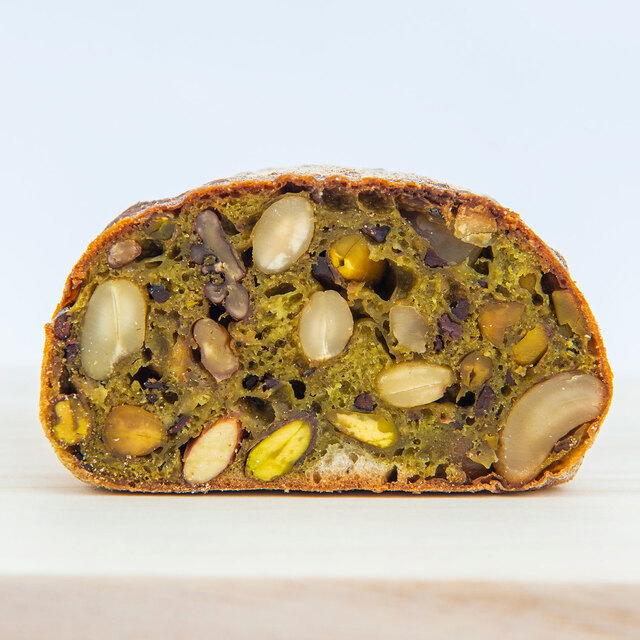
- Pain de campagne made with sweet sake
- Artisanal stone‑ground flour breads
Approaching a serious Tokyo bakery changes the rhythm of a food day. The cues are quieter than at a counter sushi room or a late-night izakaya: a short frontage, a line that moves with purpose, the small choreography of trays and tongs, and the discipline of a shop where bread is the event rather than a side order. In Tokyo, L'atelier de Plaisir sits in that tradition, closer to the city’s obsessive craft retail culture than to the café scene built around lingering tables.
Tokyo’s bread culture has never been a simple import story. The city absorbs outside technique, Japanese portion logic, department-store precision, and neighbourhood loyalty, then turns bakery shopping into a highly calibrated errand. The stronger addresses are judged less by décor than by repeat behaviour: people make dedicated trips, queue within narrow operating windows, and treat a bakery run with the same seriousness others reserve for a formal meal. This is the frame that matters here.
Tokyo bread culture rewards patience, not table time
The experience belongs firmly in Tokyo’s retail-food register. There does not need to be a long dining-room ritual for the judgment to be serious. The product has to carry the reputation on its own, and the shop’s category reinforces that focus: bread is the reason to come. For travellers accustomed to restaurants as the default measure of a city’s food culture, this is a useful correction. Tokyo’s serious eating often happens in compact retail encounters, from sweet counters to food-hall vendors to bread shops where the decision is made standing up.
The price signal is equally instructive. With the provided listing showing a modest band of - JPY 999 - JPY 999, the appeal is not luxury pricing. It is allocation, timing, and specificity. That puts the bakery in a different lane from Tokyo dining rooms where a seat and a meal structure define the visit. Here, the critical act is selection before stock and time run thin.
Among the comparison venues supplied for Tokyo, Fiocchi, ZUPPERIA OSTERIA PITIGLIANO, and Creperie Tirol sit in different dining rhythms. That contrast matters because L'atelier de Plaisir is not competing for a dinner slot in the same way. It belongs to the city’s daytime provisioning map, the kind of address that can shape a morning or afternoon between more formal reservations.
Awards tell a clearer story than adjectives
The trust signals are clear for a bakery. The shop is listed in Tabelog’s Hyakumeiten recognition for 2022, in the Bread category, with a provided Tabelog score of 3.89. That kind of category-specific recognition matters in Japan’s review culture because specialist shops can build reputations through consistency and repeat enthusiasm, even outside the international fine-dining spotlight.
That recognition does not make this a restaurant in disguise. It underlines a broader Tokyo pattern: specialist categories develop their own prestige systems. Bread, ramen, curry, coffee, tonkatsu, and sweets all have circuits where enthusiasts compare technique, timing, and consistency with the seriousness of wine lists or tasting menus. A visitor building a food itinerary only around dinner reservations misses that ecosystem. A stronger Tokyo plan leaves space for daytime specialists, then uses restaurants and bars later in the day. For broader city planning, Our full Tokyo restaurants guide, Our full Tokyo bars guide, Our full Tokyo hotels guide, Our full Tokyo wineries guide, and Our full Tokyo experiences guide give that day-to-night structure.
The sensory appeal of a bakery is easy to overstate, so the better reading is operational. A compact retail visit is often compressed; the choice is direct; and planning matters more than lingering. The result is a food stop with discipline. That discipline, more than any single named item, helps explain why the address can carry a sustained reputation among people who follow Tokyo’s specialist food map.
How it fits a Tokyo food day
Tokyo’s centre-heavy food itineraries often cluster around the most obvious nightlife and restaurant corridors, but the city’s craft culture spreads beyond the first places a visitor thinks to book. A bakery-focused stop asks for a different tempo: arrive with a specific plan, respect the compact service model, and do not treat the shop as a backdrop.
Pairing the stop with the rest of Tokyo depends on appetite and geography. The city has casual drinking rooms, graphic café culture, counter dining, specialist sweets, and tightly scheduled tasting menus, all operating in different registers. L'atelier de Plaisir works better as a focused daytime detour than as a prelude to an overpacked itinerary.
For readers mapping Japanese food beyond a single reservation, the same specialist logic appears in other formats across the country and abroad: focused counters, cafés, regional dining rooms, curry shops, casual bars, and snack formats all build reputations through narrow categories rather than broad spectacle. The lesson is useful in Tokyo as well: the most rewarding food days are often assembled from small, precise stops rather than only from marquee meals.
The editorial case for L'atelier de Plaisir is not that it replaces a major Tokyo meal. It adds another register to one: the quiet, product-led side of the city’s food culture, where a bakery can earn category recognition without needing seats, spectacle, or a chef mythology. For a traveller who already understands Tokyo through counters and tasting menus, that is precisely why it belongs on the map.
Cuisine Lens
Comparable venues at similar price and category levels.
| Venue | Cuisine | Price | Awards | Notes |
|---|---|---|---|---|
| L'atelier de PlaisirThis venue (the venue you are viewing) | Artisanal Bakery & Café | $10–20 | Tabelog 100 #46 | Not listed |
| Antica Gelateria Tamagawa ten | Italian gelato shop | $1–10 | Tabelog 100 #79 | Setagaya |
| Verde | Traditional Japanese kissaten & cafe | $10–20 | Tabelog 100 | Shibuya |
| Parlor Ekoda | Bakery café with sandwiches and light plates | $10–20 | Tabelog 100 #47 | Nerima |
| The KARI | Japanese curry house | $10–20 | Tabelog 100 #81 | Minato |
| AOSAN Sengawa ten | Bakery | $1–10 | Tabelog 100 #53 | Sengawa |
Recognition history
Dated appearances from independent guides and award organizations, with the underlying list record or original source where available.
Tabelog 100 #46 · No. 46
Tabelog · Tabelog 100 - Bread - TOKYO - 2022
Continue exploring
More in Tokyo
Restaurants in Tokyo
All restaurants in Tokyo →



Bars in Tokyo
All bars in Tokyo →








Details
- Cozy
- Classic
- Intimate
- Solo
- Casual Hangout
- Standalone
- Local Sourcing
- A La Carte
- Counter Dining
Current opening hours
- Monday
- Closed
- Tuesday
- 12–6 PM
- Wednesday
- 12–6 PM
- Thursday
- Closed
- Friday
- 12–6 PM
- Saturday
- 12–6 PM
- Sunday
- Closed
Hours can change for holidays and private events. Hours as of .