What Keeps Regulars Returning
One reliable signal of a restaurant's staying power is not its opening-week press coverage but the behaviour of people who live within a short drive and return without a special occasion as justification. In a city where dining trends accelerate and collapse faster than most markets, the regulars at a neighbourhood-anchored restaurant represent something the citywide fine-dining circuit rarely produces: genuine habit formation around a kitchen's output.
Plant-forward cooking rewards that kind of repeat visitation in ways that protein-centred menus often do not. Vegetable cookery changes with the season in more granular and frequent ways, because the ingredient base responds to California's agricultural calendar with a specificity that a steakhouse programme or a menu built around imported fish cannot easily replicate. Southern California's growing conditions mean that the ingredient rotation across a year is broader than almost any other American market. The regulars at a restaurant of this type are not returning to the same dish repeatedly so much as tracking a kitchen's response to what is available. That dynamic, the menu as a running record of seasonal decision-making, is what sustains loyalty in this format.
Across the American fine-dining tier, the restaurants that have most successfully built that regulars' relationship around produce-led cooking tend to be those with a clear point of view on sourcing. Blue Hill at Stone Barns in Tarrytown built an entire identity around farm-to-table provenance. Single Thread Farm in Healdsburg made the seasonal kaiseki format a framework for California agriculture. Lazy Bear in San Francisco uses a communal format to deepen the sense of shared seasonal experience. Each of these places produces regulars who return because the menu is a moving target, not a static offering.
Los Angeles Plant-Forward Cooking in Context
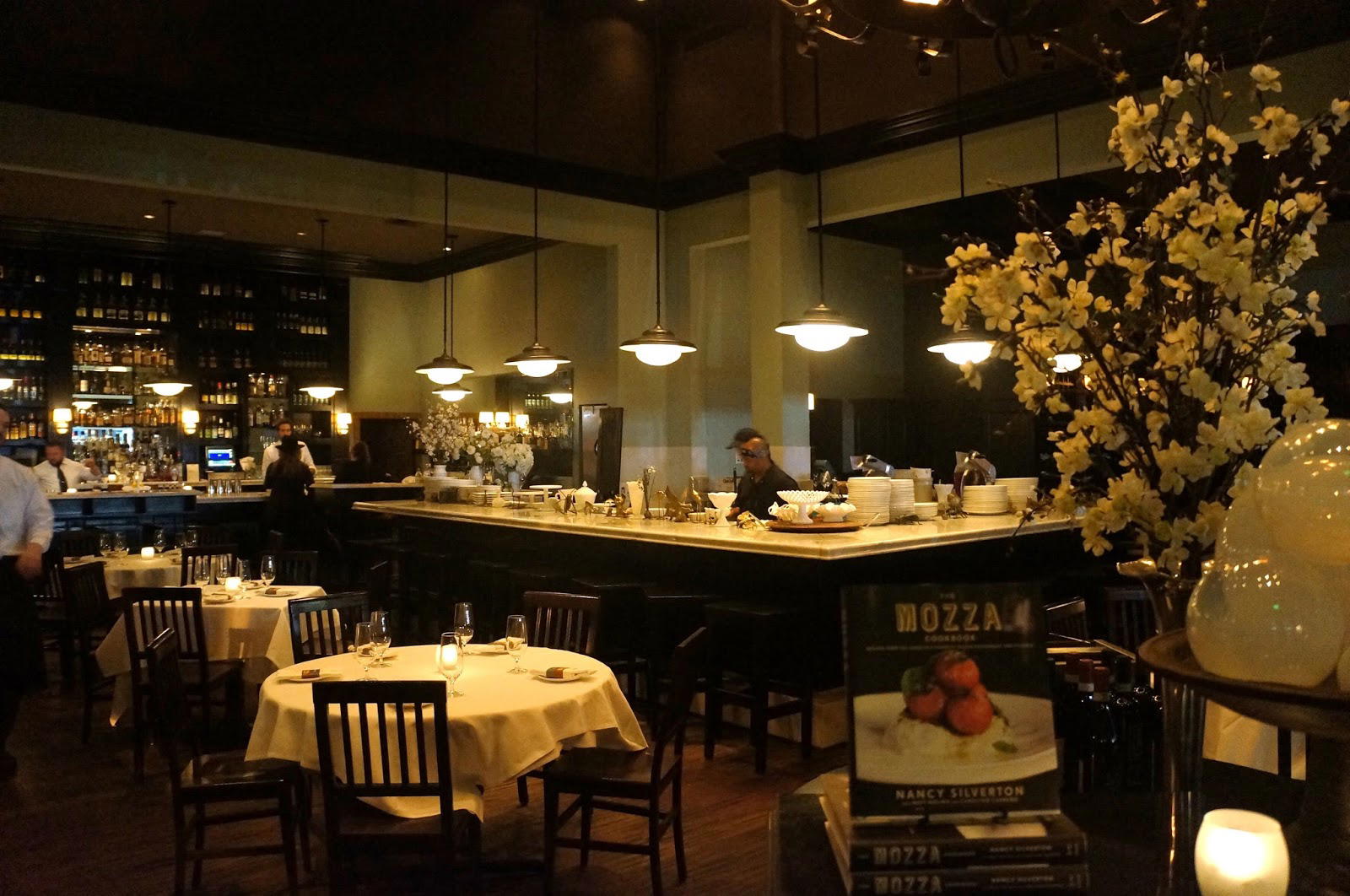
The plant-forward tier in Los Angeles is still establishing its critical vocabulary. The city's most recognised fine-dining rooms have tended toward protein or luxury-ingredient anchors: the dry-aged beef programme at steakhouses in the Gwen mould, the Japanese precision of Hayato, the Italian-leaning pasta and charcuterie tradition at Osteria Mozza. Vegetable-led cooking at a serious level is a smaller and less mapped category within the city, which gives a committed restaurant in that space more room to define what the format means locally.
Nationally, the conversation around vegetable-centred fine dining has been shaped by a set of reference points that span different formats and price tiers. Alinea in Chicago applies molecular and progressive techniques to produce as frequently as to protein. The French Laundry in Napa has long maintained a dedicated vegetarian tasting menu alongside its primary format. Addison in San Diego builds its tasting menu around regional California produce. The pattern across these places is that serious vegetable cooking, when done at a high level, demands as much technical rigour as any other format, and rewards comparison against the full spectrum of American fine dining rather than being siloed into a wellness or dietary-restriction category.
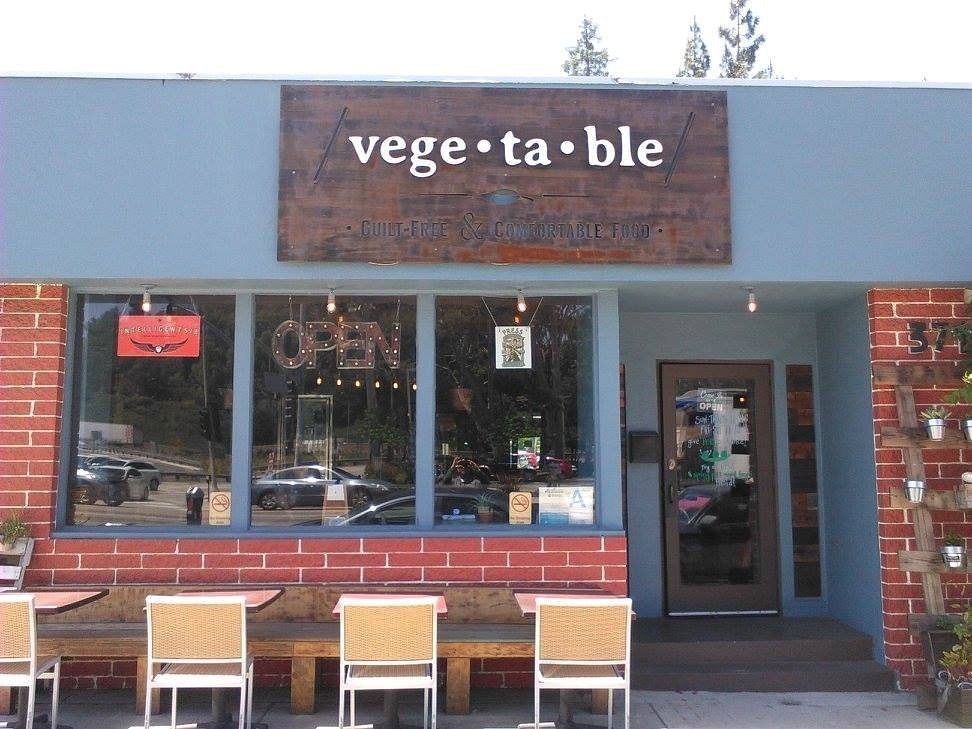
The restaurants that have successfully crossed that threshold, from niche dietary category to serious culinary proposition, tend to share a few characteristics: sourcing specificity, seasonal discipline, and a kitchen that treats the vegetable as the focus of technical attention rather than the supporting cast. Whether a Studio City address with a vegetable-forward name is building that kind of programme is exactly the question that a returning local clientele will answer over time, visit by visit, season by season.
Comparisons Worth Making
The restaurants most usefully compared to a vegetable-focused neighbourhood room in Los Angeles are not necessarily the city's most high-profile tasting-menu destinations. The more instructive comparable set includes places like Bacchanalia in Atlanta, which built a long-term regulars' relationship around market-driven New American cooking, or The Inn at Little Washington, which has maintained a serious vegetarian track alongside its main programme for years. Further afield, Emeril's in New Orleans and Le Bernardin in New York City represent different anchors of the American fine-dining tradition, each built on a primary ingredient focus, seafood in Le Bernardin's case, that shaped every technical decision across the menu. A vegetable restaurant making a comparable commitment to its primary ingredient sits in a recognisable lineage, even if the ingredient in question is not traditionally regarded as the prestige anchor of a serious kitchen.
At the international level, places like Atomix in New York City and 8 1/2 Otto e Mezzo Bombana in Hong Kong demonstrate how ingredient focus and technical precision can translate across formats and cultural contexts. The common thread is kitchen seriousness applied to a defined range of ingredients, and regulars who return because the kitchen's response to those ingredients keeps moving.
Know Before You Go
Planning Notes
- Address: 3711 Cahuenga Blvd, Studio City, CA 91604
- Neighbourhood: Studio City, San Fernando Valley side of the Hollywood Hills
- Access: Cahuenga Boulevard is accessible from the 101 freeway; street and lot parking typical for the corridor
- Pricing: Approximately $15 per person
- Reservations: Walk-in friendly