Plant Food + Wine
Plant Food + Wine on South Doheny Drive sits at the intersection of Los Angeles's plant-based dining movement and fine-dining technique, a pairing that has become more significant as the city's restaurant scene broadens its definition of premium cooking. The restaurant has tracked the evolution of vegetable-forward cuisine from niche provocation to a credible position within the city's upper dining tier.
- Address
- 300 S Doheny Dr, Los Angeles, CA 90048
- Directions
- Get directions
Where Vegetable-Forward Cooking Found Its Fine-Dining Footing in LA
Los Angeles has always had an easier relationship with vegetable-forward dining than most American cities. The cultural conditions, proximity to year-round produce, a population already oriented toward lighter eating, and a fine-dining scene less anchored to classical French protein hierarchy than, say, Le Bernardin in New York City, made the city a natural testing ground for the idea that plant-based cooking could occupy a serious fine-dining register. Plant Food + Wine is a restaurant at 300 S Doheny Dr, Los Angeles, CA 90048, serving modern plant-based vegan cuisine at about $50 per person.
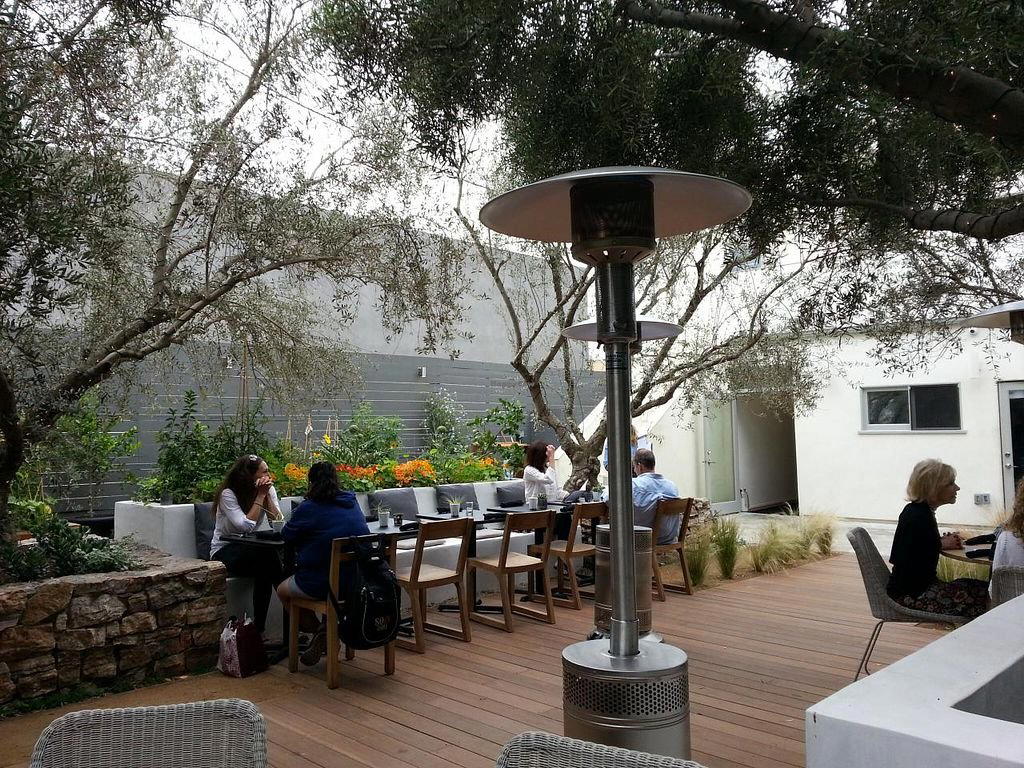
The address places the restaurant in West Hollywood, where casual and premium dining coexist without much tension, and where diners arrive with broad expectations rather than rigid ones. That context matters. Unlike the tasting-menu rooms on the Eastside, Kato with its New Taiwanese precision or Hayato with its kaiseki discipline, Plant Food + Wine operates in a register closer to polished neighborhood dining than ceremonial multi-course progression. The garden setting reinforces that tone: this is a room designed for extended, relaxed meals rather than formal ritual.
The Evolution of a Concept
Plant-based fine dining in the United States has gone through at least three distinct phases since the early 2010s. The first was apologetic, restaurants offering plant-based menus that framed the absence of meat as a compromise, often compensating with heavy sauces and architectural plating that substituted visual spectacle for flavor depth. The second phase was corrective: chefs began treating vegetables with the same sourcing rigor and technical attention previously reserved for proteins, producing food that was confident rather than compensatory. The third, current phase is integrative, plant-based cooking is no longer positioned against conventional dining but alongside it, competing on flavor and technique rather than ideology.
Plant Food + Wine arrived during the second phase and has remained relevant as the category matured. That evolution is visible in how the restaurant is discussed rather than apologized for. Peers in the plant-based premium segment have made similar transitions nationally, Blue Hill at Stone Barns in Tarrytown represents one cited example of how vegetable and farm-driven cooking can occupy the upper tier of fine dining without framing itself as alternative. In California, Single Thread Farm in Healdsburg has taken a similarly ingredient-driven approach at an even higher price point. The restaurant operates at a different register from both, less ceremony, more accessibility, but the broader shift those restaurants represent contextualizes where it sits today.
The Room and the Experience
The outdoor garden dining area at the restaurant is one of the more considered natural settings in the West Hollywood dining corridor. Los Angeles restaurants have increasingly used outdoor space not as overflow seating but as primary environment, and this property leans into that instinct. Arriving in the early evening, when the light shifts in the garden and the temperature drops enough to make outdoor dining comfortable, works well here. That timing aligns with the broader LA dining rhythm, where patio seats are claimed early and held through the meal.
The format is accessible rather than rigidly structured. Unlike the fixed progressions at Somni or the controlled pacing of The French Laundry in Napa, the restaurant offers a degree of flexibility that suits its West Hollywood positioning. Diners can order in ways that reflect their appetite and interest rather than submitting to a single editorial vision. That is a deliberate choice, and one that reflects where the restaurant's concept has landed after years of operation: confident enough in its cooking to let the food speak without requiring a prescribed framework around it.
Where It Sits in the LA Scene
Los Angeles's dining scene has expanded significantly in range and seriousness over the past decade. The additions of Michelin Guide coverage and subsequent starred restaurants, including Providence at the summit of the seafood tier and Osteria Mozza anchoring the Italian end, have created a more structured sense of hierarchy. Within that structure, plant-based fine dining occupies a defined but smaller niche. It competes less with the starred tasting rooms and more with the mid-to-upper tier of casual-fine restaurants where cooking quality is serious but the experience is not codified.
For comparison, Addison in San Diego and Smyth in Chicago both demonstrate how ingredient-sourcing discipline can coexist with fine-dining structure. Frasca Food and Wine in Boulder and Lazy Bear in San Francisco show how regional-seasonal emphasis can generate long-term loyalty in markets that value those signals. The restaurant draws from the same instincts in a city with a larger and more varied customer base, which gives it a broader audience but also a more competitive field.
Nationally, the conversation around plant-forward dining has been shaped by operators as varied as Emeril's in New Orleans and internationally focused tasting menus like Atelier Moessmer Norbert Niederkofler in Brunico, where hyper-local and ingredient-constrained cooking has reached a serious critical register. In that broader context, the restaurant represents the Los Angeles version of the same underlying argument: that vegetables, sourced and prepared with genuine attention, produce food worth paying for and writing about.
At the premium end of plant-based dining globally, Atomix in New York City and The Inn at Little Washington have both incorporated plant-forward elements into fine-dining frameworks with strong critical results, suggesting the integration continues to deepen across the American fine-dining tier.
Know Before You Go
Address: 300 S Doheny Dr, Los Angeles, CA 90048
Neighbourhood: West Hollywood / Beverly Hills border corridor
Format: À la carte; garden dining; reservations recommended
Dietary: Full plant-based menu; suitable for vegans without the menu adaptation required at most restaurants in this price tier
Getting there: Street parking available on surrounding blocks; rideshare drop-off direct given the Doheny Drive address
Side-by-Side Snapshot
Comparable venues nearby, for context on price, style, and recognition.
| Venue | Cuisine | Price | Notes |
|---|---|---|---|
| Plant Food + WineThis venue — the venue you are viewing | Modern Plant-Based Vegan | $$ | Not listed |
| Wild Living Foods | Raw Vegan Living Foods | $$ | Gallery Row |
| Vegetable | Organic Plant-Based Cafe | $$ | Hollywood Hills |
| The Butcher's Daughter | Plant-Forward Vegetarian Café & Juice Bar | $$ | Venice |
| Forage | Farm-to-Table Vegetarian Bowls & Sandwiches | $$ | Silver Lake |
| Layla Bagel Beverly Hills | Modern Bagel Cafe | $$ | Beverly Hills |
Continue exploring
More in Los Angeles
Restaurants in Los Angeles
Browse all →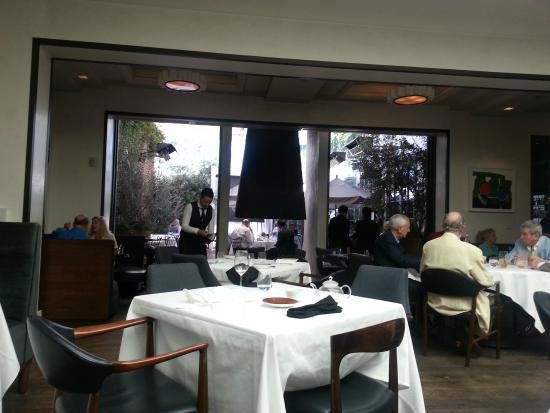
Bars in Los Angeles
Browse all →
Hotels in Los Angeles
Browse all →
Wineries in Los Angeles
Browse all →
At a Glance
- Modern
- Trendy
- Elegant
- Minimalist
- Date Night
- Brunch
- Special Occasion
- Garden
- Open Kitchen
- Private Dining
- Extensive Wine List
- Natural Wine
- Farm To Table
- Local Sourcing
- Organic
- Garden
Sleek, picturesque indoor-outdoor space with cozy dining room and beautiful back garden patio.