ABL Hollywood
ABL Hollywood brings Jamaican-Chinese cooking into a Los Angeles dining map that often separates Caribbean, Cantonese, and market-seafood traditions into different lanes. The draw is the overlap: spice logic, wok technique, and the city’s appetite for hybrid formats that feel rooted rather than gimmicky.
Pearl is the En Primeur Club membership app — saves, bookings, and concierge access live there. Same editors, same standards.
- Address
- 1649 N Cahuenga Blvd, Los Angeles, CA 90028
- Phone
- (213) 972-9900
- Website
- abl-la.com
- Directions
- Get directions
 Saves & bookings on Pearl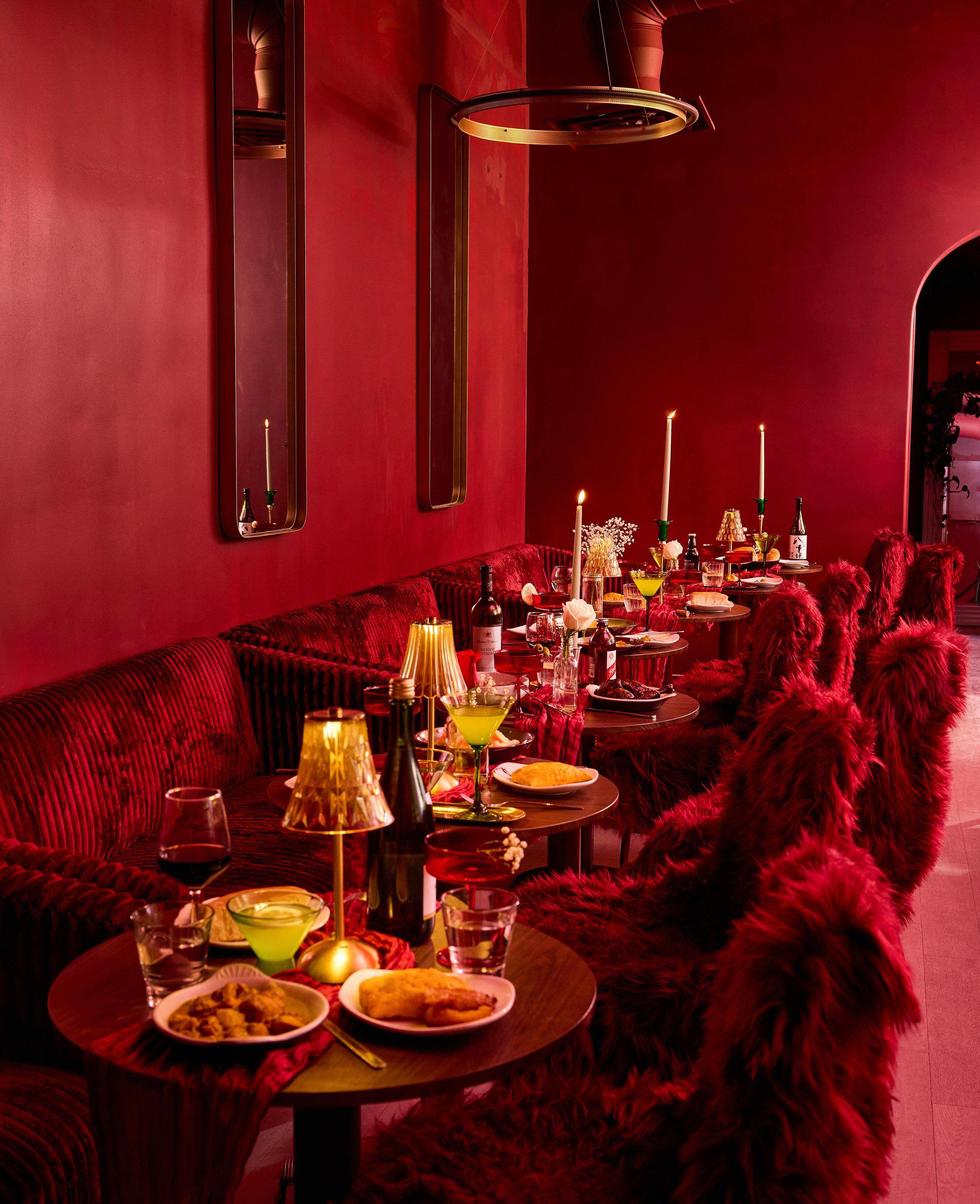
Los Angeles dining has a particular kind of electricity: neon outside, traffic noise at the curb, and rooms that often have to announce their purpose before the first plate lands. In that setting, ABL Hollywood is interesting because Jamaican-Chinese cooking does not fit neatly into the usual Los Angeles categories. The cuisine points to migration, port-city trade, family cooking, and restaurant technique at once, which gives the room a sharper editorial hook than another broad New American opening.
Los Angeles has long been comfortable with cuisines that cross borders, but Caribbean-Chinese cooking occupies a narrower lane than the city’s better-known Korean-Mexican, Japanese-Peruvian, or Cal-Italian conversations. Jamaican-Chinese food carries a different history: Chinese communities in Jamaica shaped grocery, bakery, and restaurant culture over generations, while island seasoning habits pulled soy, ginger, garlic, chile, allspice, scallion, and acid into a shared pantry. In Los Angeles, that combination reads less as novelty and more as a reminder that fusion is often an old story in a new room.
Jamaican-Chinese cooking gives Los Angeles a sharper hybrid than the usual pan-Asian script
The useful way to read the menu is through technique rather than labels. Jamaican food brings heat, smoke, braise, and punchy seasoning; Chinese restaurant cooking brings wok timing, gloss, texture, and an instinct for balancing salinity with sweetness. When those systems meet, the point is not a decorative mash-up. The better version lets spice behave with discipline and lets sauce carry structure rather than volume.
That distinction matters in Los Angeles, where hybrid restaurants can drift into mood-board cooking. Jamaican-Chinese cuisine has firmer bones. It comes from a real diaspora pattern, not a branding exercise, and it has enough internal logic to support seafood, poultry, rice, noodles, and vegetable dishes without feeling stretched. A Los Angeles address also changes the reading: this is not a quiet suburban specialty shop or a late-night strip-mall discovery, but a cuisine placed inside one of the city’s higher-visibility dining conversations.
The seafood question is where the cuisine becomes especially compelling. Live-tank dining, market-weight pricing, and whole-fish presentation have long been part of Chinese restaurant culture in Southern California, particularly across banquet rooms and seafood houses. Jamaican coastal cooking, meanwhile, treats fish and shellfish with lime, chile, herbs, and assertive seasoning. Even when a restaurant does not foreground the theatre of tanks, the culinary overlap explains why seafood feels like a natural bridge between the two traditions: freshness is judged by texture and timing, while flavor is built through spice, aromatics, and sauce.
The seafood-tank tradition explains the appeal, even when the room is not a banquet hall
Southern California diners understand the drama of choosing dinner before it reaches the kitchen. In Chinese seafood restaurants, tanks act as both inventory and performance: crab, lobster, and fish become visible evidence of turnover, seasonality, and price volatility. That tradition has trained local diners to think about seafood as a live market product rather than a fixed menu item. It also changes expectations around value. The question is not only what a dish costs, but how directly the kitchen can translate freshness into texture.
Jamaican-Chinese cooking slots neatly into that framework because it can absorb the assertiveness of market seafood without burying it. A whole fish, shellfish dish, or seafood-led plate can take ginger, scallion, chile, soy, vinegar, or citrus without losing its center. That is the broader reason ABL Hollywood is worth attention in the city’s dining conversation: it sits at the crossing of two traditions that both know how to handle seafood with confidence, one through market immediacy and wok control, the other through seasoning depth and coastal appetite.
Los Angeles also gives this style a broad audience: pre-show diners, industry tables, tourists, and locals who treat dinner as part of a larger night out. That mix can reward food with a clear premise. Jamaican-Chinese cooking has enough specificity to cut through the noise, especially in a city where many restaurants lean on atmosphere before they define the plate.
How to place it within a Los Angeles dining itinerary
For readers mapping the city by category, ABL Hollywood belongs in the part of Los Angeles dining that rewards curiosity over hierarchy. It is not trying to solve the same problem as hotel-adjacent Californian seafood, high-rise New American dining, Japanese precision, or Americana built around burgers and late-night comfort. The more useful comparison is conceptual: Los Angeles works when it lets immigrant foodways stay specific rather than sanding them into a generic global menu.
That same citywide pattern appears in smaller, focused formats as much as in full-service dining rooms. Other Los Angeles dining rooms can narrow attention to a single everyday format, while specialist bars and restaurants point toward the city’s growing interest in focused drinking and eating cultures. Beyond Los Angeles, tightly defined food cultures can anchor a trip without needing a broad luxury frame.
The smart approach is to treat ABL Hollywood as a cuisine-led stop rather than a trophy booking. Build the night around Los Angeles energy, then let the food supply the specificity. For broader planning, use Our full Los Angeles restaurants guide alongside Our full Los Angeles hotels guide, Our full Los Angeles bars guide, Our full Los Angeles wineries guide, and Our full Los Angeles experiences guide. In a city crowded with broad concepts, the case for ABL Hollywood is narrower and stronger: Jamaican-Chinese cooking gives Los Angeles a specific story, and seafood culture gives that story a practical way to read the table.
- oxtail egg rolls
- jerk fried oysters
- oxtail macaroni and cheese
- deep-fried escovitch snapper
- jerk chicken with mambo sauce
- honey jerk chicken wings over red velvet waffles
Reputation & Price
Comparable venues nearby, for context on price, style, and recognition.
| Venue | Cuisine | Price | Notes |
|---|---|---|---|
| ABL HollywoodThis venue — the venue you are viewing | Hollywood, Jamaican-Chinese Fusion | $$ | Not listed |
| Fusion Kitchen | Miracle Mile, Ukrainian Fusion Cafe | $$ | Not listed |
| Two Hommés | North Inglewood, Afro-Latin Fusion | $$ | Not listed |
| Neighborly Brentwood | Brentwood, Multi-Concept Food Hall | $$ | Not listed |
| Sora - Permanently Closed | Not listed | $$$ | Financial District, Modern Turkish-Asian Fusion |
| Amiga Amore | Highland Park, Mexitalian | $$$ | Not listed |
Continue exploring
More in Los Angeles
Restaurants in Los Angeles
Browse all →
Bars in Los Angeles
Browse all →
Hotels in Los Angeles
Browse all →
Wineries in Los Angeles
Browse all →
At a Glance
- Intimate
- Trendy
- Cozy
- Lively
- Modern
- Date Night
- Brunch
- Group Dining
- Casual Hangout
- Late Night
- Celebration
- Design Destination
- Standalone
- Craft Cocktails
- Street Scene
Current opening hours
- Monday
- Closed
- Tuesday
- 5–10 PM
- Wednesday
- 5–10 PM
- Thursday
- 5–10 PM
- Friday
- 5 PM–12 AM
- Saturday
- 11 AM–12 AM
- Sunday
- 11 AM–10 PM
Hours can change for holidays and private events. Last verified .
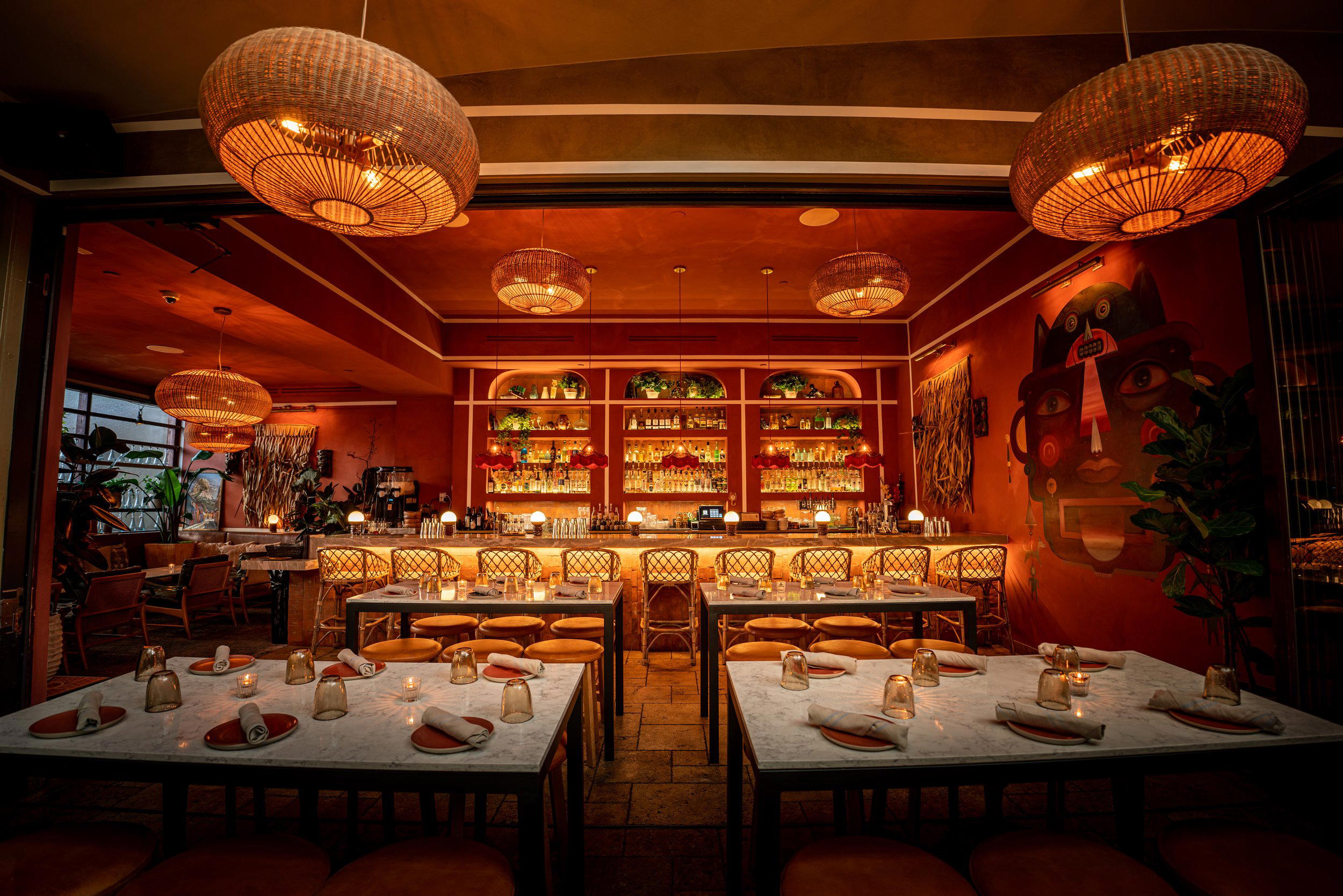
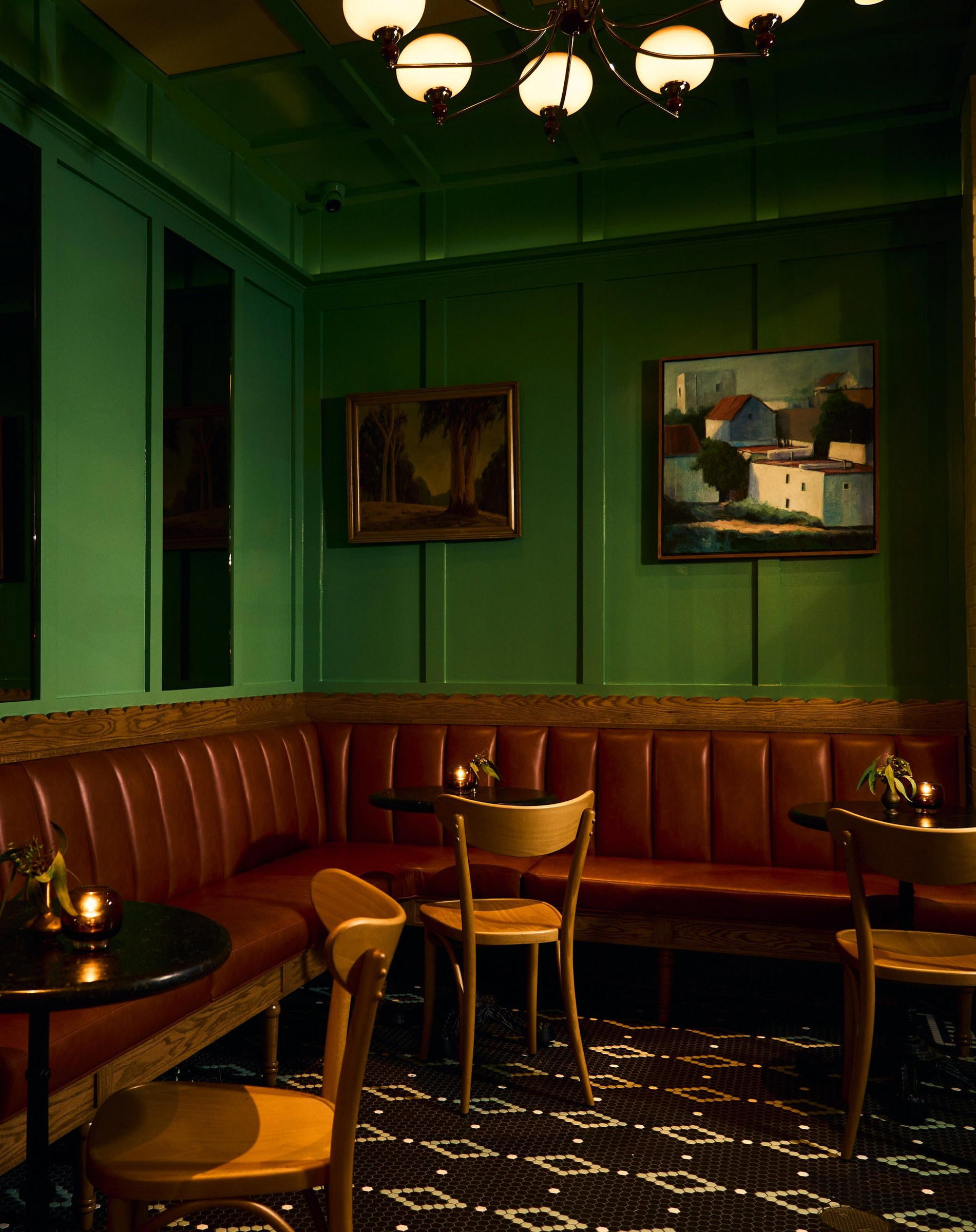
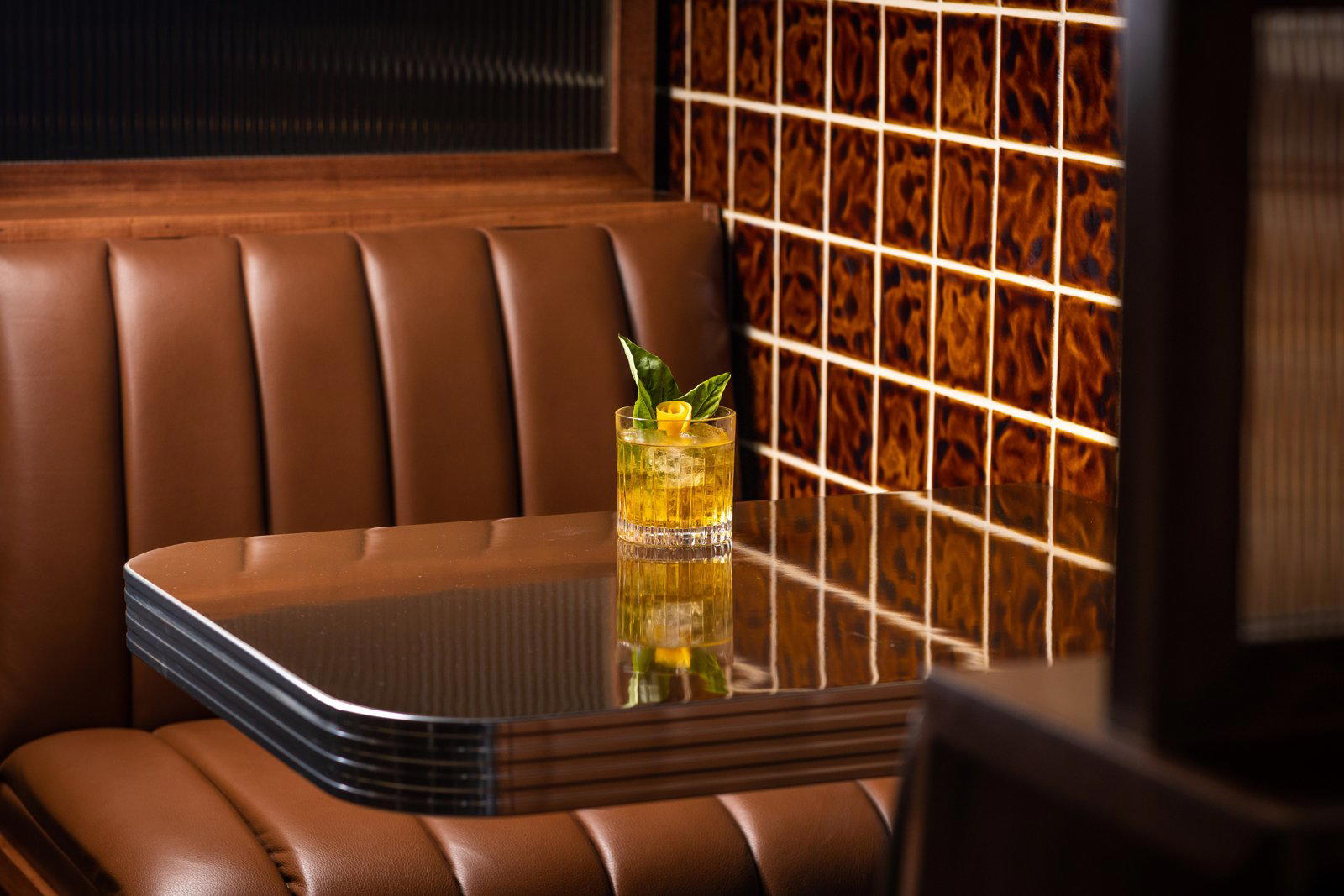
An intimate 35-seat dining room designed in deep reds and maroons with custom textured banquettes and a glowing neon 'abl' sign, creating a cozy yet energetic Hollywood date-night vibe.
Know Before You Go
- Reservations
- Recommended
- Dress code
- Casual