
We're Smart World 2 Radishes
Our verdict
On Arbuthnot Road in Central, Veda puts plant-based and vegetable-forward cooking at the centre of its menu at a moment when Hong Kong's dining scene is actively reassessing what deserves the spotlight. The setting reads as conceptual and international, carrying aromatics from multiple culinary traditions through a lunch format that rewards unhurried attention. It is among the more deliberate vegetable-focused addresses in a neighbourhood dominated by tasting-menu institutions.
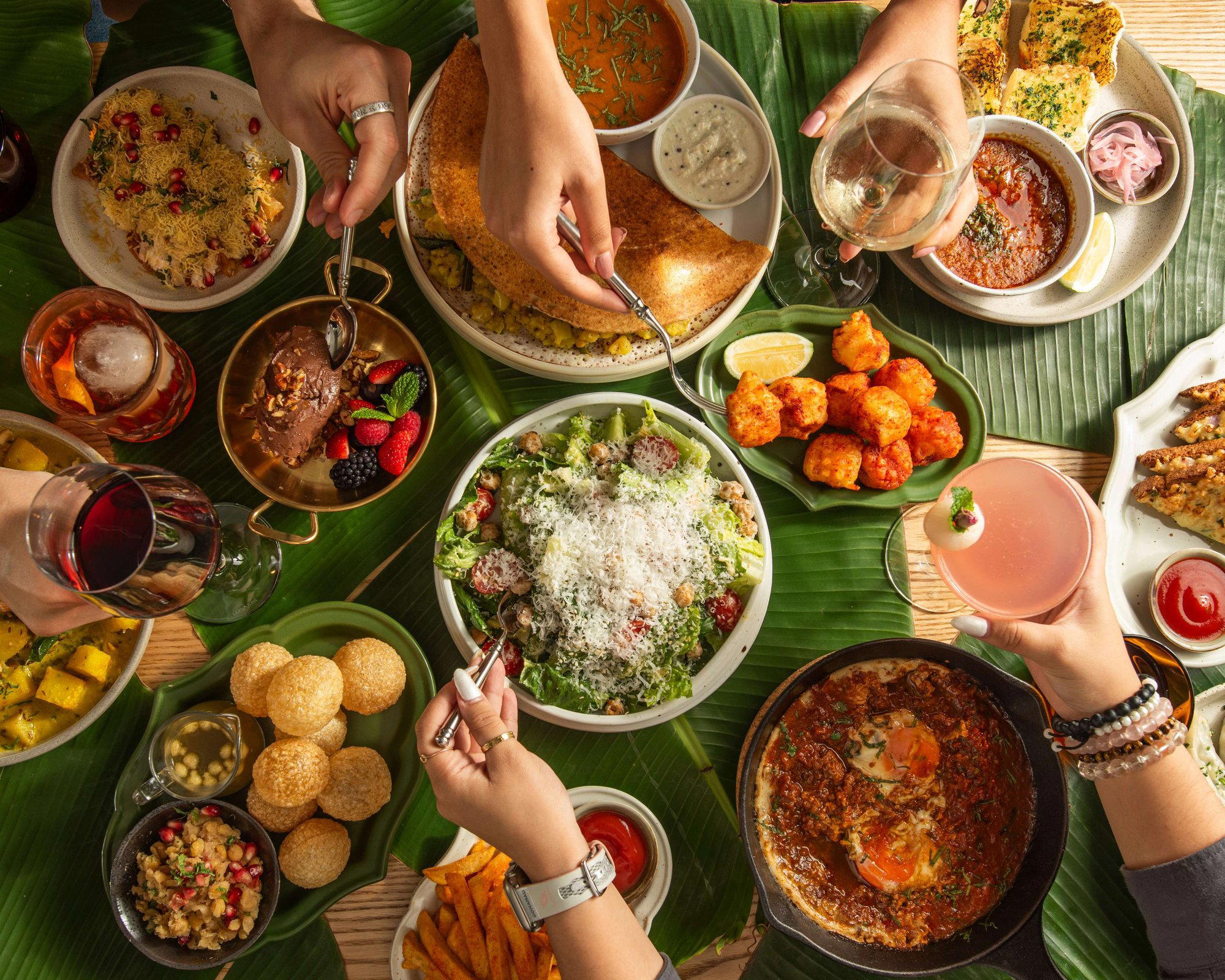
The menu
What to order
- Roasted Aloo Gobi
- Dosa
- Artichoke Hummus
- Pani Puri
- Fig Cheesecake
Central's Shift Toward the Vegetable Counter
Arbuthnot Road sits at a particular altitude in Hong Kong's dining hierarchy. Walk up from Lan Kwai Fong and the restaurants become quieter, more considered, less dependent on footfall. This short stretch of Central has housed some of the city's more programme-driven restaurants precisely because it draws diners with a destination in mind rather than those passing through. Veda occupies that address with a clear brief: place vegetables and plant-based cooking at the centre of the table, not as an asterisk to a meat-led menu but as the entire proposition.
That positioning matters more now than it would have a decade ago. Hong Kong's fine-dining corridor, where addresses like Caprice and 8 1/2 Otto e Mezzo Bombana set the frame for what serious restaurant spending looks like, has long been organised around protein-centric European and Cantonese traditions. The emergence of concept-led vegetable restaurants as a genuine dining destination, rather than a dietary accommodation, represents a structural change in how the city's more adventurous diners think about where to spend a lunch hour.
The Atmosphere Before the First Plate
The approach to Veda sets expectations before you sit down. The setting has been described as conceptual and hip, a pairing that in Central usually signals a considered interior rather than a casual one. International character runs through the room, which in practice means the reference points are not rooted in a single culinary geography. This is not a restaurant that signals its identity through the conventions of one national cuisine. The aromatics, which become apparent almost immediately, arrive from multiple directions: spice profiles that suggest South Asian or Middle Eastern influence alongside preparations that read as broadly European or fusion-inflected.
For context within the city's current restaurant conversation, this multi-directional approach to flavour places Veda in a different category from the stricter single-cuisine programmes at Ta Vie or Amber. Those restaurants build a coherent world from one or two culinary traditions. Veda draws from a wider palette, using that range as the mechanism for making vegetables interesting across the length of a meal rather than relying on the inherent drama of a protein course.
How a Meal at Veda Moves
The logic of a vegetable-forward tasting progression is different from a conventional multi-course structure. Without the anchor of a main protein, each course has to carry more weight as a distinct sensory moment. The leading plant-based restaurants internationally have solved this by treating vegetable cookery as a technical exercise rather than a substitution exercise. Restaurants like Alinea in Chicago, and in a different mode Aponiente in El Puerto de Santa María, demonstrate how removing a conventional category of ingredient forces greater precision and creativity in what remains.
At Veda, the worldly flavour approach serves this structural need. Aromatics from one tradition can reframe a vegetable that might be familiar in another context, creating the kind of course-to-course variety that keeps a long meal moving. The international character noted in assessments of the restaurant suggests that this is a deliberate editorial choice rather than an accident of sourcing. Spice, herb, and preparation vocabulary drawn from multiple cuisines becomes the mechanism for pacing through a meal that has no conventional centrepiece course.
Lunch is the primary format being recommended here, and the format has a logic to it. A lunch at Veda, according to assessments of the restaurant, is consistently satisfying. The daytime setting also suits a menu that leans on freshness and aromatics, both of which read differently under natural light than in evening service. For comparison, Le Salon de Thé de Joël Robuchon Hong Kong in Central similarly builds its reputation partly on the quality of its daytime experience, demonstrating that lunch in Hong Kong can function as a serious dining occasion rather than a compressed version of dinner.
Where Veda Sits in the Central Dining Picture
Central's restaurant density is high enough that any new concept faces a positioning question: who is this for, relative to what already exists? The answer at Veda is reasonably distinct. The closest comparison set is not the Cantonese institutions further up the island's tradition, like Forum, nor the French-lineage tasting menus that occupy the luxury hotel tier. The peer group is smaller: concept-driven restaurants that use a dietary or philosophical framework as their central organising principle, and that ask diners to engage with that framework as part of the experience rather than despite it.
Globally, the number of restaurants making this format work at a high level remains modest. Alléno Paris au Pavillon Ledoyen and Alain Ducasse Louis XV in Monte Carlo have both moved meaningfully toward plant-led menus in recent years, which indicates that the direction Veda represents is not a peripheral experiment but part of a broader reorientation in how premium restaurants think about their menus. Veda in Central is participating in that conversation from a city that has historically been slower than Tokyo, Paris, or San Francisco to adopt plant-centred fine dining as a category.
For context on how other cities have developed this space: Lazy Bear in San Francisco and Emeril's in New Orleans represent different approaches to building a distinct identity around a strong concept. The lesson from those examples is that the concept has to function as a genuine culinary argument, not just a positioning statement. Veda's focus on aromatics and international flavour range suggests it is making that argument through the food rather than through the brief.
Planning a Visit
Veda is located at 2 Arbuthnot Road in Central, accessible by foot from the Central MTR station or by taxi from elsewhere on Hong Kong Island. The address is within walking distance of several of the neighbourhood's established dining institutions, making it possible to anchor a Central lunch or dinner itinerary around the area. Given the lunch emphasis in assessments of the restaurant, midday visits appear to be the natural entry point for first-time diners. Booking in advance is sensible for any Central restaurant at this positioning level, and arriving without a reservation carries meaningful risk on busier midweek days.
For a broader picture of where Veda fits within Hong Kong's dining, drinking, and hospitality offer, the EP Club city guides cover the full range: our full Hong Kong restaurants guide, our full Hong Kong hotels guide, our full Hong Kong bars guide, our full Hong Kong wineries guide, and our full Hong Kong experiences guide. For those planning a longer dining itinerary in the city, Le Bernardin in New York City offers a reference point for what a fully committed single-category tasting menu can achieve at the highest level, even if the category there is fish rather than vegetables.
Frequently asked questions
How would you describe the vibe at Veda?
What should I order at Veda?
What's the ideal way to book Veda?
| Venue | Cuisine | Price | Awards | Notes |
|---|---|---|---|---|
| VedaThis venue (the venue you are viewing) | Modern Indian Vegetarian | Not listed | We're Smart World 2 Radishes | Not listed |
| 8 1/2 Otto e Mezzo Bombana (Hong Kong) | 3 Michelin-Star Italian Fine Dining | $200–300 | 3 Michelin Stars · World's 50 Best #94 | Italian |
| Ta Vie | Modern French-Japanese Fine Dining | $300–500 | 3 Michelin Stars · World's 50 Best #68 | Japanese - French, Innovative |
| Estro | Modern Neapolitan Italian | $150–200 | 1 Michelin Star · World's 50 Best #32 | Wine Bar, Italian |
| Feuille | Modern Vegetable-Forward French | $200–300 | 1 Michelin Star · World's 50 Best #93 | French Contemporary |
| Mono | Modern Latin American Fine Dining | $150–200 | 1 Michelin Star · World's 50 Best #46 | Latin American |
Recognition history
Dated appearances from independent guides and award organizations, with the underlying list record or original source where available.
We're Smart World 2 Radishes
We're Smart World
Continue exploring
More in Hong Kong
Restaurants in Hong Kong
All restaurants in Hong Kong →
Bars in Hong Kong
All bars in Hong Kong →
Hotels in Hong Kong
All hotels in Hong Kong →
Wineries in Hong Kong
All wineries in Hong Kong →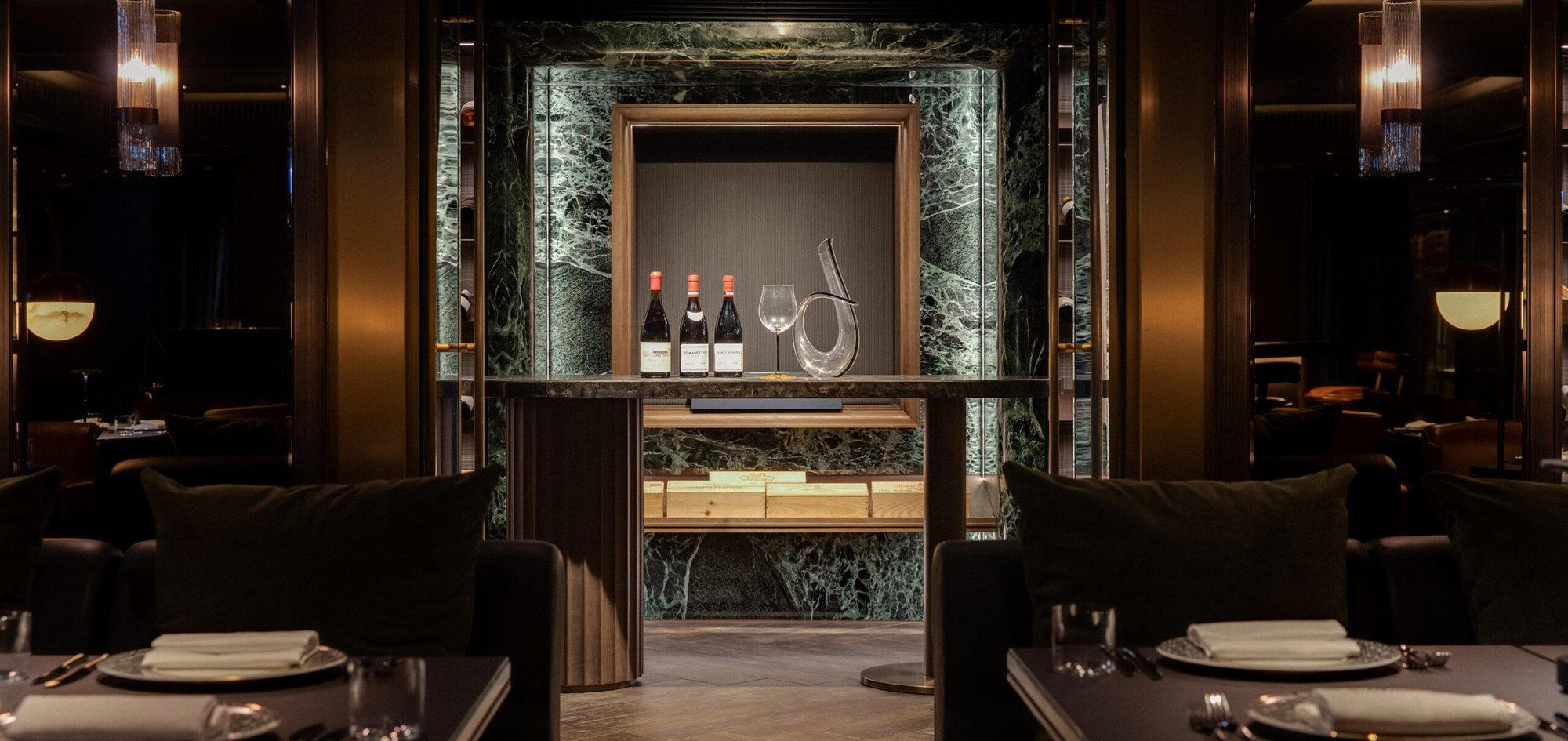
Details
- Trendy
- Elegant
- Cozy
- Modern
- Intimate
- Date Night
- Special Occasion
- Brunch
- Business Dinner
- Hotel Restaurant
- Craft Cocktails
- A La Carte
- Small Plates
- Set Menu
- Craft Cocktails
- Vegetarian Friendly
- Vegan Options
- Gluten Free Options
Trendy and cozy interior with lovely decor, intimate atmosphere, and lively energy.