

La Petite Maison brings the Niçoise brasserie idiom to Central, where Hong Kong’s international dining habits meet a cuisine built on olive oil, citrus, herbs, seafood, and shared plates. Its appeal is less about ceremony than tempo: a polished room, Mediterranean references, and a format that suits business lunches, late dinners, and cross-table ordering.
Pearl is the En Primeur Club membership app — saves, bookings, and concierge access live there. Same editors, same standards.
- Address
- 23-29 Stanley Street Shop 1, UG, H, Queen's, Central, Hong Kong
- Phone
- +852 2887 1113
- Website
- lpmrestaurants.com
- Directions
- Get directions
 Saves & bookings on Pearl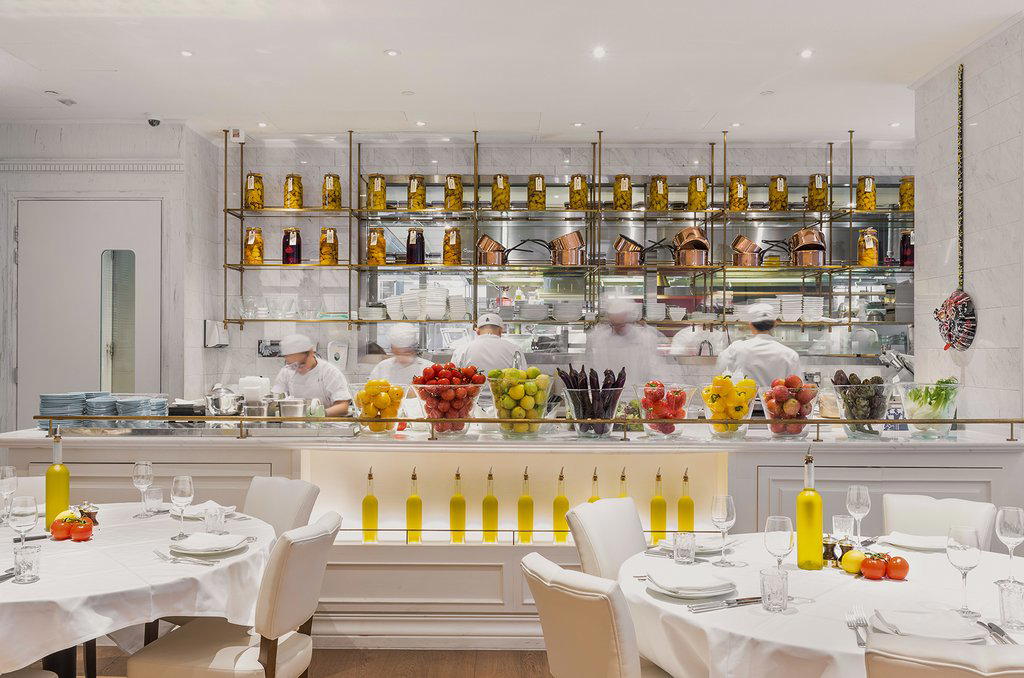
Stanley Street places a restaurant amid Central’s daily compression: office lifts, wet-market routes, after-work drinking, and destination dining competing within a few steep blocks. Here, the Niçoise brasserie model has a clear function: sunlight food in a dense vertical city, built around shared plates, bright acidity, grilled seafood traditions, and the social rhythm of a long table rather than a tasting counter.
Hong Kong has always welcomed imported dining languages, but French Mediterranean cooking has its own lane. It is neither grand-hotel French cuisine nor a hushed dégustation room. The reference is the Côte d’Azur: tomatoes, olives, lemon, garlic, basil, olive oil, fish, and eating that treats abundance as communal, not formal. La Petite Maison works within that grammar, which is why the room fits Central, where corporate dining, date-night restaurants, and international regulars overlap without needing the same experience.
Niçoise cooking in a city built for shared tables
The cultural signal is the South of France filtered through Hong Kong’s appetite for convivial, high-velocity rooms. Niçoise cooking is a border cuisine, shaped by Provençal, Ligurian, and maritime habits rather than Parisian hierarchy. Its pleasures are direct: vegetables carry weight, seafood is central, and seasoning comes from herbs, citrus, salt, and oil instead of heavy sauces. It travels well to Hong Kong, where diners already order across the table and judge a meal by pacing as much as technique.
The comparison with the city’s broader international dining scene is useful. Spanish small-plate rooms such as 22 Ships (Spanish-Tapas) teach a similar lesson about serious informality, while Italian dining at 8 1/2 Otto e Mezzo Bombana (Hong Kong) (Italian) sits closer to classic luxury grammar. Peruvian addresses in the comparison set, including Ichu Terraza and Ichu, occupy another international lane, using Latin American acidity and grill culture rather than Mediterranean restraint. These restaurants do not do the same job; Central rewards formats with a clear cultural spine and flexibility for mixed groups.
La Petite Maison is better understood as part of Hong Kong’s premium brasserie tier than as a chef-driven temple. Format matters: dishes are combined, the table is the unit of ordering, and the meal can stretch or contract by occasion. That flexibility has value where lunch can be tactical and dinner can become social without changing neighbourhoods.
Central's international dining circuit, without tasting-menu rigidity
Central and Sheung Wan support several kinds of restaurant ambition at once: high-recognition dining rooms, casual specialists, bars with serious food programs, and heritage-minded local counters from a different price and cultural register. Readers mapping the area can use 15-27 Cannon St, 208 Hollywood Rd, and 8½ Otto e Mezzo BOMBANA in Central And Western as nearby reference points for the district’s broad dining register.
The distinction is service logic. A tasting-menu restaurant asks the table to surrender timing; a brasserie asks it to manage appetite. That is why Mediterranean restaurants with shared-plate structures often work in business-heavy districts: polished enough for clients, relaxed enough for friends, and legible enough for visitors who do not want to decode a long sequence of courses. La Petite Maison benefits from that clarity.
The awards field attached to the restaurant is spare rather than explanatory, so the stronger trust signal is format and location: an international brasserie model in Central, inside one of Asia’s densest luxury dining markets. In Hong Kong, that is a meaningful test. Restaurants compete not only against peers in the same cuisine, but against Japanese counters, Cantonese rooms, hotel dining, cocktail-led venues, and imported brands with established followings.
How to read the meal: order for rhythm, not ceremony
Useful approach is contrast: raw and cooked, sharp and oily, vegetable and seafood, grill and salad. Niçoise food loses force as a parade of individual trophies. It works when the table builds a spread and lets combinations do the work. That also aligns with Hong Kong dining culture, which has long privileged the shared table over the solitary plate.
For visitors planning a wider itinerary, the restaurant sits in a city where dining categories are unusually compressed. A single trip can move from Central French-Mediterranean dining to local noodle culture at Block 18 Doggie's Noodle in Yau Tsim Mong, Tsuen Wan Cantonese cooking at Chin Sik in Tsuen Wan, family-oriented hotel dining at Enchanted Garden Restaurant in Islands, old harbour nostalgia via Former Jumbo Floating Restaurant in Aberdeen, and South Asian or Middle Eastern neighbourhood food at Habib's Indian & Middle Eastern Food in Kwun Tong. That spread says more about Hong Kong than any single address can: the city rewards precision, speed, cultural confidence, and clear value at every tier.
Use the restaurant when the brief calls for Mediterranean familiarity with Central polish. It is not for diners seeking a chef biography, a tightly scripted counter, or a local Hong Kong canon. It is for a table that wants French Riviera references, flexible ordering, and a room built for conversation in the middle of the city’s international restaurant circuit.
For broader planning, EP Club’s city coverage places the restaurant alongside the wider dining, drinking, and travel context: Our full Hong Kong restaurants guide, Our full Hong Kong hotels guide, Our full Hong Kong bars guide, Our full Hong Kong wineries guide, and Our full Hong Kong experiences guide. For cross-city reference points outside Hong Kong, Jōdo Saké Bar in Los Angeles and Onigiri Time in Pasadena show how specialist formats read differently when the city, audience, and dining tempo change. For a more theatrical dining format within Hong Kong, 7 Paintings sits in another category altogether.
Budget Reality Check
Comparable venues by cuisine and price in the same metro.
| Venue | Cuisine | Price | Notes |
|---|---|---|---|
| La Petite MaisonThis venue — the venue you are viewing | Not listed | $$$ | Not listed |
| Ami & Wood Ear | Not listed | $$$ | Central, Contemporary French Fine Bistronomie & Whisky Bar |
| Le Salon de Thé de Joël Robuchon – ifc mall | Central, French Tea Salon & Patisserie | $$$ | Not listed |
| Brut! | Western, Modern French-Asian Fusion | $$ | Not listed |
| Petrus Island Shangri-La | Central, Contemporary French Fine Dining | $$$$ | Not listed |
| Jimmy's Kitchen | Central, Classic British & Continental | $$$ | Not listed |
Recognition history
Dated appearances from independent guides and award organizations, with the underlying list record or original source where available.
SCMP 100 Top Tables Restaurants
SCMP 100 Top Tables
Wine Spectator Award of Excellence
Wine Spectator
Continue exploring
More in Hong Kong
Restaurants in Hong Kong
Browse all →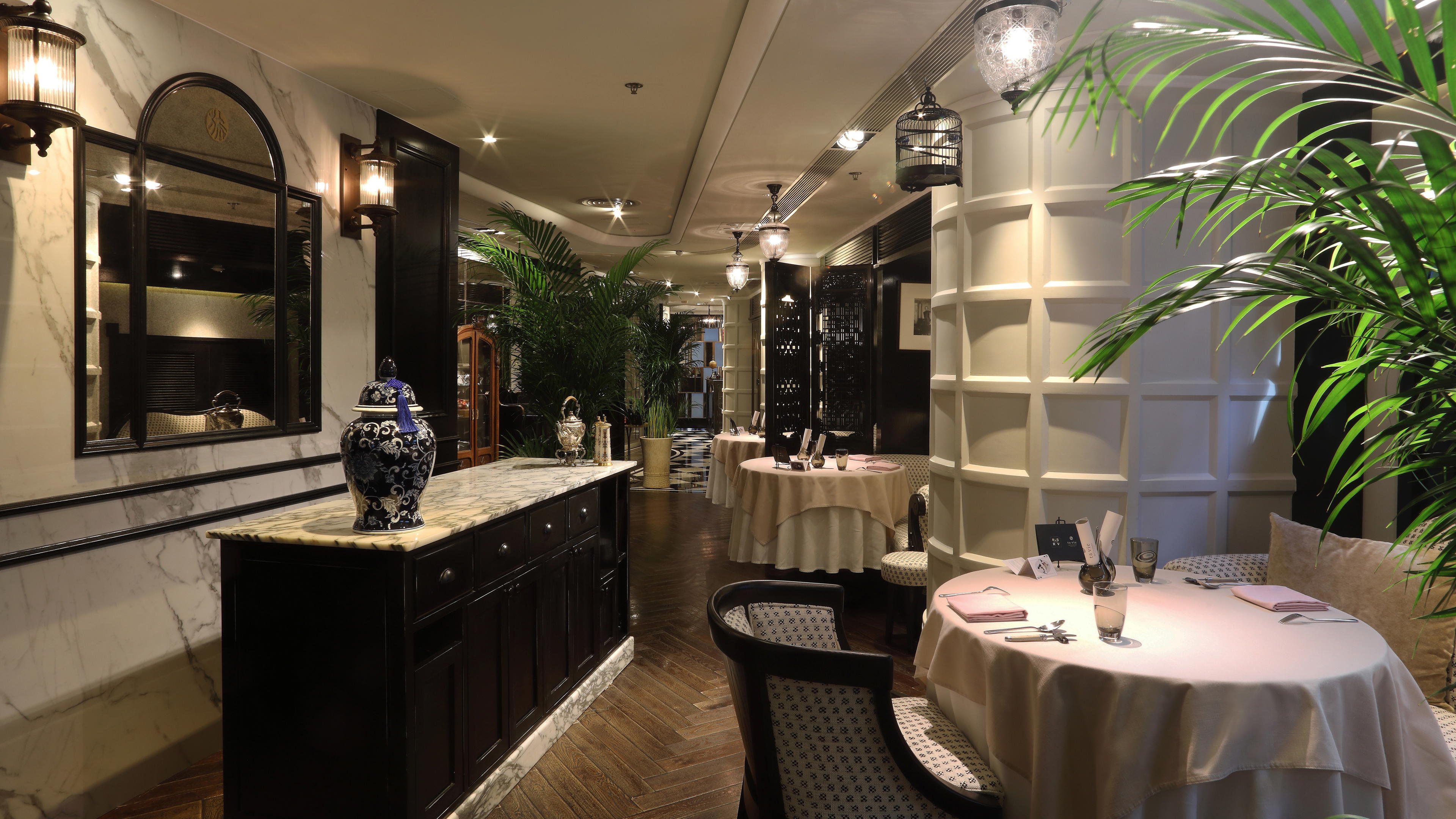
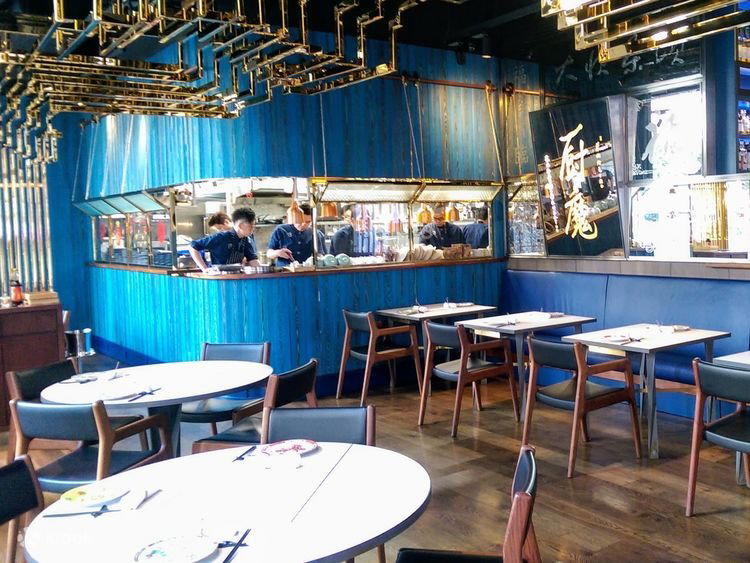
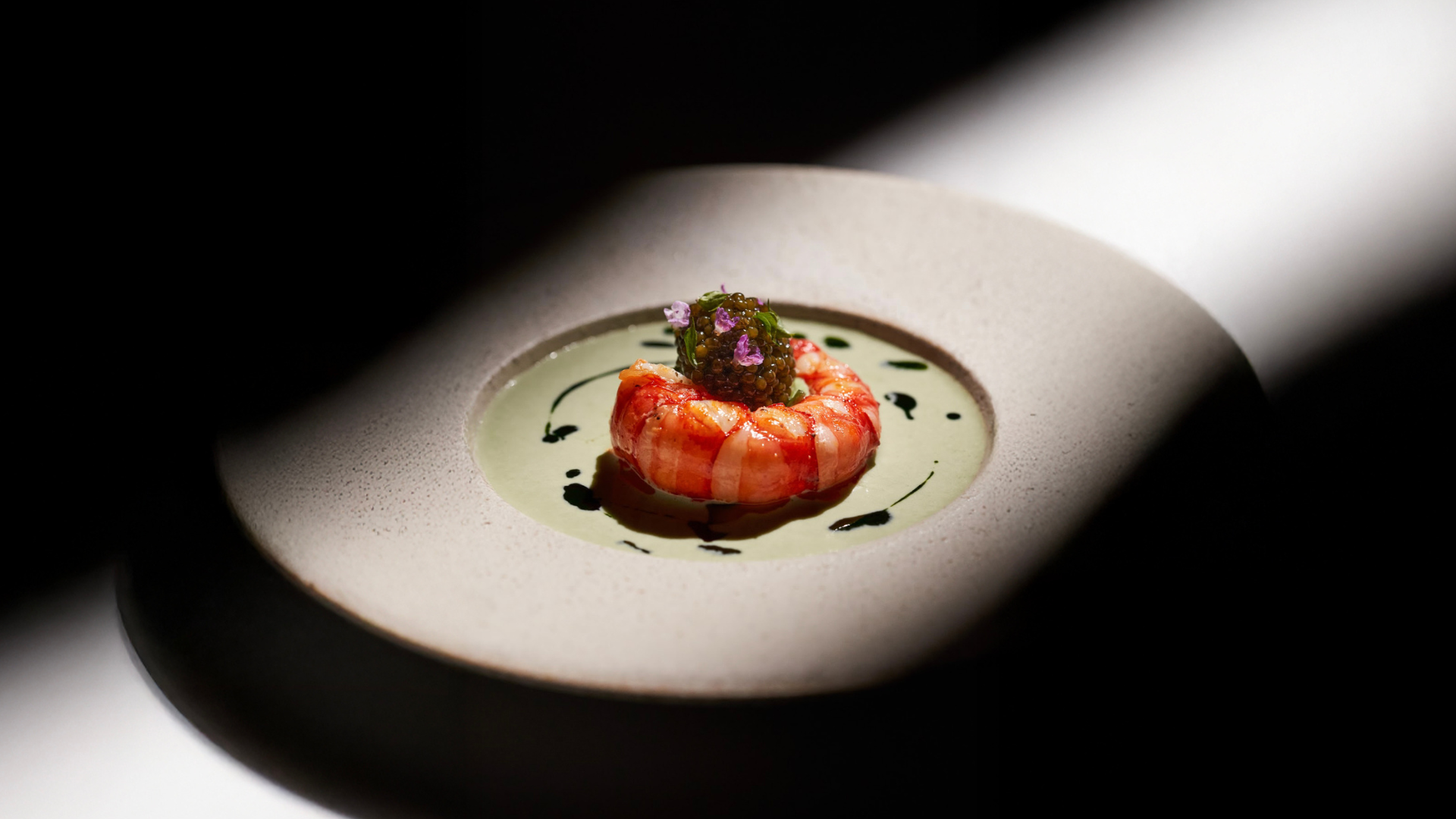
Bars in Hong Kong
Browse all →
At a Glance
- Elegant
- Sophisticated
- Lively
- Romantic
- Trendy
- Intimate
- Date Night
- Business Dinner
- Celebration
- Special Occasion
- After Work
- Brunch
- Design Destination
- Standalone
- Private Dining
- Extensive Wine List
- Craft Cocktails
- Sommelier Led
- Local Sourcing
- Street Scene
Current opening hours
- Monday
- 12–2:30 PM, 5 PM–12 AM
- Tuesday
- 12–2:30 PM, 5 PM–12 AM
- Wednesday
- 12–2:30 PM, 5 PM–12 AM
- Thursday
- 12–2:30 PM, 5 PM–12 AM
- Friday
- 12–2:30 PM, 5 PM–12 AM
- Saturday
- 12–3 PM, 6 PM–12 AM
- Sunday
- 12–3 PM, 6 PM–12 AM
Hours can change for holidays and private events. Last verified .
A chic Belle Époque-inspired space with high ceilings, natural light, bold flowers and art, creating an elegant yet lively Riviera brasserie feel that encourages lingering over shared plates and cocktails.