U-Zen
Our verdict
U-Zen occupies a quiet stretch of Santa Monica Boulevard in West Los Angeles, where the format and address place it alongside a tight cohort of Japanese restaurants working at the precise, technique-first end of the city's dining spectrum. The menu structure signals deliberate restraint, and the room reflects that same discipline. For readers mapping LA's serious Japanese dining tier, U-Zen belongs on the list.

Pearl is the En Primeur Club membership app — saves, bookings, and concierge access live there. Same editors, same standards.
- Address
- 11951 Santa Monica Blvd, Los Angeles, CA 90025
- Phone
- (310) 477-1390
- Hours
- Mon ClosedTue 5:30–10 PMWed–Sat 11:30 AM–2 PM, 5:30–10 PMSun 5:30–9:30 PM
- Directions
- Get directions
The menu
What to order
- Blue Crab Hand Roll
- Albacore Sushi
- Salmon Belly
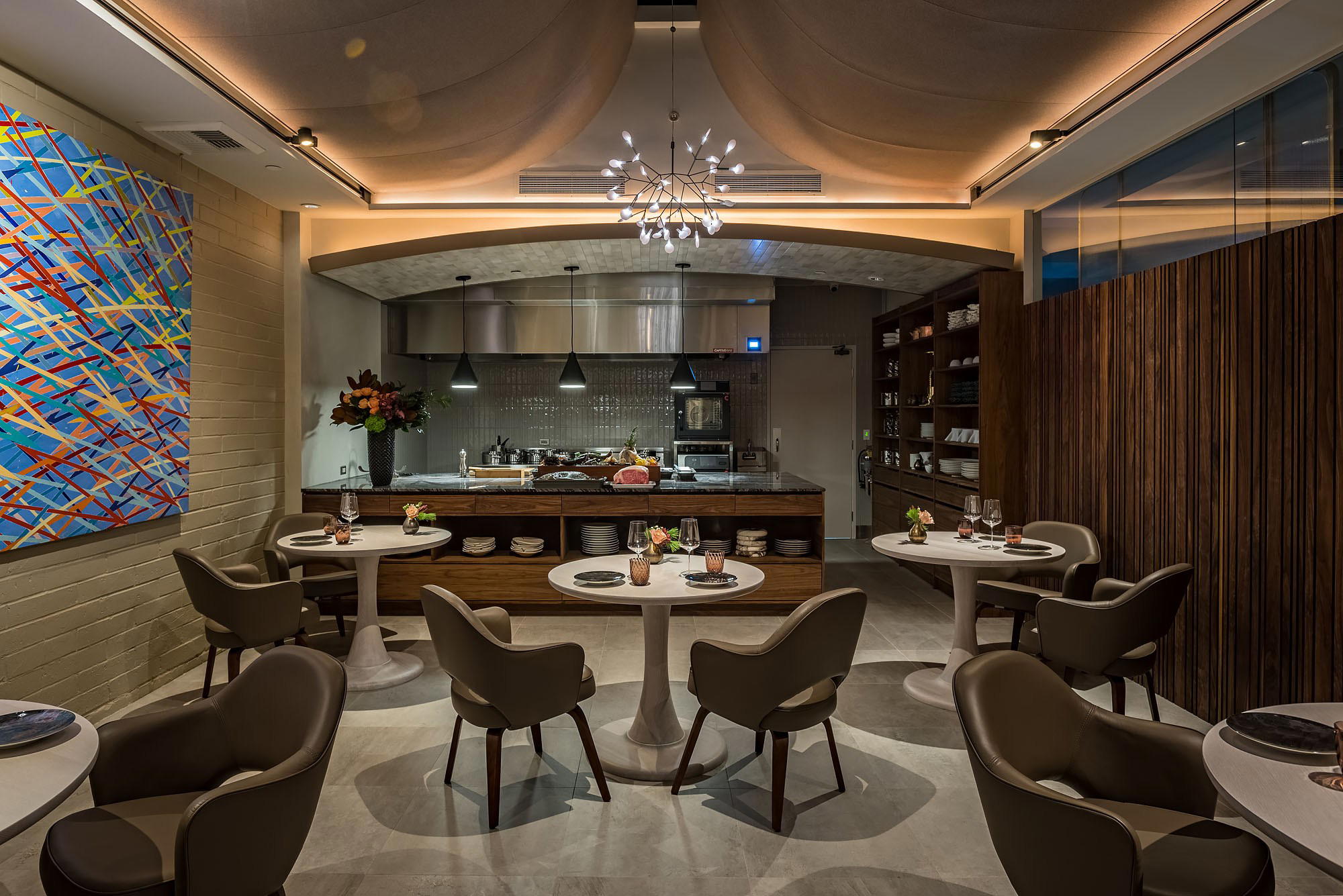
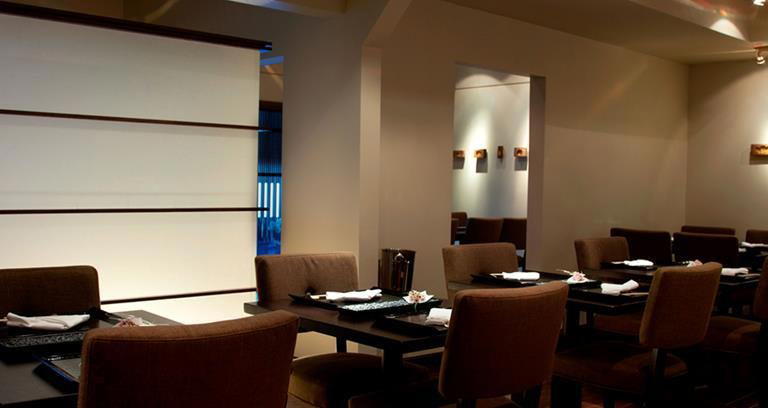
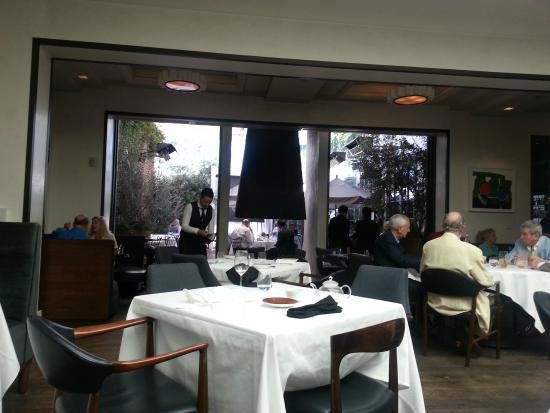
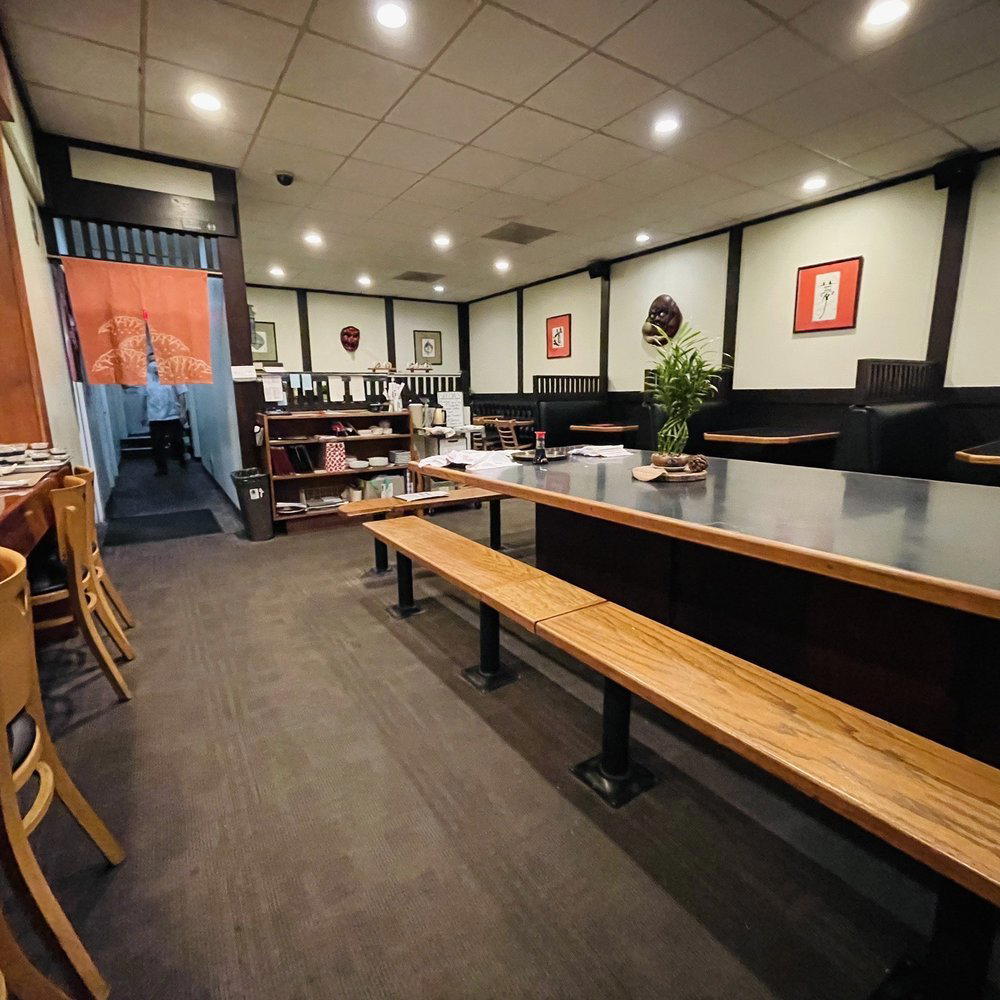
What the Room Tells You Before the Food Arrives
Santa Monica Boulevard west of the 405 is not where most food writers send you first. The stretch through West LA runs past strip malls and dry cleaners, an address typology that has historically housed some of the most serious Japanese cooking in Los Angeles — places that rely on word of mouth and repeat clientele rather than a high-visibility corner. U-Zen, at 11951 Santa Monica Blvd, fits that pattern. The exterior offers no grand reveal. That restraint is the first signal about what follows inside.
Los Angeles has developed one of the more layered Japanese dining ecosystems outside Japan itself, built across decades of immigration, ingredient access, and proximity to Pacific supply chains. Within that ecosystem, a meaningful split exists between high-volume, format-flexible Japanese restaurants and a smaller, quieter tier defined by disciplined structure and narrower menus. U-Zen operates in the latter category, where the room size, the format, and the address all work in service of focus rather than breadth.
Menu Architecture as Editorial Statement
The most telling thing about a Japanese restaurant of this type is what the menu does not offer. Precision-oriented Japanese kitchens in Los Angeles — including Hayato in the Arts District, which works in a kaiseki format with sourcing logic drawn from Japan, tend to treat menu reduction as a form of argument. The fewer choices the kitchen offers, the more it commits to the logic behind each one. A restaurant with forty items is making a different claim about its food than one with fifteen.
At U-Zen, the structure of the menu communicates that commitment to controlled scope. This approach mirrors a broader shift in how Japanese dining at the focused end of the market has positioned itself in American cities: fewer formats, clearer sequencing, and an implicit understanding between kitchen and guest about how the meal will move. That kind of structural agreement requires a dining room that matches the kitchen's register, unhurried, deliberate, unlikely to seat a party that arrived expecting something else.
Compare this architecture to what restaurants working in adjacent categories build. Kato, which operates in the New Taiwanese tier at the same price bracket, uses a tasting format that allows the kitchen to narrate a cultural and ingredient argument across courses. Somni applies molecular and progressive logic to a format that is equally structured but pointed in a different direction. What these restaurants share is the conviction that menu architecture is not just a logistical document, it is the kitchen's primary act of communication with the guest.
Where U-Zen Sits in Los Angeles's Japanese Dining Tier
Los Angeles's serious Japanese dining scene now occupies several distinct registers. At one end, the omakase counter format, exemplified at the Michelin-starred level nationally, and locally at venues with direct Japan-trained lineages, commands the highest prices and shortest seat counts. A tier below that, quality-forward Japanese restaurants work in formats that retain structure without the full ritual of counter omakase.
That positioning has a logic. The West LA corridor around Sawtelle, sometimes called Little Osaka, has long functioned as a neighbourhood anchor for Japanese food culture in the city. The concentration of Japanese grocers, specialty importers, and community infrastructure in this part of the city creates ingredient access and cultural context that restaurants elsewhere in Los Angeles have to work harder to replicate. A restaurant on Santa Monica Boulevard in this zip code draws on that geography even without explicitly advertising it.
For context across the national fine dining tier, restaurants working in similar territory of deliberate format and Japanese-influenced precision include Single Thread Farm in Healdsburg and Lazy Bear in San Francisco, both of which apply structured, course-driven logic to California ingredients. Nationally, the comparison set for disciplined tasting formats extends to Alinea in Chicago, Atomix in New York City, and The French Laundry in Napa, all of which treat the menu as a fixed editorial statement rather than a flexible list of options. U-Zen operates in this broader culture of intentional format, applied at the West LA neighbourhood scale.
The Dining Tradition Behind the Address
Japanese restaurants that operate in this structural register, focused, unhurried, ingredient-forward, exist within a long culinary tradition of treating simplicity as a form of mastery rather than an absence of effort. The kaiseki model, which sequences cold, raw, simmered, grilled, and rice courses through a meal with seasonal logic at its spine, has influenced format-conscious Japanese restaurants across the United States even when those restaurants do not operate in strict kaiseki terms. The discipline of that sequencing, the idea that each course should create the conditions for the next, shapes how kitchens like this approach menu construction.
What makes the West LA version of this tradition worth attention is how it has absorbed local ingredient logic without abandoning the structural rigour of its source. California's produce calendar, its access to Pacific seafood, and its proximity to Japanese-American agricultural communities give restaurants in this corridor a distinct advantage in sourcing that restaurants in comparable positions in New York or Chicago, such as Le Bernardin or venues like Blue Hill at Stone Barns working the farm-to-table axis, do not share.
For readers interested in how other California-adjacent restaurants apply this same precision logic to different culinary traditions, Providence works in contemporary seafood at the Michelin level, and Addison in San Diego applies French technique to California ingredients at a similar tier of formality. Osteria Mozza represents a different axis entirely, Italian, ingredient-first, less structured by sequence, but shares the conviction that a kitchen's choices about format communicate as much as the food itself. Nationally, Bacchanalia in Atlanta, The Inn at Little Washington, and Emeril's in New Orleans each represent long-standing commitments to formal dining structures in their respective cities, a peer group defined by durability as much as format. At the international level, 8½ Otto e Mezzo Bombana in Hong Kong offers a comparison point for how European fine dining formats translate across cultural contexts, a parallel question to the one Japanese-influenced restaurants in Los Angeles answer every service.
Planning a Visit
U-Zen is located at 11951 Santa Monica Blvd, Los Angeles, CA 90025, in the West LA corridor close to the Sawtelle neighbourhood. For readers working through Los Angeles's broader dining geography, our full Los Angeles restaurants guide maps the city's fine dining scene across neighbourhoods and cuisine types. Given the format and scale typical of restaurants in this category, advance planning is advisable, kitchens operating at this level of focus rarely hold same-week availability, and arriving without a confirmed reservation at a venue of this type is an approach that rarely rewards the visitor.
Frequently asked questions
What should I eat at U-Zen?
Restaurants working in U-Zen's format tier, structured, Japanese-influenced, format-driven, typically present the kitchen's decisions as the meal itself rather than offering a broad menu that asks the guest to choose. The productive approach is to follow the format as presented rather than trying to order around it. If the restaurant offers a fixed or limited menu, that sequence is the kitchen's core argument. Readers who appreciate this style of dining at venues like Hayato or Kato will find the structural logic familiar.
How far ahead should I plan for U-Zen?
In Los Angeles's focused Japanese dining tier, the restaurants that commit most fully to a structured format, fixed menus, small rooms, precise service, tend to book furthest in advance. If U-Zen operates in that mode, which its address and positioning suggest, planning two to four weeks ahead is a reasonable baseline for a weekend visit.
What do critics highlight about U-Zen?
Restaurants in this tier of the Los Angeles Japanese dining scene tend to earn critical attention for the same reasons: ingredient sourcing that takes advantage of the city's proximity to Pacific supply chains and Japanese-American agricultural networks, menu structures that reflect genuine culinary conviction rather than market-driven flexibility, and a room register that matches the kitchen's ambition. U-Zen's location in the West LA corridor, which has sustained serious Japanese cooking across multiple decades and dining cycles, gives it a neighbourhood credibility that newer entrants in higher-profile postcodes have to build from scratch.
Is U-Zen suitable for guests who are new to Japanese fine dining formats?
The West LA Japanese dining corridor, where U-Zen is located, has historically been more welcoming to first-time guests than the more ceremonially formal omakase counter format, precisely because it serves a neighbourhood clientele that includes a broad range of familiarity with Japanese food culture. Restaurants in this mode tend to present structure without requiring guests to arrive with prior knowledge of kaiseki sequencing or sushi counter etiquette. That said, the format works well for guests willing to follow the kitchen's lead rather than arriving with a fixed idea of what they want to eat.
Cuisine Lens
Comparable venues nearby, for context on price, style, and recognition.
| Venue | Cuisine | Price | Notes |
|---|---|---|---|
| U-ZenThis venue — the venue you are viewing | Japanese Sushi | $30–50 | Not listed |
| Izakaya Osen | Traditional Japanese Izakaya | $30–50 | Silver Lake |
| Sushi Fumi | Japanese Sushi | $50–100 | Beverly Grove |
| Soregashi | Authentic Japanese Sushi | $20–30 | Hollywood |
| Tsujita Annex | Tokyo-Style Tonkotsu Shoyu Ramen | $20–30 | Sawtelle |
| Yuko Kitchen | Japanese Comfort Food | $20–30 | Miracle Mile |