Casa del Mar





1 Michelin Key · Star Wine List · Forbes 4-Star
One of only two hotels in Los Angeles to sit directly on the sand, Casa del Mar occupies a restored 1926 Italian Renaissance Revival building on the Santa Monica waterfront. Its 129 rooms, three two-story penthouses, Star Wine List recognition (2026), and Michelin Key (2024) place it in a narrow tier of LA properties where historic architecture and genuine beachfront access coexist. The wine program and Terrazza restaurant add dining substance to a location most competitors can only approximate.

Pearl is the En Primeur Club membership app, where members save venues, book tables and use the concierge.
Sand, Stone, and the Pacific: What Santa Monica's Waterfront Actually Delivers
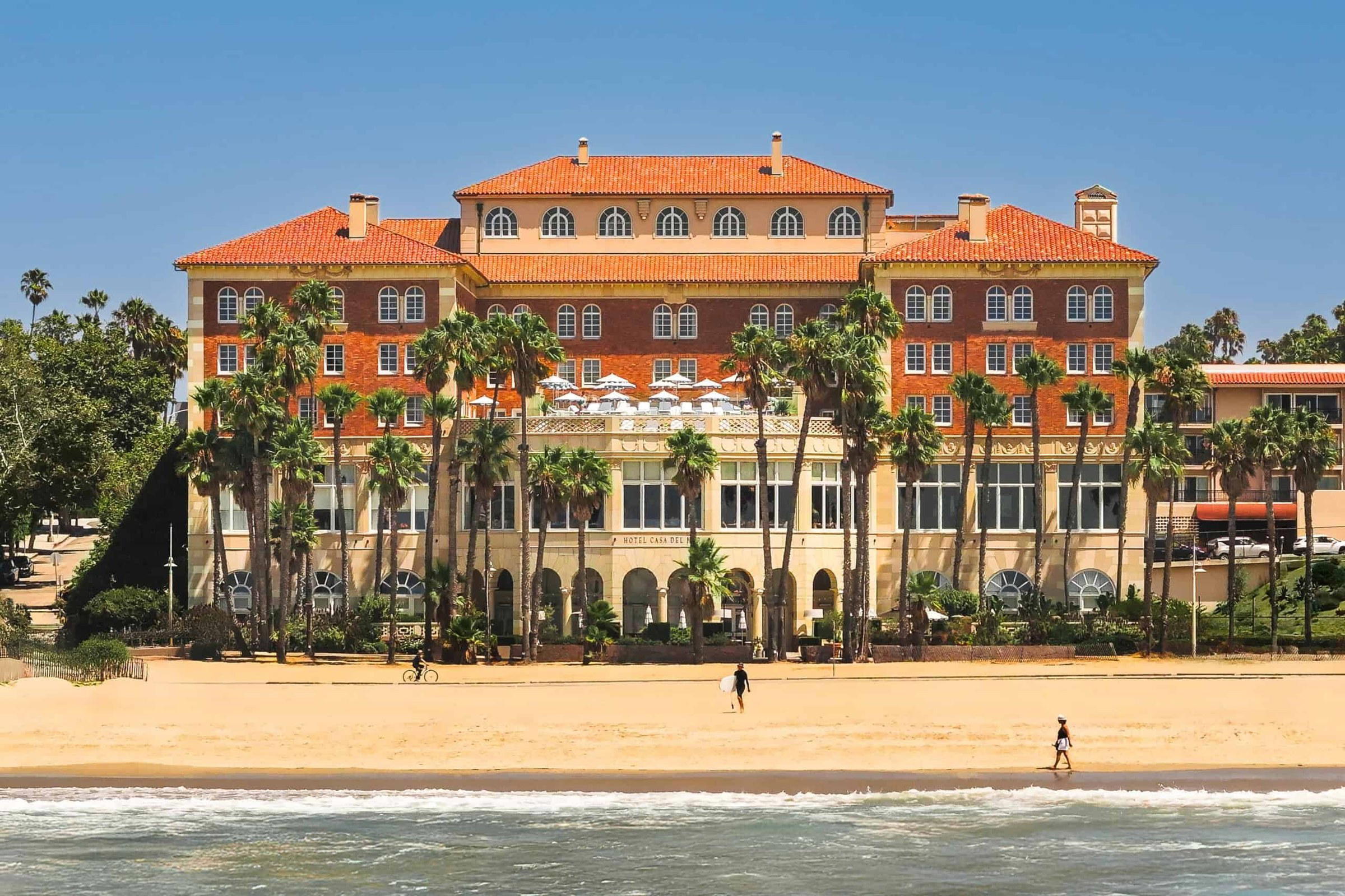
Stand on Ocean Way at dusk and the geometry of the situation becomes clear: almost every hotel in Los Angeles that markets itself as a beach property is, in practice, a hotel near a beach. Casa del Mar is something rarer. Along with its sister property Shutters on the Beach next door, it is one of only two hotels in the Los Angeles area that open directly onto the sand. That distinction sounds like a technicality until you feel the shift in register it produces. The salt air arrives before you reach the lobby. The surf is audible from the rooms. The Pacific is not a backdrop you glimpse from a rooftop terrace, it is the immediate environment.
That physical fact anchors everything else about the property. Santa Monica's hotel market runs from mid-tier chain properties along Ocean Avenue to a handful of design-forward independents, but none of them match this address for oceanfront proximity. The location places guests within easy reach of the Santa Monica Pier, the shops on Third Street Promenade, the restaurants along Main Street, and the quieter boutiques of Montana Avenue, but the stronger argument for staying here is the pull in the opposite direction, toward the water itself.
A 1926 Building That Has Always Known What It Was
The Italian Renaissance Revival exterior, designed by architect Charles F. Plummer in 1926 at the height of the roaring twenties, was considered among the most glamorous on the West Coast when it opened. That assessment has held up better than most period judgements. The red-brick facade, arched windows, and formal proportions belong to an era when Santa Monica beachfront development aspired to Old World permanence rather than Californian casualness.
The interiors have moved on. Designer Michael S. Smith, known for the Obama White House renovation, brought the building into the current century without erasing its bones. The result sits in a category that Los Angeles does not produce often: a historic property with genuine architectural provenance that has been updated with enough restraint to let the original structure carry the room. The lobby's semi-private indoor cabanas, the Italian white marble bathrooms, the four-poster walnut beds dressed in white linens with blue and ivory accents, these details register as residential rather than theatrical, which is the harder effect to achieve.
Contrast with Shutters next door is instructive. Both properties share the same beachfront access and the same ownership, but Shutters runs clean-lined and contemporary. Casa del Mar is the period piece of the pair, and that distinction shapes the guest profile it attracts. Properties elsewhere on the LA luxury circuit, Hotel Bel-Air, The Beverly Hills Hotel, Chateau Marmont, offer their own versions of architectural heritage, but none of them put you on the sand.
The Rooms: Where Residential Logic Meets Pacific Views
129 guest rooms and suites follow a residential logic that holds across the category. Designer Darrell Schmitt built the rooms to reference a beach estate aesthetic rather than a resort aesthetic, and the difference shows in the texture of the materials and the absence of the kind of branded furniture packages that flatten character out of hotel rooms. Rooms facing the water deliver views that track the coastline from Palos Verdes to Malibu, the sweep is long enough that it reads as geography rather than just scenery.
Bathrooms are finished in Italian white marble with hydrothermal massage tubs and Diptyque amenities, which places them at the upper end of what this price tier delivers. Technology runs to smart TVs and Bluetooth speakers throughout. The rate structure starts around $714 per night, which positions Casa del Mar inside LA's luxury tier while sitting below the absolute ceiling occupied by properties like The Peninsula Beverly Hills or The Maybourne Beverly Hills.
Three two-story Penthouse Suites occupy their own private floor at the top of the building. Each includes a fireplace-equipped living room, a formal dining area, and one or two bedrooms, a configuration that references Italian seaside villa proportions and puts them in a different conversation from standard suite categories. For comparison, beachfront suite products at this scale in comparable US markets, Four Seasons at The Surf Club in Surfside or Kona Village, A Rosewood Resort in Kailua Kona, operate at similar price points with different architectural languages.
Terrazza, Patio del Mar, and the Wine Program
Santa Monica's dining scene has matured considerably over the past decade, with farmers-market discipline becoming less of a selling point and more of a baseline expectation across the city's better restaurants. Terrazza, the hotel's main restaurant, works within that tradition, with a coastal-inspired, farmers-market-driven menu positioned around its floor-to-ceiling ocean views. The sunset-facing orientation is the operative detail here: the combination of Pacific horizon and shifting light during evening service is the kind of atmospheric condition that a restaurant either has or doesn't, and Terrazza has it.
Patio del Mar operates as an alfresco seafood bistro at beach level, functioning as the more casual counterpart for lunch and dinner when the weather is right. Given Santa Monica's climate patterns, reliable sunshine through most of the year with the marine layer pulling back by midday, the outdoor format is well-matched to the location.
The wine program carries Star Wine List recognition for 2026, which places it among a specific cohort of hotel wine lists that have been assessed and approved by a specialist editorial team. For guests with serious wine interests, that credential is a concrete signal about selection depth and list construction, more informative than generic claims about cellar scope. The same recognition has been granted to lists at Auberge du Soleil in Napa, giving useful context for what the designation implies.
Spa, Pool, and the Mechanics of a Beach Day
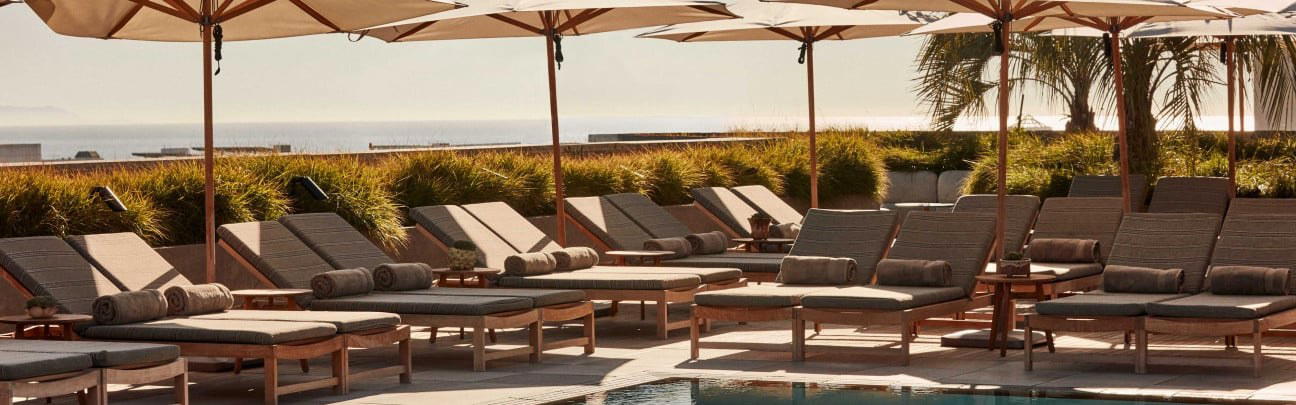
Sea Spa operates with an eco-minded wellness positioning, treatments are oriented toward restorative rather than purely cosmetic outcomes, which reflects the direction the California spa market has been moving. The Palm Terrace Pool sits on the property with sightlines to the Santa Monica Pier Ferris wheel, which makes it the kind of outdoor facility that rewards unhurried afternoons rather than quick laps. Twenty-four-hour room service rounds out the on-property amenities, which means the building functions as a self-contained environment for guests who prefer not to venture out every day.
For guests who do want to venture out, Palisades Park is close by, the cliff-leading strip of gardens and walkways above PCH delivers ocean panoramas that extend the experience of the coastline beyond the immediate hotel frontage. The Pier, Third Street Promenade, and the produce-focused farmers markets that anchor the area's food culture are all accessible on foot.
Where Casa del Mar Sits in the Wider LA Hotel Picture
Los Angeles luxury hotels split broadly across geography: Westside canyon properties, Beverly Hills addresses, West Hollywood design hotels, and the beach corridor. Casa del Mar's Michelin Key recognition (2024) puts it in a formally evaluated tier alongside a small number of other LA properties, while its Star Wine List credential adds a category-specific signal that most beach hotels don't carry.
For guests weighing the Santa Monica beachfront against inland alternatives like L'Ermitage Beverly Hills or Downtown LA Proper Hotel, the decision largely comes down to whether proximity to the Pacific is the primary objective. If it is, the address at 1910 Ocean Way is effectively without competition in the LA market. See our full Los Angeles restaurants guide for how the city's broader hotel and dining geography fits together.
For travellers comparing beachfront heritage properties across the US, the reference set might include Little Palm Island Resort & Spa in Little Torch Key or Post Ranch Inn in Big Sur, different coastal environments, but similar emphasis on place as the primary product. Further afield, the architectural heritage angle connects Casa del Mar more loosely to properties like Badrutt's Palace Hotel in St. Moritz or Aman Venice in Venice, where the building itself carries part of the proposition.
Planning a Stay
Casa del Mar sits at 1910 Ocean Way, Santa Monica, CA 90405, directly on the beach adjacent to the Santa Monica Pier. Rates start around $714 per night for standard guest rooms, with the three Penthouse Suites representing the best of the property's room tier. Booking directly through the hotel's own channels is the standard approach for rate transparency and room category availability. The property runs 129 rooms across its guest room and suite categories, with 24-hour room service and on-site spa, pool, and restaurant facilities covering most in-house needs. Santa Monica's proximity to Los Angeles International Airport (approximately 5 miles) makes this one of the more logistically accessible beachfront options in the market.
Nearby-ish Comparables
Comparable venues nearby, for context on price, style, and recognition.
| Venue | Cuisine | Price | Awards | Notes |
|---|---|---|---|---|
| Casa del MarThis venue (the venue you are viewing) | Historic beachfront luxury with old-school glamour | Not listed | 1 Michelin Key · Star Wine List | Not listed |
| Santa Monica Proper Hotel | luxury wellness retreat blending historic and modern architecture | Not listed | 1 Michelin Key · Star Wine List | Santa Monica |
| Shutters on the Beach | Residential beachfront resort with contemporary seaside charm | Not listed | 1 Michelin Key · Star Wine List | Ocean Park |
| Fairmont Miramar Santa Monica | Timeless luxury beachfront resort with bungalows and ocean tower | $500–750 | 1 Michelin Key · Star Wine List | Santa Monica |
| Hotel 850 SVB | residential-inspired boutique with European residential-style comforts blended with contemporary luxury service | Not listed | 1 Michelin Key · Mr & Mrs Smith Seal of Approval | WeHo |
| Chateau Marmont | Historic Hollywood chateau with private bungalows and cottages | $500–750 | 2 Michelin Keys · Mr & Mrs Smith Seal of Approval | Sunset Hills |
Recognition history
Dated appearances from independent guides and award organizations, with the underlying list record or original source where available.
Michelin 1 Key
Michelin
Star Wine List
Star Wine List
Forbes 4-Star
Forbes
Virtuoso Luxury Hotel Partner
Virtuoso
Preferred Hotels Member
Preferred Hotels
Full recognition history (8 entries)
Forbes 4-Star
Forbes
Michelin 1 Key
Michelin
Michelin 1 Key
Michelin
Casa del Mar
Featured Guides
Continue exploring
More in Los Angeles
Hotels in Los Angeles
All hotels in Los Angeles →
Bars in Los Angeles
All bars in Los Angeles →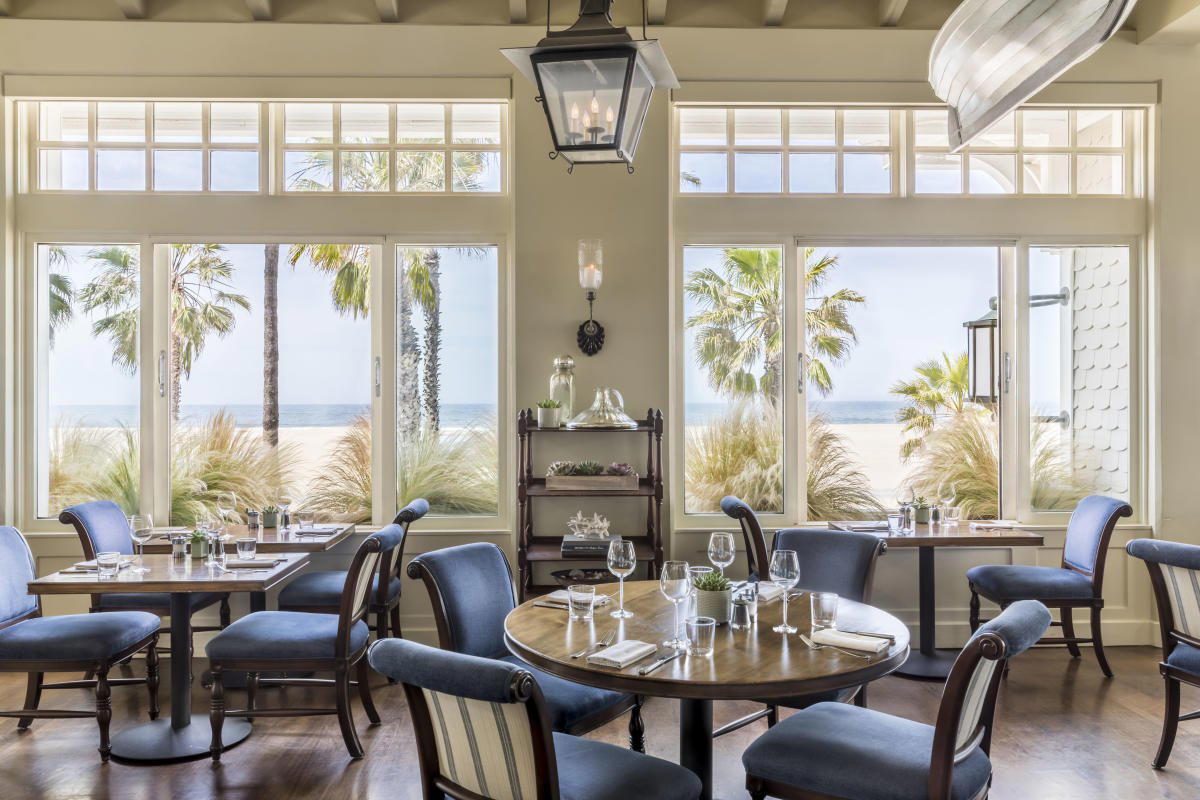
Restaurants in Los Angeles
All restaurants in Los Angeles →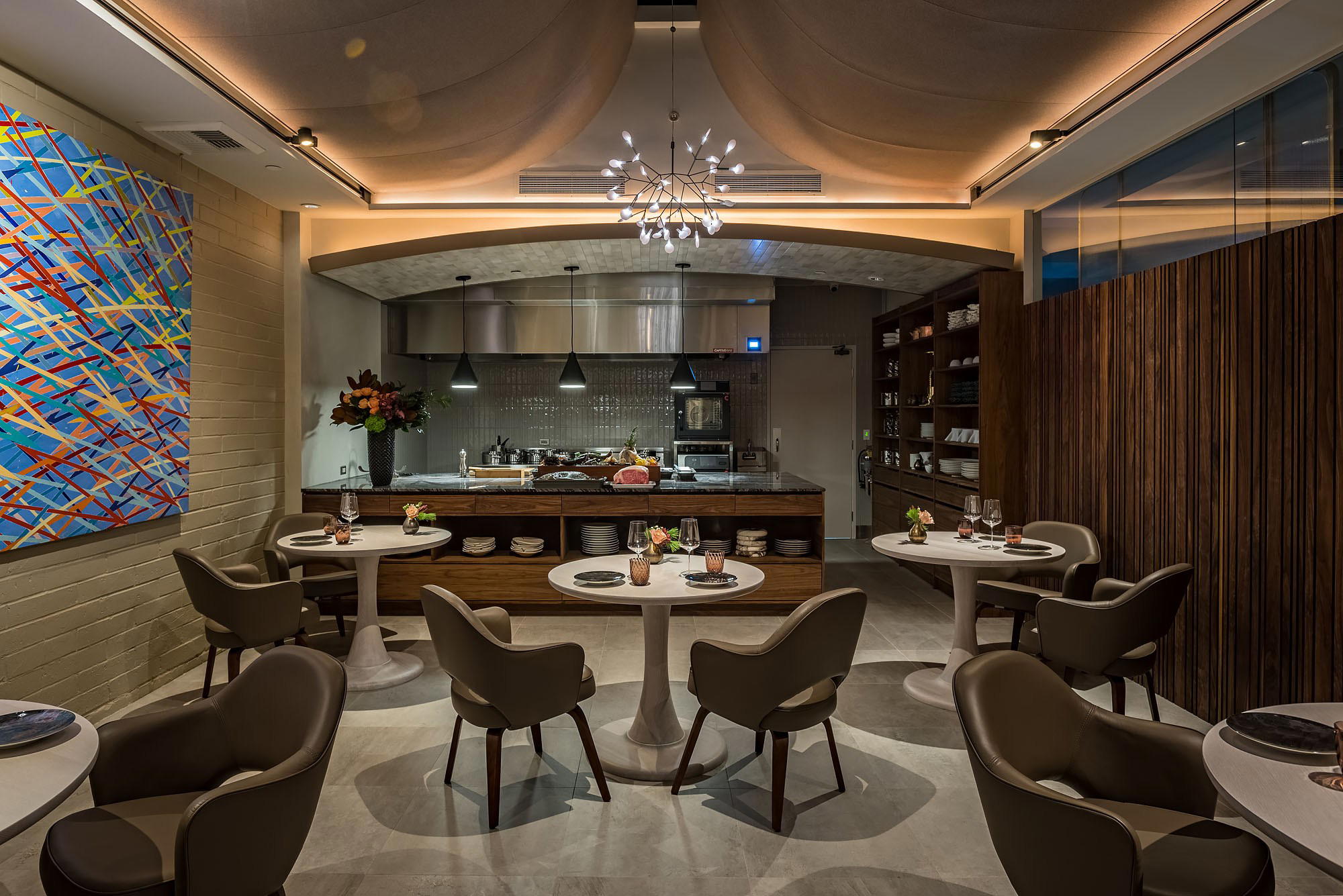
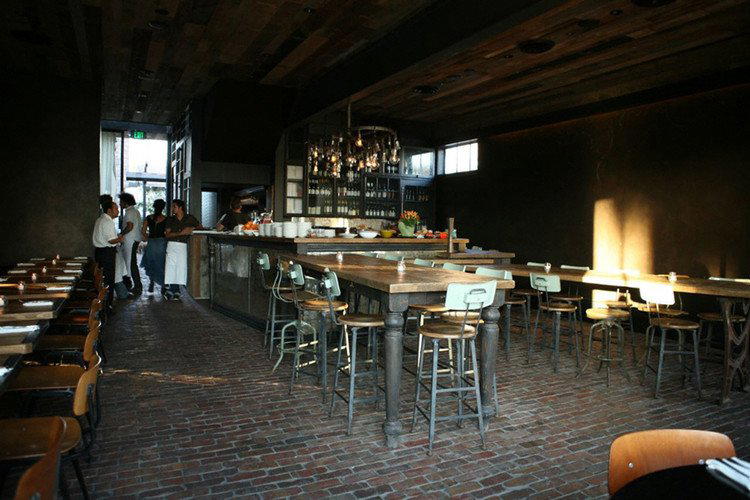
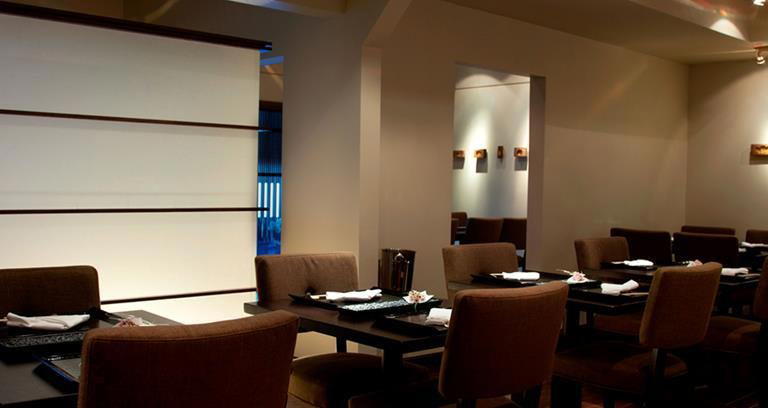
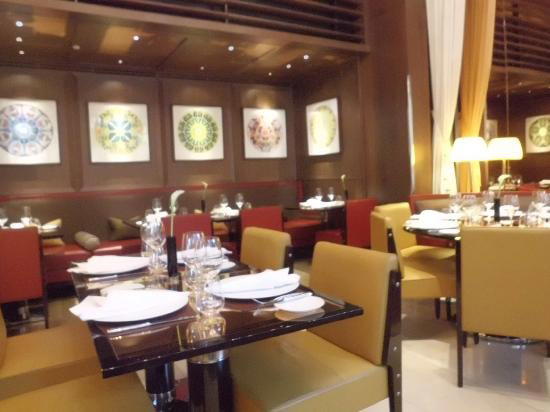
Wineries in Los Angeles
All wineries in Los Angeles →
Details
- Elegant
- Sophisticated
- Classic
- Ornate
- Well Known
- Romantic Getaway
- Honeymoon
- Weekend Escape
- Celebration
- Beachfront
- Rooftop Pool
- Destination Spa
- Panoramic View
- Pool
- Spa
- Fitness Center
- Room Service
- Concierge
- Valet Parking
- Wi Fi
- Restaurant
- Bar
- Bicycle Rental
- Waterfront
- Elevator
- Wheelchair Accessible
Ornate and relaxed sophistication with nautical hues, ocean-inspired spa lighting, and a decadent atmosphere enhanced by lobby fireplaces and seaside terraces.