

Michelin Bib Gourmand · Star Wine List
Our verdict
Perched on Mong Ha Hill away from the casino strip, IFTM Educational Restaurant is one of Macau's few dedicated venues for Macanese cuisine, earning consecutive Michelin Bib Gourmand recognition in 2024 and 2025. Run as a training restaurant by the Institute for Tourism Studies, it offers the territory's hybrid Portuguese-Chinese cooking tradition at mid-range prices, with a wine program that drew two Star Wine List recognitions in 2020.

Pearl is the En Primeur Club membership app, where members save venues, book tables and use the concierge.
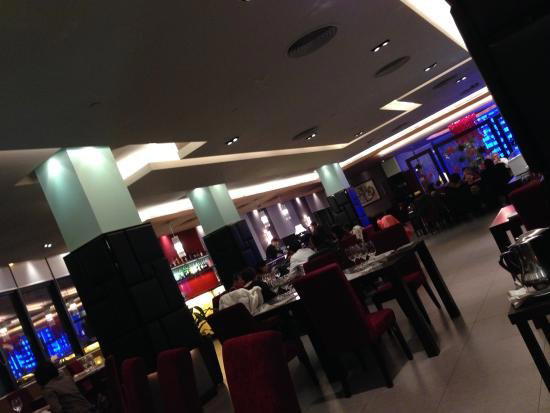
The menu
What to order
- Galinha à portuguesa
- Seafood paella
- Minchi
- Lobster cappuccino
- Octopus carpaccio
Mong Ha Hill and the Macau That Predates the Casinos
There is a version of Macau that has nothing to do with chandelier-lit gaming floors or Michelin-starred French kitchens inside tower hotels. That version sits on Mong Ha Hill, in the old town quarter where low-rise colonial buildings and mature trees define the streetscape rather than glass facades. Approaching the IFTM Educational Restaurant, operated by the Institute for Tourism Studies, the temperature of the neighbourhood itself signals a shift: quieter, more residential, closer to the Macau that existed before the post-2002 gaming liberalisation transformed the peninsula's southern tip into a Las Vegas-scale resort corridor.
The restaurant occupies this geography deliberately. As a training facility attached to Macau's dedicated tourism and hospitality institute, it functions at the intersection of culinary education and public dining, a format that has analogues in cities like Lyon (where Paul Bocuse's school once served public guests) and at institutions such as the Culinary Institute of America. What sets the IFTM version apart is its menu focus: Macanese cuisine, a cooking tradition that is genuinely rare even within Macau itself.
A Menu Architecture Built Around a Disappearing Tradition
Macanese cuisine is not simply Portuguese food cooked in China, nor is it Cantonese food with colonial garnishes. It is a distinct creole tradition shaped by four centuries of Portuguese trade routes that brought spicing from Goa, technique from Malacca, and ingredients from Africa and Brazil into a Cantonese-speaking household kitchen context. The resulting dishes, dishes like African chicken, minchi, and bacalhau preparations adapted to local palate and climate, represent one of the world's older fusion cuisines in a literal historical sense, not a chef's concept exercise.
The menu architecture at the IFTM Educational Restaurant reflects this logic. Rather than positioning Macanese food as a curiosity alongside international options, the menu grounds itself in the tradition's core preparations and builds outward. For a visitor trying to understand what differentiates Macanese cooking from the Cantonese restaurants that make up the majority of Macau's dining scene, or from the high-end European kitchens concentrated in Cotai, this structure is instructive. The meal functions as a working document of a culinary tradition with a small number of practitioners and no major commercial venue in the city that champions it as consistently.
This matters in a city where the dining conversation is dominated by either Cantonese cooking of the calibre represented by Jade Dragon (Cantonese) and Chef Tam's Seasons (Cantonese), or by European fine dining formats like Robuchon au Dôme (French Contemporary) and Alain Ducasse at Morpheus (French Contemporary). Macanese cuisine occupies a different tier and a different tradition entirely, and the IFTM restaurant is one of the few venues in Macau that treats it as a primary subject rather than a supporting detail.
Bib Gourmand Recognition and What It Signals About Price Positioning
The restaurant holds a Michelin Bib Gourmand for both 2024 and 2025, a designation that Michelin awards to venues delivering quality cooking at moderate prices.
The IFTM restaurant on Mong Ha Hill represents the peninsula-side option, with the added dimension of its educational mandate giving the menu a certain consistency of purpose that purely commercial venues may not sustain over time.
The wine program drew Star Wine List recognition in 2020, earning both a #1 and a #2 ranking from the platform in the same year. For a training restaurant operating at mid-range price points, this signals a wine list with more ambition and structure than the venue's format might suggest.
Educational Restaurants as a Dining Category
Dining at a training restaurant is a distinct experience from dining at a purely commercial operation. Service is delivered by students at varying stages of their training, which means interactions can be more deliberate and less fluid than at a professional full-service restaurant. This is not a limitation so much as a condition of the format. The same dynamic operates at culinary school restaurants in cities including New York, Paris, and Singapore, where the trade-off between polish and price is understood by regular guests.
The broader pattern of educational restaurants earning Michelin recognition is not new. The designation validates the cooking quality independently of service refinement, and the Bib Gourmand category is particularly suited to venues where the value equation is as important as the technical level.
Placing the IFTM Restaurant in the Wider Macau Context
Macau's dining scene, as covered in our full Macau restaurants guide, runs across an unusually compressed geography with an unusually wide range of formats: from training restaurants and neighbourhood Cantonese operations to some of the most expensive European fine dining rooms in Asia. Visitors who anchor their eating to the casino hotels miss the older layer of the city entirely.
For those organising a broader trip, our full Macau hotels guide, our full Macau bars guide, our full Macau experiences guide, and our full Macau wineries guide cover the territory's full range. The IFTM restaurant is a logical starting point for understanding the cuisine that is specific to Macau rather than imported into it.
Readers interested in educational or heritage-led dining formats across the region may also find useful context in covered venues like 102 House in Shanghai, Ru Yuan in Hangzhou, Xin Rong Ji (Xinyuan South Road) in Beijing, Xin Rong Ji in Chengdu, Imperial Treasure Fine Chinese Cuisine in Guangzhou, and Dai Yuet Heen in Nanjing for a wider picture of how Chinese regional and heritage cuisines are being preserved and presented across the mainland and SAR context. Further afield, the educational restaurant model finds its most rigorous Western expression in institutions that feed into places like Le Bernardin in New York City and Atomix in New York City, where the best of the professional pipeline is visible.
Know Before You Go
- Location: Mong Ha Hill (望廈山), Macau peninsula, old town area
- Cuisine: Macanese
- Price range: $$ (mid-range)
- Michelin: Bib Gourmand 2024 and 2025
- Wine recognition: Star Wine List #1 and #2 (2020)
- Format: Training restaurant operated by the Institute for Tourism Studies (IFTM)
- Hours: Not confirmed; verify before visiting as training restaurant schedules differ from commercial operations
What Should I Order at UTM Educational Restaurant?
The menu focuses on Macanese cuisine, so the most instructive approach is to order from the core of that tradition rather than from any international or supplementary options on the menu. Macanese cooking is anchored in dishes that reflect the territory's Portuguese-Chinese-creole history: preparations involving bacalhau (salted cod handled in the Portuguese tradition), African chicken (a spiced roast preparation that traces its route through the Mozambique-Goa-Macau trading corridor), and minchi (a minced meat dish that functions as everyday comfort food in Macanese households). These dishes are the primary reason to eat here rather than at a Cantonese restaurant elsewhere on the peninsula. The wine list earned Star Wine List recognition in 2020, suggesting that pairing a Portuguese varietal with the meal is worth the attention. The Bib Gourmand designation covers the cooking broadly, not a single dish, which means the kitchen's recognised quality extends across the menu rather than being concentrated in one preparation.
Frequently asked questions
What's the pricing like at UTM Educational Restaurant?
Pricing at UTM Educational Restaurant is listed as $$.
Is UTM Educational Restaurant Michelin-listed?
UTM Educational Restaurant has received recognition including: This is a great place to go if you prefer to explore the old town aesthetic rather than the glamorous casino centre. The IFTM Educational Restaurant is located at the Mong Ha Hill and is known for its...; Michelin Bib Gourmand (2025); Miche….
What should I order at UTM Educational Restaurant?
The menu centres on Macanese cuisine, a creole tradition distinct from both Portuguese and Cantonese cooking, so ordering from that core gives the most context for why the restaurant holds a Michelin Bib Gourmand in 2024 and 2025. Look for dishes that reflect the Portuguese-Asian fusion heritage of the tradition rather than any international additions to the menu. At the $$ price point, it is practical to order broadly across the menu rather than anchoring to a single dish.
What part of town is UTM Educational Restaurant in?
UTM Educational Restaurant is located at Macao, 望廈山, Macau.
How It Stacks Up
A quick peer reference to anchor this venue in its category.
| Venue | Cuisine | Price | Awards | Notes |
|---|---|---|---|---|
| UTM Educational RestaurantThis venue (the venue you are viewing) | Modern Macanese-Portuguese | $30–50 | Michelin Bib Gourmand · Star Wine List | Not listed |
| Aji | Asian Bistronomy (Nikkei Fusion) | $50–100 | 1 Michelin Star · Wine Spectator Best of Award of Excellence | Nikkei, Innovative |
| Ying | Modern Cantonese Fine Dining | Not listed | 1 Michelin Star · La Liste Top Restaurants | Cantonese |
| Five Foot Road | Modern Sichuan Fine Dining | Not listed | 1 Michelin Star · La Liste Top Restaurants | Sichuan |
| Robuchon au Dôme | Contemporary French Fine Dining | $150–200 | 3 Michelin Stars · La Liste Top Restaurants | French Contemporary |
| Feng Wei Ju | Refined Hunan & Sichuan Chinese | Not listed | 2 Michelin Stars · La Liste Top Restaurants | Hunan-Sichuan, Hunanese |
Recognition history
Dated appearances from independent guides and award organizations, with the underlying list record or original source where available.
Michelin Bib Gourmand
Michelin
Star Wine List
Star Wine List
Full recognition history (5 entries)
Michelin Bib Gourmand
Michelin
Michelin Bib Gourmand
Michelin
Star Wine List
Star Wine List
Continue exploring
More in Macau
Restaurants in Macau
All restaurants in Macau →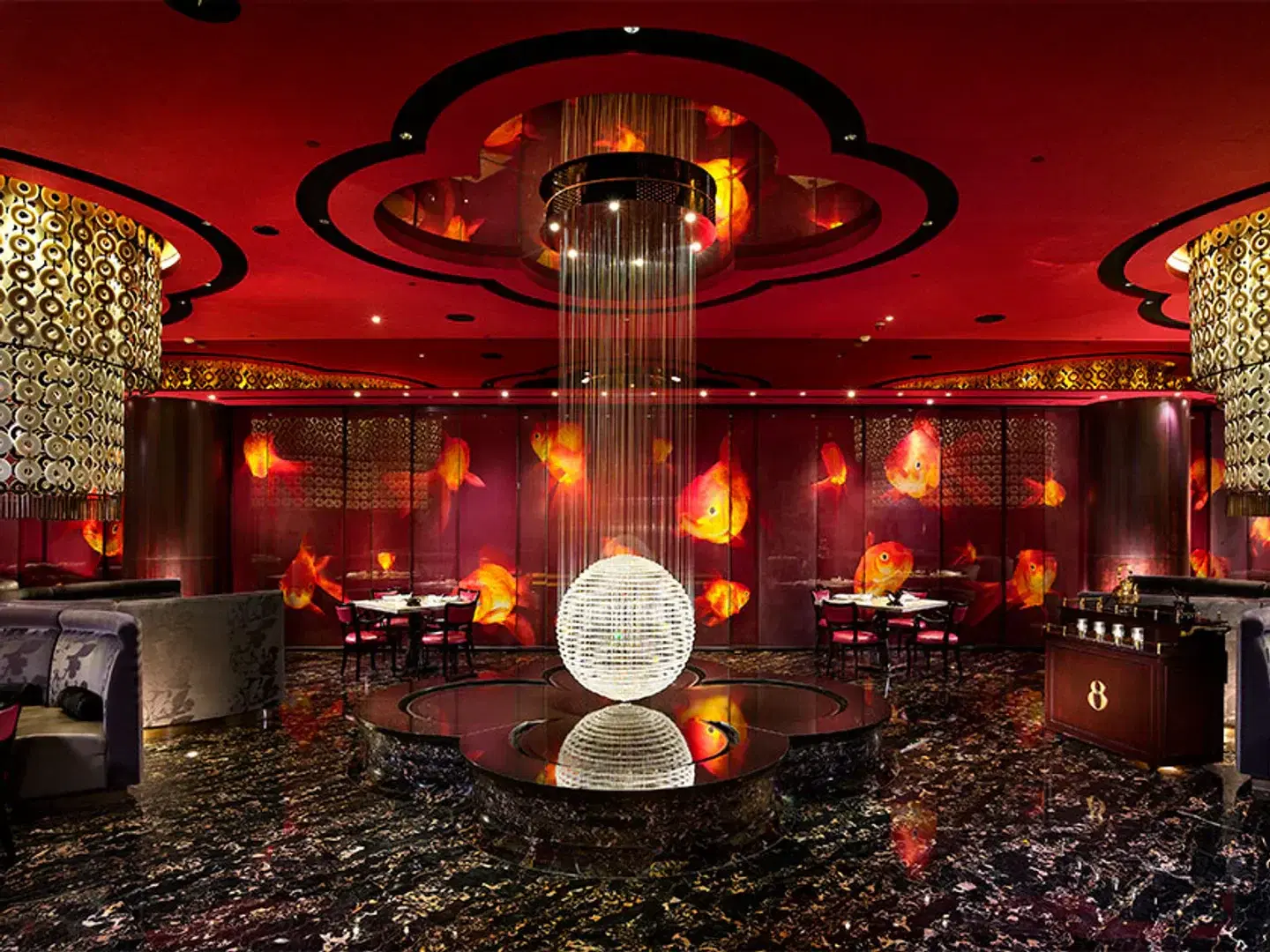
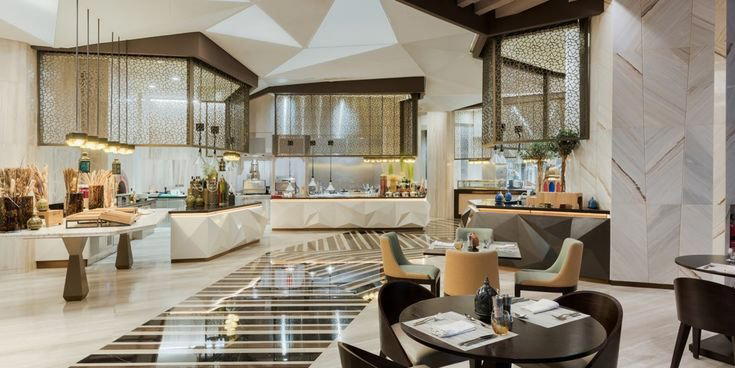
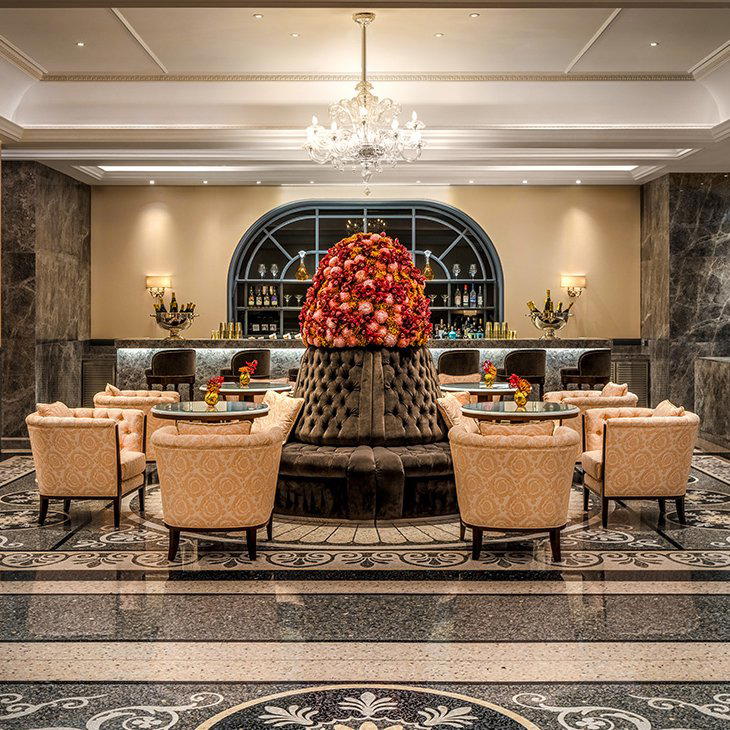
Bars in Macau
All bars in Macau →
Details
- Elegant
- Modern
- Quiet
- Sophisticated
- Business Dinner
- Date Night
- Special Occasion
- Group Dining
- Family
- Live Music
- Garden
- Open Kitchen
- Private Dining
- Extensive Wine List
- Sommelier Led
- Farm To Table
- Local Sourcing
- Zero Waste
- Garden
- Set Menu
- A La Carte
- Buffet
- Portuguese Wine
- Craft Beverages
- Vegetarian Friendly
- Gluten Free Options
- Allergy Accommodating
Current opening hours
- Monday
- 12–3 PM, 6:30–10 PM
- Tuesday
- 12–3 PM, 6:30–10 PM
- Wednesday
- 12–3 PM, 6:30–10 PM
- Thursday
- 12–3 PM, 6:30–10 PM
- Friday
- 12–3 PM, 6:30–10 PM
- Saturday
- 12–3 PM, 6:30–10 PM
- Sunday
- Closed
Hours can change for holidays and private events. Hours as of .
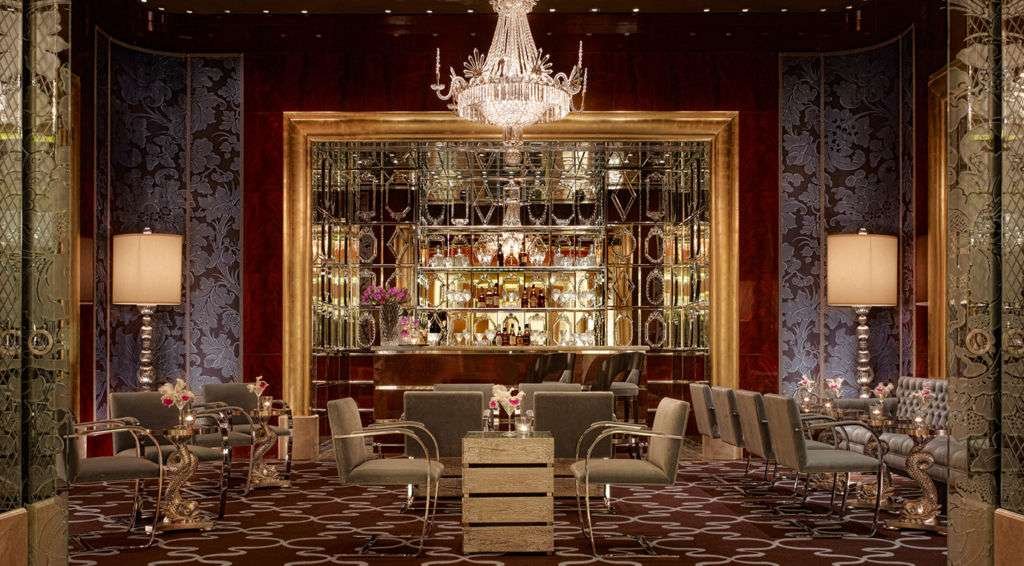
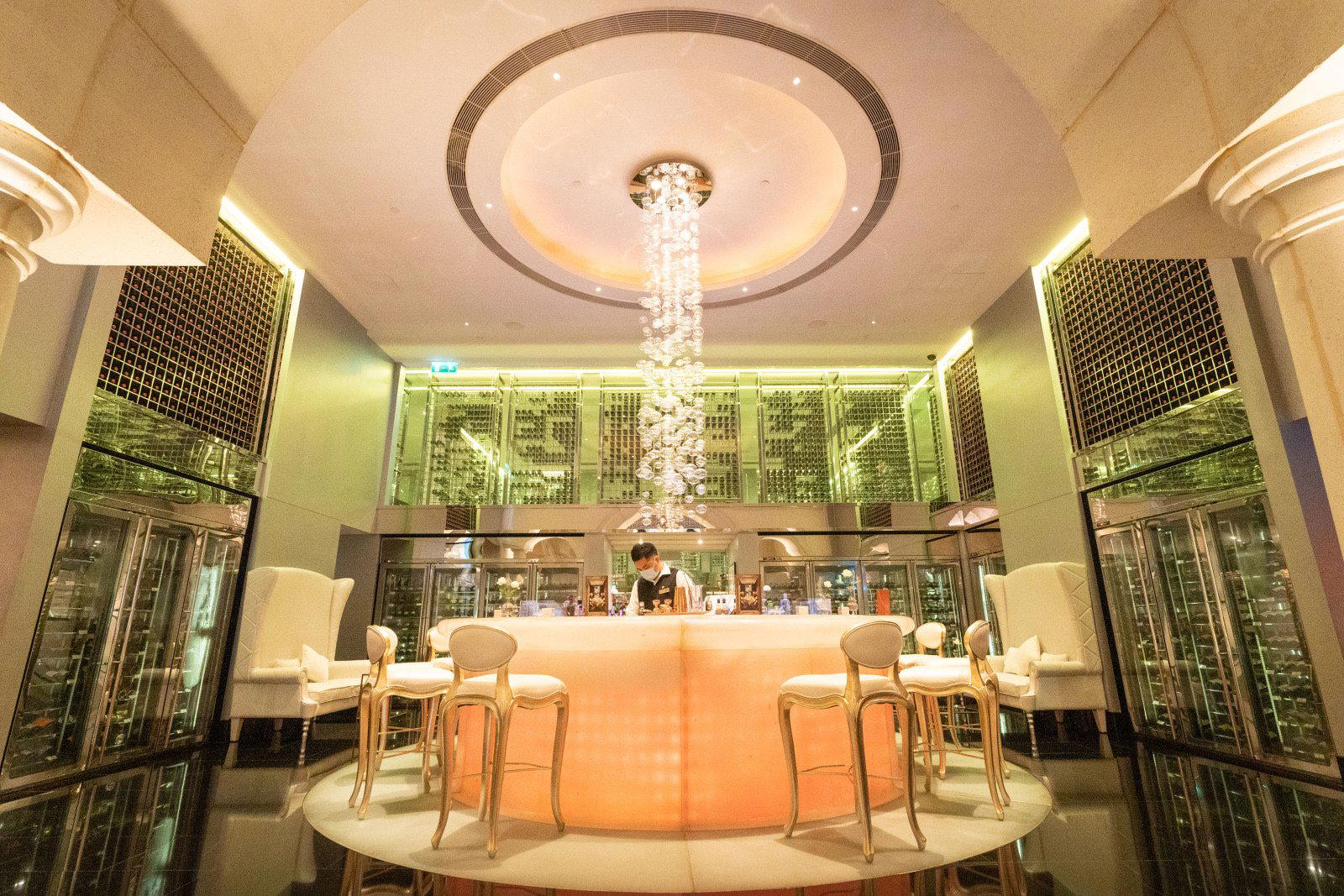
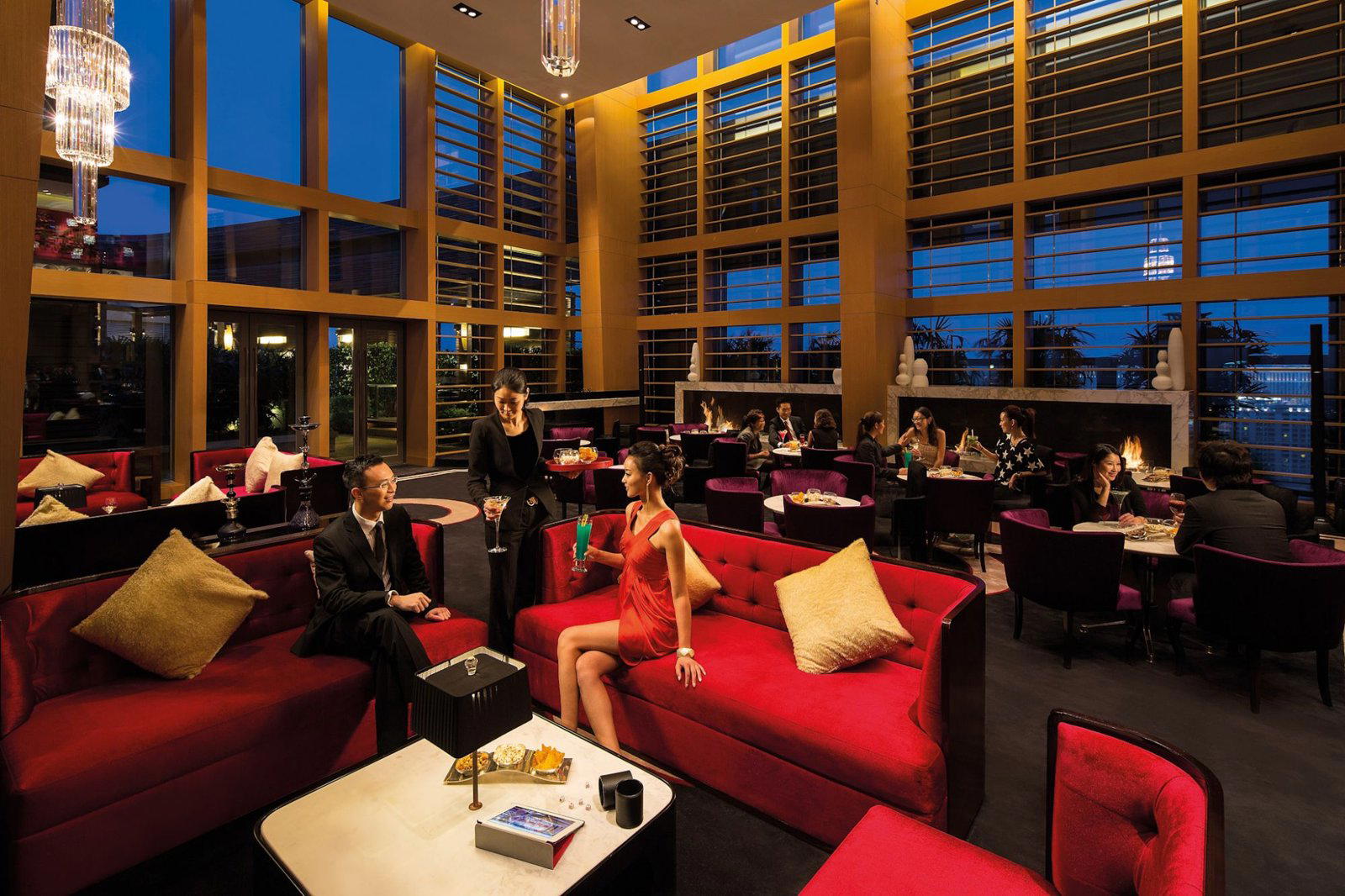
Modern and stylish with serene garden surroundings, panoramic windows, well-spaced tables, and a calm yet elegant atmosphere that feels refined without being pretentious.