





2 Michelin Stars · La Liste Top Restaurants · Forbes 5-Star
Our verdict
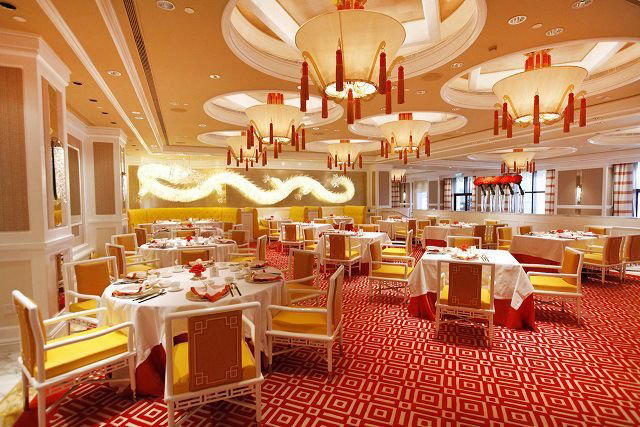
Wing Lei at Wynn Macau holds two Michelin stars and consecutive La Liste Top Restaurant scores above 91 points, placing it among Macau's most decorated Cantonese addresses. The dining room announces itself with a flying dragon rendered in 90,000 Swarovski crystals, but the cooking — classical Cantonese technique, premium seasonal ingredients, and considered dim sum — is the real reason the room fills. Under Chef Ming Yu, it earns its place in any serious reckoning of the city's Chinese fine dining tier.

Pearl is the En Primeur Club membership app — saves, bookings, and concierge access live there. Same editors, same standards.
- Address
- Wynn Macau, R. Cidade de Sintra, Macao
- Phone
- +853 8986 3663
- Hours
- Mon–Sat 11:30 AM–3 PM, 6–11 PMSun 10:30 AM–3:30 PM, 6–11 PM
- Website
- wynnresortsmacau.com
- Directions
- Get directions
- Booking
- Book on the venue's website
The menu
What to order
- Aged wagyu with garlic
- Fried mochi with custard
- Red rice and gold dragon king rice rolls
A Room That Sets Its Terms Immediately
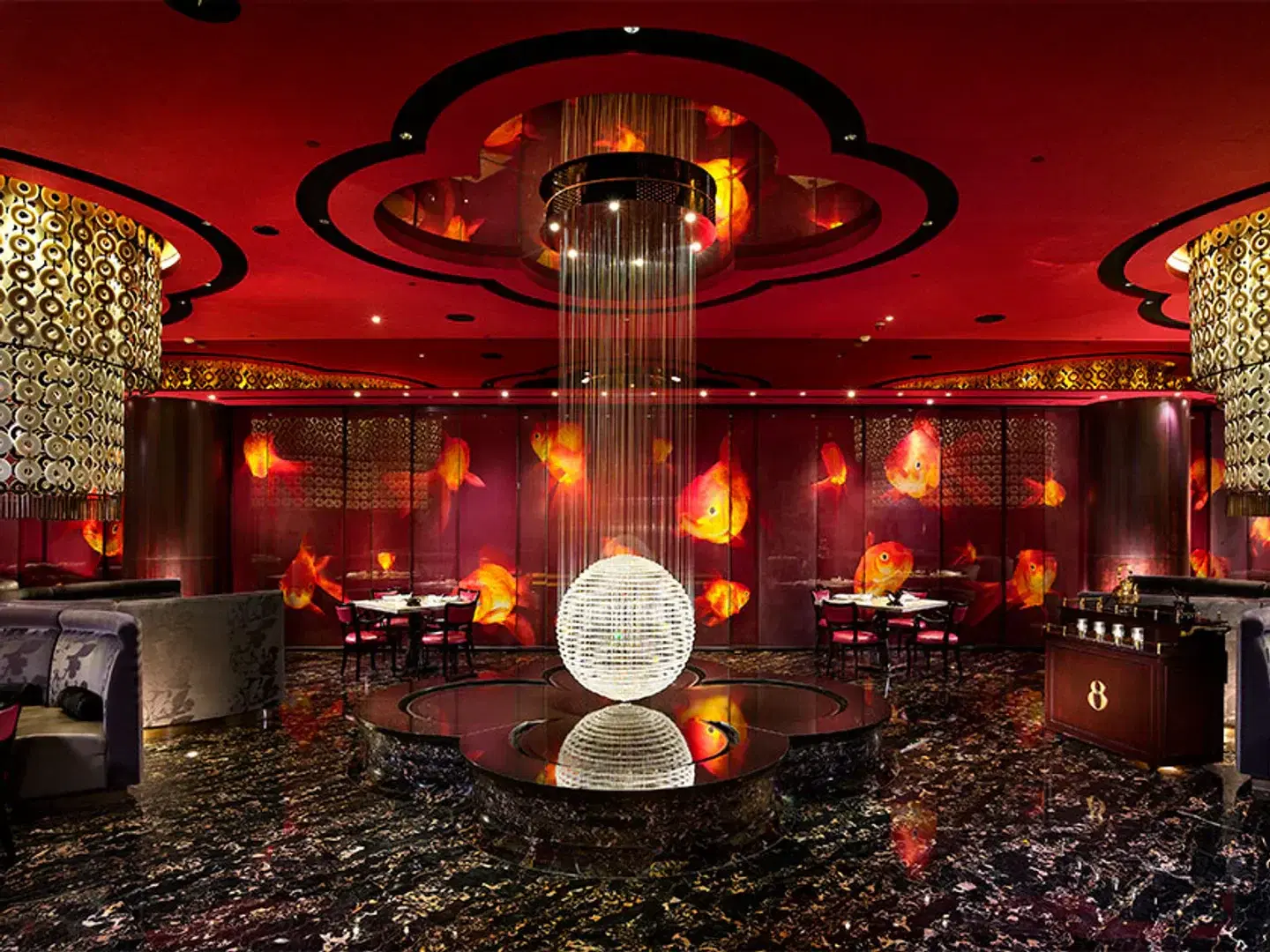
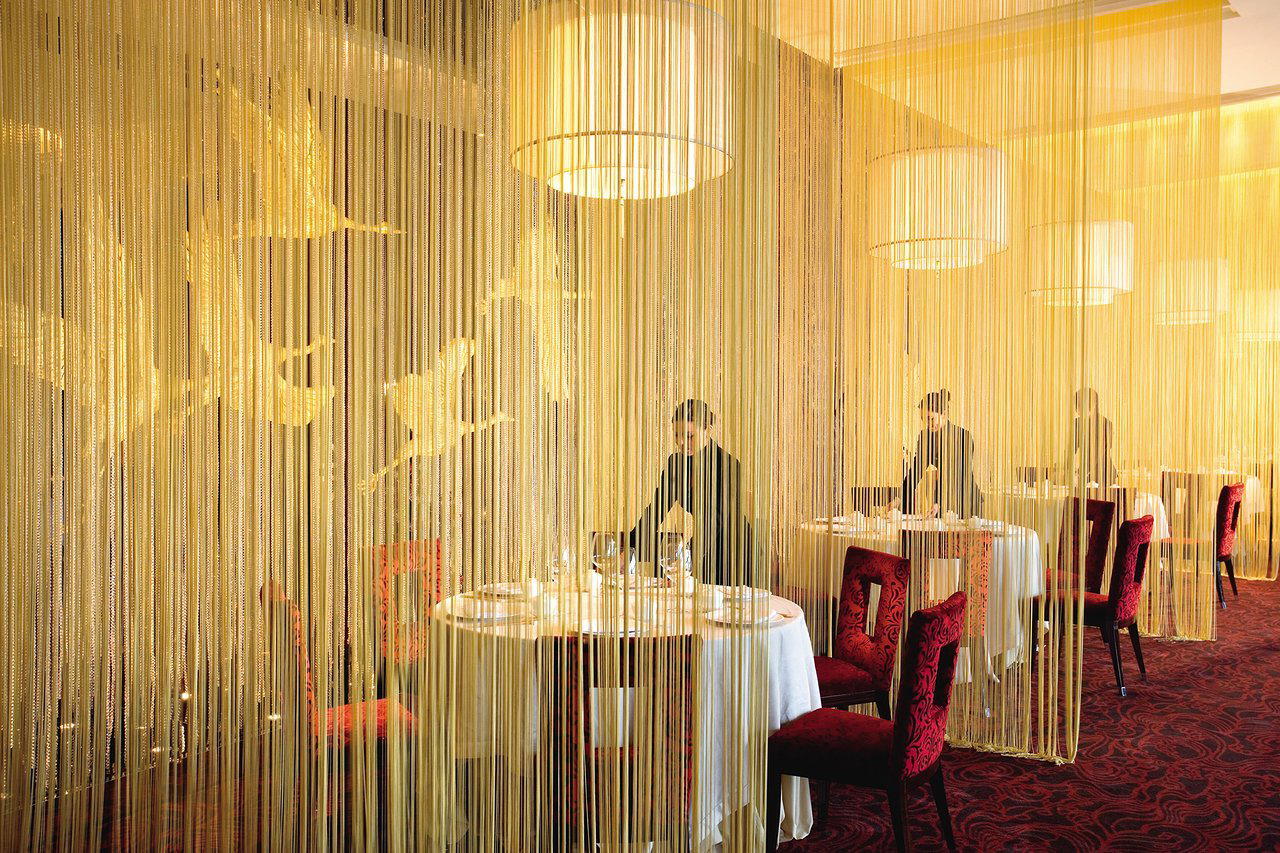
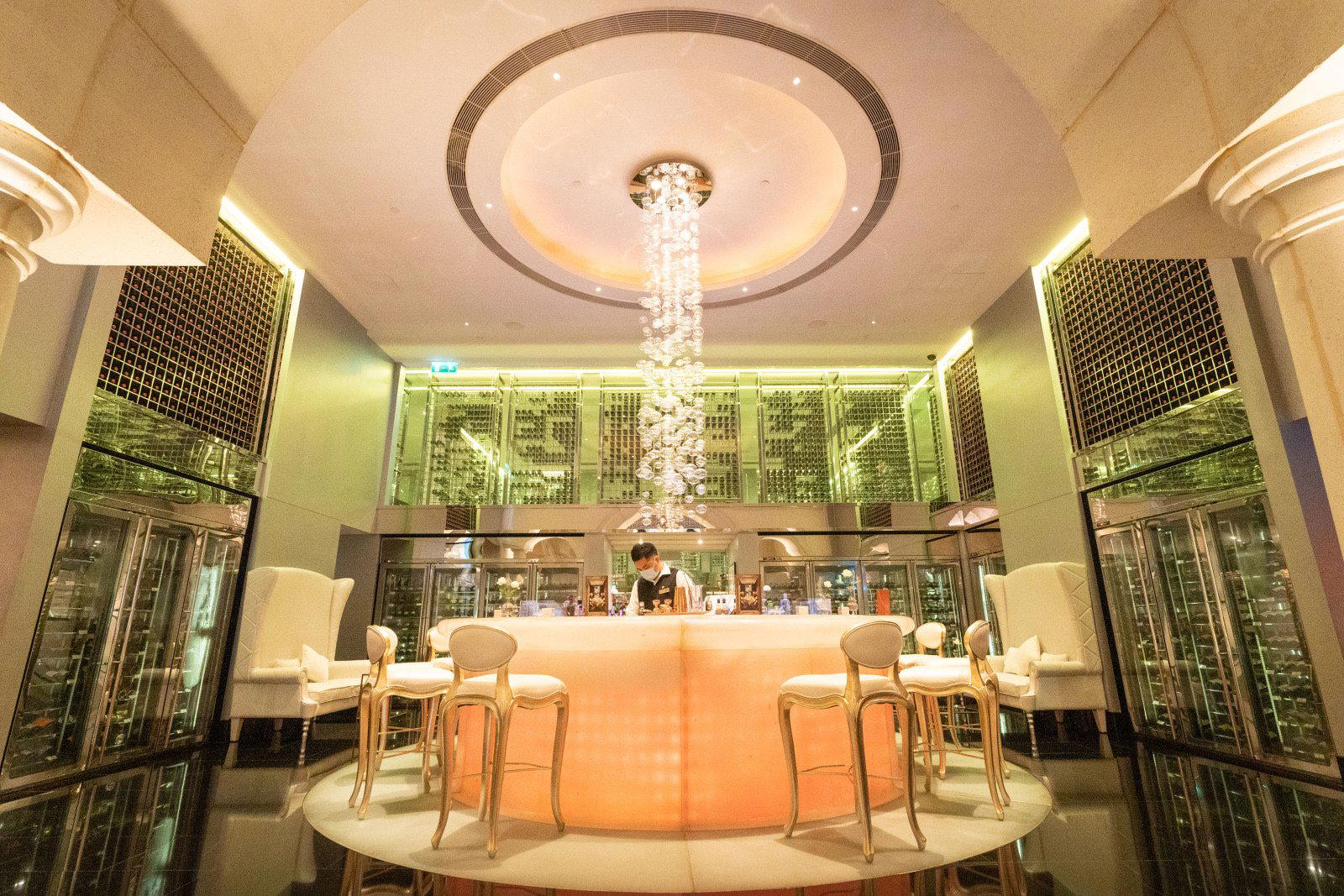
The moon gate at Wing Lei is not decorative in the usual hotel-restaurant sense. Passing through it is a deliberate compositional choice: the circular frame focuses your eye before the dining room fully opens, so the first thing that registers is the dragon — 90,000 Swarovski crystals and blown glass, lit from within against a deep yellow ground, suspended above the room as though mid-flight. It is an extravagant statement, and it makes no apology for itself. Macau's Cotai and peninsula casino-hotel dining rooms have historically leaned into spectacle, and Wing Lei, which sits within Wynn Macau on Rua Cidade de Sintra, inhabits that tradition while grounding it in culinary substance that can stand independent of the décor.
That balance between visual theatre and kitchen seriousness is, in many ways, the defining challenge for Cantonese fine dining inside integrated resort properties. Several of Macau's leading Chinese rooms — including Jade Dragon, Lai Heen, and Pearl Dragon, operate inside properties where architecture and interior budget can dwarf the culinary programme. Wing Lei's two Michelin stars, held through 2024, and La Liste scores of 91 points in 2026 and 91.5 points in 2025, signal that the kitchen has earned its own authority within that context. For a broader map of where Wing Lei sits relative to the city's full dining spectrum, our full Macau restaurants guide covers the range.
Wok Hei and the Discipline Behind It
Cantonese cooking at this level lives and dies on high-heat precision. Wok hei, the breath of the wok, that slightly charred, smoky volatility that comes only from a seasoned carbon-steel pan over a fierce flame, cannot be faked or replicated in advance. It is the product of a cook who knows when to toss, when to press, when to pull the pan back from the fire, and how to sustain that window of caramelised intensity without tipping into bitterness. At the tier Wing Lei occupies, the expectation is that every dish requiring wok technique arrives with that quality intact: not as a flourish, but as a baseline.
Chef Ming Yu leads the kitchen, and while the Michelin and La Liste recognition speaks to consistent execution, the cooking philosophy here aligns with classical Cantonese priorities: ingredient quality above novelty, restraint in seasoning, and respect for the natural character of each component. The approach is less about transformation and more about precision, knowing the exact moment when a protein reaches its optimum texture, when a sauce reduces to the right viscosity, when aromatic vegetables have contributed without overpowering. This places Wing Lei in a different register from Macau's Sichuan-inflected or fusion-leaning rooms. For context on how the Cantonese idiom plays out at comparable addresses elsewhere, Forum in Hong Kong and Le Palais in Taipei represent reference points in their respective cities.
Dim Sum, Classics, and the Seasonal Rotation
The menu operates along two tracks that are common to high-end Cantonese houses: a main menu of wok dishes and braised preparations, and a dim sum programme that runs as its own exercise in small-format precision. Dim sum at this level is a distinct discipline, the pleating of har gow, the filling-to-wrapper ratio in char siu bao, the balance of savoury and sweet in egg tarts, and the Opinionated About Dining rankings (133rd globally in 2025, 196th in 2024, and Highly Recommended in 2023) reflect that the kitchen has maintained that standard across multiple assessment cycles.
The seasonal dimension is where the menu demonstrates its depth. The awards copy references clay pot rice and Dongshan goat as winter specials worth asking about directly, and that seasonal attentiveness is characteristic of classical Cantonese kitchens that source according to what is at peak rather than what is convenient. Dongshan goat, from the island off Fujian province, has a particular flavour profile tied to the saline coastal grasses the animals graze on, it is an ingredient with a specific provenance, and its appearance on a winter menu signals genuine sourcing attention rather than seasonal decoration. Clay pot rice, meanwhile, is a technique as much as a dish: the crust that forms at the base of the pot as the rice absorbs flavour from the proteins above it is the whole point, and it requires patience that the pace of a busy hotel kitchen can easily sacrifice. That Wing Lei includes it as a seasonal recommendation suggests the kitchen treats it seriously.
Peer Cantonese addresses across mainland China pursuing similar seasonal discipline include Xin Rong Ji in Beijing, Imperial Treasure Fine Chinese Cuisine in Guangzhou, and Dai Yuet Heen in Nanjing, each operating in the premium Cantonese tier with comparable sourcing expectations. For a different regional register within Chinese fine dining, Ru Yuan in Hangzhou and Xin Rong Ji in Chengdu offer useful points of contrast, while 102 House in Shanghai sits within the broader fine Chinese dining conversation.
Where Wing Lei Sits in Macau's Cantonese Tier
Macau's Cantonese fine dining scene has consolidated around a small group of two- and three-Michelin-star rooms, most of them inside casino-hotel properties. The integrated resort context matters: these kitchens benefit from substantial operational budgets, broad supplier networks, and the ability to sustain staffing levels that standalone restaurants cannot always match. The trade-off is an expectation of high-volume service across multiple meal periods, which puts pressure on consistency in a way that smaller, reservation-only formats do not face.
Wing Lei's pricing at the $$$ tier places it at the more accessible end of the premium Cantonese range in Macau, below the $$$$ rooms like Chef Tam's Seasons, and roughly equivalent in positioning to Ying. The Michelin two-star designation and the La Liste scores position it above the mid-tier hotel Chinese restaurants but below the singular three-star operators. Google's average across 341 reviews, a sample size that includes a broad cross-section of diners rather than only specialist critics, suggests that the kitchen performs consistently across the full service range, not merely when a critic is present.
For those planning around the full scope of Macau's hospitality and leisure offering, EP Club's guides to Macau hotels, Macau bars, Macau experiences, and Macau wineries cover the city's broader offer.
Planning Your Visit
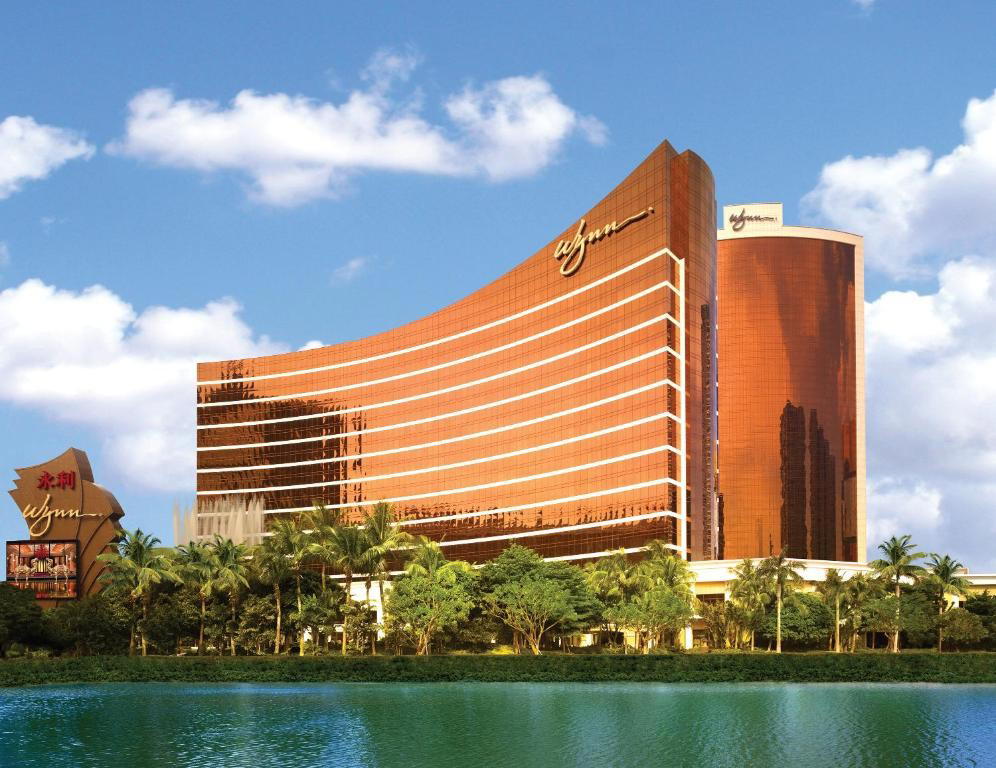
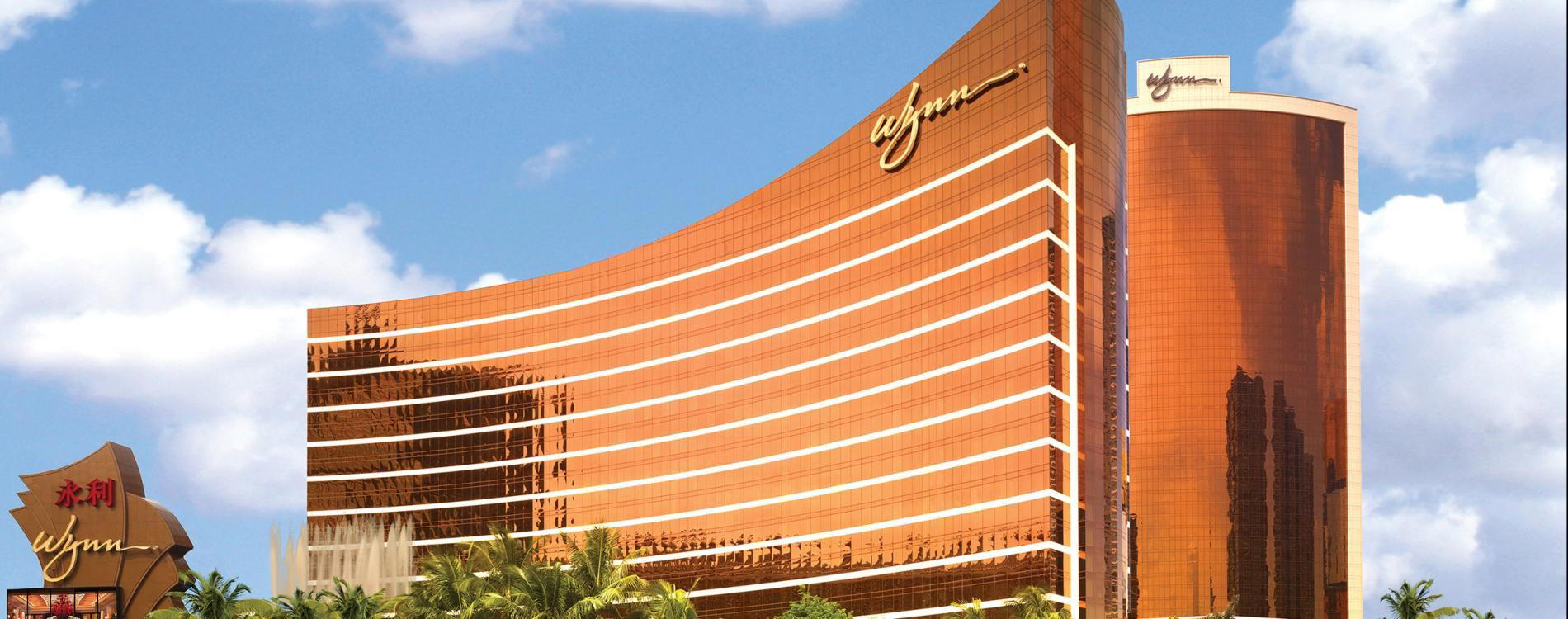
Wing Lei is housed within Wynn Macau on Rua Cidade de Sintra on the Macau peninsula, distinct from the Cotai Strip properties. The property is accessible from the ferry terminals via Wynn's shuttle service, which runs from both the Outer Harbour and Taipa ferry terminals, a practical consideration for visitors arriving from Hong Kong. The room's description as suited to both power lunches and informal gatherings reflects a genuine flexibility: the service model appears to accommodate the full spectrum of Wynn's guest mix, from corporate entertaining to family dim sum. For seasonal dishes including the winter clay pot rice and Dongshan goat preparations, inquiring directly at the time of booking is advisable, as availability is not guaranteed across the menu calendar. The $$$ price tier suggests a bill in the range common to two-star hotel Cantonese rooms in Macau, with dim sum typically representing the lower end of the spend range and multi-course dinner orders the upper.
Frequently asked questions
What is the signature dish at Wing Lei?
Wing Lei does not publicly designate a single signature dish, and the menu's strengths are distributed across both the dim sum programme and the main Cantonese kitchen. The seasonal preparations, particularly clay pot rice and Dongshan goat in winter, are specifically flagged by the restaurant as dishes worth seeking out, and they reflect the kitchen's sourcing priorities more directly than any year-round menu item. The dim sum is consistently cited in award assessments, with Opinionated About Dining placing the restaurant in its global top 200 across multiple consecutive years, which speaks to the small-format precision that defines the offering. Under Chef Ming Yu, the two Michelin stars and La Liste recognition across both 2025 and 2026 anchor the kitchen's credibility across the full menu rather than around any single preparation. For context on how Wing Lei's Cantonese cooking compares within Macau's broader dining scene, or how it sits relative to Cantonese addresses like Forum in Hong Kong or Le Palais in Taipei, the EP Club guides provide the comparative framework.
Comparable Spots, Quickly
| Venue | Cuisine | Price | Awards | Notes |
|---|---|---|---|---|
| Wing LeiThis venue — the venue you are viewing | Modern Cantonese Fine Dining | Not listed | 2 Michelin Stars · La Liste Top Restaurants | Not listed |
| Aji | Asian Bistronomy (Nikkei Fusion) | $50–100 | 1 Michelin Star · Wine Spectator Best of Award of Excellence | Nikkei, Innovative |
| Ying | Modern Cantonese Fine Dining | Not listed | 1 Michelin Star · La Liste Top Restaurants | Cantonese |
| Five Foot Road | Modern Sichuan Fine Dining | Not listed | 1 Michelin Star · La Liste Top Restaurants | Sichuan |
| Robuchon au Dôme | Contemporary French Fine Dining | $150–200 | 3 Michelin Stars · La Liste Top Restaurants | French Contemporary |
| Feng Wei Ju | Refined Hunan & Sichuan Chinese | Not listed | 2 Michelin Stars · La Liste Top Restaurants | Hunan-Sichuan, Hunanese |
Recognition history
Dated appearances from independent guides and award organizations, with the underlying list record or original source where available.
Michelin 2 Stars
Michelin
La Liste Top Restaurants
La Liste
Forbes 5-Star
Forbes
SCMP 100 Top Tables Restaurants
SCMP 100 Top Tables
Wine Spectator Best of Award of Excellence
Wine Spectator
Full recognition history (13 entries)
La Liste Top Restaurants
La Liste
Michelin 2 Stars
Michelin
Opinionated About Dining Top Restaurants in North America Ranked #133
Opinionated About Dining
Wine Spectator Best of Award of Excellence
Wine Spectator
Michelin 2 Stars
Michelin
Opinionated About Dining Top Restaurants in North America Ranked #196
Opinionated About Dining
Opinionated About Dining Top Restaurants in Asia Ranked #68
Opinionated About Dining
Opinionated About Dining Top Restaurants in North America Highly Recommended
Opinionated About Dining
Continue exploring
More in Macau
Restaurants in Macau
Browse all →
Details
- Elegant
- Ornate
- Sophisticated
- Special Occasion
- Business Dinner
- Group Dining
- Celebration
- Hotel Restaurant
- Sake Program
- A La Carte
- Tasting Menu
Current opening hours
- Monday
- 11:30 AM–3 PM, 6–11 PM
- Tuesday
- 11:30 AM–3 PM, 6–11 PM
- Wednesday
- 11:30 AM–3 PM, 6–11 PM
- Thursday
- 11:30 AM–3 PM, 6–11 PM
- Friday
- 11:30 AM–3 PM, 6–11 PM
- Saturday
- 11:30 AM–3 PM, 6–11 PM
- Sunday
- 10:30 AM–3:30 PM, 6–11 PM
Hours can change for holidays and private events. Last verified .
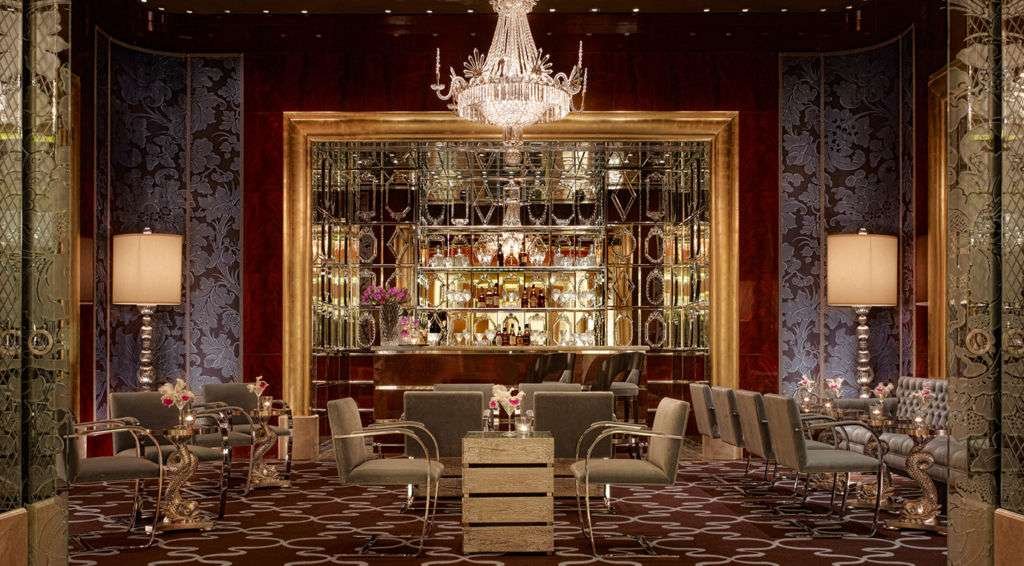
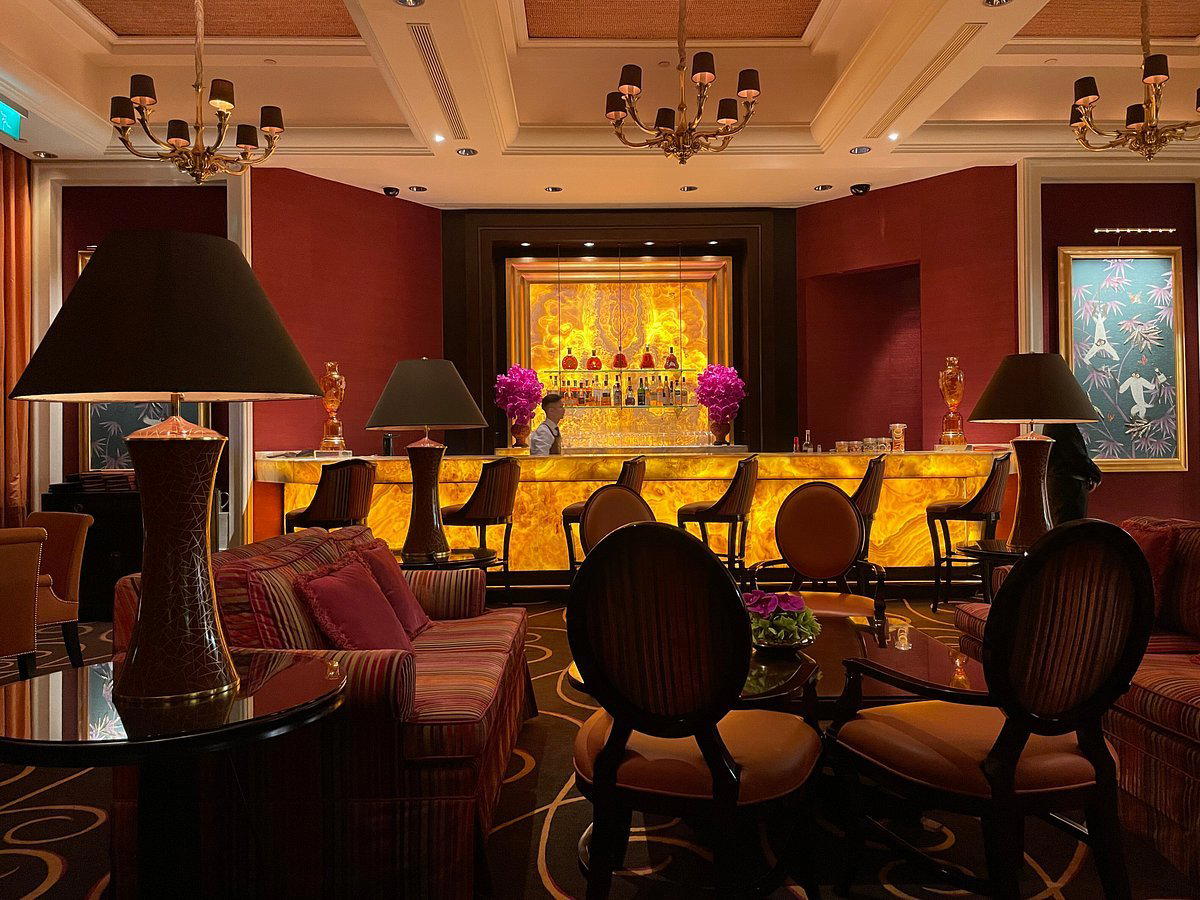
Lavish and ornate with luxurious decor, red color theme, frosted crystal flying dragon, and a palatial atmosphere.