Urban Hearth


Michelin Plate · James Beard Award Semi Finalist
Our verdict
Urban Hearth on Massachusetts Avenue operates in the compact, chef-driven format that defines Cambridge's serious dining tier: a handful of tables, a four-seat tasting menu bar, and a kitchen built around New England's seasonal and foraged supply. Chef Erin Miller's farm-to-table approach produces dishes like heirloom tomato salad with whipped goat cheese and fazzoletti pasta with saffron and hyssop chermoula, grounded in regional sourcing and careful technique.

Pearl is the En Primeur Club membership app — saves, bookings, and concierge access live there. Same editors, same standards.
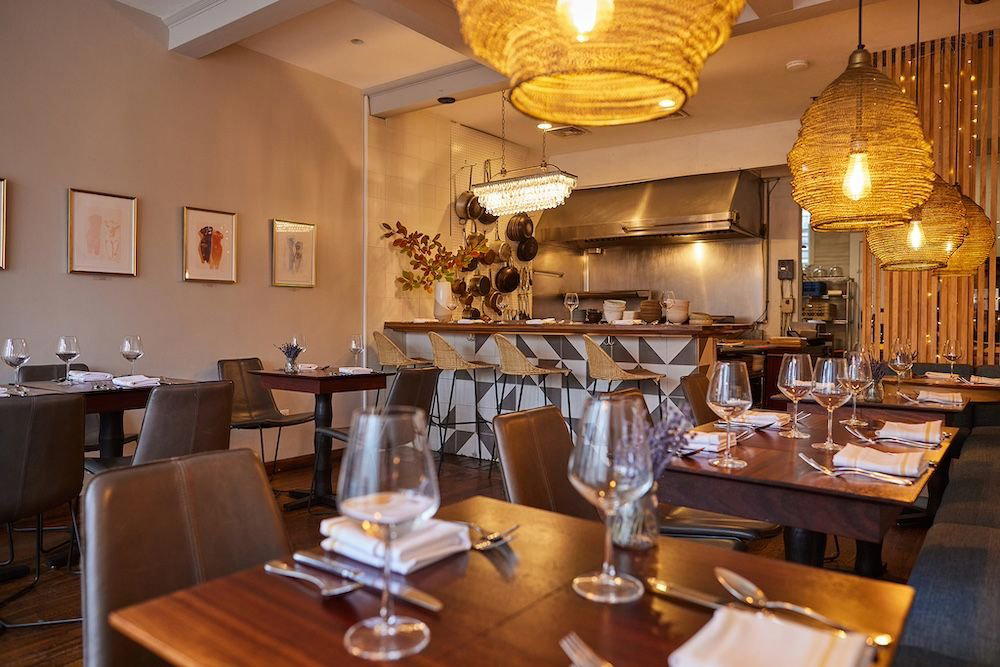
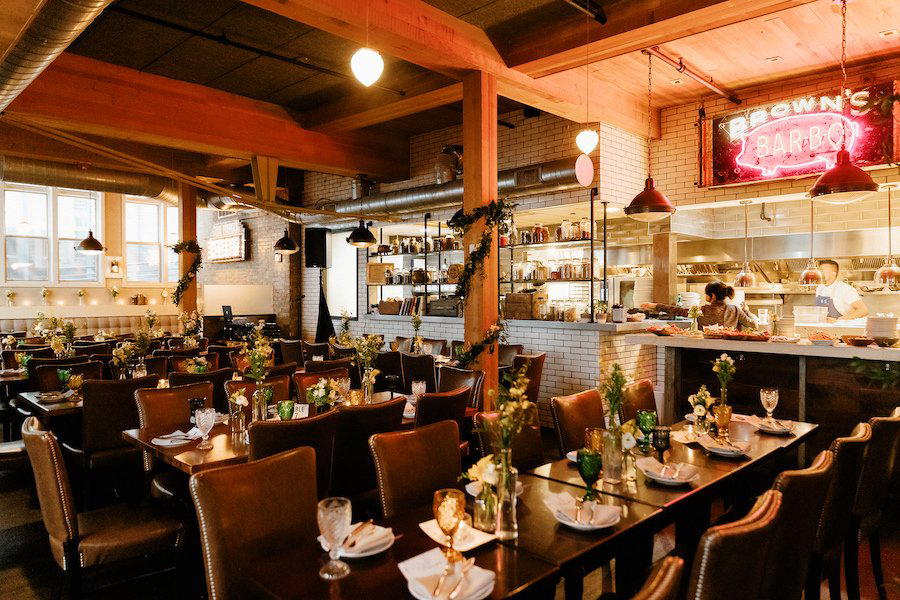
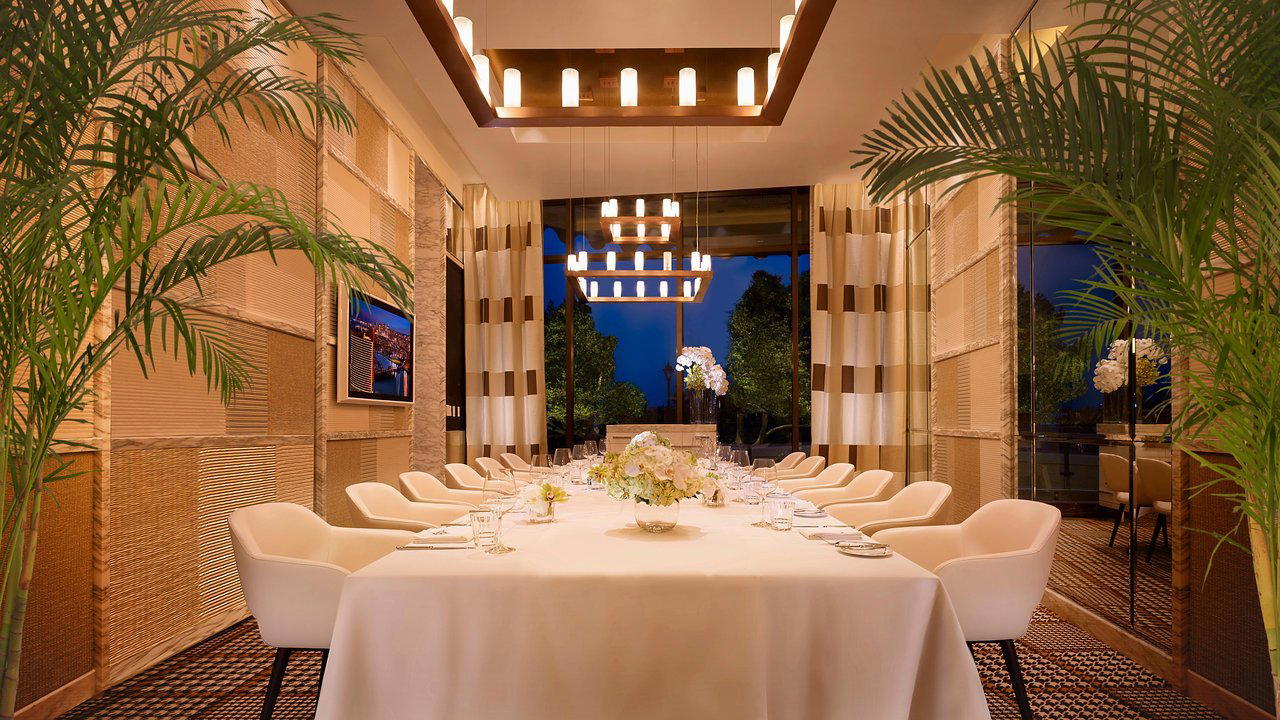
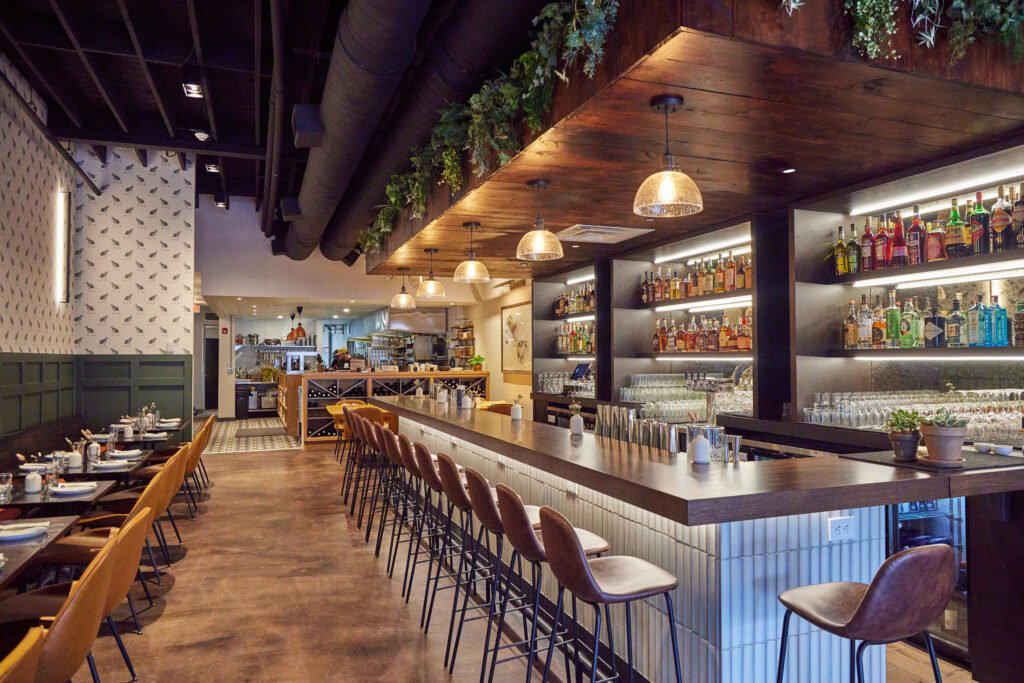
Massachusetts Avenue north of Porter Square has a quieter register than the Harvard Square cluster of Cambridge dining, and Urban Hearth reads that way from the outside: no marquee signage, no queue management infrastructure, just a room of modest proportions that signals its intent through restraint rather than statement. Inside, the space resolves into a sprinkling of tables and a four-seat bar, the latter reserved exclusively for guests taking the multicourse tasting menu. That format decision alone places Urban Hearth within a specific tier of the Cambridge dining scene, one where the room size is a deliberate editorial choice rather than a real-estate compromise.
Where Urban Hearth Sits in the Cambridge Dining Map
Cambridge operates a more compressed fine-dining ecosystem than Boston proper, shaped partly by the academic calendar and partly by a neighbourhood character that favours substance over spectacle. The city's serious restaurants tend to cluster around two poles: the technically driven contemporary tasting-menu format, represented by places like Midsummer House and Restaurant Twenty-Two, and the ingredient-led New American format that prizes sourcing transparency and seasonal flexibility over architectural plating. Urban Hearth sits decisively in the second camp, operating alongside Alden & Harlow in a peer group defined by regional supply chains and menus that shift with what New England's farms and foragers are actually producing. The distinction matters: this is not a kitchen building dishes around technique for its own sake, but one that uses technique in service of ingredient quality.
Nationally, the farm-to-table format has matured past its early-2010s novelty phase. At restaurants like Single Thread Farm in Healdsburg and Lazy Bear in San Francisco, the approach has been pushed into hyper-seasonal tasting-menu territory with considerable production resources behind it. Urban Hearth operates at a more intimate scale, closer in footprint and philosophy to the kind of neighbourhood-anchored room where the chef's relationship with specific producers is the actual menu architecture, not a marketing footnote.
The Kitchen's Approach: Seasonal New England, Taken Seriously
Chef Erin Miller's sourcing framework draws on a farm-to-table approach with foraged ingredients integrated into dishes alongside seasonal produce, and the results reflect a kitchen that takes its time rather than one chasing volume. The dishes documented in the record — heirloom tomato salad with whipped goat cheese and black sesame togarashi crisps, fazzoletti pasta tucked with broccolini in a saffron sauce with ricotta and hyssop chermoula, pineapple gelato over roasted peaches with cornmeal biscotti — share a consistent logic: familiar New England ingredients handled with enough technical confidence to reframe them without theatrics.
The pasta course is worth noting in that context. Fazzoletti, a flat, handkerchief-cut pasta from the Ligurian tradition, rarely appears on New England tasting menus, and its pairing with broccolini, saffron, and hyssop chermoula suggests a kitchen comfortable importing technique from outside the region while keeping the vegetable sourcing local. That kind of productive tension, between a specific regional supply and a broader culinary vocabulary, is what separates ingredient-led kitchens that are merely seasonal from ones with genuine editorial direction.
The team dynamic at Urban Hearth is worth considering alongside the format. Small tasting-menu rooms operate differently from full-service restaurants: the front-of-house is not managing table turns or reading a large room, but rather sustaining the pace and temperature of a fixed experience for a small number of guests simultaneously. The four-seat bar, in particular, functions almost like a counter-dining experience within the larger room, creating a zone where the kitchen's progression is more immediately visible and the service rhythm more conversational. Restaurants at this format scale, from Atomix in New York City to smaller operations elsewhere, have shown that the bar or counter position produces a qualitatively different guest experience than the same menu served at a room table. At Urban Hearth, that four-seat bar is a deliberate allocation, not a leftover seat count, and booking it positions you inside the most fully realised version of what the kitchen is doing.
Cambridge's Broader Dining Context
For visitors calibrating Urban Hearth against the full range of what Cambridge offers, the city's dining options extend well beyond the tasting-menu tier. Darling and Fallow Kin represent other points in the neighbourhood dining ecosystem, and the bar and cocktail scene has its own distinct coordinates. Our full Cambridge restaurants guide maps the competitive field in more detail, while the Cambridge bars guide, hotels guide, wineries guide, and experiences guide cover the fuller picture for those spending more than an evening in the city.
Internationally, what Urban Hearth is doing has parallels at very different scales. Le Bernardin in New York City and The French Laundry in Napa represent the high-production end of the committed tasting-menu format; Alinea in Chicago and 8 1/2 Otto e Mezzo Bombana in Hong Kong show how that format scales into different culinary traditions. Emeril's in New Orleans offers a reference point for how regional American cuisine can anchor a serious dining identity over time. Urban Hearth is operating at a fraction of those venues' resource levels, but it is engaged with the same fundamental question: how to make a tasting-menu format feel necessary rather than arbitrary.
Practical Considerations
Urban Hearth is located at 2263 Massachusetts Avenue in Cambridge, MA 02140, accessible via the Red Line's Porter Square stop, which puts the walk at under ten minutes. The room's limited seat count means availability moves quickly, and the four-seat tasting menu bar is the most constrained reservation in the house. Booking as early as the reservation window allows is the appropriate strategy, particularly for weekend evenings. For the tasting menu format specifically, plan for an unhurried pace: this is not a room that rushes its progression, and the experience benefits from scheduling accordingly rather than working it into a compressed evening.
Frequently asked questions
Where is Urban Hearth in Cambridge?
Urban Hearth is located at 2263 Massachusetts Ave, Cambridge, MA 02140, Cambridge.
Is Urban Hearth award-winning?
Urban Hearth has received recognition including: Urban Hearth has just a sprinkling of tables and a four-seat bar that's reserved for guests enjoying the multicourse tasting menu but it's worth making an effort to snag a seat here. Chef Erin Miller leans into a farm to table approach, wit….
What do regulars order at Urban Hearth?
Urban Hearth runs a chef-directed multicourse tasting menu, so the kitchen sets the progression rather than guests selecting à la carte. Documented dishes include an heirloom tomato salad with whipped goat cheese and black sesame togarashi crisps, fazzoletti pasta with broccolini in a saffron sauce finished with ricotta and hyssop chermoula, and pineapple gelato over roasted peaches with cornmeal biscotti. The four-seat bar is reserved specifically for tasting menu guests.
How hard is it to get a table at Urban Hearth?
Availability is tight across the board given the room's small footprint, and the four-seat tasting menu bar is the most constrained allocation. Cambridge's serious dining audience means demand tracks consistently with the academic calendar, so planning ahead is advisable. The tasting menu bar seats in particular warrant an early reservation.
What makes Urban Hearth worth seeking out?
Chef Erin Miller's kitchen integrates foraged ingredients and seasonal New England produce into a composed multicourse format at a scale that few Cambridge rooms attempt. The combination of a genuinely small room, a farm-and-forage sourcing framework, and dishes like fazzoletti with hyssop chermoula positions Urban Hearth outside the standard neighborhood bistro category. Located at 2263 Massachusetts Avenue, it's a short walk from the Red Line's Porter Square stop.
Cuisine and Awards Snapshot
Comparable venues nearby, for context on price, style, and recognition.
| Venue | Cuisine | Price | Awards | Notes |
|---|---|---|---|---|
| Urban HearthThis venue — the venue you are viewing | Farm-to-Table American | $100–150 | Michelin Plate · James Beard Award Semi Finalist | Not listed |
| Pammy's | Modern Italian with Global Influences | $100–150 | Michelin Plate | Riverside |
| Fallow Kin | Vegetable-Forward New England Farm-to-Table | $50–100 | Resy Best of the Hit List | The Port |
| Harvest | Modern New England Contemporary | $50–100 | Wine Spectator Best of Award of Excellence | West Cambridge |
| Nubar | Contemporary American | $30–50 | Not listed | Neighborhood Nine |
| The Lexington | Modern New American Gastropub | $50–100 | Not listed | East Cambridge |
Recognition history
Dated appearances from independent guides and award organizations, with the underlying list record or original source where available.
Michelin Plate
Michelin
James Beard Award Semi Finalist
James Beard Award