Restaurant Twenty-Two


A Michelin-starred address in a Victorian townhouse on Chesterton Road, Restaurant Twenty-Two holds a distinct position in Cambridge dining: classically rooted technique delivered with contemporary precision and genuine warmth. The set lunch (Thursday only) and evening tasting menus draw on luxurious ingredients handled with care, from 48-hour braised wagyu to in-house soft pairings. Google reviewers rate it 4.8 across 547 reviews.
 Discover on Pearl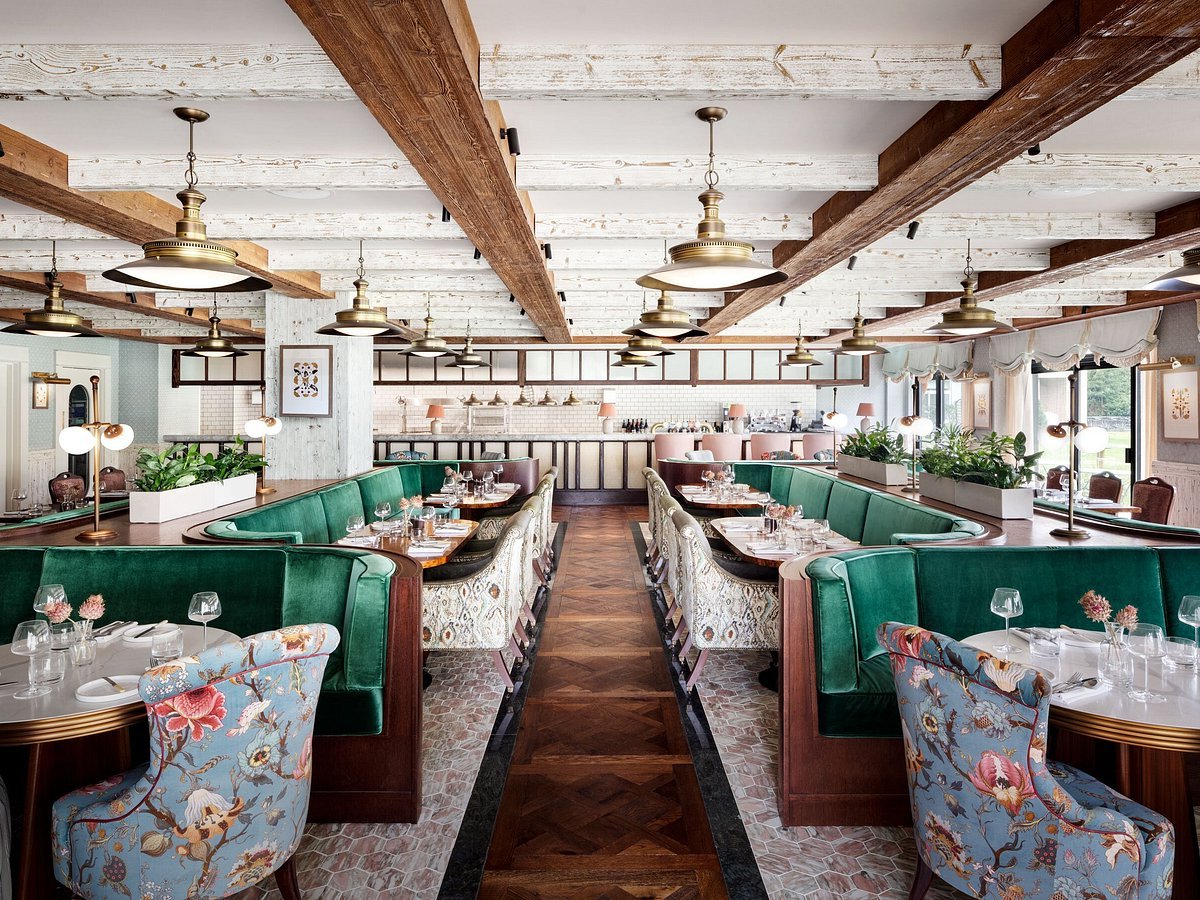
A Victorian Address, a Very Modern Kitchen
Cross Jesus Green, follow the river Cam north, and the city centre gives way to the quieter residential rhythm of Chesterton Road. Number 22 is half of a Victorian semi on a busy stretch: bay windows, a modest frontage, nothing to signal what the kitchen is producing behind it. That gap between exterior restraint and interior precision is, in many ways, the whole point. Cambridge has a thin tradition of destination-level fine dining relative to its cultural weight, and Restaurant Twenty-Two sits at the leading of what exists, holding a Michelin star awarded in 2024 and a Google rating of 4.8 from 547 reviews.
Britain's leading fine-dining addresses outside London tend to occupy two distinct positions: the rural retreat, where the destination is the draw (L'Enclume in Cartmel, Moor Hall in Aughton, Gidleigh Park in Chagford), and the urban townhouse embedded in a working city. Restaurant Twenty-Two belongs firmly to the second category, and that context shapes everything about what it does. It is not asking you to travel to somewhere remote and surrender your evening to spectacle. It is asking you to walk twenty minutes from the market square and sit down to some of the most considered cooking in the east of England.
Classical French Roots, Contemporary Reach
The cultural roots of Restaurant Twenty-Two's cooking are resolutely classical. The French tradition — precise saucing, respect for protein, a vocabulary of consommés, terrines, and butters — provides the architecture. What makes the kitchen interesting is how freely it moves within that structure. Techniques and ingredients from Japanese, Nordic, and British regional traditions appear not as flourishes but as integrated choices that amplify the classical base.
That tension between inheritance and invention is not unique to this address. The generation of British chefs trained in classical French kitchens and then exposed to the wider repertoire of the 2000s and 2010s produced a cohort who work in exactly this mode. The Ledbury in London operates in a comparable register at a higher price point. Hand and Flowers in Marlow applies similar rigour to a pub format. Restaurant Twenty-Two applies it to a Cambridge townhouse, with a team that has been building the program since 2018.
The Michelin description is worth parsing as evidence. Gougères served boxed and precise, described as carrying aged Parmesan and black garlic honey, set the register early. A charcoal croustade holds venison tartare bound with Kea plum jam and finished with cured egg yolk and pickled shimeji: a single-bite construction that demands more prep time than most restaurants spend on full courses. The bread course is 24-layer brioche with three butters. A chawanmushi arrives with ceps, girolles, Wiltshire truffle, and cep dashi. These are not incidental details , they signal a kitchen operating at a technical level that sits well above Cambridge's broader dining scene and holds its own against the peer set of starred regional British restaurants.
Among the main courses documented in Michelin's published notes, Yorkshire wagyu braised for 48 hours arrives with caramelised onion, white miso emulsion, and beef-and-bone-marrow consommé. A fish course might offer wild bass with seaweed tartare, pumpkin, ginger, yuzu, trout roe, and finger lime in a beurre blanc. An Anjou squab is served in two acts: pigeon-liver parfait in a pine-salt croustade first, then the breast and confit leg alongside tempura-battered enoki, mini choux-farci, celeriac purée, and blackberry sauce. The dessert documented is a toffee-apple construction: torched Swiss meringue over bay-leaf parfait and Bramley compôte in a sablé case with a caramel moat.
What connects these dishes is a commitment to layering that goes beyond decoration. Each element carries a textural or flavour function. The cured egg yolk on the venison croustade adds umami and a fine powder of richness. The finger lime in the beurre blanc adds acid in a form that distributes differently through the sauce than lemon juice would. This is cooking that rewards attention.
The Drinks Program and Soft Pairings
Restaurant Twenty-Two's drinks approach reflects a shift visible across ambitious British restaurants over the past decade: the soft pairing has moved from afterthought to genuine program. Most of the cordials, juices, and infusions used in the non-alcoholic pairing are produced in-house, which places the kitchen's flavour logic into the glass rather than outsourcing it to commercial producers. This is a more demanding approach than buying in bottled alternatives, and it narrows the gap in intellectual engagement between the wine and non-wine paths through the menu.
The wine list, where documented, draws on European producers with a bias toward texture and depth. A Cà dei Frati 'Ronchedone' 2020 from Lake Garda appears alongside the wagyu course in Michelin's notes , a full-bodied Italian red chosen to hold against a dish heavy in umami and rendered fat. The logic of that pairing points to a sommelier-level approach to the list, even if the seat count and format of the restaurant keep the program lean relative to larger London operations.
For those drawn to the international contemporary fine dining world rather than the British regional circuit, the register here , precision modern cuisine with a classical spine , connects to a wider tradition. Frantzén in Stockholm and its outpost FZN by Björn Frantzén in Dubai represent the northern European version of the same sensibility at a different price tier.
Format, Atmosphere, and Service
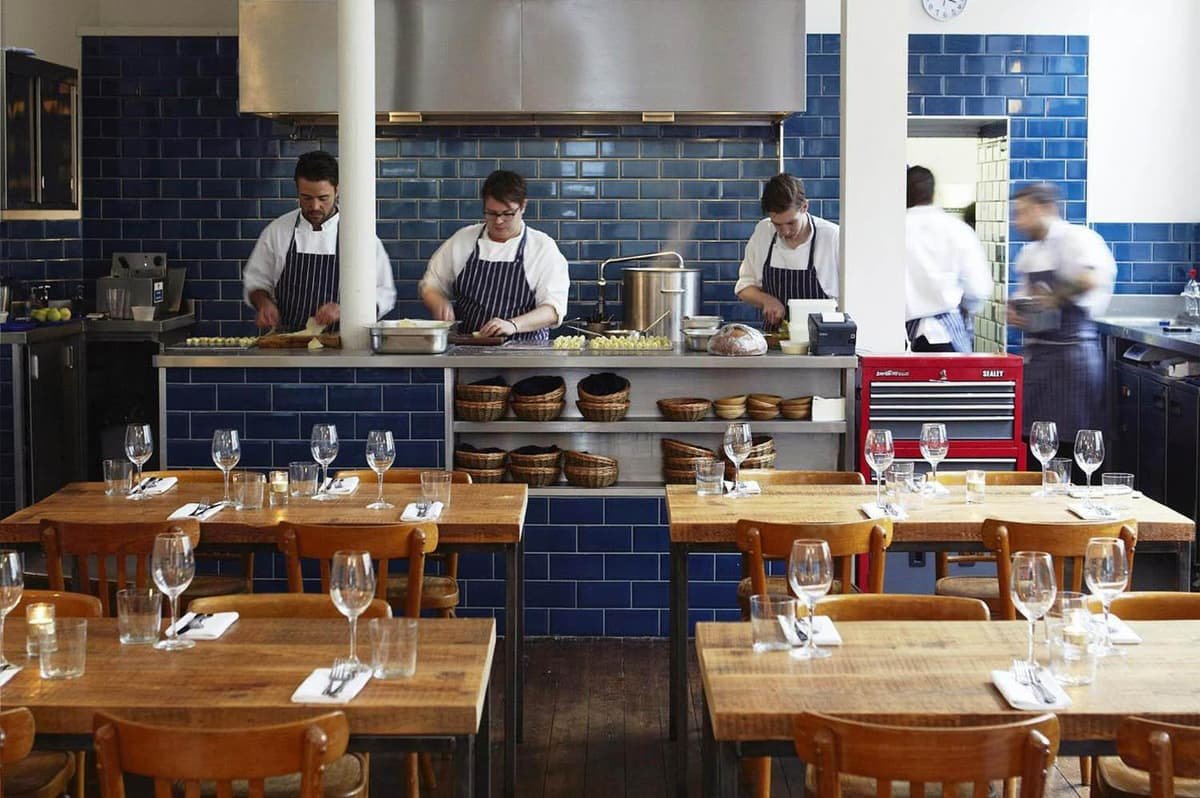
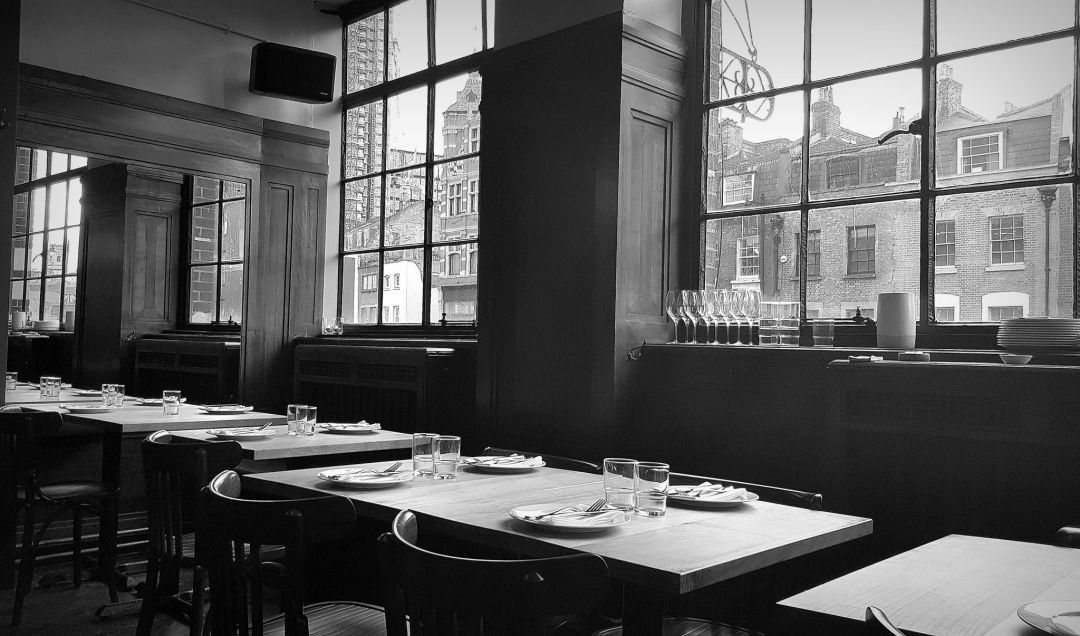
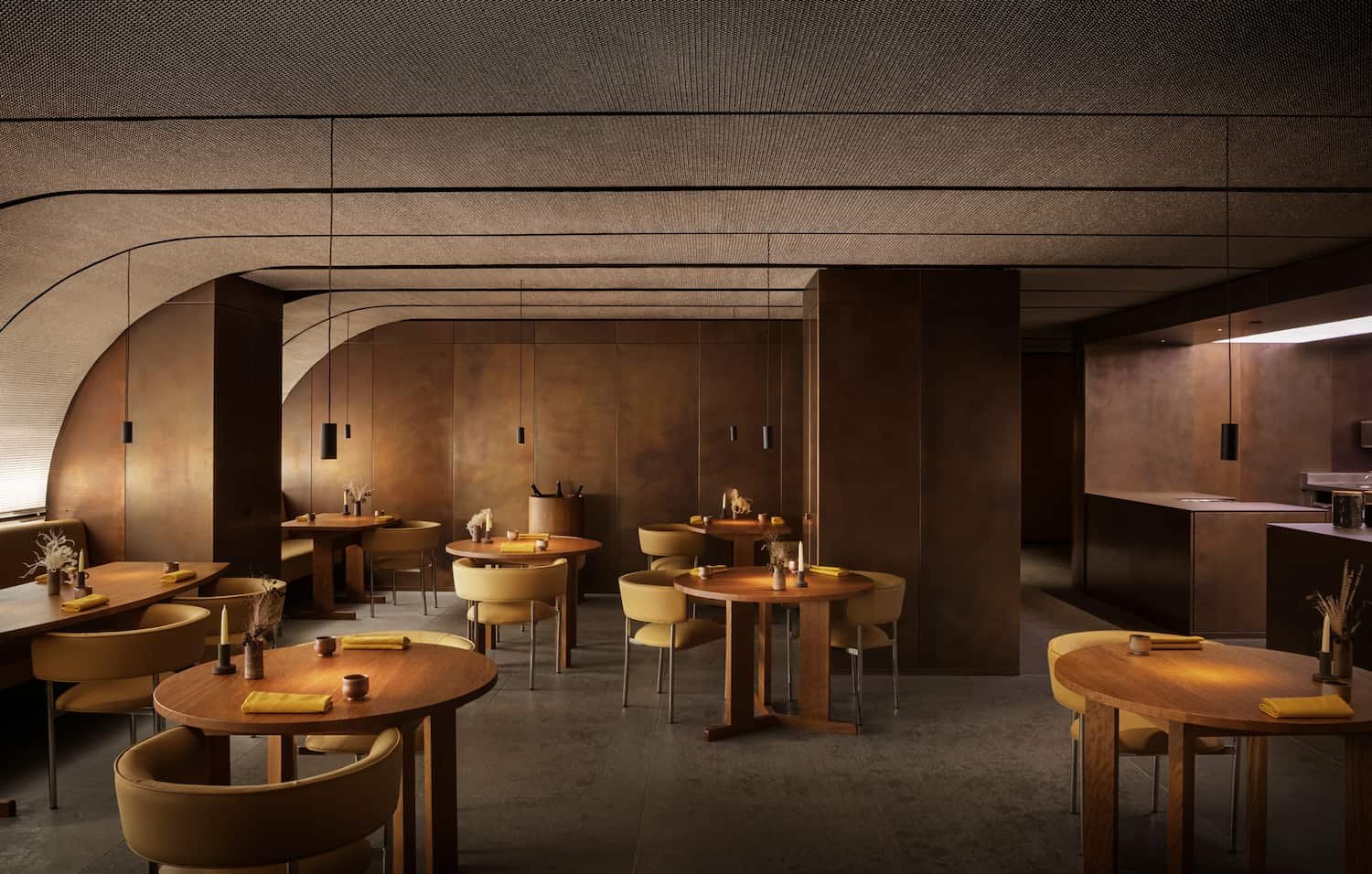
The dining room carries the character of the building without being dominated by it. The style is described in Michelin's notes as bright and understated , Georgian proportions softened by a contemporary approach to light and colour. This is not the hushed, marble-and-linen formality associated with older fine dining formats. The service team explains each dish in full, which in practice means the meal has a conversational quality that the food's technical density might otherwise resist.
That atmosphere sits within a broader Cambridge pattern. The city's fine dining scene has a university-town character: intellectually curious clientele, relatively contained scale, and a tradition of houses like Midsummer House building long-term reputations over many years rather than cycling through the high-turnover London model. Restaurant Twenty-Two has been operating in its current form since 2018, which by the standards of a restaurant this size and ambition represents a settled, confident program rather than a work in progress. For Cambridge's wider dining picture, the city also has strong options at lower price points, including Fancett's for classic French and Darling and Fallow Kin for more casual formats. Alden and Harlow covers the New American side of the city's international options.
Planning a Visit
Restaurant Twenty-Two operates a deliberately limited schedule: Wednesday evenings, Thursday and Friday and Saturday for both lunch and dinner, closed Sunday through Tuesday. The Thursday set lunch is documented at £60 for three courses , a meaningful entry point for a Michelin-starred kitchen, and substantially below the evening tasting menu price tier. The address is 22 Chesterton Road, CB4 3AX, reachable on foot or by bicycle from the city centre across Jesus Green. The restaurant operates at the ££££ price range. For planning across the rest of Cambridge, see our full Cambridge restaurants guide, hotels guide, bars guide, wineries guide, and experiences guide. The Fat Duck in nearby Bray (The Fat Duck) offers a point of comparison for those building a broader itinerary around destination dining in the region.
Cuisine-First Comparison
A short peer set to help you calibrate price, style, and recognition.
| Venue | Cuisine | Awards | Notes |
|---|---|---|---|
| Restaurant Twenty-Two | Modern Cuisine | Michelin 1 Star | This venue |
| Midsummer House | Contemporary British, Creative | Michelin 2 Star | Contemporary British, Creative, ££££ |
| Henrietta’s Table | American | American | |
| Hi Rise | Bakery | Bakery | |
| Langdon Hall | Canadian | Canadian, $$$$ | |
| Little Donkey | Global Tapas | Global Tapas |
Continue exploring