Rare Steakhouse


Forbes 4-Star · Wine Spectator Award of Excellence
Our verdict
Rare Steakhouse Boston stands as Massachusetts' only registered Kobe Beef Federation user, serving authentic A5 Japanese beef alongside New England specialties at Encore Boston Harbor. This sophisticated casino steakhouse combines impeccable service with genuine Kobe cuts and an extensive rare spirits collection.

Pearl is the En Primeur Club membership app — saves, bookings, and concierge access live there. Same editors, same standards.
- Address
- 1 Broadway, Everett, MA 02149
- Phone
- (857) 770-3300
- Hours
- Mon–Wed ClosedThu–Sun 5–10 PM
- Website
- encorebostonharbor.com
- Directions
- Get directions
The menu
What to order
- Kobe rib-eye
- Snake River Farms Wagyu
- Bone-in ribeye
Where the Casino Floor Meets the Grill
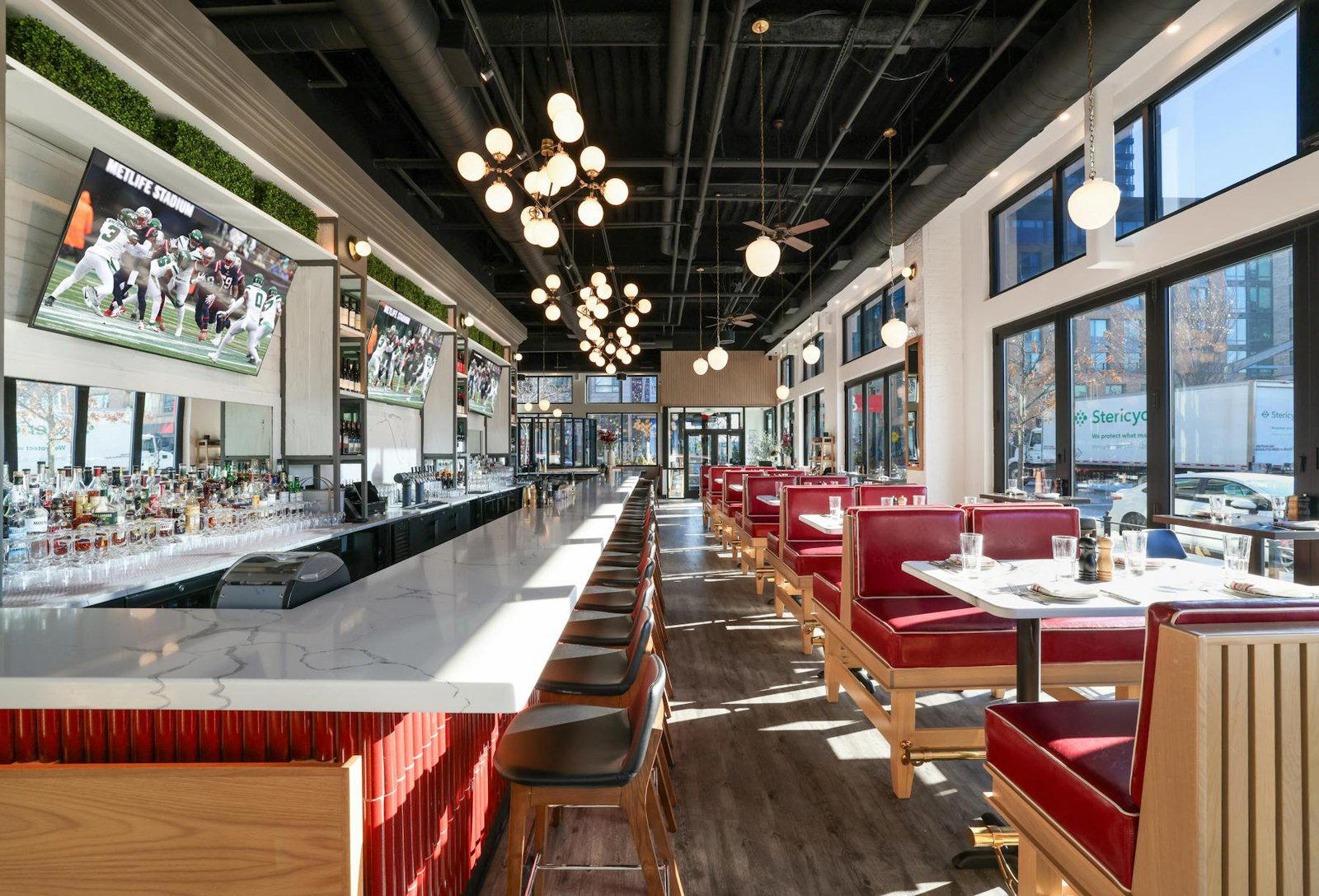
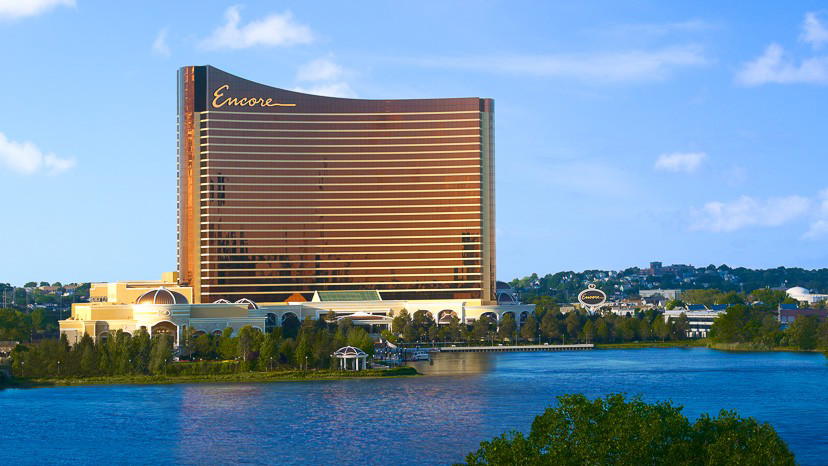
The approach to Encore Boston Harbor sets a particular expectation. Arriving by custom luxury yacht from the Boston waterfront, or via free shuttle from Wellington MBTA station, guests cross into a property built around spectacle, scale, and a certain performative generosity. The 210,000-square-foot casino floor, with more than 2,700 slot machines and 185-plus table games, establishes the register before you have even sat down to eat. Casino-resort steakhouses occupy a specific and well-understood niche in American dining: they exist to serve high rollers celebrating a run of luck, groups marking occasions, and serious carnivores who want premium beef handled correctly in a room that matches their mood. Rare Steakhouse is that room at Encore Boston Harbor, and it takes the format seriously.
The Case for Authenticated Kobe
Casino steakhouses across the country make similar claims about their beef programs, but provenance is rarely verifiable. The issue of counterfeit Kobe is not a minor one: for years, American menus listed Kobe beef that was, at leading, American wagyu and, at worst, standard commodity beef with a premium label. The Kobe Beef Federation, Japan's official regulatory body for Tajima-strain cattle raised in Hyogo Prefecture, maintains a registered user list that names every establishment globally authorized to serve the product. Rare Steakhouse is the sole registered Kobe Beef Federation user in Massachusetts. That single credential does more editorial work than any number of superlatives. It places the kitchen's beef sourcing in a tier that most steakhouses in New England cannot reach, and it shifts the question from whether to order the Kobe to which cut.
The A5 designation — the highest grade on Japan's beef marbling standard — carries a specific set of handling requirements that distinguish a serious beef program from a marketing exercise. Temperature management from storage to plate, resting protocols, and the restraint to let the fat do its work without interference are all part of the craft. At that price point and with that provenance, the grill operation is accountable in a way that domestic wagyu programs rarely are. The Kobe is available as tenderloin, strip, or rib-eye, with portions beginning at four ounces, a sizing choice that reflects the intensity of the product rather than standard steakhouse portion logic.
Domestic Wagyu and the New England Frame
The American wagyu market has matured considerably over the past decade, and Snake River Farms in Idaho has become a reference point within it. Rare carries the 10-ounce dry-aged New York Strip from that producer, offering a comparison point for guests who want to position domestic against Japanese wagyu in the same meal. Dry-aging adds a secondary layer of technique: the enzymatic breakdown that occurs over weeks of controlled aging creates a depth and concentration that fresh-cut beef cannot replicate. The decision to dry-age the Snake River strip rather than serve it fresh signals that the kitchen is treating domestic wagyu as a serious product in its own right, not simply as a backup option.
Alongside the beef, the menu's New England references are unambiguous. A whole broiled Maine lobster, mini Maine lobster rolls, local oysters, clams, and crab cakes give the menu a regional grounding that the leading casino steakhouses in other markets often neglect. This is not tokenism: New England's shellfish and lobster supply chains are among the strongest in the country, and a kitchen that ignores them in favour of purely beef-focused programming misses the geographical advantage. The side program follows similar logic. Creamed spinach, baked lobster mac and cheese, and sauteed wild mushrooms are recognisable steakhouse territory, but the lobster mac reads as a deliberate nod to local ingredient identity. The side flight option, offering three selections, suits a table that wants to explore the range without committing to full portions of each.
Service Mechanics at This Tier
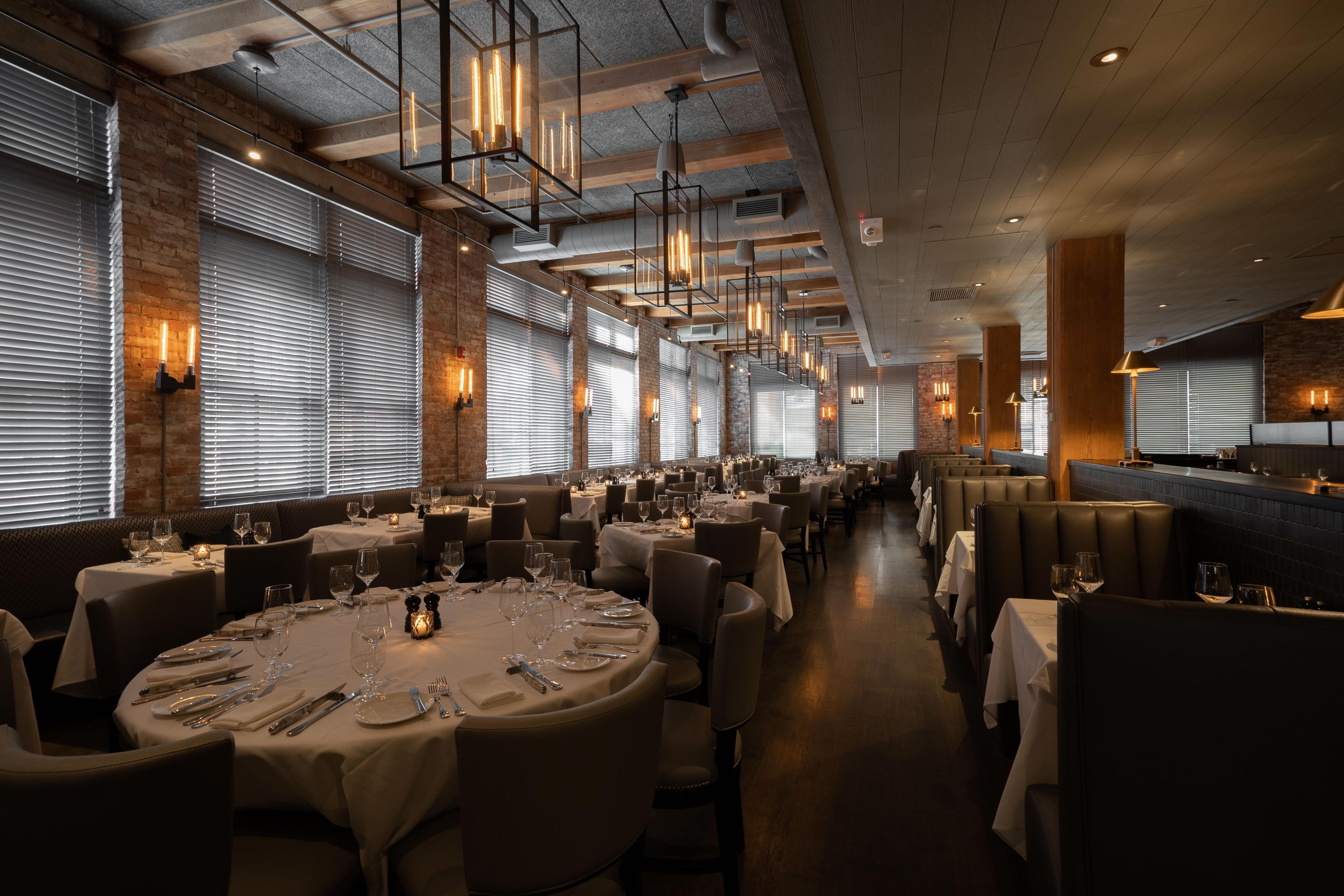
High-end steakhouses operate on a service model that differs from tasting-menu fine dining. The rhythm is faster, the team larger relative to the floor, and the expectation is that every glass is full, every plate is removed promptly, and the table is never made to feel that it is waiting. Rare deploys what its inspector describes as a fleet of servers, and the water glass standard, never empty, is the kind of operational detail that separates a properly run room from one that merely looks the part. At a casino property, where guests arrive with heightened expectations and often limited patience, service discipline at this level is not an amenity; it is the baseline.
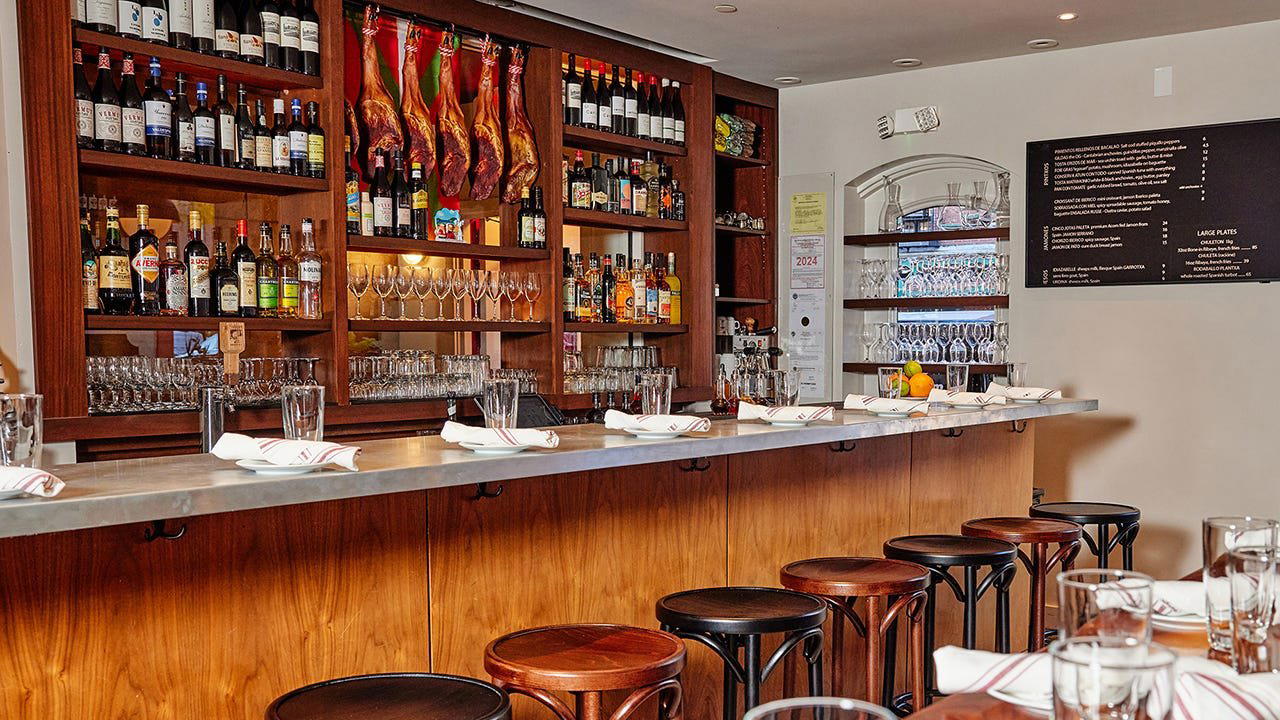
The drinks program extends beyond the wine list into territory that suits the high-roller context directly. Rare carries an extensive selection of hard-to-find bourbons, cognacs, and Scotch whiskies, which aligns with the casino clientele's appetite for rare allocated spirits as much as rare allocated beef. A guest who has just left a private gaming room does not want a pedestrian bar menu, and the spirits selection acknowledges that reality.
The Boston Steakhouse Context
Boston's steakhouse market is competitive and segmented. Back Bay institutions like Abe and Louie's and the Beacon Hill-adjacent Mooo represent the traditional urban fine-dining end of the category, operating within the city's hotel and residential dining ecosystem. Rare operates in a different context: a destination venue within a resort property that draws its own traffic, served by dedicated transport links. That separation from the urban core is both a logistical note and a positioning statement. The ferry and shuttle access reduce the friction of reaching Everett, and the Encore campus itself gives guests reason to extend the evening before or after dinner.
For guests whose primary interest is fish rather than fire, Boston's raw bar and seafood grill traditions run deep. Neptune Oyster, Ostra, and O Ya each represent different points on the spectrum between New England shellfish and Japanese-influenced seafood. Rare's lobster and oyster offerings give it a foot in that conversation, but the center of gravity is unmistakably the grill.
Within Boston's broader premium dining scene, the contrast is instructive. Tasting-menu formats at venues like 311 Omakase or contemporary American programs at Asta operate on entirely different premises: long, sequenced menus built around chef-driven narratives. Rare is not competing in that space. Against those comparators, a verified Kobe program run by the only registered Federation user in Massachusetts is a substantive differentiator.
Italian-focused alternatives like Bar Mezzana and the broader range covered in our full Boston restaurants guide serve a different occasion entirely. Explore also Boston hotels, Boston bars, Boston wineries, and Boston experiences for a fuller picture of the city.
Planning Your Visit
Rare operates within Encore Boston Harbor at 1 Broadway, Everett, Massachusetts 02149. The property runs year-round luxury yacht service from the Boston waterfront, which is the preferred arrival route for anyone treating the evening as an occasion rather than a meal. Free shuttle service from Wellington MBTA station is the practical alternative. Dress code is resort elegant: collared shirts and closed-toed shoes for men, no athletic wear for women. The casino floor, private gaming rooms, and 24-table Poker Room mean that dinner at Rare slots naturally into a longer evening on the property. Reservations and specific hours should be confirmed directly with the venue.
Frequently asked questions
Where exactly is Rare Steakhouse?
Rare Steakhouse is located at 1 Broadway, Everett, MA 02149, Boston.
Is Rare Steakhouse chef-led?
The chef associated with Rare Steakhouse is Megan Vaughan.
What dish is Rare Steakhouse famous for?
Rare Steakhouse is Massachusetts' sole registered member of the Kobe Beef Federation, which means the A5 Kobe sourced from Hyogo Prefecture, Japan, is certified rather than merely claimed. The Kobe beef is served as tenderloin, strip, or rib-eye, starting at four ounces. Alongside it, the domestic wagyu program features a 10-ounce dry-aged New York Strip from Idaho's Snake River Farms, giving diners a direct comparison between certified Japanese Kobe and a well-regarded American wagyu benchmark.
What style of cooking does Rare Steakhouse do?
Category Peers
| Venue | Cuisine | Price | Awards |
|---|---|---|---|
| Rare SteakhouseThis venue — the venue you are viewing | Classic Steakhouse with Kobe Beef | Not listed | Forbes 4-Star · Wine Spectator Award of Excellence |
| La Brasa | Global Grill with Mexican & Mediterranean Influences | $50–100 | Not listed |
| Neptune Oyster | Modern New England Seafood Oyster Bar | $50–100 | Michelin Plate |
| O Ya | Modern Japanese Omakase | $200–300 | James Beard Award Semi Finalist |
| Oishii Boston | Modern Creative Japanese Sushi | $100–150 | Wine Spectator Award of Excellence |
| Ostra | Mediterranean Seafood | $100–150 | James Beard Award Semi Finalist · Wine Spectator Award of Excellence |
Recognition history
Dated appearances from independent guides and award organizations, with the underlying list record or original source where available.
Forbes 4-Star
Forbes
Wine Spectator Award of Excellence
Wine Spectator
Full recognition history (3 entries)
Forbes 4-Star
Forbes