Asmara
Asmara on Massachusetts Avenue has anchored Cambridge's East African dining scene for decades, drawing students, academics, and longtime regulars to its combination of Eritrean and Ethiopian cooking. The communal format, built around injera and shared platters, places it squarely in a tradition where the table itself is the social infrastructure. It sits on a stretch of Central Square that rewards walking and browsing before or after the meal.
Pearl is the En Primeur Club membership app — saves, bookings, and concierge access live there. Same editors, same standards.
- Address
- 739 Massachusetts Ave, Cambridge, MA 02139
- Phone
- +1 617 864 7447
- Website
- asmararestaurantboston.com
- Directions
- Get directions
 Saves & bookings on Pearl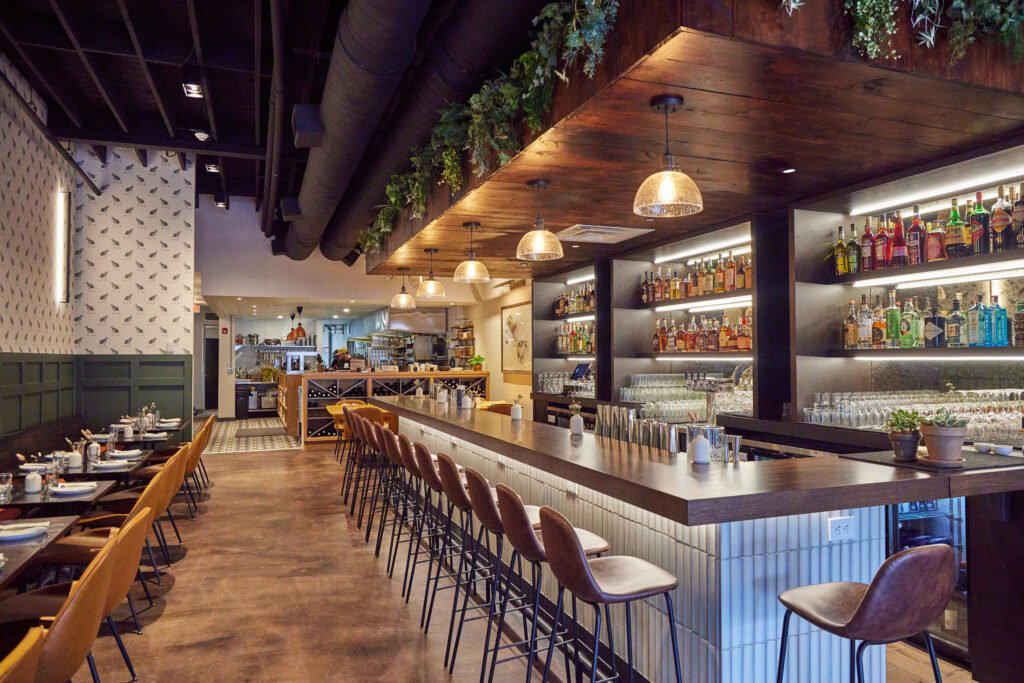
Central Square and the Architecture of Communal Eating
Massachusetts Avenue through Central Square carries a particular density of independent restaurants, and Asmara at number 739 has been part of that density long enough to feel structural rather than incidental. The block operates at a different register from the university-adjacent dining of Harvard Square a few minutes west or the kitchen-forward ambition of Alden & Harlow further up the avenue. Here the proposition is more direct: a room built around a culinary tradition where the act of eating is inseparable from sharing, and where the plate itself is also the bread.
That tradition is Eritrean and Ethiopian cooking, two cuisines with overlapping histories and a shared grammar of fermented injera, slow-cooked stews, and spice blends assembled over generations rather than seasons. In American cities with significant East African diaspora communities, this style of restaurant carries a social weight beyond the meal. It is the place where a community anchors itself, where the food functions as cultural shorthand, and where a newcomer's education in the cuisine tends to happen alongside regulars who have been eating this way since childhood.
The Logic of Injera and Shared Plates
Understanding what makes this format work requires understanding injera, the large, spongy flatbread made from teff flour that acts simultaneously as plate, utensil, and food. Teff is a grain native to the Horn of Africa, high in iron and calcium, and the fermentation process that gives injera its characteristic sourness takes time to calibrate. A kitchen that handles injera well is demonstrating a baseline competence that reflects either serious investment in the process or a direct connection to the tradition itself.
The dishes that arrive on top of the injera, whether tibs, lentil-based misir, or the layered spice depth of berbere-based stews, are typically served at the centre of the table for everyone to reach. This format makes Asmara structurally better suited to groups than to solo diners, and it rewards ordering broadly rather than cautiously. The combination of multiple vegetarian and meat-based preparations across one spread is the intended mode, not a variation on a single-dish restaurant.
Cambridge has sustained this style of restaurant in Central Square across multiple dining generations, which speaks to a neighbourhood character that tolerates, and in some cases actively supports, cuisines that sit outside the conventional New England or European frames that dominate much of greater Boston's dining conversation. The presence of Asmara alongside venues like Area Four and the music-anchored community around Club Passim reflects a neighbourhood that has historically absorbed a wider range of formats and audiences than its size might suggest.
East African Cuisine in the American City
Eritrean and Ethiopian restaurants in the United States tend to cluster in a handful of cities with established East African communities: Washington D.C. the Twin Cities, Seattle, Los Angeles. Boston and Cambridge operate at a smaller scale within this network, but the restaurants that have survived here have done so through community loyalty rather than trend cycles. That dynamic separates this category from cuisines that spike in popularity with non-diaspora diners and then contract when attention moves on.
The staying power of places like Asmara is also a function of the cuisine's versatility for different dietary requirements. A well-constructed Eritrean or Ethiopian spread typically includes multiple plant-based preparations by default, not as a concession to contemporary dietary preferences but because lentils, split peas, collard greens, and spiced vegetable dishes are structural elements of the tradition. This makes the format genuinely accommodating in a way that many cuisines are not, without requiring menu engineering to achieve it.
For a reader approaching the cuisine for the first time, the communal format is itself the orientation. Ordering a combination platter, which most restaurants in this category offer, provides a cross-section of the kitchen's range and introduces the spice vocabulary of berbere and mitmita in proportion rather than in concentrated form. Returning visits allow for more targeted ordering once that vocabulary is established.
Cambridge Context and When to Go
Central Square operates differently from the more curated blocks of Harvard or Kendall squares. The dining room at Asmara sits in a part of Cambridge where the academic and the residential intermingle without one fully defining the other. For visitors building a broader Cambridge evening, the stretch of Massachusetts Avenue between Central and Harvard squares contains enough variety to construct a full night: a meal at Asmara followed by drinks at Bosso Ramen Tavern or a concert at Club Passim represents the neighbourhood's range in condensed form.
The communal format makes Asmara a natural fit for groups of three or more, where the spread of dishes across the shared injera can be genuinely varied. For two diners, a combination platter still works, but the range is necessarily narrower. Weekends tend to draw a fuller room; weekday evenings at Central Square generally move at a more relaxed pace, which suits unhurried eating of this kind.
Practical Notes
Asmara is located at 739 Massachusetts Ave in Cambridge. It is reachable on foot from the Central Square MBTA Red Line stop. Walk-ins are standard, though calling ahead for larger groups is advisable. The dress code is casual. Asmara sits at an accessible price point.
Continue exploring
More in Cambridge
Bars in Cambridge
Browse all →
Restaurants in Cambridge
Browse all →
Hotels in Cambridge
Browse all →

Wineries in Cambridge
Browse all →
At a Glance
- Cozy
- Intimate
- Classic
- Group Outing
- Casual Hangout
- Communal Tables
- Conventional Wine
Current opening hours
- Monday
- 5–9 PM
- Tuesday
- 5–9 PM
- Wednesday
- 5–9 PM
- Thursday
- 5–9 PM
- Friday
- 5–9 PM
- Saturday
- 5–9 PM
- Sunday
- Closed
Hours can change for holidays and private events. Last verified .
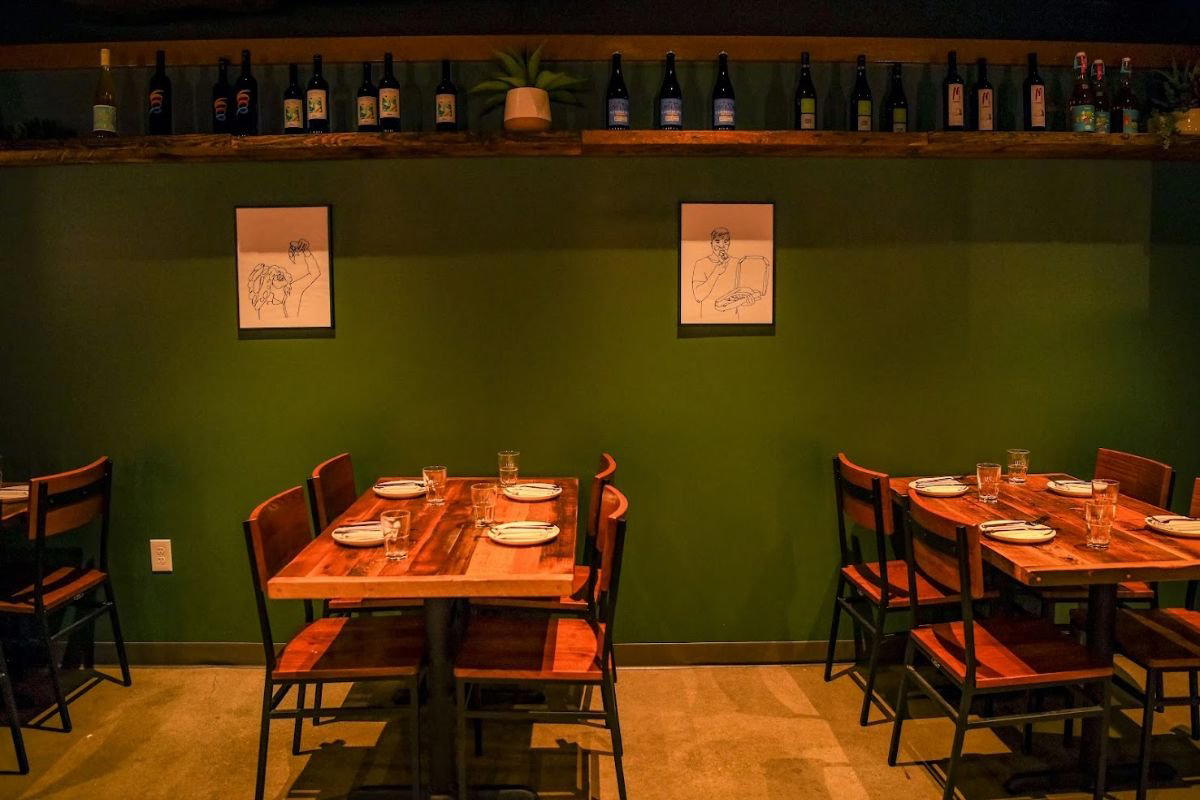
Cozy atmosphere with cane furniture, traditional artifacts, and Eritrean music playing.
Know Before You Go
- Getting there
- 739 Massachusetts Ave, Cambridge, MA 02139