Alden & Harlow
Alden & Harlow occupies a below-street-level room on Brattle Street in Harvard Square, where the cooking draws on New England sourcing traditions in a way that places it squarely within Cambridge's more serious dining conversation. The bar program and ingredient-led small plates attract a crowd that ranges from academics to out-of-towners who have done their research.
Pearl is the En Primeur Club membership app — saves, bookings, and concierge access live there. Same editors, same standards.
- Address
- 40 Brattle St #3, Cambridge, MA 02138
- Phone
- +1 617 864 2100
- Website
- aldenharlow.com
- Directions
- Get directions
 Saves & bookings on Pearl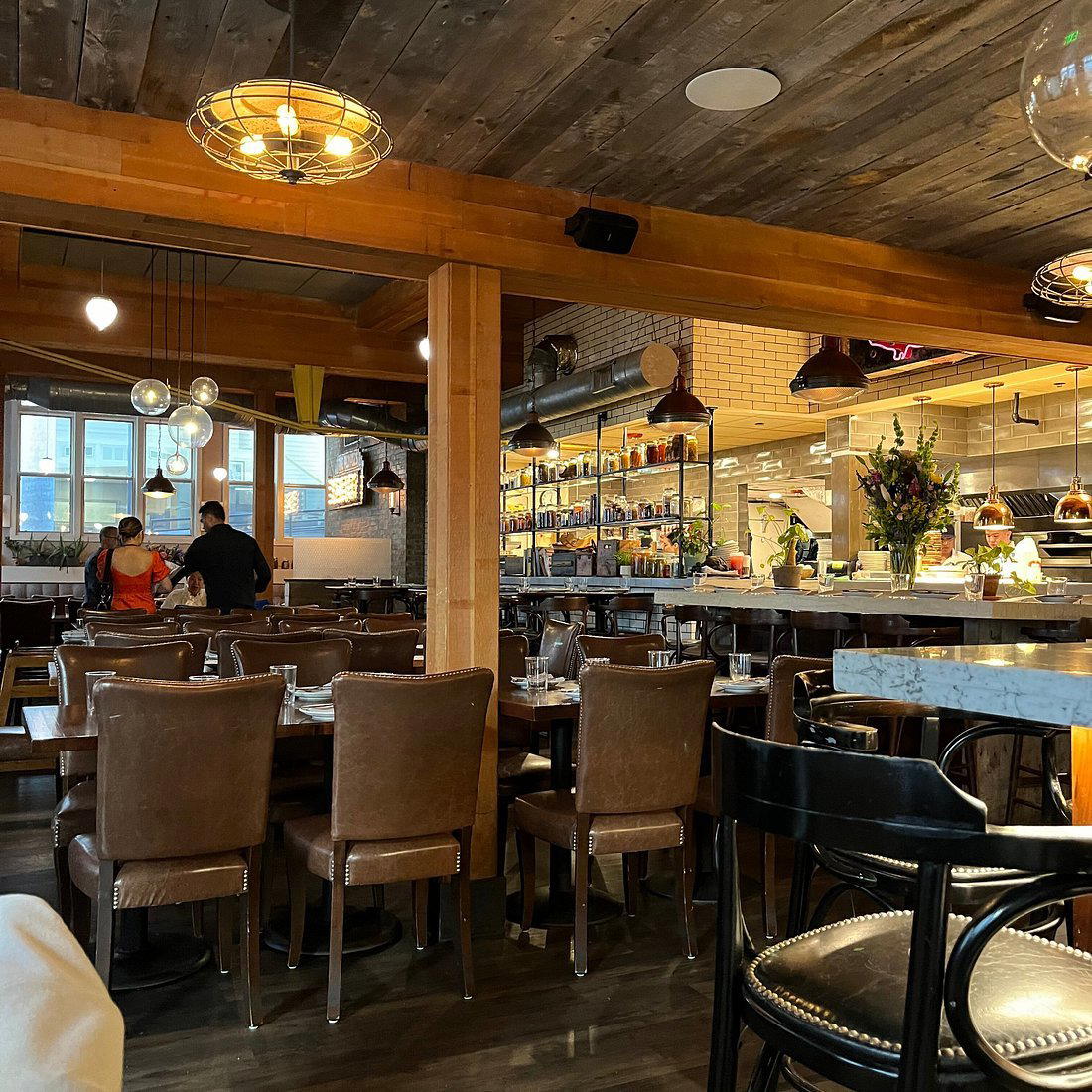
Below the Square: Harvard Square's Ingredient-Driven Dining Room
Harvard Square has always occupied an odd position in the Cambridge dining map. Dense with foot traffic, surrounded by institutional money, and pressed up against one of the world's most recognizable universities, it should produce serious restaurants. For years it largely did not. That calculus has shifted, and Alden & Harlow, sitting below street level at 40 Brattle Street, represents one of the cleaner examples of what happens when a room decides to compete on cooking rather than location.
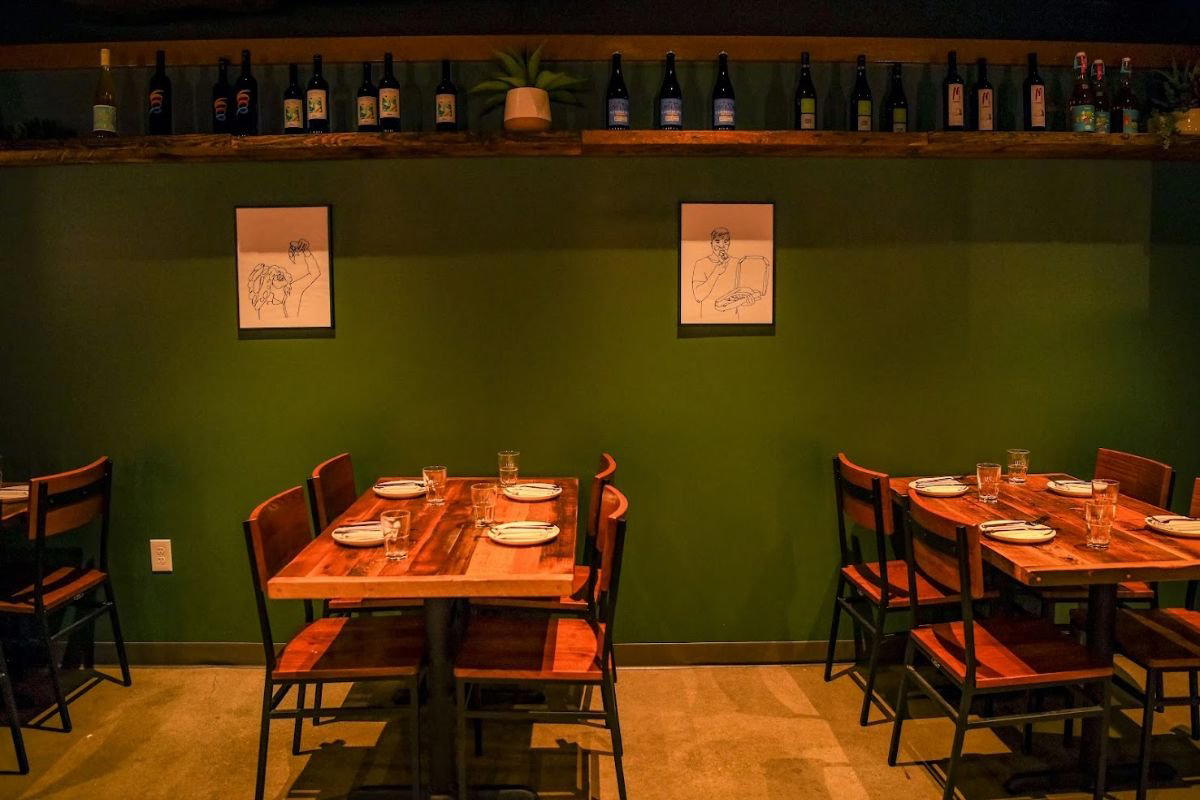
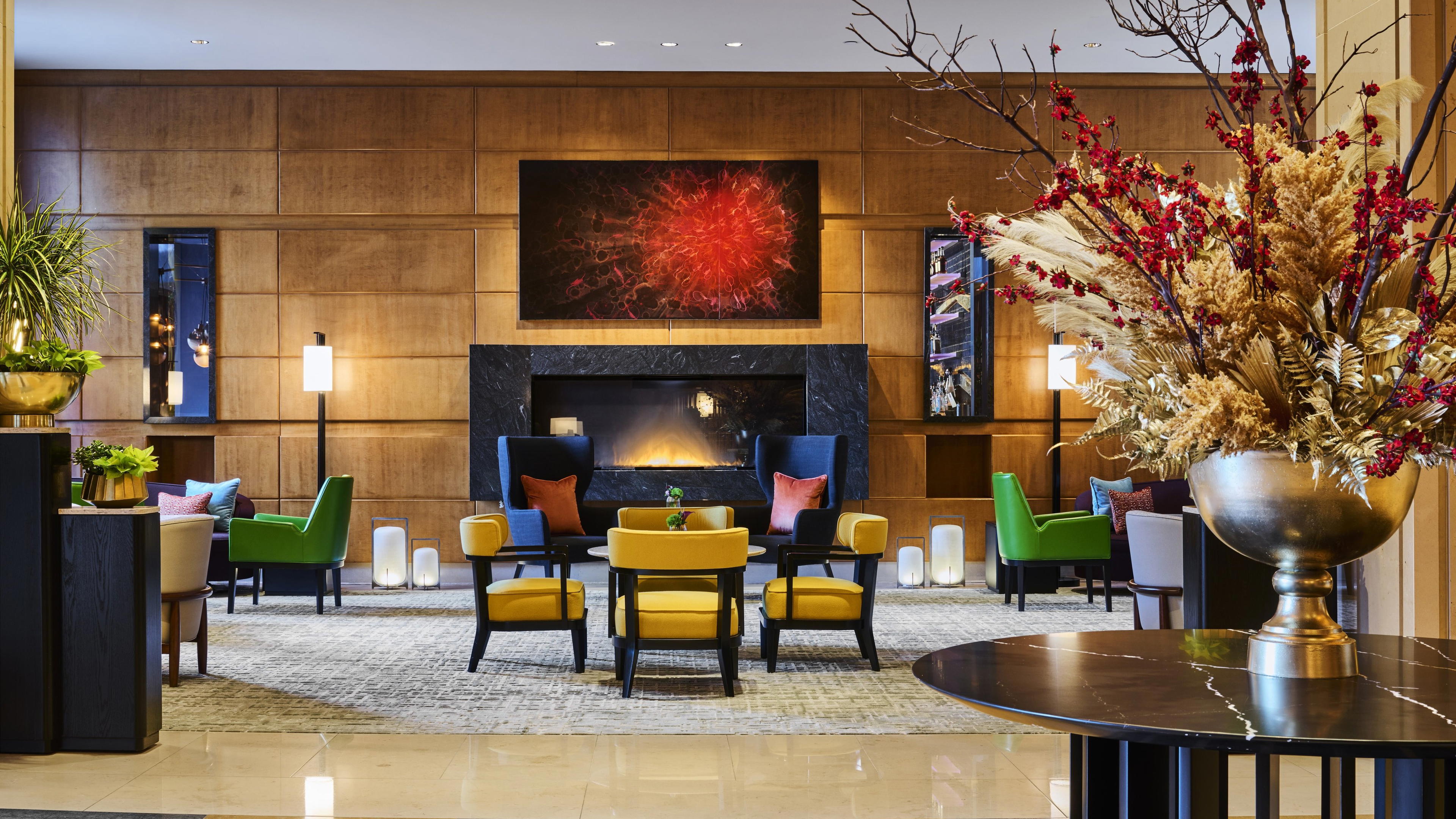
The physical approach matters here. You descend from Brattle Street into a space that reads as deliberately subterranean — low ceilings, exposed brick, a bar that anchors the room rather than decorates it. The effect is less cellar-chic and more working dining room, the kind of space that puts the focus on what's on the plate rather than on architectural drama. For the Harvard Square context, where plenty of rooms have tried to coast on heritage and atmosphere, this is a considered choice.
Sourcing as Editorial Stance
The stronger restaurants in Cambridge's current cohort share a common thread: a sourcing discipline that treats New England's agricultural calendar as a constraint worth working within rather than an obstacle to be managed with imports. Alden & Harlow sits in this group. The kitchen's reputation has been built around small plates constructed from regional producers, a format that keeps the menu responsive to what's actually available rather than locked to a fixed document.
This matters in a region with real seasonal extremes. New England winters compress the local growing calendar hard; a kitchen that genuinely tracks sourcing has to make different decisions in February than in August, and those decisions show up on the plate. The small-plate format isn't just a structural choice — it's a way of allowing those seasonal pivots without rebuilding the entire menu. Kitchens that operate this way tend to produce more interesting food across the year than those that lock in a signature format and ride it out regardless of what's coming out of the ground.
Within Cambridge's dining conversation, this approach positions Alden & Harlow closer to the ingredient-led end of the spectrum than to the technique-forward or cuisine-specific end. It's a different competitive set than, say, the ramen specialists at Bosso Ramen Tavern or the East African kitchen at Asmara, places where the frame is a specific culinary tradition. Alden & Harlow's frame is the region itself.
The Bar and the Room
American dining at this tier increasingly treats the bar as a full creative department rather than a service function. The shift, visible in rooms like Kumiko in Chicago, Jewel of the South in New Orleans, and Julep in Houston, reflects a broader rethinking of how cocktails relate to the kitchen's sourcing philosophy. When a restaurant commits to regional ingredients on the food side, the bar program has a natural opportunity to follow: local spirits, foraged botanicals, seasonal syrups built from the same producers supplying the kitchen.
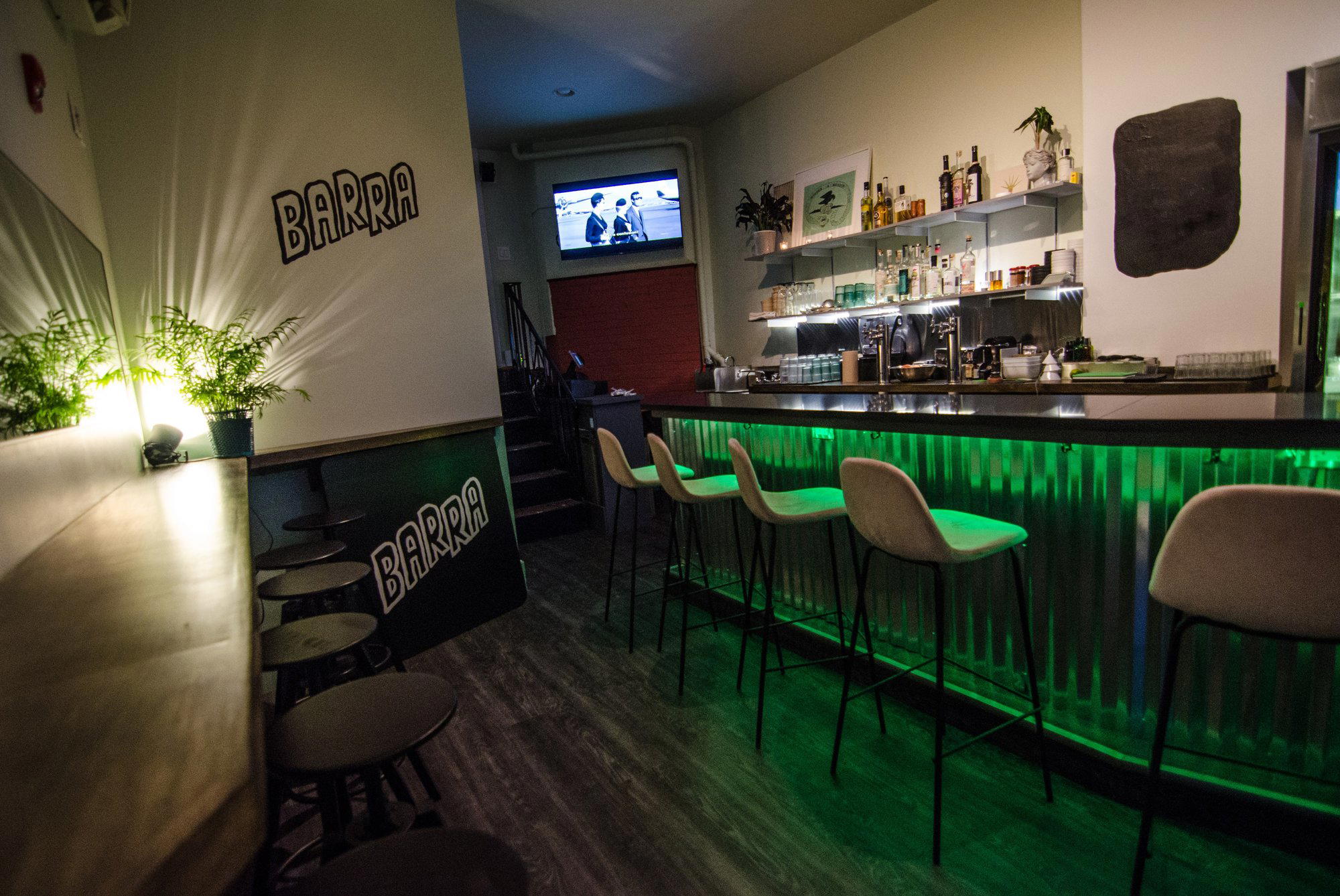
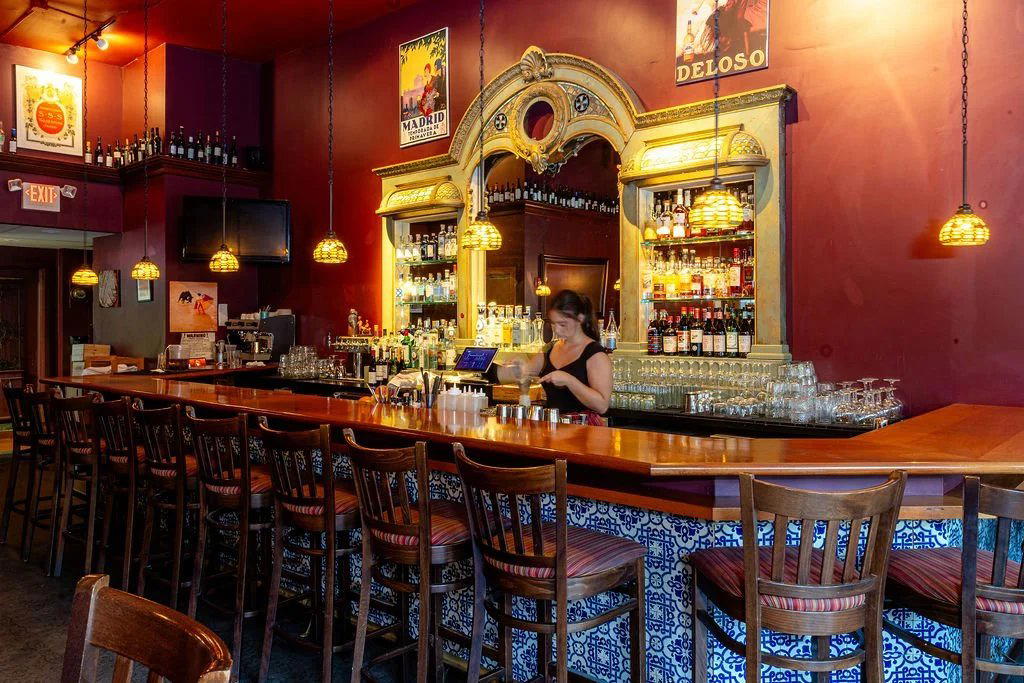
At Alden & Harlow, the bar is a genuine draw in its own right, not a waiting room for tables. This is consistent with the pattern across more thoughtful American casual-fine rooms, where the counter has become a destination for single diners, late arrivals, and regulars who prefer the pace of bar dining to the full table commitment. The room is configured to support this, bar seating that takes the experience seriously, with the same menu access as table guests.
Alden & Harlow's approach is less maximally technical and more ingredient-coherent, a bar that reflects the kitchen's sourcing logic rather than operating as a separate creative statement.
Harvard Square in Context
Understanding Alden & Harlow requires understanding what Harvard Square is and what it has historically failed to be for serious diners. The square draws enormous visitor volume, parents, tourists, conference attendees, students who have come to treat the area as an entry point rather than a destination. Most of the dining infrastructure has responded to that volume with a predictability that serious eaters learned to walk past.
The rooms that have earned sustained attention in and around the square tend to share a resistance to that predictability. Area Four has built a reputation on craft and discipline. Club Passim holds a different kind of cultural authority as a music venue, but demonstrates that the square can sustain serious long-term institutions. The broader Cambridge dining picture shows a city working through a meaningful restaurant generation, with the Harvard Square node contributing more interesting entries.
Alden & Harlow's location below Brattle Street functions as a mild filter. Walk-in traffic from tourists who haven't pre-researched the room is lower than it would be for a street-level space with window exposure. The crowd skews toward people who sought the room out, which tends to create a dining room with a certain baseline of engagement, guests who are there for the food rather than the convenience.
Planning Your Visit
Reservations at Alden & Harlow move; the room's reputation within Cambridge's dining community means that weekend tables, in particular, fill ahead. Bar seating is typically available for walk-ins and is worth considering as a primary plan rather than a fallback, the counter position puts you closer to the drink program and the kitchen's daily output. Brattle Street sits at the core of Harvard Square, accessible from the Harvard MBTA Red Line station with a short walk through the square.
Quick Comparison
Comparable venues nearby, for context on price, style, and recognition.
| Venue | Cuisine | Price | Notes |
|---|---|---|---|
| Alden & HarlowThis venue — the venue you are viewing | cocktail_bar | $$$ | Not listed |
| Lamplighter Brewing Co. - Broadway | beer_bar | $$ | The Port |
| Felipe's Taqueria | rooftop_bar | $ | West Cambridge |
| Momi Nonmi | Bar | $$$ | Wellington-Harrington |
| Bosso Ramen Tavern | sake_bar | $$ | Riverside |
| Umami Omakase | sake_bar | $$$$ | North Cambridge |
Continue exploring
More in Cambridge
Bars in Cambridge
Browse all →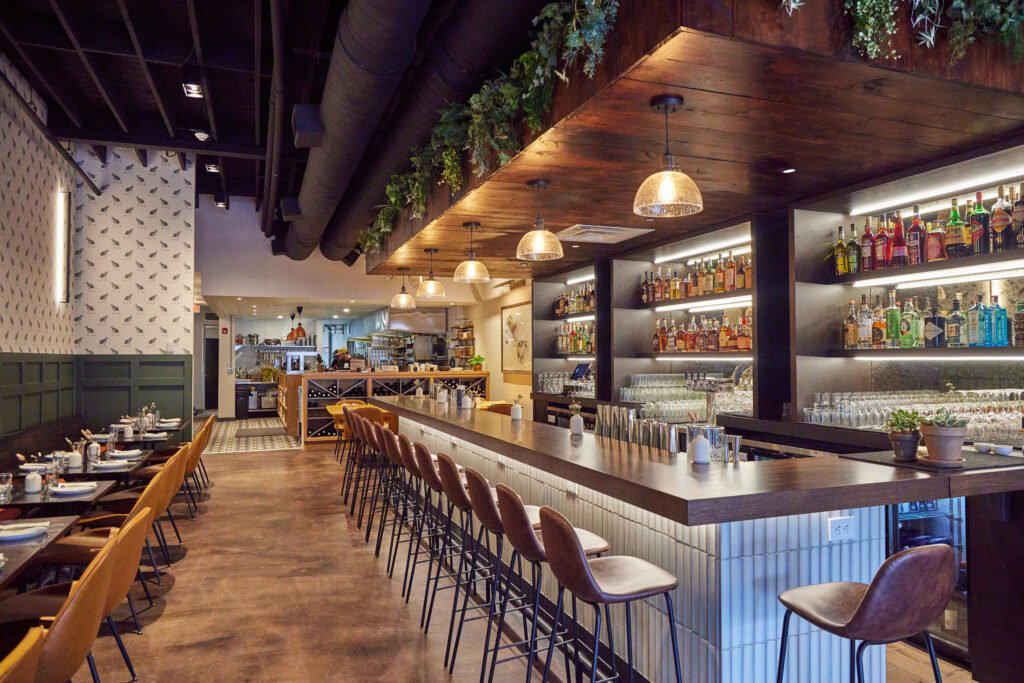
Restaurants in Cambridge
Browse all →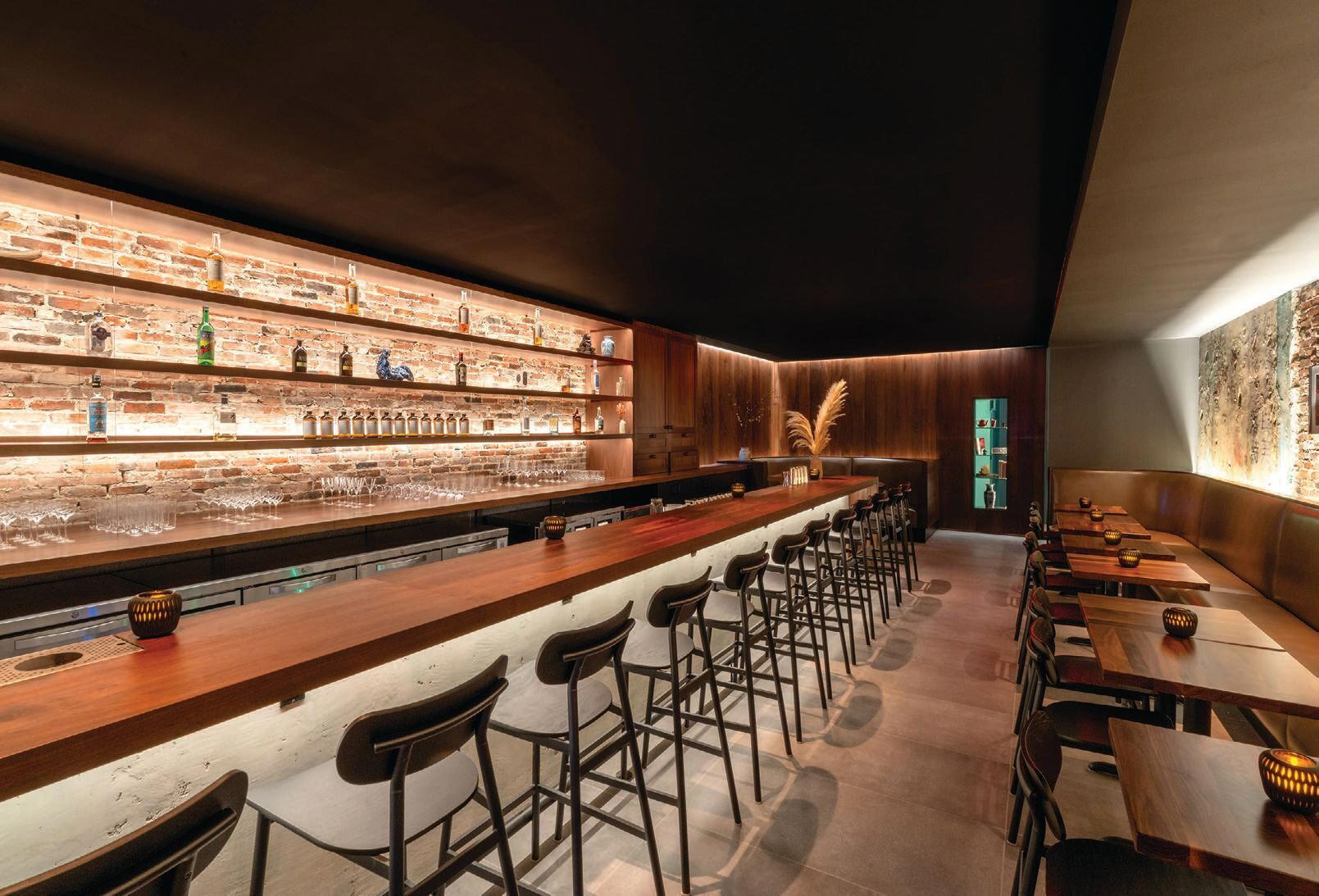

At a Glance
- Rustic
- Cozy
- Sophisticated
- Trendy
- Date Night
- Group Outing
- Celebration
- Special Occasion
- Historic Building
- Design Destination
- Standalone
- Seated Bar
- Lounge Seating
- Communal Tables
- Craft Cocktails
- Natural Wine
- Conventional Wine
- Low Abv
- Zero Proof
Current opening hours
- Monday
- 5–11 PM
- Tuesday
- 5–11 PM
- Wednesday
- 5–11 PM
- Thursday
- 5–11 PM
- Friday
- 5 PM–12 AM
- Saturday
- 10:30 AM–3 PM, 5 PM–12 AM
- Sunday
- 10:30 AM–3 PM, 5–11 PM
Hours can change for holidays and private events. Last verified .
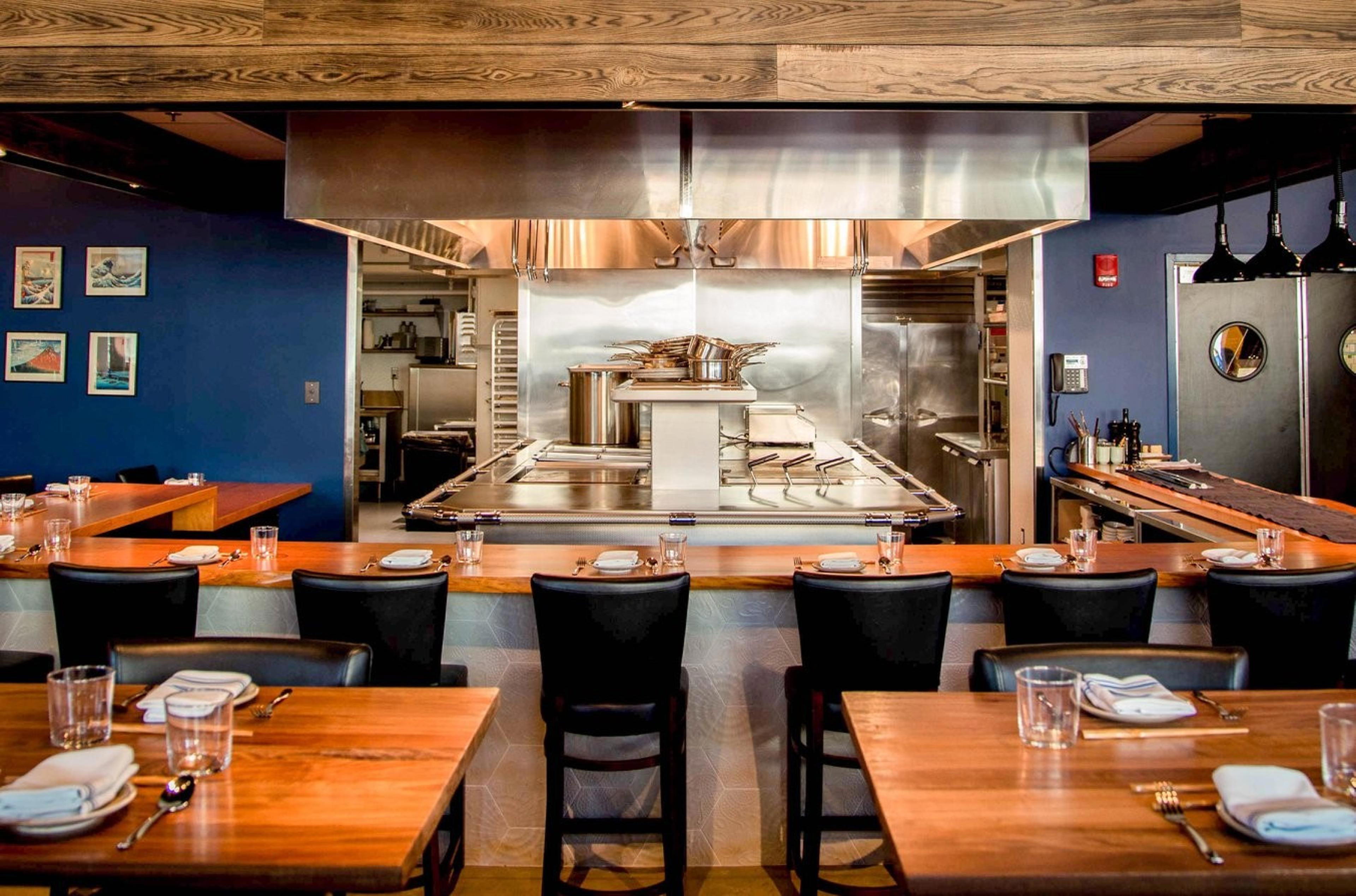
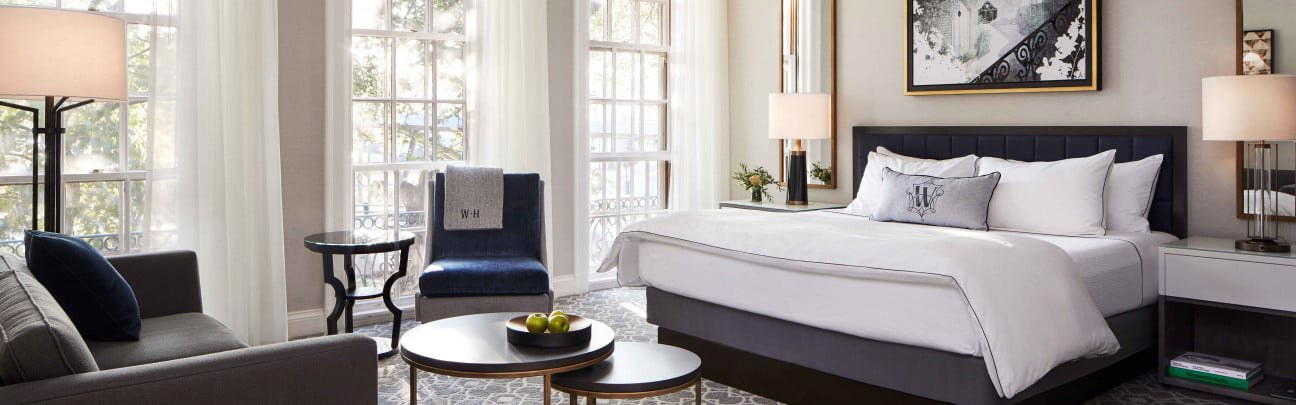
Artfully lit subterranean space with low wooden ceilings, exposed beams, weathered concrete floors, and an open kitchen creating a rustic-chic yet modern atmosphere.