Skip to Main Content
Tokyo Style Omakase Sushi
← Collection
CuisineSushi
Executive ChefFumitaka Takeshita
Price≈$95
Dress CodeSmart Casual
ServiceUpscale Casual
NoiseConversational
CapacitySmall
Opinionated About Dining

Located inside the Washington Jefferson Hotel on West 51st Street, Uogashi brings a focused sushi program to Midtown's hotel dining circuit. Chef Fumitaka Takeshita earned an Opinionated About Dining recommendation for North America in 2023, placing the counter among a select peer group. The setting suits both hotel guests and neighbourhood diners looking for serious Japanese fish work without the commitment of a full omakase ladder.

Pearl is the En Primeur Club membership app — saves, bookings, and concierge access live there. Same editors, same standards.

Uogashi restaurant in New York City, United States
About

Sushi in Midtown: The Hotel Counter as a Category

Hotel sushi in New York has a complicated reputation. At the high end, venues like Bar Masa operate inside luxury properties with price points that match. Lower down, hotel restaurants often function as convenience dining, where location does the work that kitchen craft should. Uogashi, operating out of the Washington Jefferson Hotel on West 51st Street, occupies a middle tier that has historically been difficult to sustain: technically credentialed sushi inside a mid-market hotel, positioned for a Midtown audience that includes both business travellers and residents prepared to seek it out on its own terms.

That position became more legible in 2023, when Opinionated About Dining included Uogashi in its recommended list for North America, a recognition that separates it from the generic hotel dining category and places it alongside a narrower cohort of Japanese restaurants where sourcing discipline and kitchen execution are the primary variables. OAD's methodology leans on professional and semi-professional palates rather than mass consumer voting, which gives the citation a different weight than a volume-based review aggregator. At 4.4 across 158 Google reviews, the public signal is consistent.

Where Uogashi Sits in New York's Sushi Tier Structure

New York's sushi market has stratified sharply over the past decade. The upper bracket runs from approximately $300 to $500 per person at counters like Joji and Shion 69 Leonard Street, where the chef-to-guest ratio is tight and the fish program is driven by relationships with specialist importers. A level below that, Sushi Sho and comparable counters offer serious technical work at formats that remain more accessible. Uogashi sits in a band where OAD recognition signals genuine kitchen seriousness without the appointment-dining infrastructure of the top tier. For comparison, Blue Ribbon Sushi anchors the approachable end of credentialed Japanese dining, running later hours and a broader menu profile that targets a different kind of occasion.

Globally, the counter-in-hotel format appears at varying quality levels. Sushi Shikon in Hong Kong demonstrates what the format can achieve when the property relationship supports premium sourcing, holding three Michelin stars inside a hotel setting. Tokyo's independent counter culture, represented at places like Harutaka, tends to operate outside hotel infrastructure entirely. Uogashi's Midtown context places it closer to the New York pragmatist model, where hotel adjacency brings a built-in audience without necessarily defining the kitchen's ambitions.

Sourcing and the Ethics of the Fish Counter

The sustainability question sits at the centre of any serious sushi conversation in 2024. Traditional edomae technique was built around the seasonal availability of fish from Tokyo Bay, a supply chain that no longer exists in its original form. Contemporary sushi in New York involves long-haul air freight from Japan, domestic wild-catch relationships, and, increasingly, aquaculture sourcing where producers can demonstrate controlled environmental impact.

At the category level, the sushi counters that have attracted serious editorial attention in recent years have done so partly because they demonstrate traceability alongside technique. Knowing the provenance of your bluefin — whether it comes from a ranch operation in the Mediterranean, a wild longline catch in the Pacific, or a domestic East Coast fishery — is no longer a peripheral concern for restaurants operating in the OAD-recommended tier. Chefs at this level are expected to have a position on the question, even if that position is not advertised in marketing copy.

Uogashi's inclusion on the OAD North America list implies a kitchen operating with the kind of sourcing discipline that reviewer cohort tends to prioritise. The waste dimension is equally relevant: a counter-format sushi restaurant with a set structure and a defined number of covers per service has a structural advantage over à la carte operations when it comes to minimising over-ordering and trim waste. The tighter the format, the more precisely a kitchen can calibrate its purchasing. This is one reason why the omakase model, which is standard at credentialed sushi counters in this tier, aligns well with lower food waste as a byproduct of operational discipline.

For a broader picture of how New York's restaurant scene is engaging with sourcing transparency and environmental accountability across cuisines and price points, see our full New York City restaurants guide.

Chef Fumitaka Takeshita and the Midtown Dining Circuit

Chef Fumitaka Takeshita leads the kitchen. The OAD recognition is attached to his name as much as to the address, which matters for tracking consistency: chef-led restaurants in this tier are more sensitive to personnel changes than branded operations, and the 2023 citation reflects the program as he runs it. The Midtown location on West 51st Street positions Uogashi inside a dining corridor that also serves pre-theatre traffic, business lunches, and hotel guests, an audience mix that differs from the destination-seeker cohort that drives bookings at downtown counters or the Upper East Side Japanese dining cluster.

Midtown's sushi options have historically skewed toward high-volume, expense-account formats. A counter operating with the kind of technique that earns OAD notice in this neighbourhood addresses a gap that matters to the segment of Midtown diners who want rigour over scale.

New York's Broader Dining Context

Uogashi occupies one register of New York's Japanese dining spectrum. The city's wider fine dining conversation runs across French, Korean, and contemporary formats at a similar price point: Alinea in Chicago, The French Laundry in Napa, Single Thread Farm in Healdsburg, Providence in Los Angeles, Lazy Bear in San Francisco, and Emeril's in New Orleans each represent regional benchmarks for their respective cuisines, providing useful reference points for travellers calibrating expectations across cities. Within New York itself, the competitive comparison set for Uogashi sits among Japanese counters rather than the French fine dining tier represented by Le Bernardin or Per Se, or the contemporary tasting menus at Eleven Madison Park and Atomix.

For planning across categories in New York, our full New York City hotels guide, our full New York City bars guide, our full New York City wineries guide, and our full New York City experiences guide cover the broader picture.

Planning Your Visit

Uogashi is located at the Washington Jefferson Hotel, 318 West 51st Street, in Midtown Manhattan, in proximity to Hell's Kitchen and the Theatre District. Chef Fumitaka Takeshita holds a 2023 Opinionated About Dining North America recommendation. Contact and booking details are leading confirmed directly with the hotel.

Quick reference: Washington Jefferson Hotel, 318 W 51st St, New York, NY. OAD North America Recommended (2023). Google: 4.4/5 (158 reviews).

Frequently asked questions

City Peers

A quick peer check to anchor this venue’s price and recognition.

At a Glance
Vibe
  • Minimalist
  • Intimate
  • Trendy
Best For
  • Date Night
  • Special Occasion
Experience
  • Chefs Counter
  • Open Kitchen
Drink Program
  • Sake Program
Dress CodeSmart Casual
Noise LevelConversational
CapacitySmall
Service StyleUpscale Casual
Meal PacingLeisurely

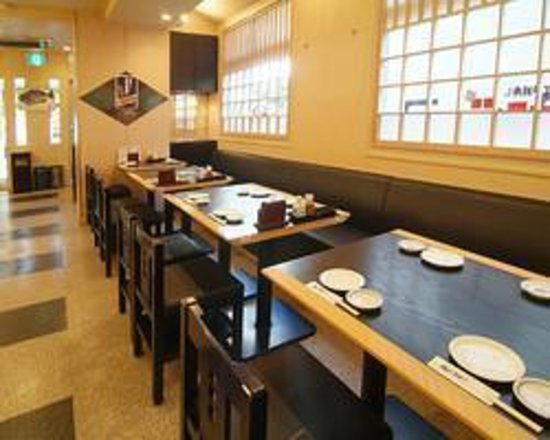
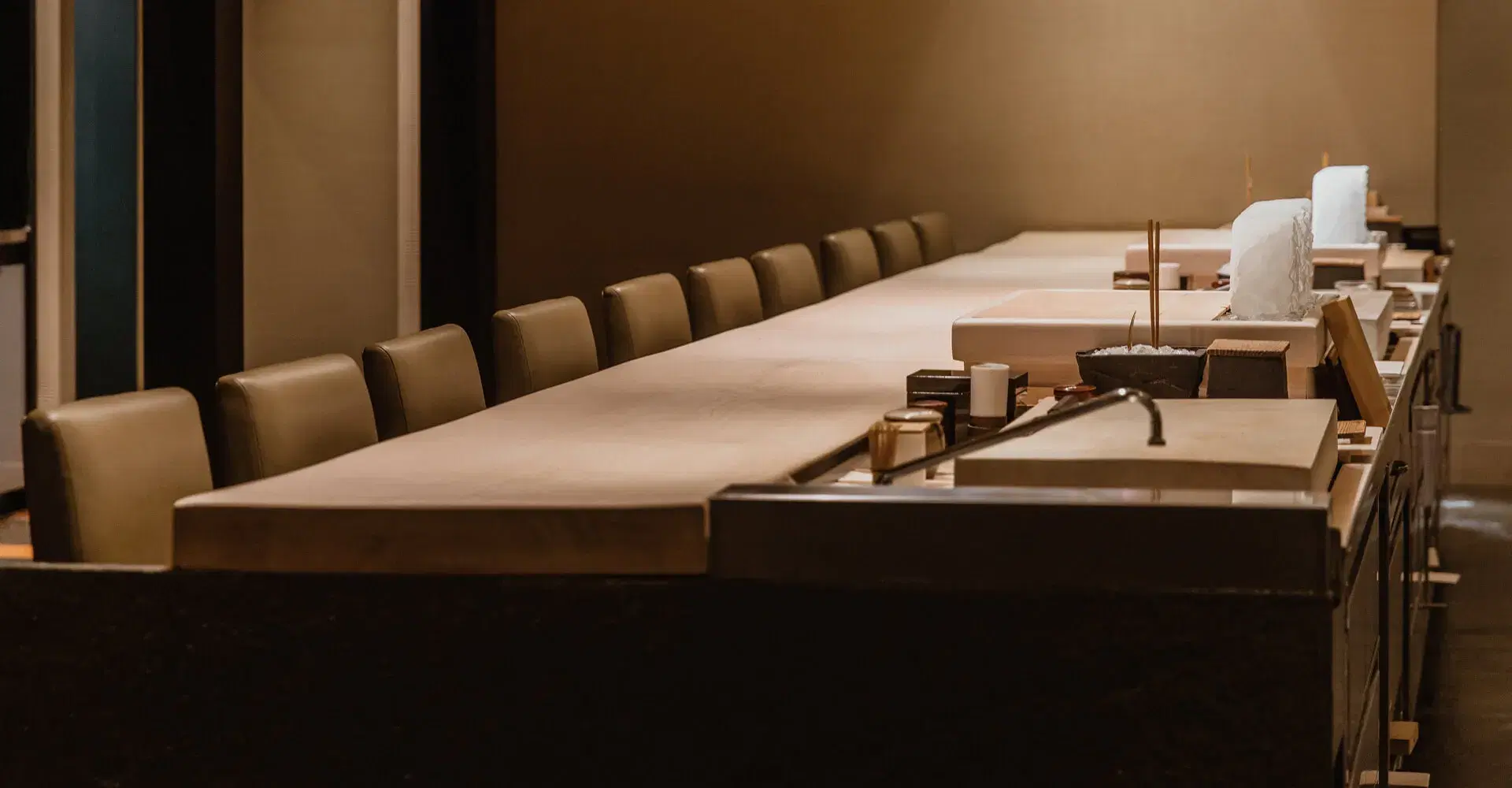
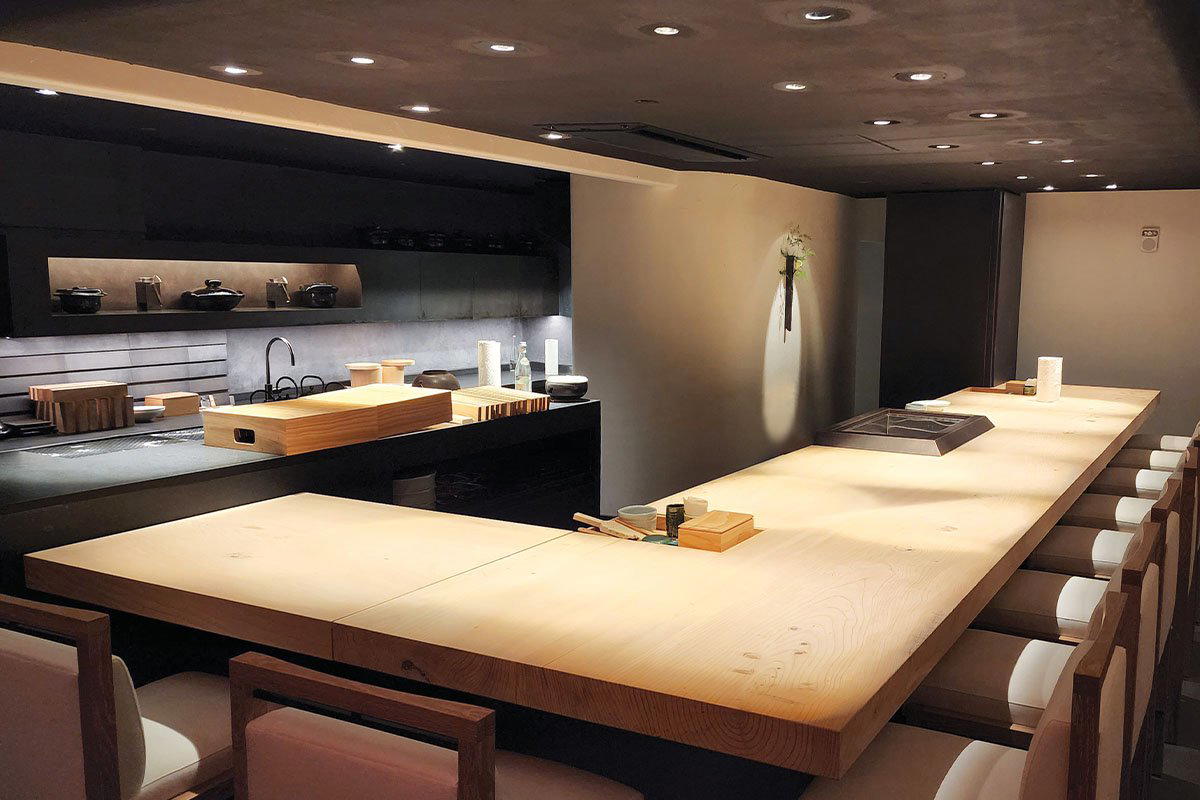
Small, basic decor with a focus on quality sushi, featuring a long sushi counter and a sanitary, somewhat cheap-feeling space.