Our verdict
On a quiet stretch of Hinterstraße in central Siegen, Unser Restaurant occupies a position in a city that sits well outside Germany's established fine-dining corridors.

Pearl is the En Primeur Club membership app — saves, bookings, and concierge access live there. Same editors, same standards.
- Address
- Hinterstraße 15, 57072 Siegen, Germany
- Phone
- +4917634673552
- Hours
- Mon–Tue 5:30–11:30 PMWed 5:30–11 PMThu 5:30–11:30 PMFri–Sat 12–2:30 PM, 5 PM–12 AMSun 12–2:30 PM, 5:30–11:30 PM
- Website
- unserrestaurant.com
- Directions
- Get directions
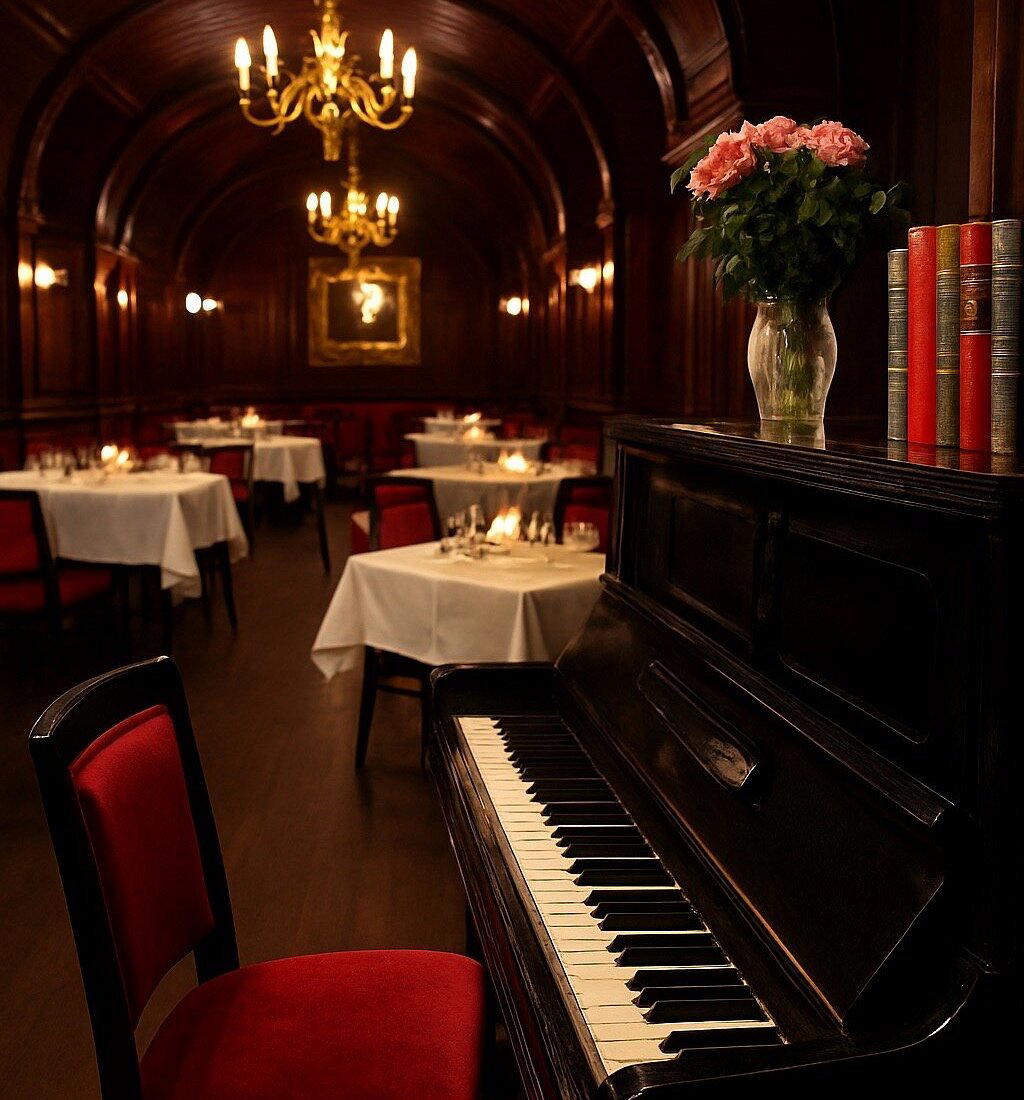
Siegen's Dining Scene and Where Unser Restaurant Fits
Germany's fine-dining map clusters predictably: Munich, Hamburg, the Rhine-Ruhr axis, the Black Forest, and a handful of spa-town outliers. Siegen, a compact industrial city in North Rhine-Westphalia's Sauerland foothills, sits outside all of those gravitational pulls. What that means in practice is a restaurant culture shaped more by regulars and regional loyalty than by guide inspectors or destination tourism. Unser Restaurant, at Hinterstraße 15 in the 57072 postal district, operates inside that context — a city where the dining conversation is still largely local, and where a neighbourhood address signals something different than it would in Düsseldorf or Frankfurt.
That context matters when reading any single venue. In cities anchored by Michelin-starred kitchens — think Aqua in Wolfsburg or Schwarzwaldstube in Baiersbronn, the reference points for sourcing, technique, and format are set by the best of the market. In Siegen, the frame is different. Restaurants here answer to a more grounded set of expectations, and the interesting question becomes not how a venue compares to a three-star benchmark, but how it reads against the city's own dining character.
The Address and Approach
Hinterstraße runs through a central but low-traffic section of Siegen, the kind of street that functions as a working neighbourhood artery rather than a dining destination strip. Arriving on foot from the Altstadt, the address places you away from the pedestrian retail zones and closer to the residential texture of the city. That physical positioning is itself a signal: restaurants that choose quieter side streets in mid-sized German cities tend to rely on word of mouth and repeat custom rather than footfall. It is a different commercial logic than a high-visibility corner site, and it shapes the atmosphere before you step through the door.
What the address and city context suggest is a setting built around familiarity, the kind of room where the staff recognise faces and the menu reflects what is available locally rather than what reads well on an international tasting menu. For travellers accustomed to JAN in Munich or CODA Dessert Dining in Berlin, that register is a deliberate shift in register, not a deficit.
Ingredient Sourcing in Mid-Sized German Cities
The sourcing argument for restaurants in cities like Siegen is often underappreciated. The Sauerland region, the forested upland stretching east and south of the Ruhr, produces lamb, game, dairy, and foraged products that supply both local restaurants and, in some cases, kitchens further afield. A city-centre restaurant on Hinterstraße is, geographically, well within reach of that supply.
That shift has been more visible at the top of the market. Places like Vendôme in Bergisch Gladbach and Schanz in Piesport have made sourcing a central part of their editorial identity, naming producers on menus and building dishes around seasonal availability in ways that influence how mid-market restaurants across the region frame their own offers. The trickle-down is real, even if uneven. A Siegen neighbourhood restaurant in 2024 is operating in a food culture where regional identity on the plate has more currency than it did fifteen years ago.
For comparison, the sourcing discipline visible at ES:SENZ in Grassau or Waldhotel Sonnora in Dreis reflects investment in supplier relationships that smaller urban restaurants cannot always replicate at the same depth. But proximity to productive land is an asset that Siegen's restaurants hold without effort, the question is always how deliberately it is used.
Situating Unser in the Siegen Dining Conversation
Siegen's restaurant scene does not have the density or the critical mass to generate the kind of internal competition that pushes individual venues toward clear differentiation. That is both a constraint and a freedom. A restaurant like Unser, operating without the pressure of a saturated market, can settle into a consistent identity without constantly repositioning against new openings. The risk, conversely, is that without external pressure, ambition drifts and formats calcify.
For visitors rather than locals, the relevant frame is what Siegen offers relative to the broader western Germany dining circuit. The city is not a dining destination in the way that Trier functions as a base for Moselle wine-country restaurants, or the way Rust anchors visits to ammolite - The Lighthouse Restaurant. It is a city with its own internal dining logic, where the most rewarding approach is to read venues on their own terms rather than against a destination-restaurant checklist. Globally, that same argument applies to neighbourhood-anchored restaurants in cities from Lyon's bouchons to the family-run trattorias of Bologna, the category has its own integrity.
For those mapping a broader German itinerary, restaurants at the upper end of the national market, Restaurant Haerlin in Hamburg, Victor's Fine Dining by Christian Bau in Perl, or ATAMA by Martin Stopp in Sankt Ingbert, represent a different kind of commitment in time and spend. Unser operates in a different tier and a different register, closer in logic to what Sebastians Steakhaus offers within the same city: reliable, locally oriented, and worth understanding within Siegen's own frame. Our full Siegen restaurants guide maps that picture more completely.
Planning a Visit
Hinterstraße 15 is accessible on foot from Siegen's central train station in under ten minutes, placing it within easy reach for anyone passing through the city rather than basing themselves there. The absence of a listed phone number or website in available databases suggests this is a venue with a lower digital footprint than its city-centre peers, which tends to correlate with a primarily local clientele and less dependence on advance reservations. For international reference points on what a fully documented fine-dining experience looks like at the upper end of the spectrum, Le Bernardin in New York City and Atomix in New York City sit at the opposite end of the transparency and infrastructure scale, useful for calibrating expectations before approaching venues with lighter digital presences. Similarly, AUGUST in Augsburg shows how a mid-sized German city restaurant can build a clear public identity around its offer. Unser Restaurant, for now, operates closer to the local institution model than the destination-dining model.
Frequently asked questions
Would Unser Restaurant be comfortable with kids?
Given its address on Hinterstraße 15, a working neighbourhood street in central Siegen rather than a formal dining destination, the setting is likely low-key rather than occasion-formal. check the venue's official channels before arriving with young children to confirm seating arrangements and any menu flexibility.
What's the vibe at Unser Restaurant?
Hinterstraße 15 sits in a functional, low-traffic section of central Siegen, and the restaurant's name — 'Unser' meaning 'ours' in German — signals a communal rather than theatrical sensibility. The address and context point toward a neighbourhood room rather than a destination showpiece. Siegen itself sits outside Germany's main fine-dining circuits, which tends to shape local venues toward unpretentious, regulars-first environments.
Is Unser Restaurant a good option for visitors arriving by train to Siegen?
Hinterstraße 15 is within walking distance of Siegen's central train station, making Unser Restaurant a practical stop for travellers passing through on regional or intercity services. Siegen sits on rail connections linking the Rhine-Ruhr corridor with Frankfurt and Marburg, giving the address genuine transit-accessible utility.
What should I eat at Unser Restaurant?
The Sauerland region, which borders Siegen to the east, produces game, freshwater fish, and forest produce that commonly appear in mid-German restaurant kitchens of this type. For current menu details, reaching out to the venue directly at Hinterstraße 15, Siegen is the most reliable step.
How do I find Unser Restaurant?
Unser Restaurant is located at Hinterstraße 15, 57072 Siegen, Germany, Siegen.
How hard is it to get a table at Unser Restaurant?
Siegen does not carry the dining-destination traffic of Munich or Hamburg, which generally means walk-in availability is more realistic than at comparable venues in larger cities. Calling ahead is still advisable, particularly on weekend evenings.
In Context: Similar Options
Comparable venues nearby, for context on price, style, and recognition.
| Venue | Cuisine | Price | Notes |
|---|---|---|---|
| Unser RestaurantThis venue — the venue you are viewing | Steakhouse & International | $20–30 | Not listed |
| Sebastians Steakhaus | American Steakhouse | Not listed | Not listed |
| Reef and Beef | Steakhouse & Seafood | $50–100 | Bayenthal |
| Wissegiggl | German Wirtshaus | Not listed | Villmar |
| La Posada - Bergisch Gladbach | Argentine Steakhouse | $30–50 | Stadtzentrum |
| Reef and Beef Düsseldorf | Steakhouse & Seafood | Not listed | Pempelfort |
Continue exploring
More in Siegen
Restaurants in Siegen
Browse all →
Details
- Cozy
- Relaxed
- Family
- Casual Hangout
- A La Carte
Current opening hours
- Monday
- 5:30–11:30 PM
- Tuesday
- 5:30–11:30 PM
- Wednesday
- 5:30–11 PM
- Thursday
- 5:30–11:30 PM
- Friday
- 12–2:30 PM, 5 PM–12 AM
- Saturday
- 12–2:30 PM, 5 PM–12 AM
- Sunday
- 12–2:30 PM, 5:30–11:30 PM
Hours can change for holidays and private events. Last verified .
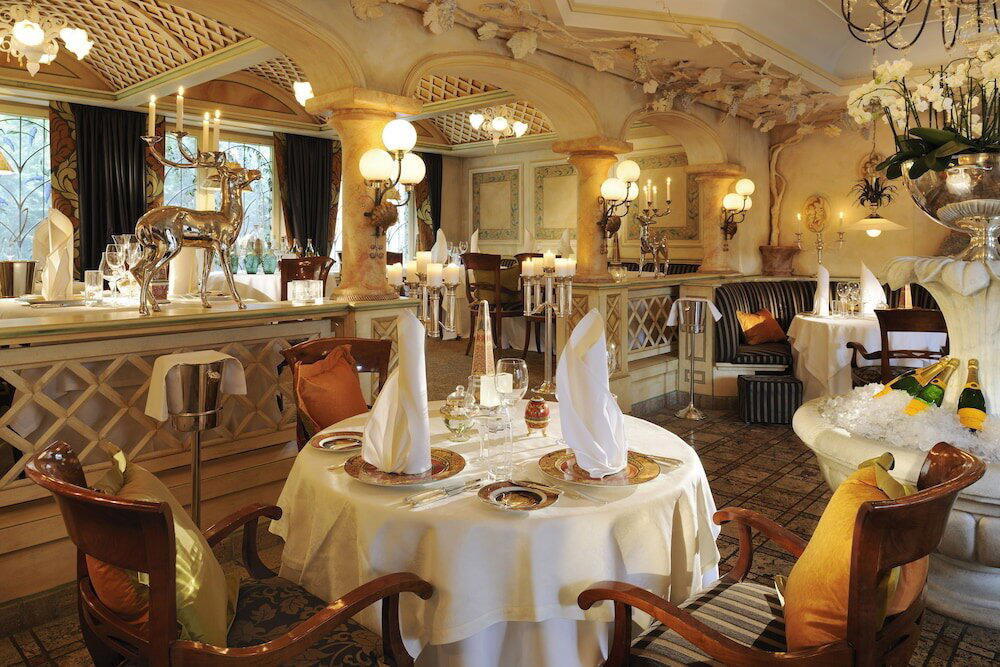
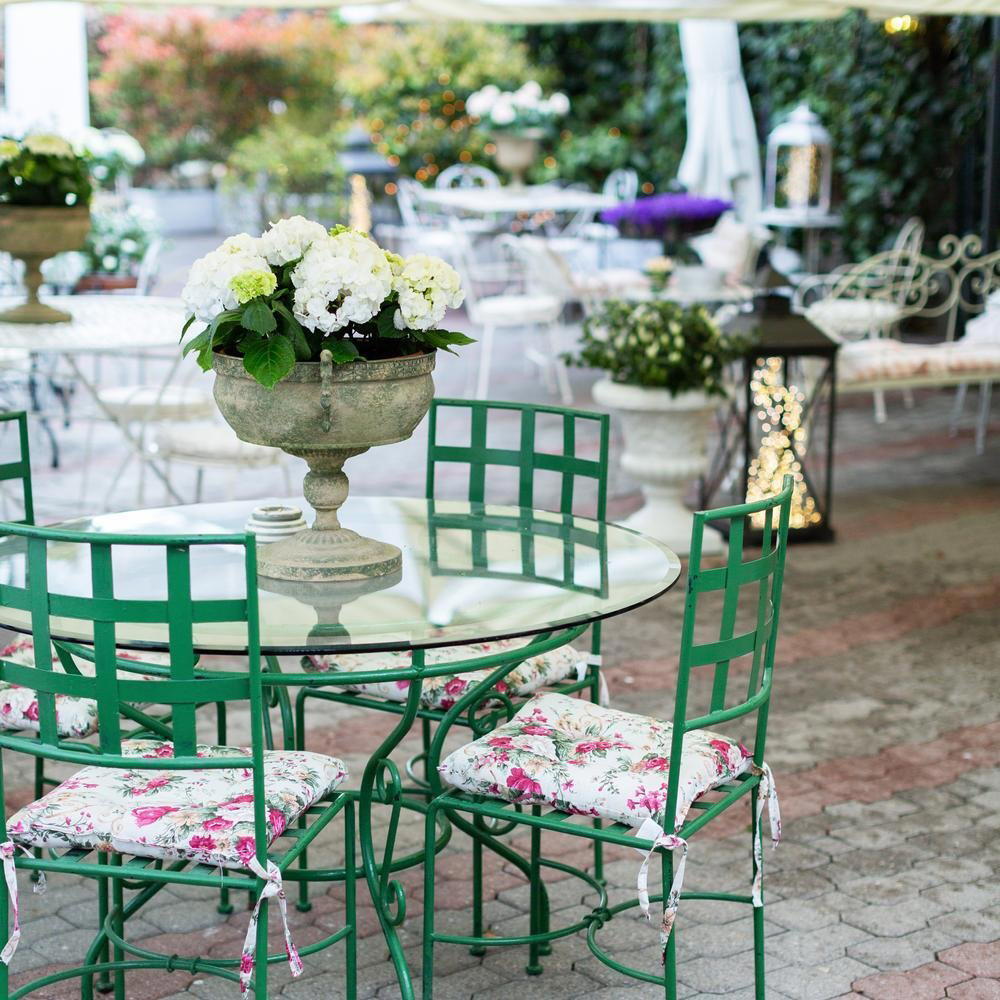
Great atmosphere with nice decorations, relaxed and dignified mood.