
Unagi Senmonten Honda gives Iiyama a serious eel address rather than a generic station-town dining room. Its Tabelog 100 - Unagi selection in 2024 and 2022 places it inside Japan’s specialist unagi conversation, with the draw lying in ingredient-led cooking, a house-restaurant setting, and a format suited to families as much as destination diners.
Pearl is the En Primeur Club membership app — saves, bookings, and concierge access live there. Same editors, same standards.
- Address
- 長野県飯山市大字飯山福寿町1117
- Phone
- +81269622213
- Website
- unagi-honda.jp
 Saves & bookings on Pearl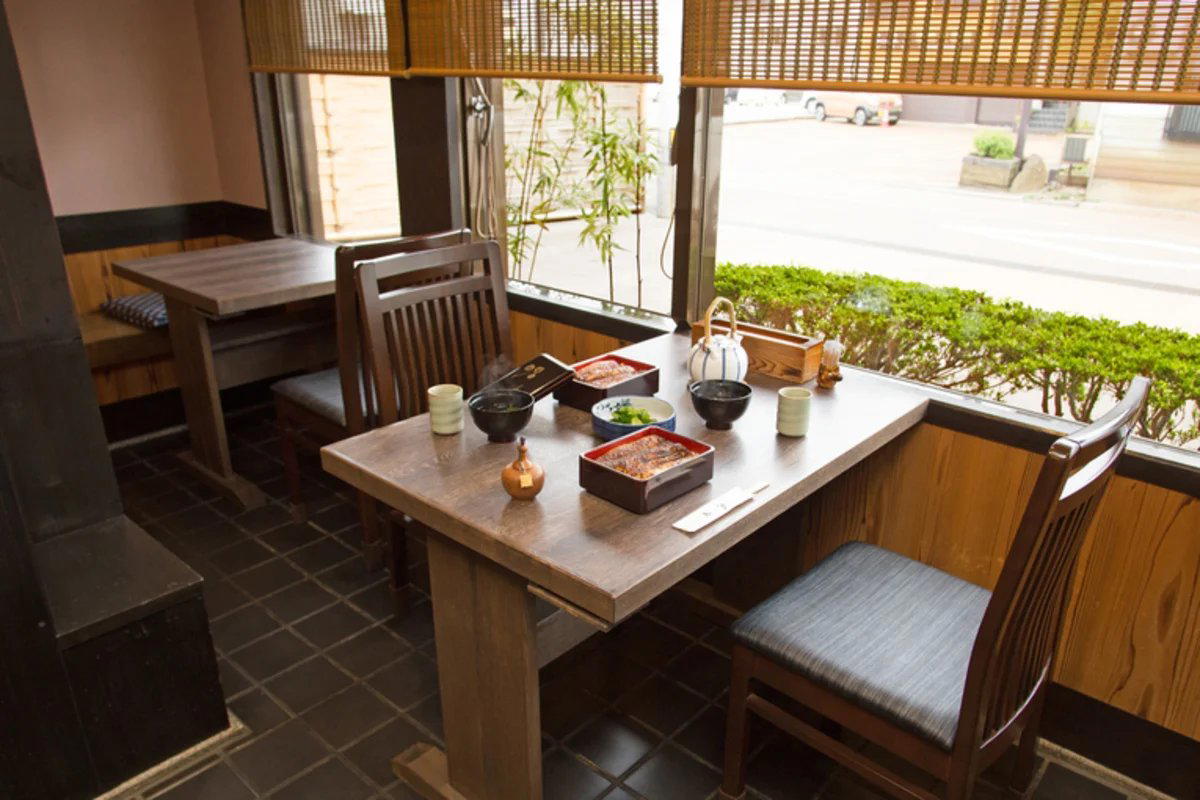
Approach the Fukujumachi side of Iiyama and the dining rhythm shifts from resort-town throughput to the slower grammar of a specialist house restaurant. The appeal is not spectacle, but the old Japanese confidence that one ingredient, handled with discipline, can carry a meal. In Nagano, where mountain produce and seasonal travel often dominate, a dedicated unagi counterpoint matters: freshwater eel has its own calendar, technique, and appetite.
Unagi Senmonten Honda belongs to the narrower category of Japanese restaurants where “specialist” means something. The kitchen’s reputation rests on unagi, not a broad washoku menu padded for convenience, separating it from general dining around regional rail stops and ski-route towns. Its selection for Tabelog 100 - Unagi in 2024, with earlier recognition in 2022, gives the address a verifiable place among Japan’s eel houses, not just a local following.
Iiyama's eel address in a mountain-food town
Iiyama is better known to many travellers as a northern Nagano gateway: snow country, temple streets, rural inns, and access to wider Shinetsu routes. That makes a serious unagi specialist more interesting. In Japan, eel is often tied to old urban districts, merchant neighbourhoods, and summer stamina rituals; here it becomes a destination meal within a quieter regional itinerary. The contrast works because unagi at this level is not casual comfort food. It is sourcing, preparation, timing, and restraint.
The ingredient explains the format. Eel cookery leaves little room for distraction: the meal depends on how the fish is handled before the grill, how the sauce is managed over time, and how rice supports richness without heaviness. The drinks list, framed around sake and shochu, follows the same logic: the usual Japanese answers to grilled, sauced, oily fish, where acidity, dryness, and alcohol weight reset the palate.
Within the broader out-of-metro Nagano orbit, the comparison helps. Shokudo New Misa sits in a lower everyday bracket, Sekizawa overlaps on spend but follows a different regional-dining logic, and Kikuzushi belongs to sushi rather than the eel canon. Unagi Senmonten Honda is narrower and more deliberate: commitment to one ingredient category, not range. For a full day in the city, Our full Iiyama restaurants guide gives the wider dining context, while Our full Iiyama hotels guide, Our full Iiyama bars guide, Our full Iiyama wineries guide, and Our full Iiyama experiences guide place the meal within a broader stay.
Why specialist unagi depends on sourcing and timing
Ingredient-led unagi restaurants rise or fall before the diner sees the finished bowl or lacquered grill work. The kitchen must treat eel as a variable product, not a neutral protein. Size, fat, texture, and season affect the result; the craft is turning those variables into consistency. That is why nationally recognised eel houses often look conservative from outside. Repetition is not lack of imagination. It protects the ingredient.
Awards matter differently here than in tasting-menu restaurants. A Tabelog 100 - Unagi selection does not signal avant-garde technique or luxury theatre. It points to category credibility: a specialist field, judged against other eel houses, where small differences in preparation and service discipline carry weight. For travellers choosing between a broad regional restaurant and a focused eel meal, that distinction is useful. The award says this is not simply an Iiyama convenience stop; it belongs to a national genre with standards of its own.
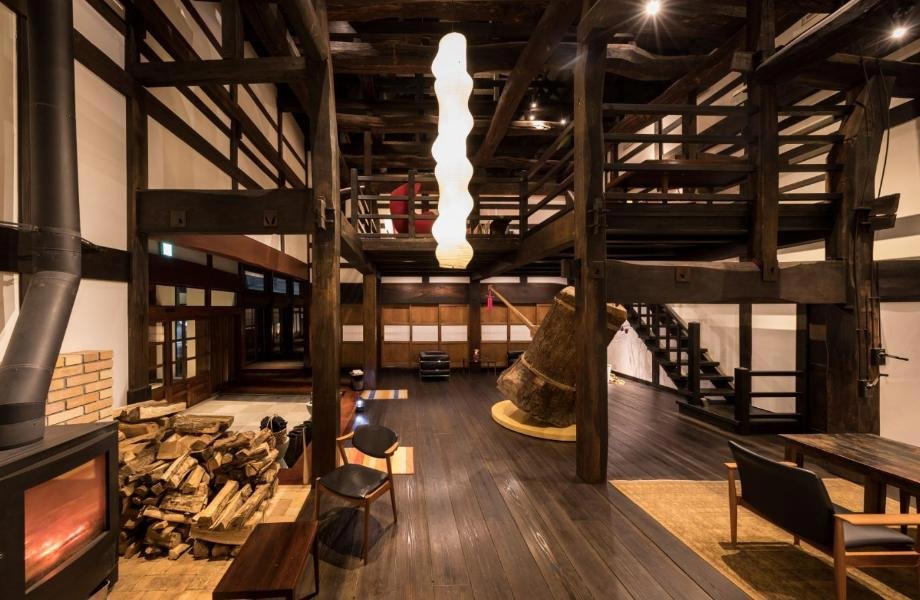
The room’s practical character reinforces the ingredient-first reading. This house restaurant has tatami rooms and private-room options, including configurations for small groups and larger gatherings. That matters in Japan, where eel meals often sit between everyday lunch, family occasion, and seasonal treat. A 60-seat arrangement across two floors gives more capacity than the tiny counter stereotype, but the reservation note is telling: diners may be served in arrival order even with a reservation, and busy periods require patience. Booking guarantees access, not necessarily immediate pacing.
For families, the format is unusually accommodating for a nationally noted specialist. Children, babies, preschoolers, school-age diners, and strollers are accepted, with tatami rooms available if requested ahead. This is not a hushed counter where a child turns the meal into a negotiation; it is a recognised eel house with enough room structure for different dining occasions.
How to read the meal against Japan's regional dining map
Japan’s destination dining is often discussed through Tokyo counters, Kyoto kaiseki, or coastal sushi towns, but regional specialists can be more revealing. They show how a single cuisine travels outside its expected centre and adapts to local movement. In Iiyama, an eel meal can sit between temple walks, snow-country travel, or a rural ryokan stay without becoming secondary. It gives the itinerary a culinary anchor that is neither resort dining nor generic station food.
The editorial case is strongest for diners who understand that unagi is a category, not just an order. Those expecting a long chef’s-menu performance may misread the appeal. The better frame is precision within a narrow lane: eel, rice, sauce, grill work, and Japanese drinks, supported by a room for couples, friends, and family groups. At that level, the restaurant’s reputation makes sense.
Travellers building a wider Japan food route can use this address as a contrast point against other formats: sukiyaki at -Grilled beef Sukiyaki- KAMAKURA TANUKIAN 鎌倉 たぬき庵 in Kamakura, charcoal tuna at . 鮪と炭火焼き うお炭 秋葉原店 in Tokyo, café culture at .cafe in Osaka, contemporary dining at .know in Kumamoto, Vietnamese cooking at (Shoku) Vietnam in Kawasaki, curry specialization at [Curry Senmon Ten] Maruyama Kyoju. in Sapporo, Kyoto dining at [ki:] in Kyoto, beef-led cooking at #肉といえば松田 奈良本店 in Kashihara, burgers at 1/3 HAMBURGER FACTORY in Kanazawa, Yokohama dining at 1000 in Yokohama, mountain-hut cooking at 1000mヒュッテ 1000m Hut in Kutchan, sake-bar culture at Jōdo Saké Bar in Los Angeles, and rice-ball specialization at Onigiri Time in Pasadena.
The sharper recommendation is simple: choose this meal when the day calls for a focused Japanese specialty rather than variety. Iiyama rewards slower travel, and eel rewards diners willing to let one ingredient set the pace.
Quick Comparison
Comparable venues by cuisine and price in the same metro.
| Venue | Cuisine | Price | Awards | Notes |
|---|---|---|---|---|
| Unagi Senmonten HondaThis venue — the venue you are viewing | Traditional Unagi (Eel) Restaurant | $$ | , | |
| うなぎ専門店 本多 | Traditional Japanese Unagi Specialist | $$$ | , | Iiyama |
| Boteyan (ぼてやん多奈加) | Square Okonomiyaki Specialist | $$ | , | Toyama Station area |
| ごころ | Handmade Sanuki Udon | $$ | , | Niseko Hirafu |
| Kawakami-an (軽井沢 川上庵) | Traditional Japanese Soba | $$ | , | Karuizawa |
| Gyoza Kogetsu | Traditional Japanese Gyoza | $$ | , | Kitahama |
Continue exploring
More in Iiyama
Restaurants in Iiyama
Browse all →
At a Glance
- Classic
- Cozy
- Hidden Gem
- Family
- Group Dining
- Solo
- Casual Hangout
- Date Night
- Standalone
Traditional, down-to-earth Japanese eel house with simple decor, tatami and table seating, and a comfortable, everyday atmosphere suited to both locals and visitors.[1][4][7][9]