
Kagoshima’s eel culture has a serious address in Shimofukumotocho, where Unagi no Mitsuru connects the city’s local appetite for freshwater fish with the disciplined format of a specialist unagi house. Selection for Tabelog 100 - Unagi - 2024 gives it a national signal, while the setting keeps the focus on sourcing, charcoal, rice, and timing rather than ceremony.
Pearl is the En Primeur Club membership app — saves, bookings, and concierge access live there. Same editors, same standards.
- Address
- 鹿児島県鹿児島市下福元町3573-4
- Phone
- +81992678341
- Website
- tabelog.com
 Saves & bookings on Pearl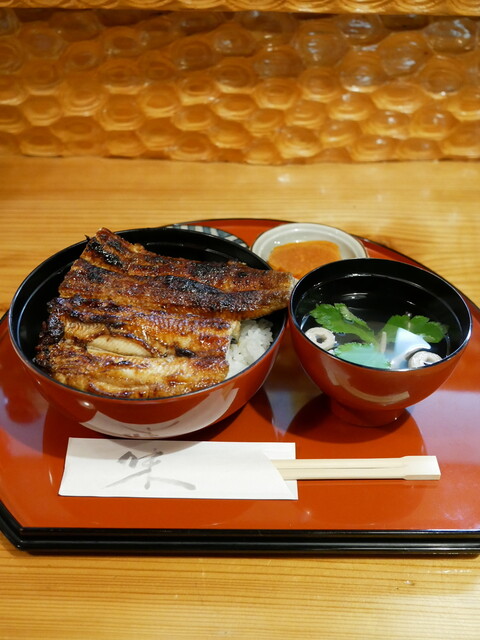
Approaching the restaurant feels more like arriving at a local house than entering a polished urban dining room. That matters in Kagoshima, where serious eating often follows ingredient access rather than theatrical design: kurobuta pork, local chicken, market fish, sweet potatoes, shochu, and here, eel. Unagi no Mitsuru sits in Shimofukumotocho, away from hotel-heavy circuits, and its appeal starts with a regional truth: southern Kyushu food culture is comfortable with richness, smoke, and sweetness, but judges those pleasures by control.
Eel tests that control. From a distance, the category can look repetitive: lacquered fillets, rice, sauce, steam, heat. At stronger unagi specialists, differences come from sourcing and handling. Fish size, fat level, preparation style, sauce concentration, and the time between grill and table all change the result. Kagoshima gives unagi natural context because the prefecture is closely associated with eel production, and diners treat it less as novelty than as a known local pleasure with clear standards.
Kagoshima eel belongs to a wider Kyushu argument about ingredient quality
Japan’s unagi map is often framed by old city traditions, especially Kanto-style steaming versus Kansai-style direct grilling. Kyushu adds proximity to production areas and a local preference for depth, char, and sweetness. An eel restaurant is therefore not just selling a bowl or lacquered box. It asks whether the fish has enough fat, whether the sauce supports rather than buries it, and whether the rice holds the structure together.
The 2024 Tabelog 100 - Unagi selection places Unagi no Mitsuru inside a national conversation, not only a Kagoshima one. That recognition matters because unagi is a specialist category with a deep field across Japan. The award does not make the meal luxury dining; it clarifies the competitive set. This is not priced like counter sushi or destination kaiseki. Lunch and dinner are listed at JPY 3,000 to JPY 3,999, a range suited to focused eel rather than a long tasting format.
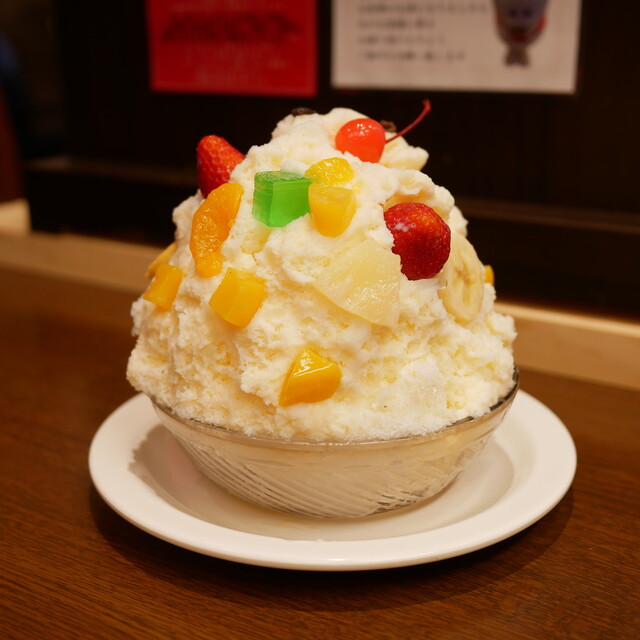
That price also distinguishes it from other Kagoshima choices. Sushi Dokoro Kimiya occupies a higher local seafood spend, while Toriya Yamaguchi sits in a much more expensive poultry-led tier. Tonkatsu Taketei Tagami ten and Washoku Tei operate in a lower everyday range, and Tenmonkan Mujaki Amyu puraza ten serves a different, dessert-driven city need. The point is not hierarchy. Kagoshima is better read as a city of specific cravings: pork cutlet, grilled chicken, market lunches, bars, shaved ice, and eel each demand a different budget and rhythm.
The room keeps the attention on fish, rice, and smoke
The house-style setting and counter seating suit a cuisine where repetition is craft. Unagi cooking rewards consistency: the same movements, applied to fish that are never identical. A long tasting menu can distract from that. A tighter format sharpens the questions. Is eel the center, or has sauce taken over? Does rice act as structure, or filler? Does smoke read as seasoning, or performance?
Kagoshima’s wider dining scene frames that restraint. A visitor planning around regional staples could pair eel here with tonkatsu at Aji no Tonkatsu Maruichi, chicken at Akadori Sumiyaki Daiyasu, market cooking at Ichiba Shokudo Jounan ten, and set-meal structure at Charcoal-grilled Fish & Clay Pot-cooked Rice Ochawan, Japanese Set Meal Diner. Drinks belong to another part of the evening; BAR STINGER shows how the city’s bar culture can extend dinner without forcing another full meal.
Unagi no Mitsuru also fits a broader Japanese pattern: ingredient-focused restaurants that read modestly on paper but carry stronger signals than their format suggests. The category needs no chef biography. The evidence is structural: specialist category, national list recognition, defined price band, non-smoking room, take-out availability, and a setting for diners who came for eel rather than spectacle.
How to place it inside a Kagoshima itinerary
Use this restaurant as a focused regional meal, not a catch-all dinner for every traveler. It suits visitors who want Kagoshima beyond central shopping streets and station-adjacent convenience. The nearest rail reference is Jigenji Station, and the Shimofukumotocho location feels more local than touristic. Parking availability matters because taxis, trains, buses, and cars create different dining maps here.
Timing has discipline. Service centers on daytime hours across most of the week, with Sunday closure listed and a waiting-list board placed before opening. Advance reservations are available up to one month ahead. For a day around Sakurajima, Sengan-en, or the southern side of the city, treat eel here as an early anchor rather than a flexible late-night fallback.
Payment is another practical filter: credit cards, electronic money, and QR code payments are not accepted. That is not incidental in Japan, where rural and specialist restaurants can stay cash-based even when reputations travel nationally. The room is non-smoking, private rooms are unavailable, and private use is unavailable, so the meal suits diners comfortable with a shared local setting rather than a sealed-off occasion.
For broader planning, use Our full Kagoshima restaurants guide alongside Our full Kagoshima hotels guide, Our full Kagoshima bars guide, Our full Kagoshima wineries guide, and Our full Kagoshima experiences guide. For comparison across Japan and beyond, apply the same ingredient-first lens to -Grilled beef Sukiyaki- KAMAKURA TANUKIAN 鎌倉 たぬき庵 in Kamakura, . 鮪と炭火焼き うお炭 秋葉原店 in Tokyo,.cafe in Osaka,.know in Kumamoto, (Shoku) Vietnam in Kawasaki, [Curry Senmon Ten] Maruyama Kyoju. in Sapporo, Jōdo Saké Bar in Los Angeles, and Onigiri Time in Pasadena.
The editorial read is clear: choose Unagi no Mitsuru when eel is the point, not a side note in a broader Japanese menu. Kagoshima has louder signatures, but this is quieter regional seriousness, built around fish, heat, rice, and the confidence to keep the frame narrow.
A Quick Peer Check
Comparable venues by cuisine and price in the same metro.
| Venue | Cuisine | Price | Awards | Notes |
|---|---|---|---|---|
| Unagi no MitsuruThis venue — the venue you are viewing | Japanese Unagi | $$ | , | |
| Kumasotei (熊襲亭) | Authentic Satsuma Shabu-Shabu | $$ | , | 天文館 |
| 菜々かまど | Japanese Seafood Izakaya | $$ | , | 天文館 |
| Nana Kamado | Authentic Japanese Cuisine | $$$ | , | Takamibaba |
| Tenmonkan Mujaki Amyu puraza ten | Japanese cafe & shaved ice (Shirokuma) | $ | , | Kagoshima Chuo Station / Amu Plaza |
| Tonkatsu Taketei Tagami ten | Tonkatsu (Japanese pork cutlet) | $$ | , | Tagami, Kagoshima City |
Continue exploring
More in Kagoshima
Restaurants in Kagoshima
Browse all →
Hotels in Kagoshima
Browse all →
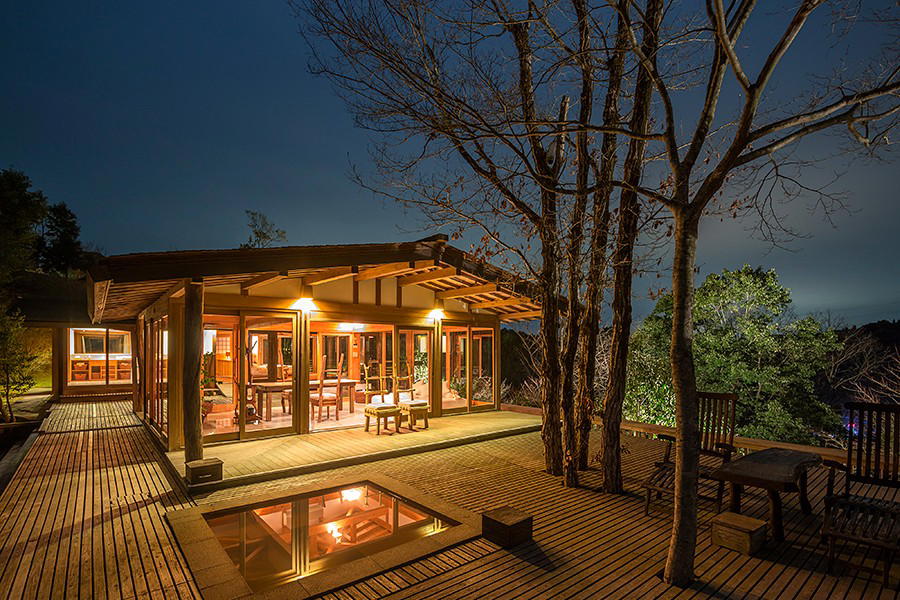
Wineries in Kagoshima
Browse all →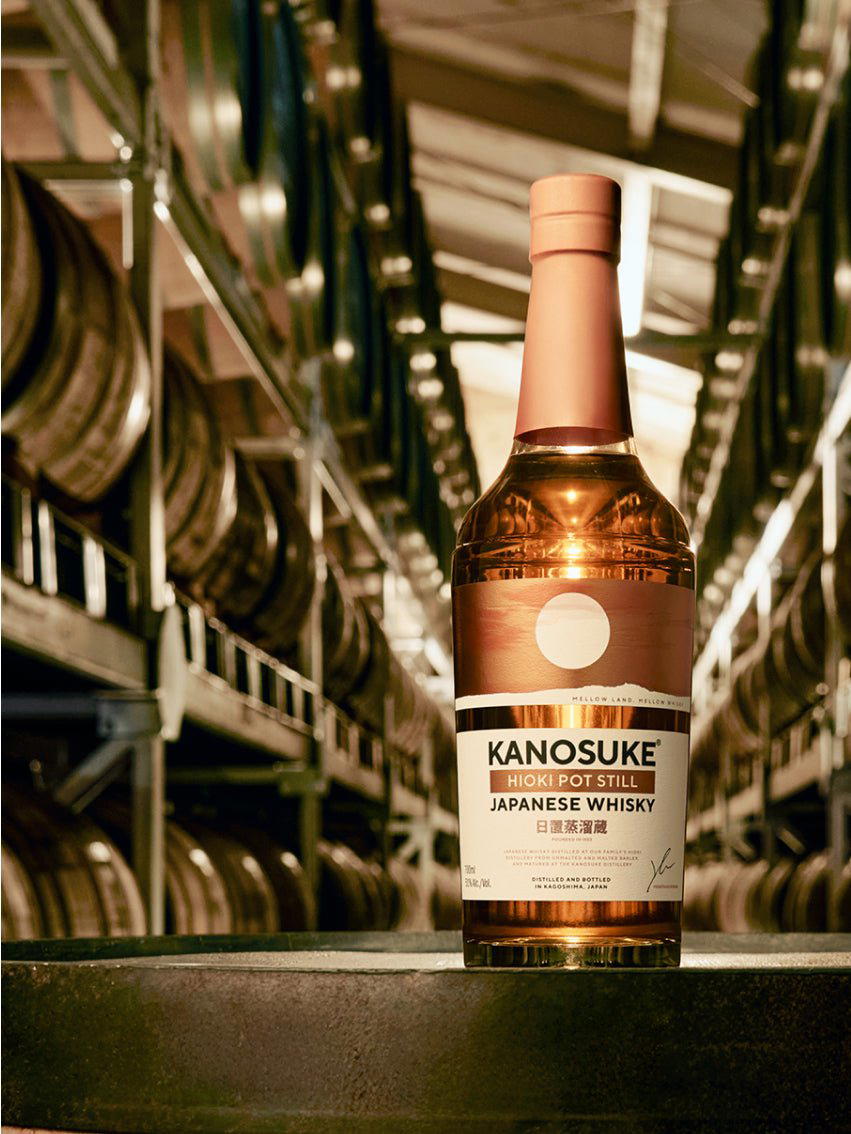
At a Glance
- Classic
- Hidden Gem
- Cozy
- Solo
- Casual Hangout
- Special Occasion
- Standalone
A relaxed, no-frills house restaurant atmosphere focused on eel, with counter seating and a quiet, traditional feel.