
Tabelog 100 #44
Our verdict
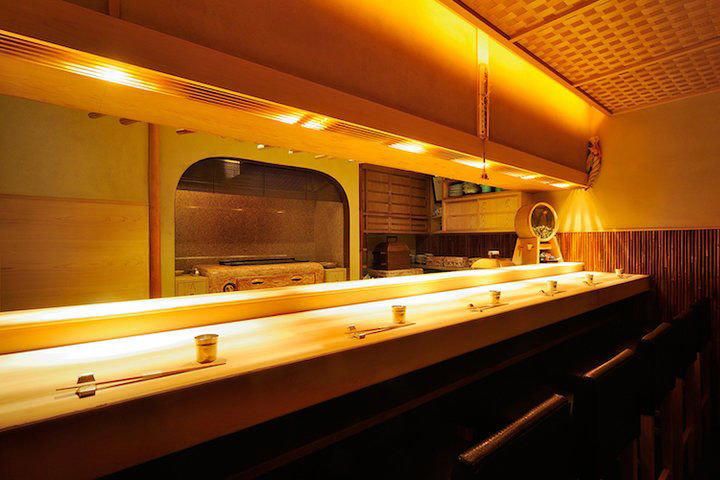
Unagi Marutomi is an eight-seat counter in Minamishinagawa, selected for Tabelog 100 Unagi in 2024 and 2022. The appeal is format discipline: eel, rice-bowl cooking, sake, take-out, and a compact house-restaurant setting near Aomono Yokocho, with reservations unavailable and queue rules that reward precise timing.

Pearl is the En Primeur Club membership app, where members save venues, book tables and use the concierge.
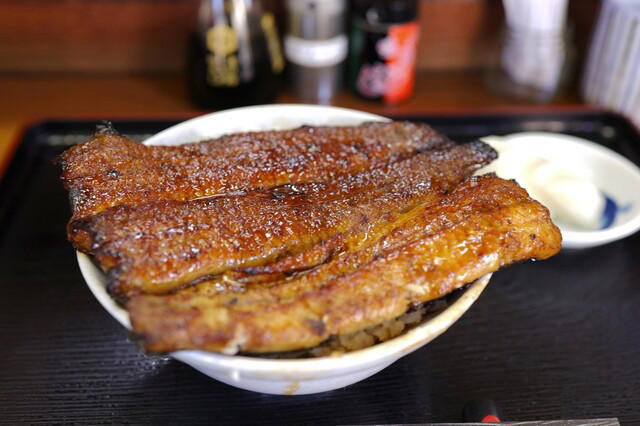
The menu
What to order
- Unadon (unagi rice bowl)
- Grilled unagi over rice takeaway
Tokyo is not only hotel-lobby dining rooms and choreographed omakase theatre. Across the city, the scale often tightens: practical lunch habits, category-specific cooking, and dining rooms where the main idea matters more than decorative flourish. In that context, Unagi Marutomi feels less like a spectacle-driven destination than a focused urban stop built for directness and diners who understand the appeal of a specialist meal.
Tokyo’s unagi culture sits apart from the city’s louder sushi economy. The cooking is deliberately narrow: eel, rice, sauce, grill discipline, and the timing that makes a short, focused meal feel complete. Recognition on Tabelog 100 Unagi in 2024 places this address inside a specialist category, not a broad fine-dining conversation. That distinction matters. The value here is not ceremony, rare ingredients, or a chef biography shaped for international diners. It is a defined unagi address recognized within Japan’s dedicated eel conversation.
A focused room where the meal sets the pace
The specialist format explains the experience before the menu does. A focused unagi restaurant leaves less room for distraction than a broader dining room built around many courses or a long drinks program. Tokyo has many restaurants with narrow premises, but eel shops carry particular pressure: the central dish depends on heat management and rice timing, while the customer experience depends on accepting the meal’s pace. In a larger or more varied restaurant, delays can be softened by courses, drinks, and table service. Here, the format is more direct.
That makes the focused setting part of the appeal. The distance between the restaurant’s purpose and the diner’s plate is short without needing to turn the meal into performance. The room’s logic defines who it suits: solo diners and pairs looking for a clear specialist stop fit naturally; groups seeking a long, lingering table-service experience may find the structure less aligned with their plans. The point is not decorative polish. It is the practical discipline of a restaurant centered on one recognizable category.
The listed categories, unagi, donburi, and izakaya, point to Tokyo eating that is casual in shape but exacting in execution. Donburi culture compresses protein, rice, sauce, and timing into one bowl rather than a long progression. The meal’s center of gravity remains eel over rice. Compared with other casual options in the comparison set, such as Oniyanma Higashishinagawa ten or Hinadori Sonoda, this address occupies a narrower specialist lane. It is not competing on breadth; it is competing on category credibility.
Why a modest price band can carry serious unagi credibility
In Tokyo, unagi often signals a higher-spend tradition than other everyday Japanese meals because the product, preparation, and historical status carry weight. The JPY 3,000 to JPY 3,999 lunch and dinner band keeps Marutomi approachable while still sitting above the most casual quick-meal tiers. That middle position is useful for travelers: it offers a serious unagi stop without turning lunch into a major tasting-menu commitment.
The Tabelog score of 3.66 gives another reading of the room’s standing. On Tabelog, scores above the mid-threes can carry significant local weight, especially in tightly judged Japanese categories where regulars and specialists often review with restraint. The Tabelog 100 Unagi selection is the stronger trust signal because it identifies the restaurant within a defined eel category, not merely as a general neighborhood favorite.
The better comparison is not with broader luxury dining, but with Tokyo’s disciplined single-specialty restaurants. Banraien, Pizzeria Bakka M’unica, Rebanira ya Kintaro Toukyou shucchoujo, and similar category-focused addresses show how Tokyo rewards depth over range: a tight premise, clear price expectation, and a room scaled to the work. Unagi Marutomi belongs to that logic. Readers wanting linen, wine pairing, and international service language should look elsewhere. Readers wanting to understand how Tokyo’s specialist restaurants function will learn more from this kind of focused address than from a grander room with less constraint.
Know Before You Go
- Format: Specialist dining suited to diners who are comfortable with a focused eel-centered meal.
- Food focus: Listed categories are Unagi (Eel), Donburi (Rice bowl), and Izakaya (Japanese style tavern).
- Recognition: Selected for Tabelog 100 Unagi in 2024; Tabelog score listed at 3.66.
- Budget: Lunch and dinner are both listed at JPY 3,000 to JPY 3,999.
- Access: Located in Tokyo; plan routing around the city rather than treating it as a sprawling all-evening venue.
- Timing: Check current opening details before going, as specialist restaurants can be sensitive to day-by-day service changes.
- Booking: Confirm the latest reservation and queueing approach directly before visiting.
- Payment: Check accepted payment methods in advance, especially if you are planning around a tight itinerary.
For a wider Tokyo itinerary, treat this as a compact specialist meal rather than the anchor of a full evening. Pair it with neighborhood-level planning from Our full Tokyo restaurants guide, then use Our full Tokyo hotels guide, Our full Tokyo bars guide, Our full Tokyo wineries guide, and Our full Tokyo experiences guide to avoid sending every meal into the same central districts. Other Tokyo references in the dining map include additional small restaurants, casual counters, and category-specific rooms across the city. Broader Japan and overseas contrasts underline the same planning point: focused dining rewards specificity.
Frequently asked questions
What days is Unagi Marutomi closed?
Opening days and hours should be checked directly before visiting, as specialist restaurants can change service patterns.
What's the price range at Unagi Marutomi?
Pricing at Unagi Marutomi is listed as JPY 3,000 - JPY 3,999 JPY 3,000 - JPY 3,999 View spending breakdown.
What's the address for Unagi Marutomi?
Tokyo.
What's the defining dish or idea at Unagi Marutomi?
Unagi is the point here, backed by the Tabelog 100 Unagi 2024 selection. The experience is direct and focused rather than sprawling.
Can Unagi Marutomi handle vegetarian requests?
The listed categories are Unagi (Eel), Donburi (Rice bowl), and Izakaya (Japanese style tavern), so the menu clearly centers on eel. Vegetarian diners should expect limited choice relative to a plant-forward restaurant in Tokyo.
Can I bring kids to Unagi Marutomi?
This is best treated as a specialist meal, so older children who can sit through a focused dining experience are likely a more practical fit than very young ones.
Cuisine and Recognition
Comparable venues to place this listing in its category.
| Venue | Cuisine | Price | Awards | Notes |
|---|---|---|---|---|
| Unagi MarutomiThis venue (the venue you are viewing) | Traditional Unagi (eel) counter | $30–50 | Tabelog 100 #44 | Not listed |
| Wakana Sushi | Traditional Japanese Sushi | $20–30 | Not listed | Higashi Nagasaki |
| Shio Ramen Shinka | Traditional Shio Ramen | $10–20 | Not listed | Machida |
| Curry no Mise Udon | Japanese Curry House | $10–20 | Tabelog 100 #53 | Shinagawa |
| Tonkatsu Iwai | Tonkatsu | $20–30 | Tabelog 100 #99 | Minato |
| Teuchi Soba Narutomi | Traditional Ginza soba & tempura | $20–30 | Tabelog 100 #51 | Chūō |
Recognition history
Dated appearances from independent guides and award organizations, with the underlying list record or original source where available.
Tabelog 100 #44 · No. 44
Tabelog · Tabelog 100 - Unagi - 2024
Continue exploring
More in Tokyo
Restaurants in Tokyo
All restaurants in Tokyo →

Bars in Tokyo
All bars in Tokyo →



Details
- Classic
- Intimate
- Solo
- Casual Hangout
- After Work
- Chefs Counter
- Standalone
- Sake Program
- A La Carte
- Counter Dining
- Set Menu
- Sake
- Beer
- Pescatarian Friendly
Current opening hours
- Monday
- 11 AM–1:30 PM, 4–7 PM
- Tuesday
- 11 AM–1:30 PM, 4–7 PM
- Wednesday
- Closed
- Thursday
- 11 AM–1:30 PM, 4–7 PM
- Friday
- 11 AM–1:30 PM, 4–7 PM
- Saturday
- 11 AM–1:30 PM
- Sunday
- Closed
Hours can change for holidays and private events. Last verified .
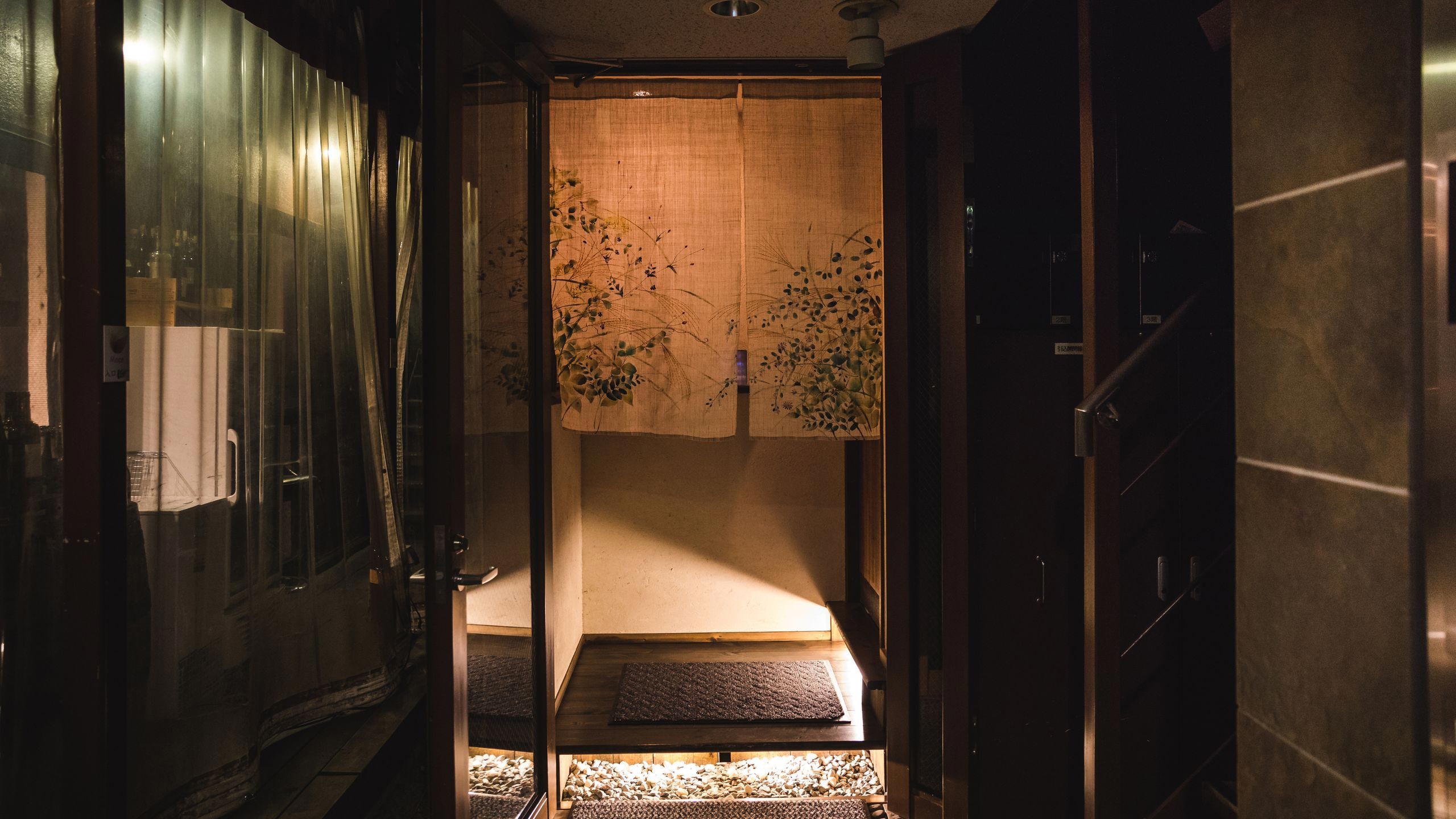
small, counter-only neighborhood eel shop inside a house-like building, with a simple, old-school atmosphere focused on efficient service and quick turnover rather than décor; queues form outside and photography is prohibited, giving it a somewhat strict but authentic local feel.