Momokawa

Momokawa on the Upper East Side occupies a quiet but deliberate position in New York's omakase conversation, where intimate counter formats and restrained Japanese technique have increasingly displaced larger, more performative dining rooms. Located at 1466 First Avenue, it operates within a neighbourhood that rewards those who look past Midtown's concentration of marquee names. The physical setting and format place it in the specialist tier of the city's Japanese dining continuum.
Pearl is the En Primeur Club membership app — saves, bookings, and concierge access live there. Same editors, same standards.
- Address
- 1466 1st Ave, New York, NY 10075
- Phone
- +12122560403
- Website
- momokawanyc.com
- Directions
- Get directions
 Saves & bookings on Pearl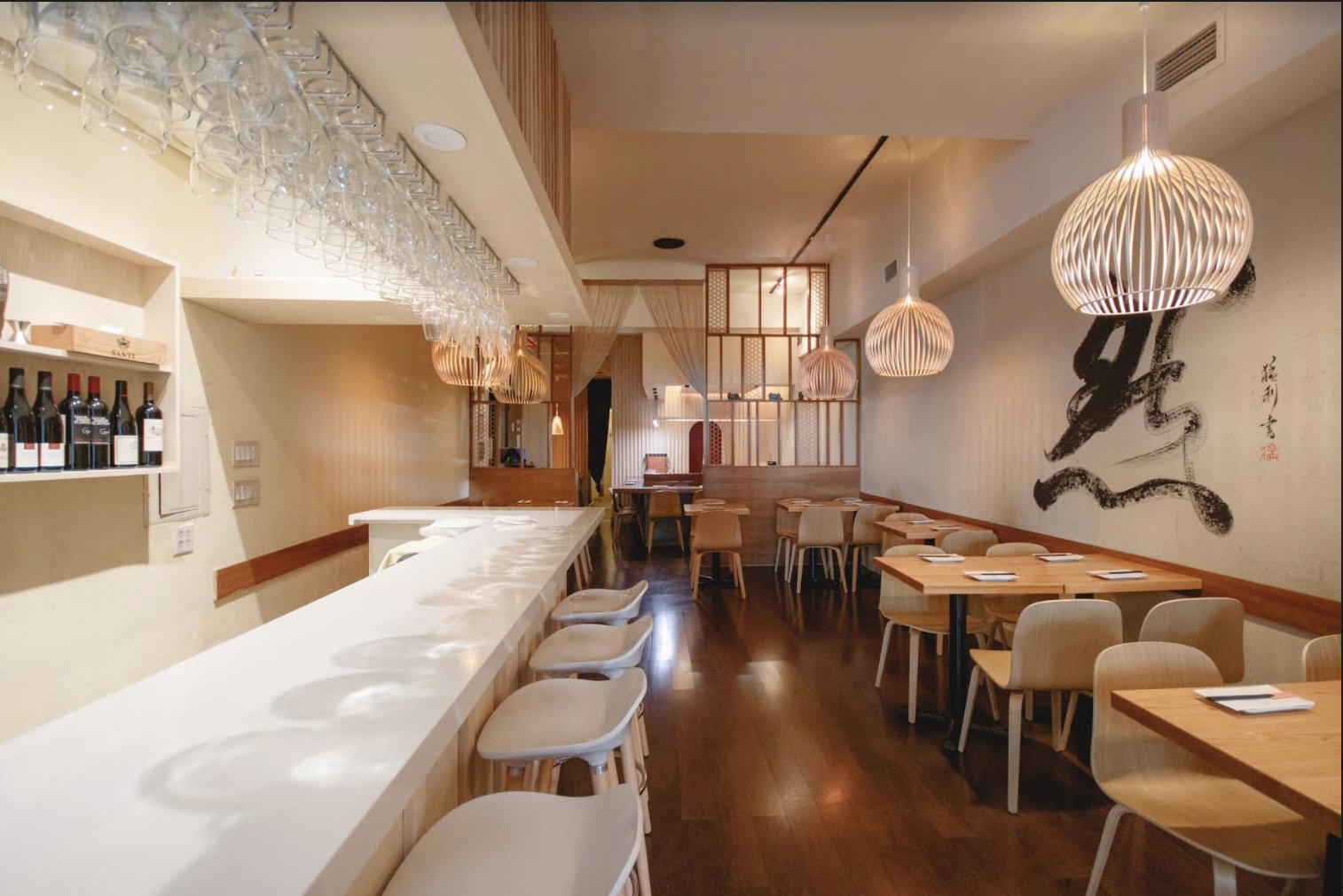
Counter Culture: How New York's Omakase Rooms Reshaped the Upper East Side
Momokawa is a Japanese restaurant in New York, NY, serving Traditional Japanese Sukiyaki & Sushi, with a price tier around $40 per person. At the leading sit counters, the format is as deliberate as the fish: limited seats, no walk-ins, and booking windows that can stretch for weeks. Below that apex, a second tier has emerged across the boroughs, omakase and kaiseki rooms that trade on craft and intimacy without necessarily commanding the same per-head figures. Momokawa, at 1466 First Avenue in the Upper East Side, fits into that second register: a room where the counter sets the tone before a single course arrives.
The Upper East Side has historically been overshadowed in New York's dining conversation by the density of marquee addresses in Midtown and the creative ferment further downtown, but that underestimation has created space for quieter, more focused operations. Japanese cuisine, in particular, has found footing here, drawing a clientele that values discretion over theatre. Momokawa operates within that context as a neighbourhood-level address.
The Physical Container: What the Room Communicates
In the grammar of Japanese counter dining, the room is not incidental. The design of an omakase or kaiseki space encodes the restaurant's philosophy more legibly than any printed menu. Counters narrow the social field: you face the kitchen, the chef faces you, and the transaction becomes almost ceremonial. Larger rooms with dispersed seating tend toward a different kind of hospitality, one where the dining experience is one of several things happening simultaneously. Counter rooms collapse that distance.
The counter format that defines the upper tier of New York's Japanese dining, visible at addresses like Masa in the Time Warner Center, where the hinoki counter is the room's central argument, filters down through the city's mid-market Japanese rooms as an aspiration and a design principle. When smaller rooms on the Upper East Side adopt the counter as their primary seating arrangement, they are aligning with a tradition in which physical proximity to preparation is a signal of seriousness. At Momokawa, the address and format place it in that current.
This matters because counter dining in New York has moved from novelty to convention over the past decade. What once marked a room as adventurous or specialist now reads as the default format for any Japanese operation that takes its craft seriously. The interesting question is no longer whether a room has a counter, but what quality of attention and material it brings to that inherited format.
Situating Momokawa in the New York Japanese Tier
New York's Japanese dining operates on a compressed competitive map. At the leading, Masa holds a category of its own, three Michelin stars, a per-head spend that exceeds most peer counters globally, and a format where the room's minimalism is itself the statement. Below that, a cluster of serious operations, some omakase-focused, some kaiseki-inflected, compete for a well-travelled clientele that cross-references New York bookings against experiences in Tokyo, Kyoto, and Osaka.
Momokawa's First Avenue address situates it outside the Midtown concentration where Per Se and Le Bernardin anchor the French fine dining axis, and away from the Korean-inflected fine dining cluster in Midtown and Flatiron where Atomix and Jungsik New York have established strong critical footholds. The Upper East Side placement is a choice that implies something about intended audience and operational scale: this is not a room positioning itself for the expense-account Midtown crowd or the downtown-adjacent food-press circuit. It is operating on First Avenue in a neighbourhood where regulars matter and word-of-mouth carries real weight.
That positioning connects to a broader dining trend visible in cities from coast to coast. Restaurants operating outside their city's primary fine dining cluster, like Lazy Bear in San Francisco, Blue Hill at Stone Barns north of the city, or Providence in Los Angeles, often cultivate a loyalty that more centrally located addresses cannot replicate. The slight remove from the main circuit concentrates the audience and, in turn, tends to concentrate the quality of attention a room can sustain.
Planning a Visit
Momokawa is located at 1466 First Avenue on the Upper East Side. Reservations are recommended, particularly for evening sittings on weekends. Momokawa's neighbourhood positioning can make availability tighter on popular nights.
The discipline of the small room, carefully managed, is a consistent signal across this tier of American fine dining.
Recognition, Side-by-Side
Comparable venues nearby, for context on price, style, and recognition.
| Venue | Cuisine | Price | Notes |
|---|---|---|---|
| MomokawaThis venue — the venue you are viewing | Traditional Japanese Sukiyaki & Sushi | $$ | Not listed |
| Ramen Goku Chelsea | Japanese Curry Ramen | $$ | Chelsea-Hudson Yards |
| Ippudo | Hakata-Style Tonkotsu Ramen | $$ | East Village |
| Momo Sushi Shack | Brooklyn-Style Japanese Sushi Shack | $$ | East Williamsburg |
| Nami Nori Williamsburg | Modern Japanese Temaki Bar | $$ | Williamsburg |
| Takahachi | Japanese Sushi | $$ | East Village |
Recognition history
Dated appearances from independent guides and award organizations, with the underlying list record or original source where available.
Opinionated About Dining Casual in North America Recommended
Opinionated About Dining
Continue exploring
More in New York City
Restaurants in New York City
Browse all →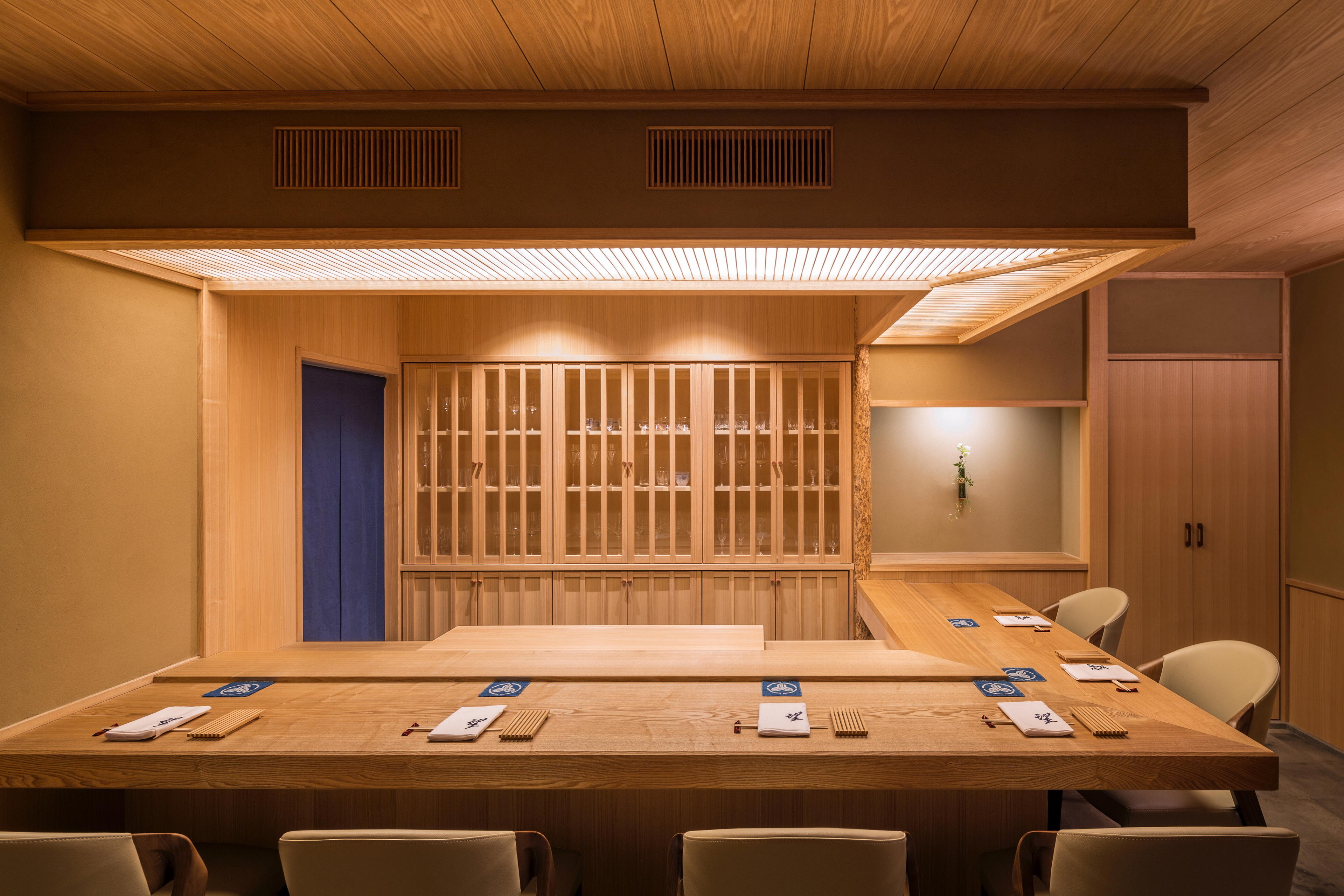
Bars in New York City
Browse all →
Hotels in New York City
Browse all →





At a Glance
- Intimate
- Cozy
- Elegant
- Date Night
- Special Occasion
- Sake Program
Current opening hours
- Monday
- 12–3 PM, 4:30–10 PM
- Tuesday
- 12–3 PM, 4:30–10 PM
- Wednesday
- 12–3 PM, 4:30–10 PM
- Thursday
- 12–3 PM, 4:30–10 PM
- Friday
- 12–10 PM
- Saturday
- 12–10 PM
- Sunday
- 12–10 PM
Hours can change for holidays and private events. Last verified .
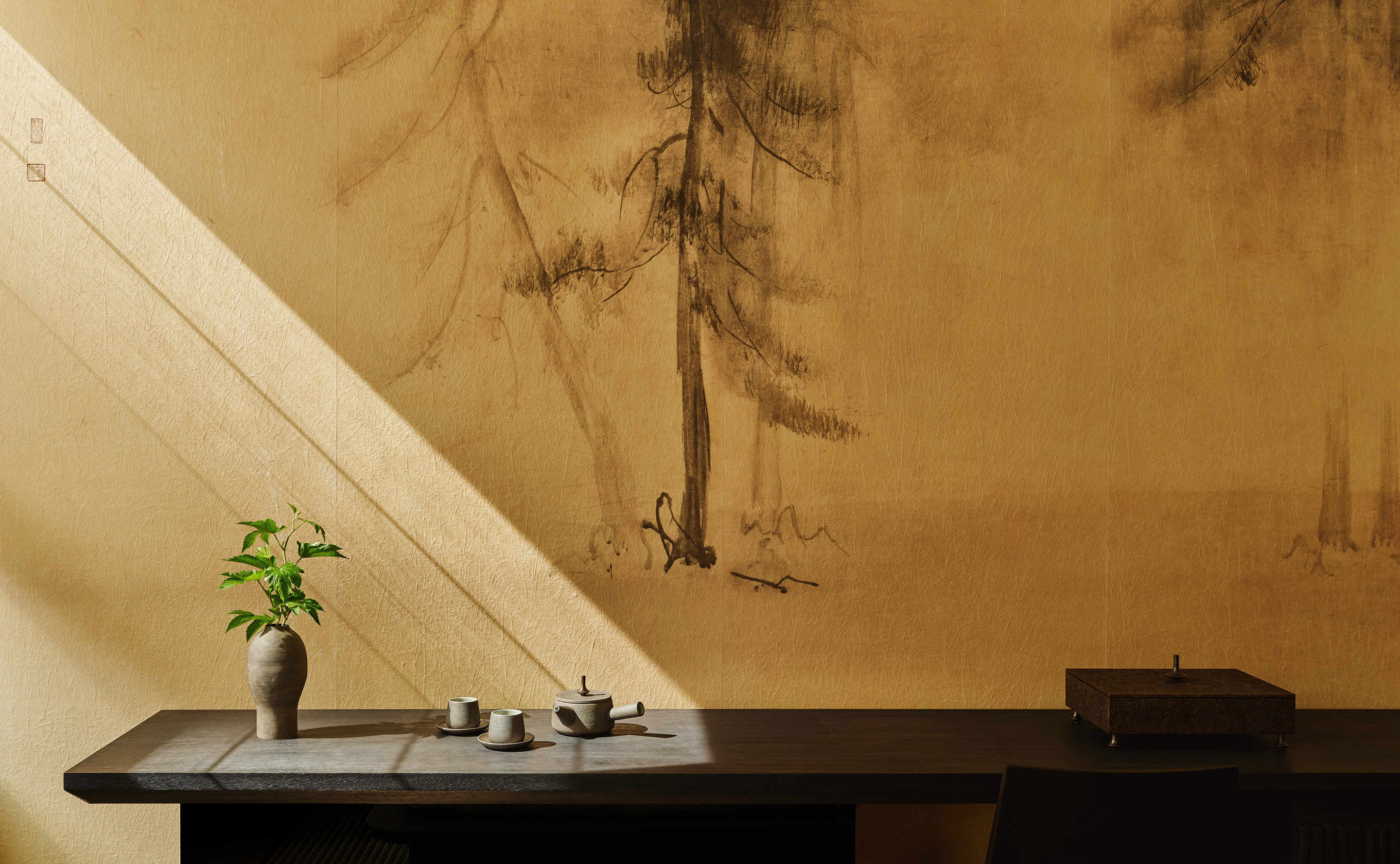
Serene and elegant atmosphere evoking Kyoto, with a calm and peaceful dining experience.