Momiji SLU
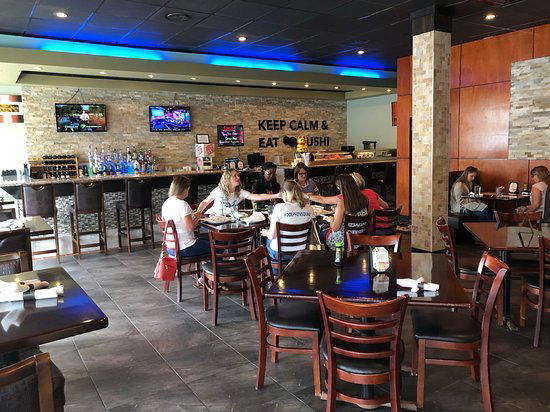
Momiji SLU occupies a corner of Seattle's South Lake Union neighbourhood at 731 Bell St, bringing Japanese-inflected dining to one of the city's fastest-changing districts. The restaurant sits in a tier of Seattle addresses where the room, the service team, and the kitchen work in concert rather than any single element carrying the show. Visitors should plan ahead and arrive with a clear sense of the neighbourhood's character before sitting down.
Pearl is the En Primeur Club membership app — saves, bookings, and concierge access live there. Same editors, same standards.
- Address
- 731 Bell St, Seattle, WA 98121
- Phone
- +12062571304
- Website
- momijislu.com
- Directions
- Get directions
 Saves & bookings on Pearl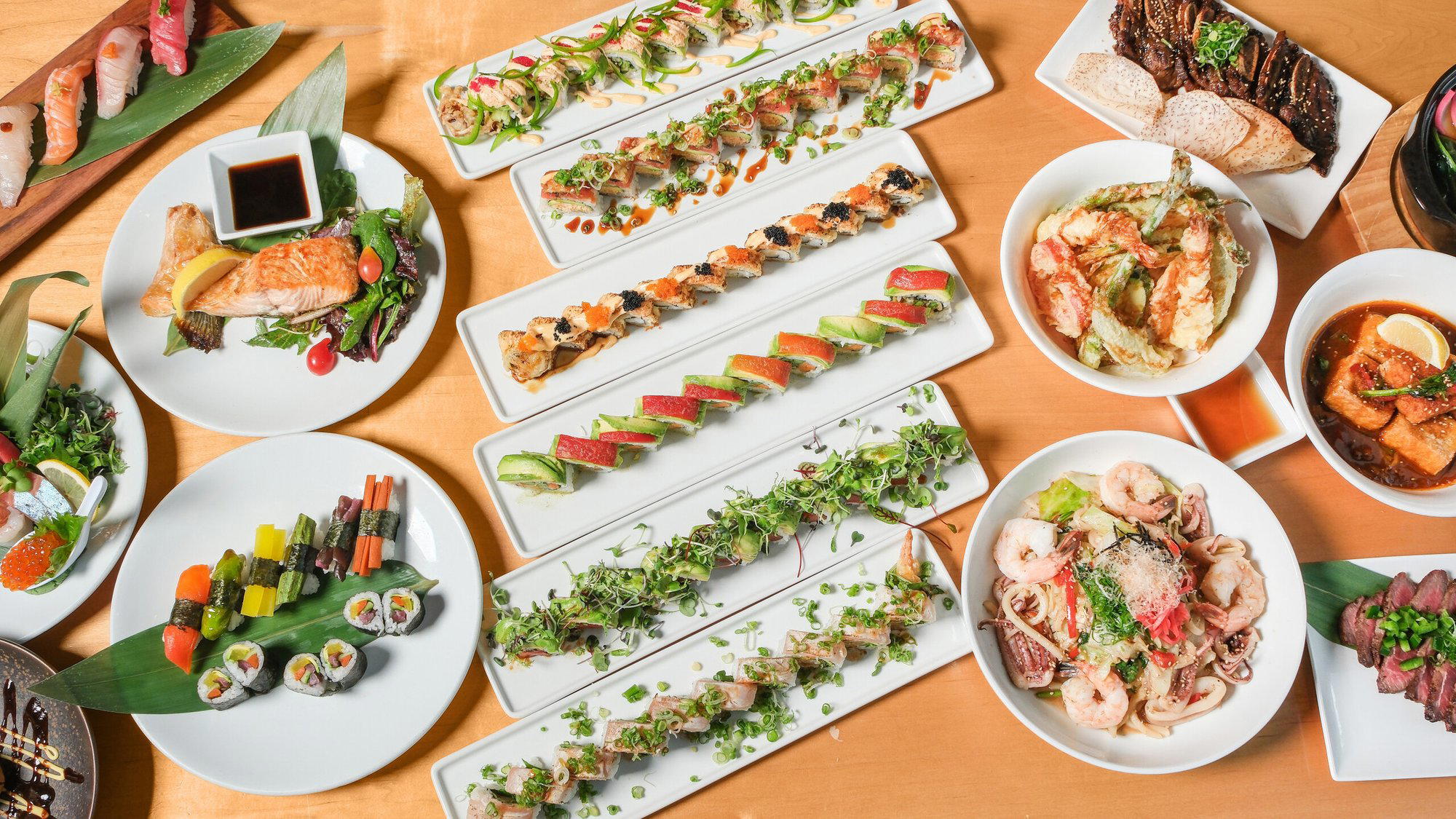
South Lake Union's Shifting Dining Register
Momiji SLU is a Seattle restaurant serving modern Japanese sushi and omakase at 731 Bell St in South Lake Union. The tech-driven redevelopment that accelerated through the 2010s transformed it into one of Seattle's most densely populated weeknight dining zones, drawing a mix of professionals, hotel guests, and destination diners who want something more considered than a quick bite without committing to the full ceremonial weight of a place like Canlis (New American). The neighbourhood now supports a range of Japanese-influenced formats, from fast-casual ramen to more composed, service-forward rooms, and Momiji SLU at 731 Bell St sits in this increasingly crowded district as an address worth understanding in context.
Japanese cuisine in Seattle has followed a national pattern: early dominance by sushi-focused formats gave way to ramen culture in the early 2010s, followed by a broader diversification into izakaya, omakase, and fusion-leaning concepts. The city's position on the Pacific Rim, with direct trade and cultural ties to Japan, means the audience for Japanese-inflected dining is more literate here than in many American cities of comparable size. That literacy creates both opportunity and pressure for any restaurant working in this space.
The Room as a Starting Point
In South Lake Union, the built environment shapes expectations before a menu is read. The district's newer buildings tend toward exposed concrete and large-format glass, and restaurants that occupy ground-floor retail within these towers often work against the architecture to create warmth. Japanese design traditions offer one solution: deliberate material contrast, restrained lighting, and spatial compression that draws attention inward rather than outward.
Momiji SLU's Bell Street address places it within walking distance of the lake and the main hotel corridor that runs through the neighbourhood. For diners arriving on foot from the Denny Triangle or cutting down from Capitol Hill, the approach through SLU's grid of wide, wind-channelled streets makes the interior arrival a more consequential moment than it would be in a denser, more sheltered neighbourhood. What the room communicates on entry matters here more than it might in Pike Place or Ballard.
Team Dynamics in a Service-Forward Format
The editorial angle that matters most when assessing a Japanese-influenced restaurant in this price tier is not the sourcing of fish or the provenance of rice, it is how the kitchen, the floor team, and whoever manages the drink program coordinate to produce a coherent guest experience. At upper-tier American addresses that work in Asian idioms, like Atomix in New York City or Joule (New Asian) here in Seattle, the distinction between a strong kitchen with a weak floor and a genuinely integrated team is immediately apparent. A kitchen can produce technically sound dishes and still fail to communicate the reasoning behind them. A floor team can be warm without being knowledgeable. The places that work are the ones where those roles are genuinely calibrated to each other.
This coordination matters especially in Japanese-influenced formats because the cuisine often requires explanation. Sake programmes, for instance, are still poorly understood by most American diners, and a table that receives a list without guidance will default to wine or cocktails regardless of what might pair better. Similarly, a menu organised around Japanese structural logic, small plates arriving in a particular sequence, fermented or cured elements placed with intention, benefits from a floor team that can articulate that structure without over-narrating it. The risk of over-explanation is as real as the risk of leaving guests without context.
For a restaurant in SLU serving an audience that skews toward tech-adjacent professionals and visiting business travellers, the drink programme is a significant revenue and experience variable. Particularly successful Japanese-inflected operations in American cities of this scale have learned to run sake and Japanese whisky programmes alongside Western wine lists, not as novelty addenda but as genuinely considered alternatives.
Seattle's Japanese Dining Tier
Placing the restaurant in Seattle's broader competitive map requires acknowledging that the city's Japanese dining scene operates across a wide range of price points and formats. At the leading, a small number of omakase counters command national attention and multi-month waits. Below that sits a layer of composed, service-forward restaurants, some Japanese-owned and operated, some fusion-oriented, where the restaurant competes. Further down, the ramen and izakaya segment has become extremely competitive, with quality rising across the board.
Comparisons to destinations like Single Thread Farm in Healdsburg or Le Bernardin in New York City illustrate how the upper tier of American fine dining integrates Japanese technique and aesthetic sensibility into formats that are not explicitly Japanese restaurants. The restaurant occupies a different position: a restaurant where the Japanese identity is front and centre, but which must serve an SLU audience whose primary dining decisions are driven by occasion type, convenience, and price sensitivity as much as cuisine preference.
Other Seattle addresses that function as reference points for this conversation include 1415 1st Ave, 1744 NW Market St, and 2963 4th Ave S, each of which represents a distinct neighbourhood positioning within the city's dining ecosystem.
Regionally, Addison in San Diego, Blue Hill at Stone Barns in Tarrytown, The French Laundry in Napa, The Inn at Little Washington, and Emeril's in New Orleans each illustrate how American fine dining's relationship to Asian cooking traditions varies dramatically by city and chef lineage. And internationally, 8 1/2 Otto e Mezzo Bombana (Hong Kong) in Hong Kong offers a different model entirely, European fine dining transplanted to an Asian city rather than Asian cuisine refined through an American lens.
Know Before You Go
| Address | 731 Bell St, Seattle, WA 98121 |
| Neighbourhood | South Lake Union |
| Phone | Not listed |
| Website | Not listed, check current booking platforms for availability |
| Reservations | Booking method not confirmed, plan ahead, particularly for weekend evenings |
| Pricing | Price tier 3. |
Reputation Context
Comparable venues nearby, for context on price, style, and recognition.
| Venue | Cuisine | Price | Notes |
|---|---|---|---|
| Momiji SLUThis venue — the venue you are viewing | Modern Japanese Sushi & Omakase | $$$ | Not listed |
| Wasabi Sushi & Izakaya | Japanese Sushi & Izakaya | $$ | Belltown |
| Moshi Moshi Sushi | Japanese Sushi & Izakaya | $$ | Adams |
| Wa'z Seattle | Modern Northwest Kaiseki | $$$$ | Belltown |
| Onibaba by Tsukushinbo | Japanese Onigiri Specialist | $$ | Japantown |
| Miyabi 45th | Handmade Soba Noodles | $$ | Wallingford |
Continue exploring
More in Seattle
Restaurants in Seattle
Browse all →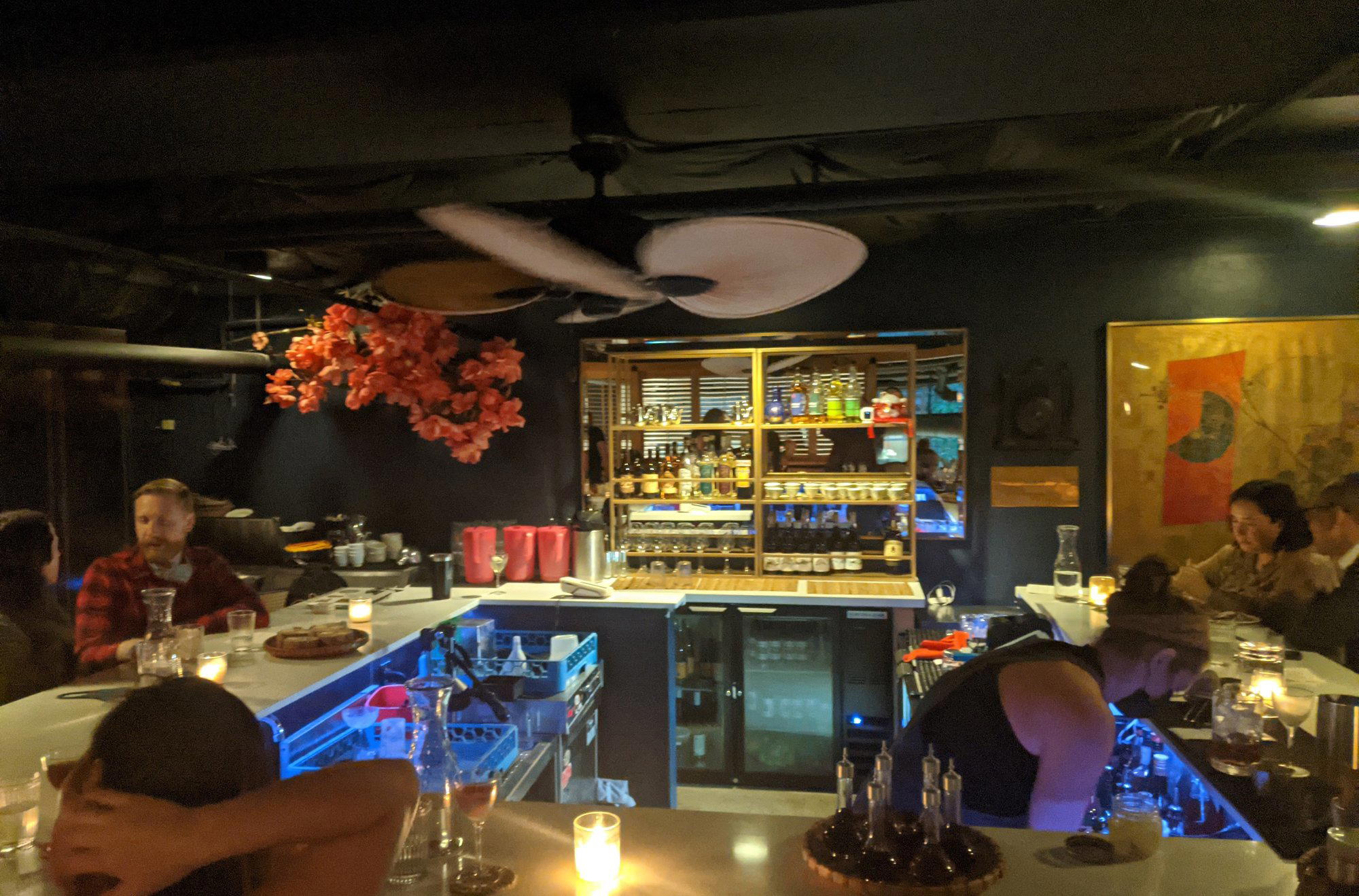
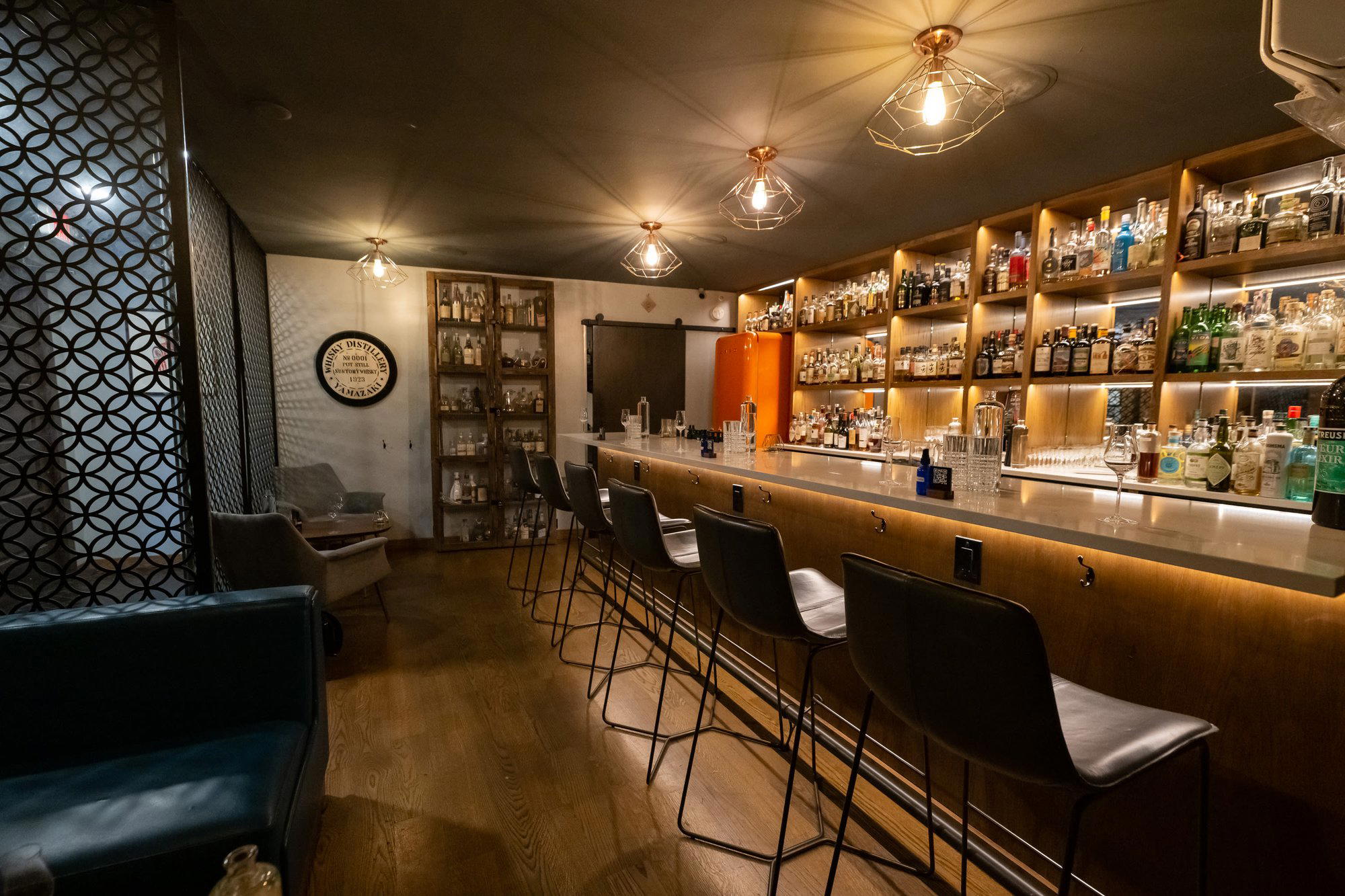
Bars in Seattle
Browse all →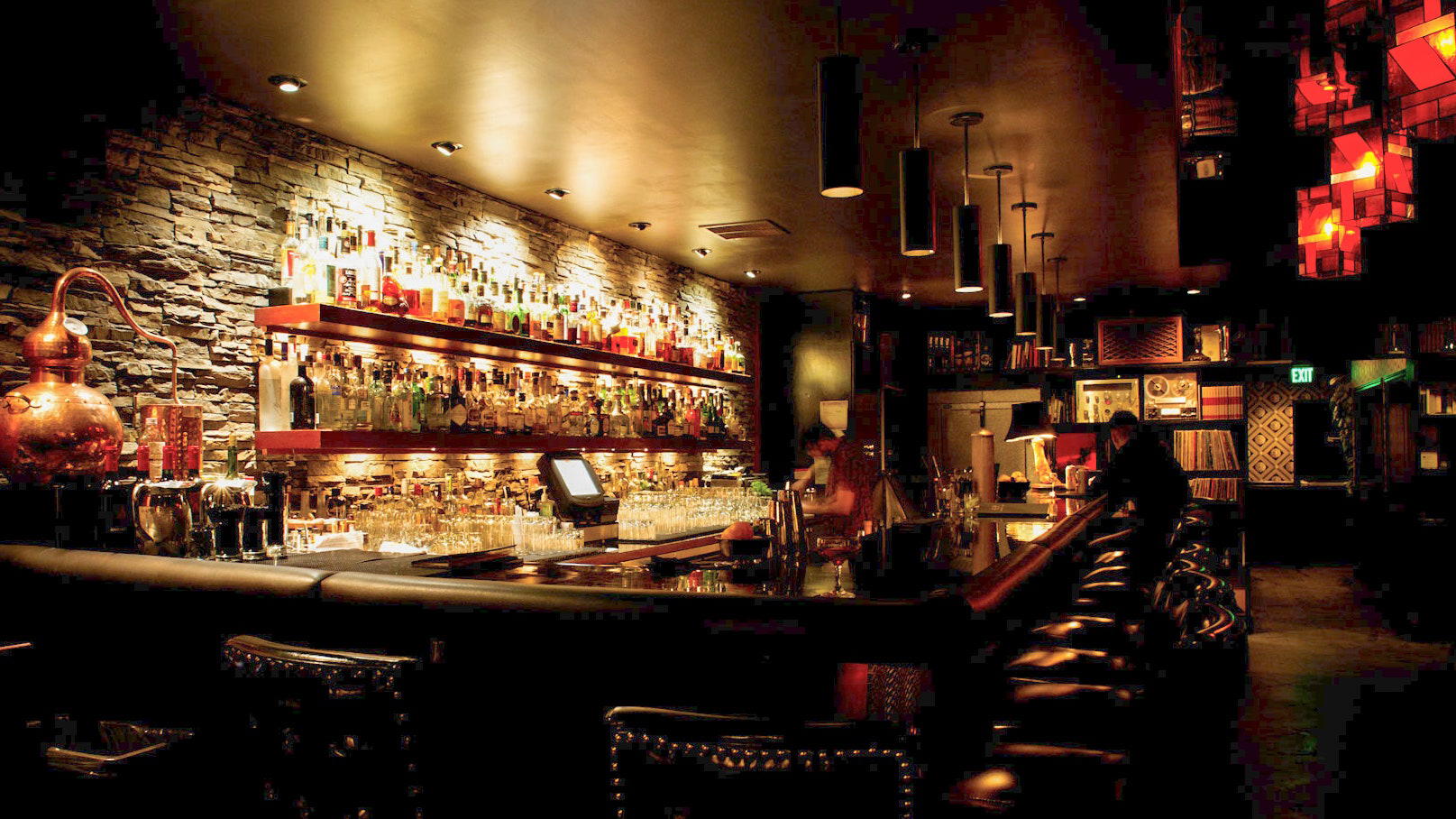
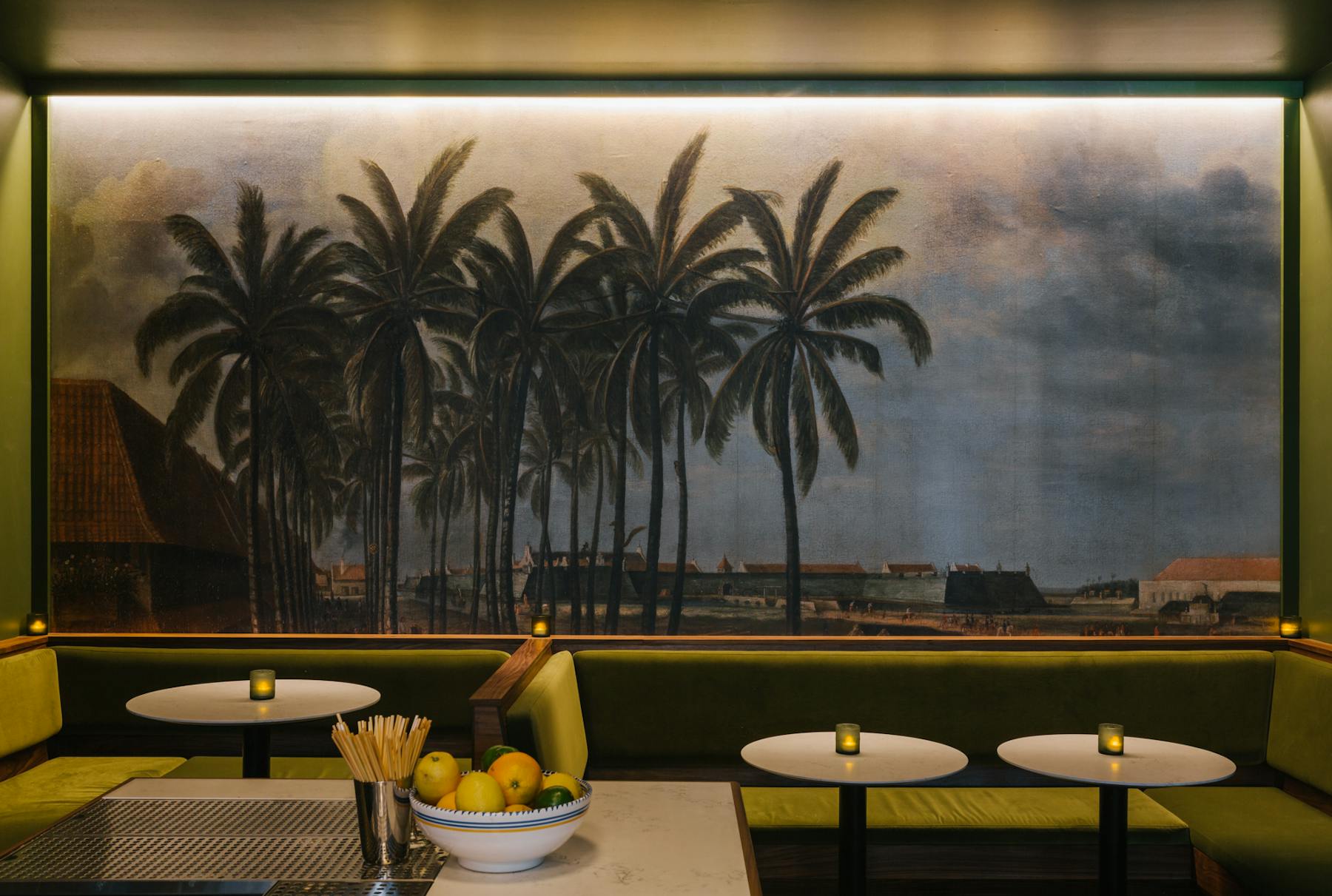
Hotels in Seattle
Browse all →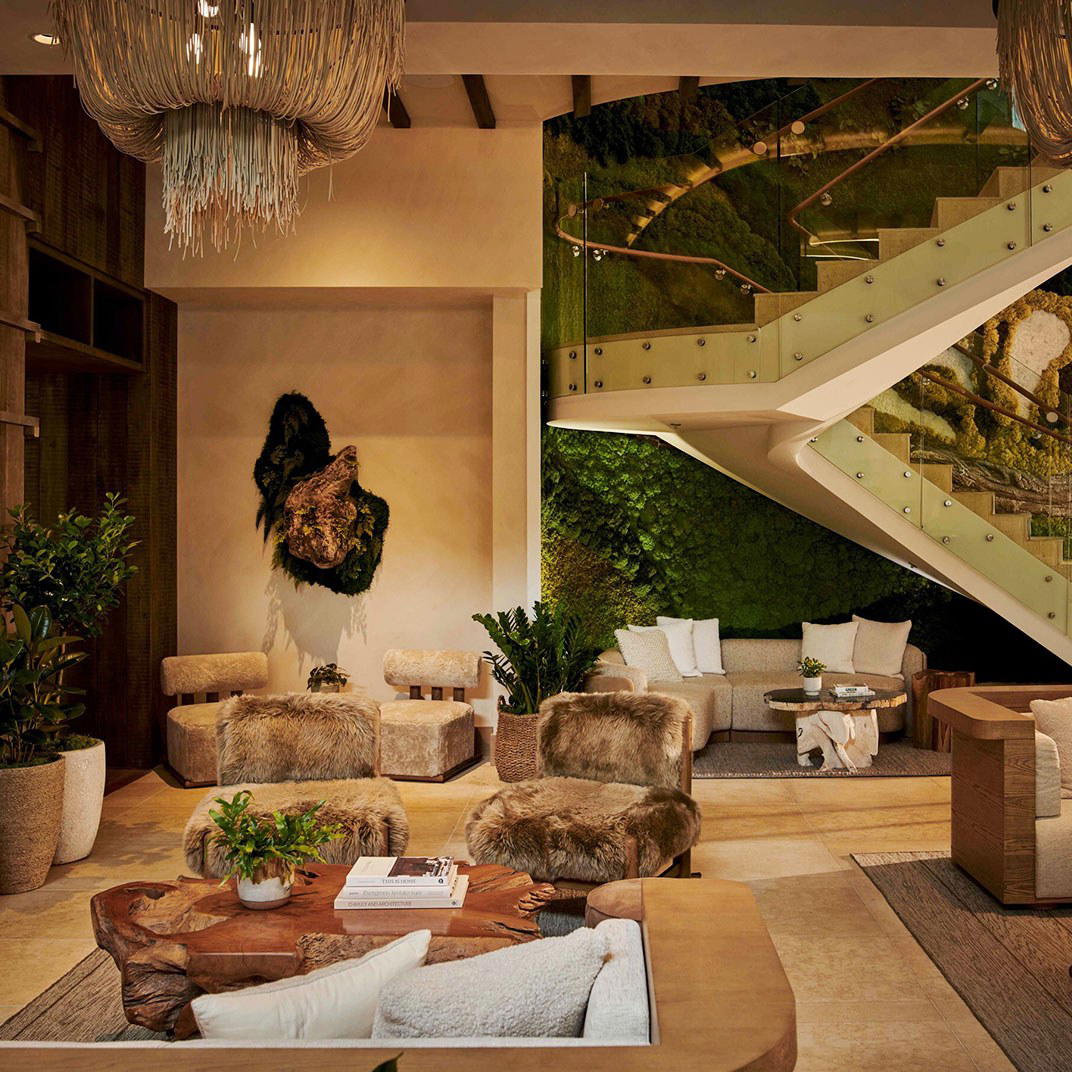

At a Glance
- Modern
- Trendy
- Intimate
- Date Night
- Special Occasion
- Open Kitchen
- Sake Program
- Local Sourcing
Current opening hours
- Monday
- 11 AM–9 PM
- Tuesday
- 11 AM–9 PM
- Wednesday
- 11 AM–9 PM
- Thursday
- 11 AM–9 PM
- Friday
- 11 AM–10 PM
- Saturday
- 4–10 PM
- Sunday
- 4–9 PM
Hours can change for holidays and private events. Last verified .
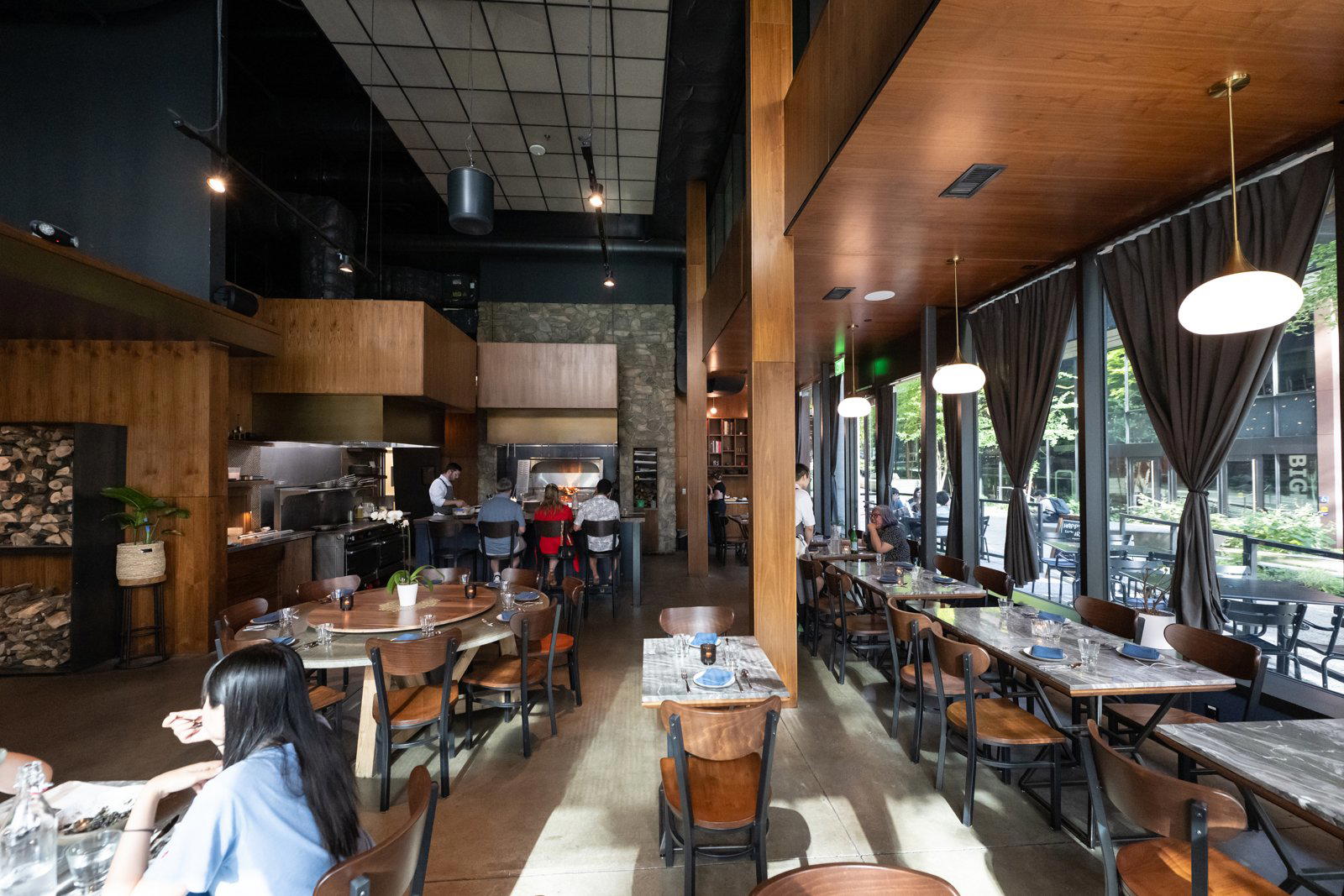
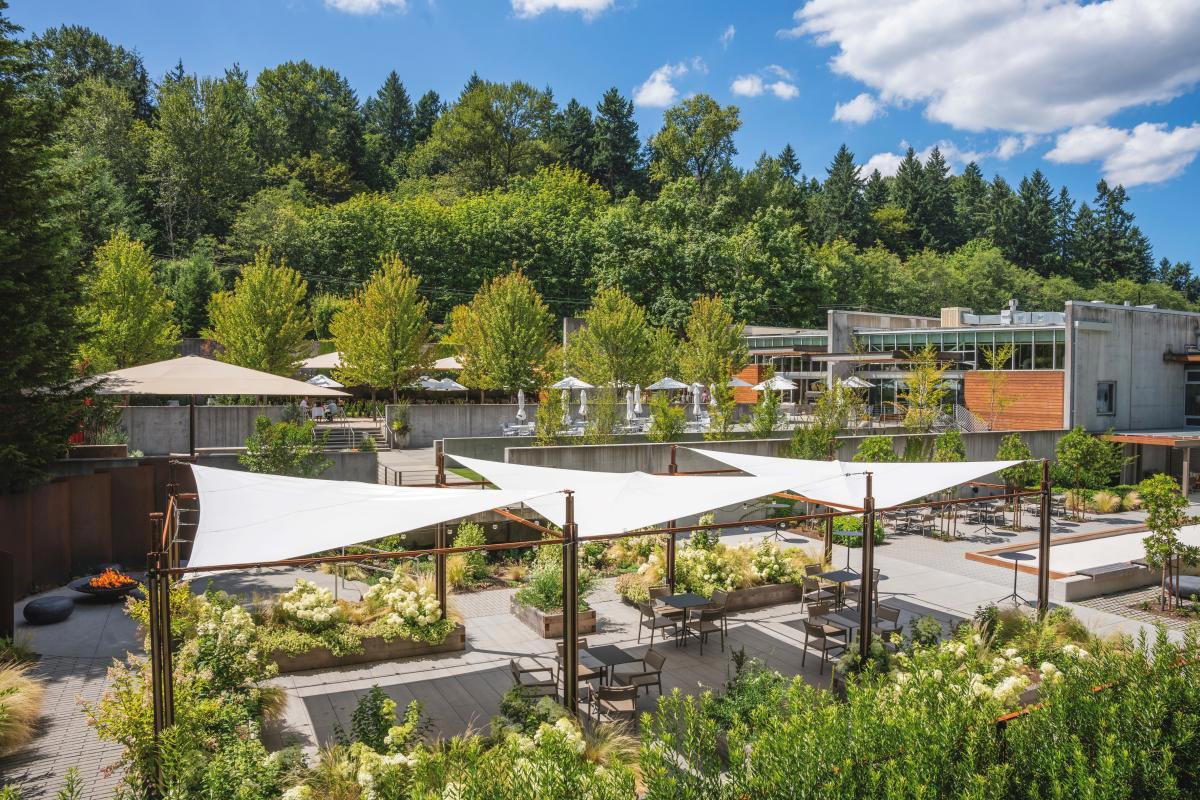
Contemporary atmosphere bringing the outdoors in with natural light and green scenery, moderate noise level.