
Macarfi 7.1 Food Rating
Our verdict
UMAMI sits on Calle Jacinto Benavente in Oviedo's city centre, where the name alone signals an intent to work beyond the four classical tastes. Oviedo's dining scene has long leaned on Asturian tradition, and a restaurant anchored in the fifth taste occupies a deliberate position against that backdrop. Visitors to Asturias with an appetite for ingredient-led cooking will find UMAMI worth factoring into any serious Oviedo itinerary.

Pearl is the En Primeur Club membership app, where members save venues, book tables and use the concierge.
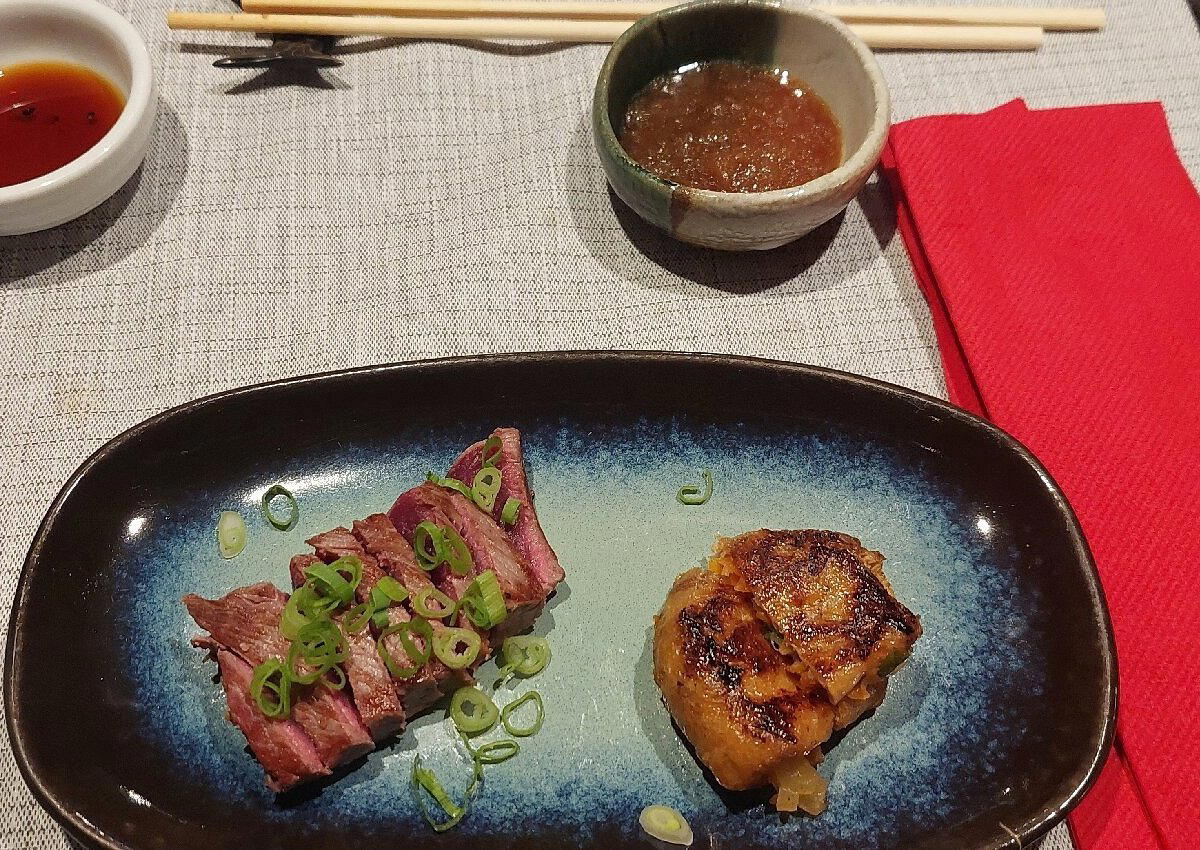
The Fifth Taste in an Asturian City
Oviedo is not a city that normally invites detours from its own culinary grammar. Fabada, cecina, Cabrales, and the ritual of sidra served in a long pour from shoulder height: these are the anchors of Asturian eating, and the restaurants that have defined the city's reputation tend to reinforce them. Against that backdrop, a restaurant named after the fifth taste, umami, the Japanese-borrowed descriptor for the deep savoury quality found in aged cheeses, cured meats, dried fish, and fermented things, carries an implicit editorial stance. It is not a rejection of Asturian tradition so much as an attempt to read that tradition through a different analytical lens. Asturias, after all, has never been short of umami-rich ingredients; it just has not usually labelled them that way.
Calle Jacinto Benavente runs through the Oviedo city centre, close enough to the old quarter that foot traffic from the cathedral district is plausible but far enough from the tourist drag that the clientele skews local. The address, number 6, bajo, suggests a ground-floor space, the kind that in Spanish cities typically reads as neighbourhood operation rather than destination theatre. That positioning matters in a dining scene where the pressure to perform for visitors is constant and the restaurants that resist it tend to earn longer-term credibility with residents.
Ingredient Sourcing as the Central Argument
Spanish fine dining has spent the past two decades building a global case for the quality of its primary producers. The argument runs through kitchens like Aponiente in El Puerto de Santa María, where Atlantic marine ingredients are treated as the intellectual core of the menu, and through Azurmendi in Larrabetzu, where the relationship between land, season, and plate is made explicit rather than decorative. At the other end of the scale, neighbourhood restaurants across the country have absorbed the same logic: that the provenance of an ingredient is not a marketing detail but a cooking decision, because where something is grown, raised, or caught determines what it is capable of becoming on the plate.
Asturias sits inside this argument with unusual force. The region's wet Atlantic climate produces dairy of a calibre that has driven Spanish cheese culture for centuries; Cabrales and Gamonéu are not marketing confections but the product of specific altitudes, specific moulds, and specific grazing conditions in the Picos de Europa. The seafood pulled from the Cantabrian coast, from the ports at Luanco, Candás, and Gijón, roughly 25 kilometres north of Oviedo, ranks among the most minerally expressive in Spain. A restaurant named for depth of flavour and operating in this city has access to primary material that many kitchens in Madrid or Barcelona would have to import and approximate.
What a kitchen does with that access is where the editorial interest lies. The umami framework, as a cooking philosophy rather than just a name, pushes toward fermentation, ageing, reduction, and the kind of patient intensification that turns a good ingredient into something with structural depth. In a region where charcuterie and cave-aged cheese are already part of the domestic lexicon, that philosophy finds natural anchors. The question is whether the cooking uses those anchors creatively or merely describes them.
Oviedo in Its Wider Spanish Context
Oviedo's restaurant scene occupies a middle tier in the Spanish dining hierarchy, sitting below the star-dense clusters of San Sebastián and Barcelona but above many provincial capitals in terms of local food culture and ingredient quality. The Basque Country's grip on Spain's highest-end restaurant recognition, through kitchens like Arzak in San Sebastián, Martin Berasategui in Lasarte-Oria, and Mugaritz in Errenteria, has shaped national expectations for what serious cooking looks like. Asturias has produced its own version of that seriousness in Casa Marcial in Arriondas, which has carried Michelin stars while remaining rooted in regional identity. The city of Oviedo itself, however, operates at a more everyday register, where quality is the expectation but the cooking rarely reaches for the kind of conceptual ambition that attracts international attention.
That gap creates space for restaurants willing to operate between tradition and contemporary technique without necessarily chasing awards. Venues in this middle ground, serious about ingredients, thoughtful about method, priced for repeat visits rather than special occasions, tend to do the most useful work in a city's dining culture. They absorb the lessons of the high-end scene and make them available at a register the neighbourhood can sustain. UMAMI's address on Calle Jacinto Benavente places it inside that register, at least geographically.
Oviedo's dining scene also includes Kômiwa Restaurante japonés, Restaurante Casa Chema, and Restaurante Casa Lobato, each occupying a different position in the city's range. The broader Spanish restaurant map, from El Celler de Can Roca in Girona to DiverXO in Madrid, Ricard Camarena in València, Quique Dacosta in Dénia, Cocina Hermanos Torres in Barcelona, and Atrio in Cáceres, provides the ceiling against which Oviedo's restaurants are implicitly measured. For international visitors using Oviedo as a base for exploring Asturias, the city's neighbourhood restaurants offer a different kind of value: access to regional ingredients without the choreography of a tasting menu. Comparably, diners who have experienced Le Bernardin in New York City or Atomix in New York City will recognise the same underlying logic of ingredient primacy playing out at a different scale and price point in a city like Oviedo.
Planning a Visit
UMAMI is located at Calle Jacinto Benavente, 6, Bajo, 33013 Oviedo, Asturias. Given its city-centre location and neighbourhood positioning, walk-in availability may be possible on quieter weekday services, though for weekend dining in Oviedo, advance contact is generally sensible. For a fuller picture of where UMAMI sits within Oviedo's wider dining options, consult our full Oviedo City restaurants guide.
Frequently asked questions
Where is UMAMI located?
UMAMI is located at C. Jacinto Benavente, 6, Bajo, 33013 Oviedo, Asturias, Spain, Oviedo City.
How does UMAMI fit into Oviedo's dining scene compared to Asturias's broader food traditions?
Oviedo's culinary identity is anchored in regional staples, fabada, Cabrales, sidra culture, and the city sits a clear rung below San Sebastián and Barcelona in Spain's Michelin-density hierarchy. UMAMI's name signals a deliberate departure from that regional grammar, positioning itself around the fifth taste rather than the traditional Asturian canon. That makes it one of the few addresses in the city explicitly framing its cooking through a pan-Spanish or international ingredient logic rather than local comfort conventions.
What do regulars order at UMAMI?
Specific menu details are not published through official channels at this time. Given the venue's name and its position within Oviedo's ingredient-focused dining scene, dishes are likely built around the fifth-taste principle, depth through fermentation, aged proteins, and concentrated stocks rather than surface seasoning. Checking directly with the restaurant at Calle Jacinto Benavente, 6 will give the most current picture of what is on the pass.
Is UMAMI reservation-only?
Booking policy has not been confirmed through published sources. Restaurants of this type in mid-tier Spanish cities often operate a hybrid system, holding some walk-in seats while requiring reservations for peak service on Fridays and Saturdays. Contacting UMAMI at its Oviedo address on Calle Jacinto Benavente before your visit is the safest approach.
In Context: Similar Options
Comparable venues nearby, for context on price, style, and recognition.
| Venue | Cuisine | Price | Awards | Notes |
|---|---|---|---|---|
| UMAMIThis venue (the venue you are viewing) | Japanese | Not listed | Macarfi 7.1 Food Rating | Not listed |
| Kômiwa Restaurante japonés | Traditional Japanese Ramen & Sushi | $20–30 | Not listed | Centro, Oviedo |
| Casa Fermín | Modern Asturian Fine Dining | $50–100 | Michelin Plate · Macarfi 8.6 Food Rating | Around Town |
| Gloria | Modern Asturian Tapas | Not listed | Michelin Plate · Macarfi 7.6 Food Rating | Oviedo |
| Restaurante Casa Lobato | Classic Asturian Spanish | $50–100 | Macarfi 8.1 Food Rating | Oviedo City |
| Ca'Suso | Modern Asturian Bistro | $50–100 | Michelin Plate · Macarfi 8.4 Food Rating | old town |
Recognition history
Dated appearances from independent guides and award organizations, with the underlying list record or original source where available.
Macarfi 7.1 Food Rating
Macarfi
Continue exploring
More in Oviedo
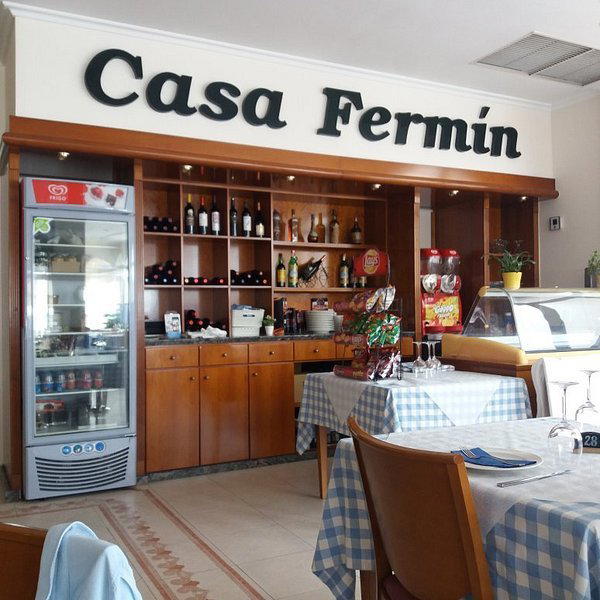
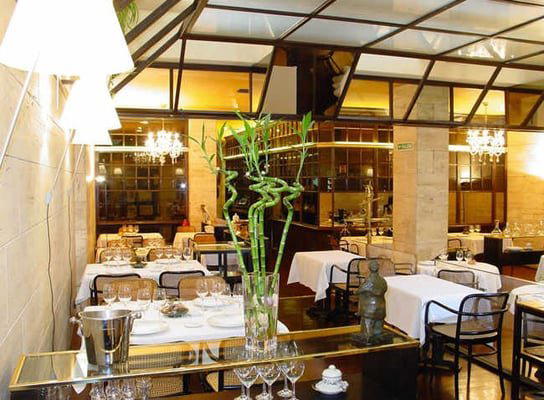
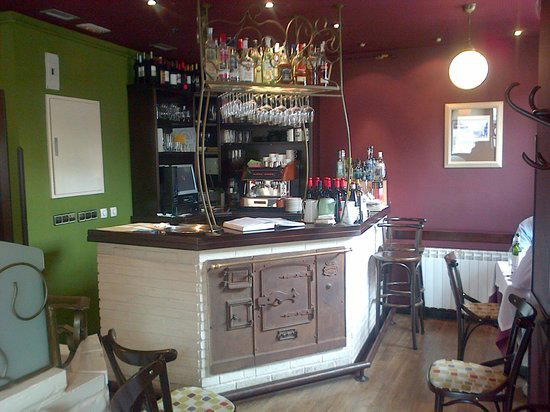

Details
- Intimate
- Modern
- Date Night
- Special Occasion
- Open Kitchen
- Small Plates
- Vegetarian Friendly
- Vegan Options
- Gluten Free Options
Current opening hours
- Monday
- 1:30–3:30 PM, 9–11 PM
- Tuesday
- Closed
- Wednesday
- Closed
- Thursday
- 1:30–3:30 PM, 9–11 PM
- Friday
- 1:30–3:30 PM, 9–11 PM
- Saturday
- 1:30–3:30 PM, 9–11 PM
- Sunday
- 1:30–3:30 PM, 9–11 PM
Hours can change for holidays and private events. Hours as of .
Slightly austere with limited seating around the chef for an immersive cooking view.