


Michelin Plate · Guía Repsol 1 Sol · Macarfi 8.7 Food Rating
Our verdict
A Michelin Plate-recognised asador in the Asturian countryside, El Asador de Abel - Casa Farpón grounds its menu in traceable regional sourcing: fish from the Rula market, Trasacar red meats, and rotating daily specials built around Verdina beans, Asturian pote, and compango stew. The open grill anchors the room, and a cellar stocked with Asturian wines makes the case for drinking local alongside eating it.

Pearl is the En Primeur Club membership app, where members save venues, book tables and use the concierge.
The menu
What to order
- Croquetas cremosas de Jamón
- Salpicón de Bogavante
- Fabada de Argüelles
- Chuleta de Carne Roja
Fire, Sourcing, and the Asturian Larder
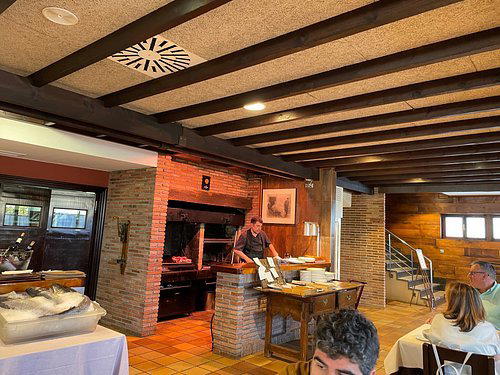
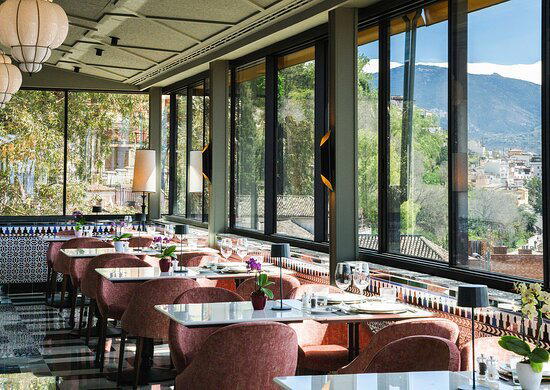
The open grill is the first thing you register walking into El Asador de Abel - Casa Farpón. It is not decorative. The flames are working, the smoke is present, and the dining room is arranged so the kitchen's central act is visible from every seat. This is the visual logic of the asador tradition: cooking as transparency, the source of heat made legible to the person eating. In rural Asturias, where the land and sea produce ingredients that have driven a distinct regional cuisine for centuries, that transparency carries weight. This is a corner of northern Spain where what you eat is inseparable from where it comes from.
Chef Javier Álvarez arrived here from the now-closed Casa Farpón de Mamorana, carrying the kitchen culture of that address into a setting that retains the rustic character of a working asador. The result is a room that reads as a continuation of a tradition rather than a renovation of one, stone, wood, open flame, and a menu that moves with the market rather than against it. For a broader sense of how Asturias fits into the Spanish dining conversation, our full Argüelles restaurants guide maps the region's options across price tiers and styles.
Where the Ingredients Come From
The sourcing logic at Casa Farpón is worth examining on its own terms, because it shapes every section of the menu. Fish arrives from the Rula, the traditional fish market auction system used across Asturian ports, where daily catches are graded and sold through a regulated process that keeps the chain between sea and kitchen short. This is not a marketing claim about freshness, it is a structural commitment to a procurement method that prioritises traceability and regional catch over consolidated supply chains. The fish on your plate is almost certainly from the Cantabrian coast, and its journey was measured in hours.
Red meats come through Trasacar, a supplier associated with Asturian cattle breeds that have shaped the region's carnivorous tradition. Asturian beef occupies a different register than Castilian or Galician alternatives: the terrain, the grass, and the breed produce a distinct fat distribution and depth of flavour that asador cooking amplifies rather than disguises. The open grill at Casa Farpón is the right tool for this material.
The vegetable and legume sourcing follows the same geographic logic. Verdina beans, a small green legume grown in Asturias with a delicate skin and earthy finish, appear on the specials board paired with spider crab, a combination that puts the region's land and sea products in direct conversation. The thick Asturian pote soup, a cold-weather staple built from greens, potatoes, and cured meats, rotates as a daily special depending on season and availability. These are not dishes constructed around a concept; they are dishes constructed around what is ready.
Reading the Menu
The menu at Casa Farpón operates across several registers simultaneously. The Argüelles stew with compango, a mixed-meat preparation combining chorizo, morcilla, and other cured elements that define Asturian cocido traditions, is the kitchen's most direct statement of regional identity. It is a dish with deep local roots, and the version here has drawn consistent attention since Álvarez took over the kitchen.
Daily specials provide the seasonal pulse: filled potatoes, pote, Verdina beans with spider crab. These change with market availability, which means that two visits to the same table in the same month may produce a different set of options. For the returning diner, this is the most interesting section of the menu. For the first-time visitor, it is the place to ask the room what arrived that morning.
The tasting menu runs alongside the à la carte offering, providing a structured path through the kitchen's current preoccupations. Its presence signals that Casa Farpón is operating at a level above a straight regional mesón, this is a kitchen with a point of view, not just a kitchen executing tradition. That dual structure, traditional dishes and composed menu coexisting in the same room, places it in a category that Michelin has recognised with a Plate rating in both 2024 and 2025.
The Cellar and the Asturian Wine Case
Asturian wine occupies an unusual position in the Spanish wine conversation. The region does not carry the name recognition of Rioja, Ribera del Duero, or Rías Baixas, but it has a coherent identity built around the same maritime climate and green terrain that defines its food culture. The cellar at Casa Farpón is notable for its depth of Asturian selections, a commitment to regional provenance that extends the sourcing logic from the kitchen into the glass. For visitors exploring Asturian producers beyond what is available in mainstream wine retail, this list is worth examining. Our Argüelles wineries guide provides further context on regional producers.
Spain's most decorated addresses, Arzak in San Sebastián, El Celler de Can Roca in Girona, Azurmendi in Larrabetzu, DiverXO in Madrid, and Aponiente in El Puerto de Santa María, operate in the €€€€ bracket and at three Michelin stars, a different tier and a different proposition. Casa Farpón at €€€ and Michelin Plate sits in the category below, which in Spain means serious regional cooking executed with discipline, without the theatrical ambition of the vanguard kitchens. That positioning is a feature, not a limitation. For comparisons within the regional cuisine format specifically, Fahr in Künten-Sulz and Gannerhof in Innervillgraten offer a useful European parallel: rural addresses committed to local sourcing and seasonal menus at the Michelin-recognised level.
Planning Your Visit
Casa Farpón sits at PLo Revuelta El Coche, S/N, in Fuentespino, Asturias, a rural location that requires arriving by car. The price range at €€€ places it in the mid-high bracket for the region, accessible without the reservation lead times of Spain's starred kitchens but worth booking ahead given its recognition and relatively contained size. Given the daily specials format tied to market availability, arriving with flexibility about what you order is more rewarding than arriving with a fixed expectation. The leading use of the room is to ask what came in that morning and build from there. For accommodation and other planning, our Argüelles hotels guide, bars guide, and experiences guide cover the surrounding area. Wider Spanish dining context is available through our profiles of Martin Berasategui in Lasarte-Oria, Mugaritz in Errenteria, Quique Dacosta in Dénia, Cocina Hermanos Torres in Barcelona, Ricard Camarena in València, and Atrio in Cáceres.
Frequently asked questions
What does dinner at El Asador de Abel - Casa Farpón typically cost?
Pricing at El Asador de Abel - Casa Farpón is listed as €€€.
Side-by-Side Snapshot
| Venue | Cuisine | Price | Awards | Notes |
|---|---|---|---|---|
| El Asador de Abel - Casa FarpónThis venue (the venue you are viewing) | Traditional Asturian Asador | $50–100 | Michelin Plate · Guía Repsol 1 Sol | Not listed |
| Aponiente | Avant-Garde Marine Seafood | $200–300 | 3 Michelin Stars · World's 50 Best #84 | Progressive - Seafood, Creative |
| Arzak | Contemporary Basque Fine Dining | $300–500 | 3 Michelin Stars · World's 50 Best #31 | Modern Basque, Creative |
| DiverXO | Avant-Garde Spanish Tasting Menu | $300–500 | 3 Michelin Stars · World's 50 Best #4 | Progressive - Asian, Creative |
| El Celler de Can Roca | Creative Catalan Fine Dining | $300–500 | 3 Michelin Stars · World's 50 Best #2 | Progressive Spanish, Creative |
| Quique Dacosta | Avant-Garde Spanish Fine Dining | $300–500 | 3 Michelin Stars · World's 50 Best #65 | Creative |
Recognition history
Dated appearances from independent guides and award organizations, with the underlying list record or original source where available.
Michelin Plate
Michelin
Guía Repsol 1 Sol
Guía Repsol
Macarfi 8.7 Food Rating
Macarfi
Full recognition history (5 entries)
Michelin Plate
Michelin
Michelin Plate
Michelin
Continue exploring
More in Argüelles
Restaurants in Argüelles
All restaurants in Argüelles →
Details
- Rustic
- Classic
- Special Occasion
- Group Dining
- Open Kitchen
- Extensive Wine List
- Local Sourcing
- A La Carte
- Tasting Menu
Current opening hours
- Monday
- 1–3:30 PM
- Tuesday
- 1–3:30 PM
- Wednesday
- 1–3:30 PM
- Thursday
- 1–3:30 PM
- Friday
- 1–3:30 PM
- Saturday
- 1–3:30 PM
- Sunday
- Closed
Hours can change for holidays and private events. Hours as of .
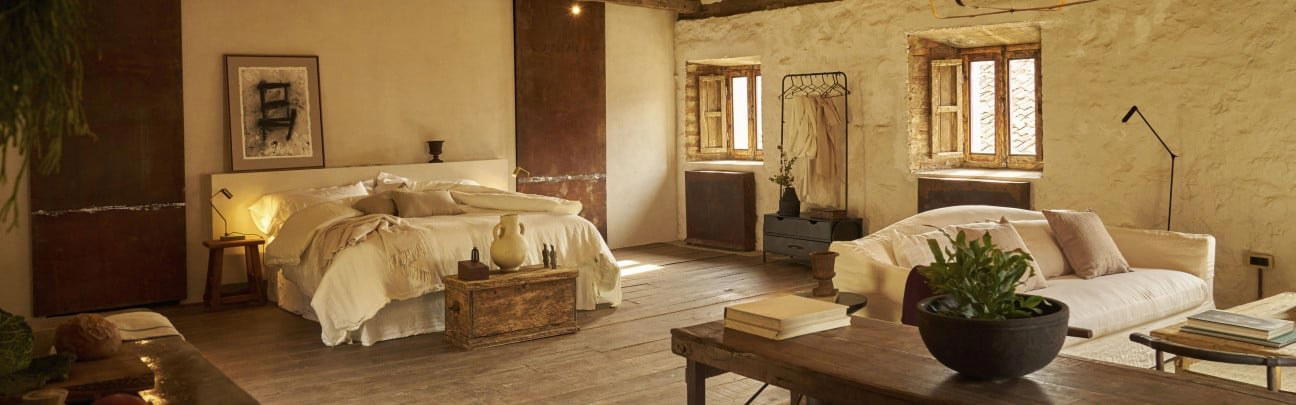
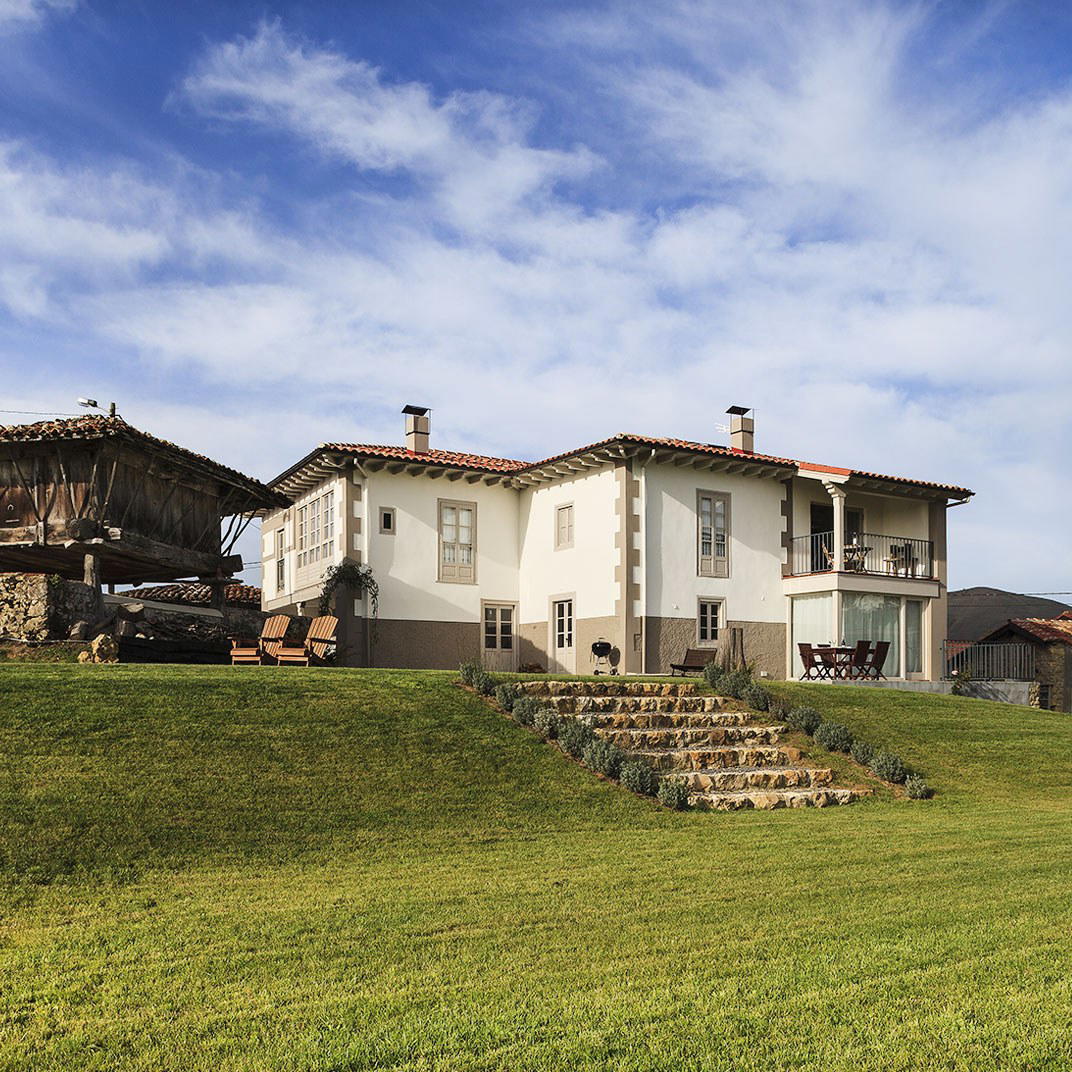
Rustic asador atmosphere with visible grill area, warm and spacious dining room evoking traditional Asturian charm.