Ultramarinos
.png)
A Michelin Plate-recognised seafood address in Buenos Aires' Belgrano neighbourhood, Ultramarinos operates at the mid-price tier where serious sourcing discipline and a focused oceanic menu set it apart from the capital's beef-dominant dining scene. With a 4.5 Google rating across 212 reviews, it occupies a specific niche: coastal produce handled with care in a city more often celebrated for its land-based cooking.
 Discover on Pearl
Pearl is the En Primeur Club membership app — saves, bookings, and concierge access live there. Same editors, same standards.
- Address
- Arribeños 1980, C1428 Cdad. Autónoma de Buenos Aires, Argentina
- Phone
- +54 11 3386-8642
- Website
- ultramarinos.meitre.com
Buenos Aires Turns to the Sea
Ultramarinos is a restaurant in Buenos Aires's Belgrano neighborhood, serving Modern Argentine Seafood at a $$ price point. Walking into this part of the city, you notice the shift from the louder commercial strip: smaller frontages, regulars who know the staff, a pace that doesn't perform for tourists. Ultramarinos fits that register. It isn't trying to announce itself loudly in a city whose culinary identity has been built, decade after decade, on the asador and the parrilla.
Buenos Aires has historically exported beef as its primary gastronomic credential. The Don Julio model, four-dollar-sign Argentinian steakhouses drawing international recognition, dominates the premium end of the conversation. At the creative tier, places like Aramburu and Trescha have built reputations on contemporary technique applied to local ingredients, but the land still dominates. What Ultramarinos represents is a smaller, more pointed counterargument: that Argentina's coastal and river resources deserve the same sustained attention that its cattle have always received.
The Sourcing Case for Argentine Seafood
Argentina's coastline runs more than 4,700 kilometres, from the subtropical north to the sub-Antarctic waters off Tierra del Fuego. That range produces dramatically different catches: Patagonian toothfish and centolla (king crab) from the south, merluza (hake) from the mid-Atlantic shelf, corvina and pejerrey from the Río de la Plata delta. The cold Malvinas Current pushes nutrient-rich water northward, producing fish with firm flesh and clean flavour that hold up well to direct cooking approaches. The sourcing argument for Argentine seafood is not sentimental; it is geographic and ecological.
What distinguishes a seafood restaurant operating at Ultramarinos' tier, a double-dollar-sign mid-range with Michelin recognition, is the discipline applied between the catch and the plate. At this price point, the kitchen cannot rely on the theatre of a big tasting-menu format or the luxury-ingredient logic of the four-dollar-sign room. What it can do is demonstrate that it knows where its fish comes from, why those sources matter, and how to cook them without obscuring what makes the raw material worth serving in the first place. That clarity of purpose is what Michelin's inspectors signal when they award a Plate rather than a star: the cooking is good, the ingredients are handled seriously, and the kitchen does not embarrass itself.
For context on how ingredient sourcing defines seafood restaurants in other markets, the approach at Alici Restaurant on the Amalfi Coast or Gambero Rosso in Marina di Gioiosa Ionica illustrates how coastal-focused kitchens build identity around proximity to specific waters. Buenos Aires operates with a different geography, drawing from rivers and a distant coast rather than a doorstep harbour, which makes the logistics of sourcing more deliberate.
Where Ultramarinos Sits in the Buenos Aires Scene
Buenos Aires' seafood tier is smaller and less codified than its steakhouse equivalent. The dominant mid-range is still land-focused: Anafe and Crizia represent the contemporary Argentine table that incorporates fish and vegetables alongside meat without making any single category the organising principle. A dedicated seafood address that holds a Michelin Plate at the double-dollar-sign tier occupies a specific gap in that structure.
The 212 Google reviews averaging 4.5 stars point to a room that performs consistently rather than occasionally. That rating suggests a repeat-customer base rather than a tourist-driven one. It means the kitchen is cooking for people who know what they ordered last time and are likely to notice if the standard slips.
Across Argentina more broadly, the range of serious dining extends well beyond the capital. Azafrán in Mendoza addresses the wine-country table with similar mid-range discipline, while remote properties like EOLO in El Calafate and Awasi Iguazu operate as destination dining tied to landscape. La Bamba de Areco and El Colibri represent the estancia tradition. Cavas Wine Lodge anchors the Mendoza wine-region table. Ultramarinos sits in a different register entirely: urban, accessible, and built around a product category that Argentina has historically underserved in its restaurant culture.
Planning a Visit
The address at Arribeños 1980 places Ultramarinos in Belgrano, a well-established residential neighbourhood north of Palermo that is direct to reach by taxi or Subte (Line D to Juramento is the standard approach for visitors). The double-dollar-sign price tier puts a meal here in the same range as other serious mid-market addresses in the city, comfortably below the four-dollar-sign steakhouse tier represented by Don Julio and the tasting-menu rooms. Given the 2025 Michelin Plate recognition and a Google score that suggests consistent quality, this is a room worth booking ahead rather than walking in on the assumption of availability.
Cuisine and Awards Snapshot
Comparable venues nearby, for context on price, style, and recognition.
| Venue | Cuisine | Price | Awards | Notes |
|---|---|---|---|---|
| UltramarinosThis venue — the venue you are viewing | Modern Argentine Seafood | $$$$ | Michelin Plate | |
| Mercado de Liniers | Modern Argentine Fine Dining | $$$$ | Michelin Plate | Palermo |
| El Muelle | Mediterranean Seafood | $$$ | , | Palermo |
| Sacro | Modern Plant-Based Fusion | $$$$ | Michelin Plate | Palermo |
| Gioia Cocina Botánica | Modern Vegan Fine Dining | $$$$ | Michelin Plate | Recoleta |
| Han | Contemporary Korean Fine Dining | $$$$ | Michelin Plate | Villa Crespo |
Continue exploring
More in Buenos Aires
Restaurants in Buenos Aires
Browse all →
Bars in Buenos Aires
Browse all →
Hotels in Buenos Aires
Browse all →





At a Glance
- Elegant
- Modern
- Sophisticated
- Intimate
- Date Night
- Special Occasion
- Open Kitchen
- Chefs Counter
- Extensive Wine List
- Craft Cocktails
- Local Sourcing
- Sustainable Seafood
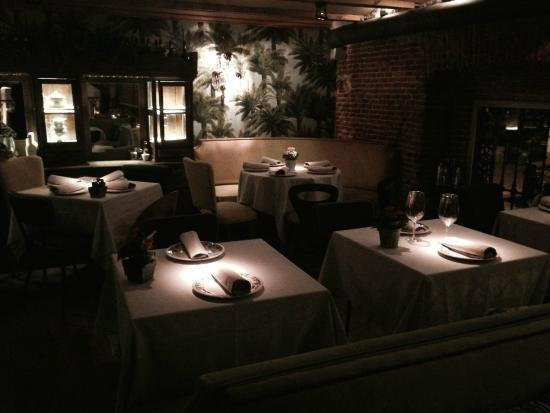
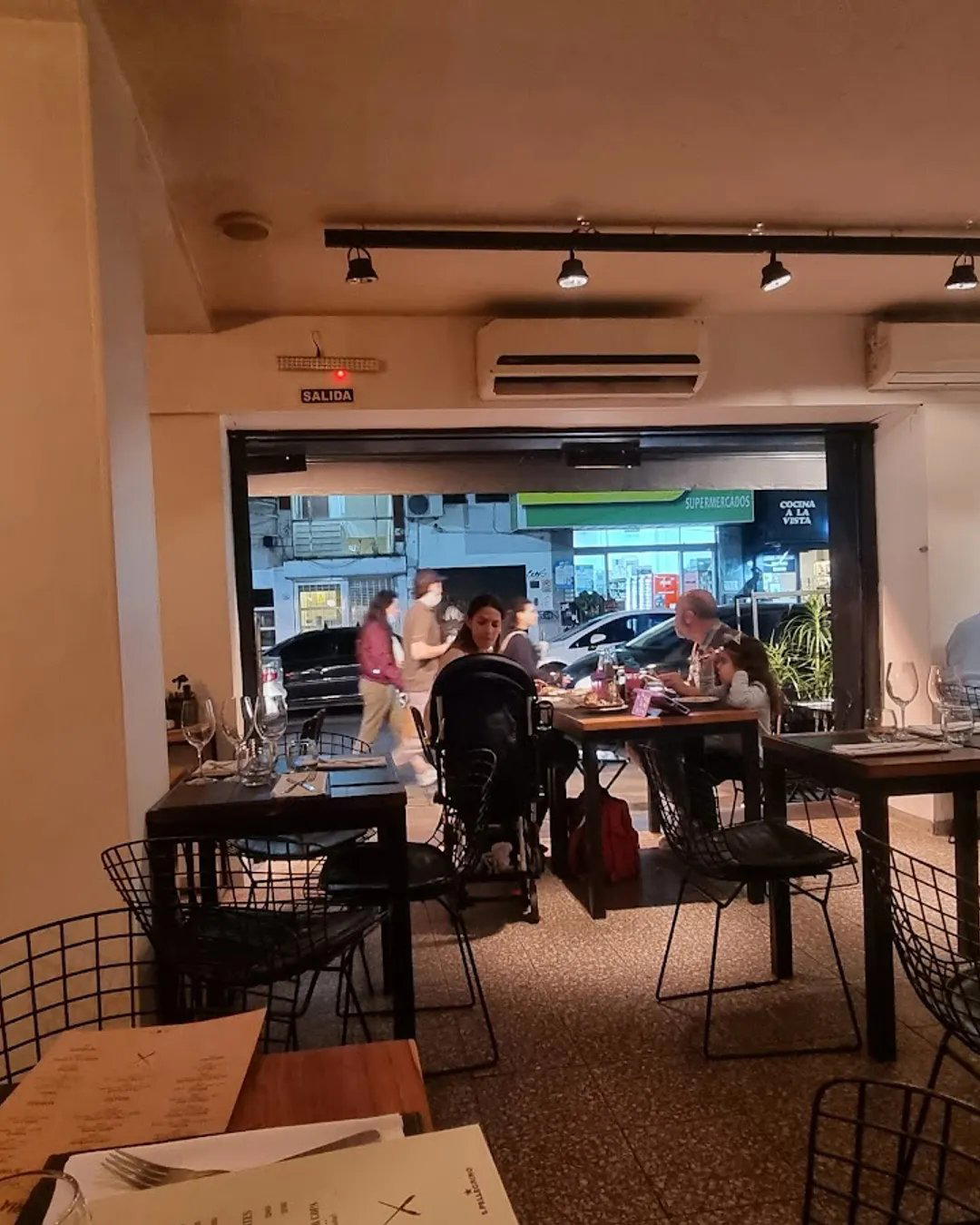
High-ceilinged contemporary dining room with dim lighting focused on tables, open kitchen bar for immersive viewing, and relaxed cocktail bar area allowing conversational volume.