
Tabelog 100 #82
Our verdict
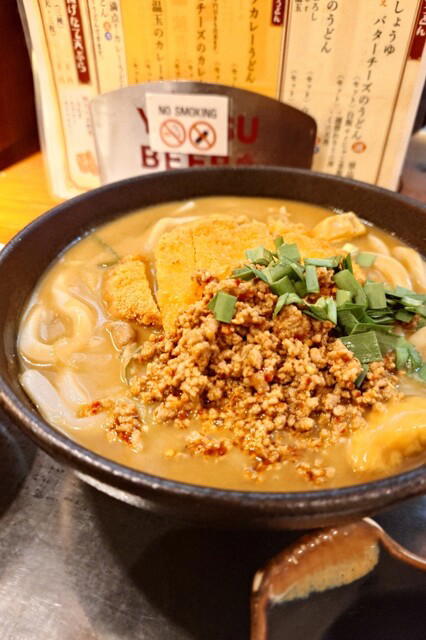
Udon Ryori Sen gives Nagoya’s noodle scene a serious, izakaya-adjacent reading: curry udon, wheat noodles, oden, sake, and shochu in a compact Sakae address near Fushimi. Its Tabelog 100 Udon EAST selections in 2020, 2022, and 2024 place it among the region’s recognized udon specialists rather than casual filler between larger meals.

Pearl is the En Primeur Club membership app, where members save venues, book tables and use the concierge.
The menu
What to order
- Curry udon
- House-made udon in dashi broth
- Mikawa pork loin shabu hotpot
- Assorted oden (12 kinds)
The approach to a good Nagoya udon room is rarely theatrical. The signal is practical: city blocks thinning into dinner traffic, the pull of a central Japanese dining rhythm, and a room built for noodles rather than ceremony. Udon Ryori Sen sits in that register, shaping a meal that can work as a quick lunch, a small-group dinner, or a longer evening around udon and oden.
Nagoya is often read from outside through miso katsu, hitsumabushi, and tebasaki, but its everyday noodle culture has equal force. Udon here is not merely a neutral bowl of wheat and broth. Curry udon, wheat noodles, simmered dishes, and side-plate comfort cooking all belong to the city’s appetite for thickness, heat, and seasoning that does not apologize for itself. That context matters because Sen is not chasing a Tokyo-style tasting counter model. It belongs to a more local grammar: noodle work, broth culture, and a dinner format broad enough to carry oden alongside the main bowl.
Udon in Nagoya is stronger when the room behaves like an izakaya
The sharper reading of Sen is not as a single-dish noodle stop, but as part of a Japanese category that sits between specialist shop and drinking room. Curry udon, udon, and oden are listed together, which places wheat noodles beside simmered dishes rather than treating them as a standalone lunch utility. That combination changes the pace of the meal. A bowl can be the centre, but the structure also supports shared warmth, hot broth, and a dinner that stretches beyond the time it takes to finish noodles.
The technique behind this style is quietly international in spirit without announcing itself as fusion. Japanese udon depends on wheat handling, resting, cutting, and broth extraction, while curry udon folds in a spice form Japan absorbed and domesticated over more than a century. The local ingredient story sits in the stock and side dishes: wheat, vegetables, and simmered components treated through Japanese seasoning logic. That is the relevant detail. The dish is built from Japanese comfort and craft, but the curry format shows how imported technique becomes part of local eating rather than a novelty.
Recognition adds weight here. Sen has a Tabelog Hyakumeiten recognition entry for 2024, a useful marker because udon awards are crowded with shops that live or die on repeat local use rather than destination dining theatrics. In a city where Rose Room Nagoya, Sen Kame, Sugimoto Honten, THE CONDER HOUSE, and other Nagoya dining rooms occupy different occasions, this address works in a tighter category: less formal than a special-occasion dinner, more specific than a generic noodle counter.
The choice is between noodle discipline and Nagoya ease
There is a reason udon specialists can be harder to assess than sushi counters or French dining rooms. The differences are rarely theatrical. Texture, broth clarity or density, and the way curry coats the noodle matter more than rare ingredients or dramatic plating. Sen’s appeal is that it keeps those criteria inside a room that can still function casually. For travelers, that means the meal can read as Nagoya-specific without requiring a long formal sitting.
The oden element also matters. In Japan, oden is one of the great cold-weather comfort foods, but it is not limited to winter in the way outsiders often assume. Its value in an udon room is structural: it gives the table something to eat before or beside noodles, and it connects broth culture across categories. Udon broth, curry sauce, and oden stock all depend on extraction and seasoning balance. A restaurant that treats these as related forms is operating with a broader understanding of dashi than a shop built only around quick turnover.
For comparison within Nagoya, ラ・フロレゾン・ドゥ・タケウチ, Sugimoto Honten, THE CONDER HOUSE, Rose Room Nagoya, and Sen Kame each sit in different parts of the city’s dining map. Sen is narrower and better for that narrowness. It gives the city’s noodle culture a place in the same conversation as broader Nagoya dining without pretending to be the same occasion.
How to place it in a Nagoya itinerary
Sen suits travelers who want one meal that feels rooted in the city’s daily eating habits rather than in hotel-dining polish. Nagoya is a natural base for that kind of meal: commercially dense, easy to fold into a day of museums, shopping, or bar-hopping, and broad enough to reward a focused noodle stop. The restaurant’s category mix also makes it less rigid than many specialist rooms.
The planning decision is simple. Choose it when the itinerary needs a regional noodle meal with enough depth for dinner, not just a quick bowl between appointments. Lunch is listed up to JPY 999, while dinner is listed at JPY 3,000 to JPY 3,999; that spread is part of the point. The same address can function as an economical daytime stop or a more rounded evening built around udon and oden.
Readers building a broader Nagoya plan can place Sen alongside EP Club’s city coverage: Our full Nagoya restaurants guide, Our full Nagoya hotels guide, Our full Nagoya bars guide, Our full Nagoya wineries guide, and Our full Nagoya experiences guide. Nearby and broader Japan listings worth cross-checking include other Nagoya dining rooms and unnamed regional options across Japan.
Frequently asked questions
How much does it cost to eat at Udon Ryori Sen?
Pricing at Udon Ryori Sen is listed as dinner at JPY 3,000 - JPY 3,999 and lunch at up to JPY 999.
How do I find Udon Ryori Sen?
Udon Ryori Sen is located in Nagoya.
Should I book Udon Ryori Sen in advance?
For dinner in Nagoya, advance booking is sensible, especially if you are planning around a specific time or a small-group meal.
What makes Udon Ryori Sen worth seeking out?
Its strongest credential is the Tabelog Hyakumeiten recognition for 2024. The draw is the combination of udon, curry udon, and oden, served in Nagoya at a price point that keeps lunch up to JPY 999.
What if I have allergies at Udon Ryori Sen?
The menu categories listed are curry udon, udon, and oden, so ingredient checks matter. The practical move is to confirm specifics directly before ordering, especially for broth, wheat, soy, fish, or other allergy-related concerns.
Pricing, Compared
Comparable venues for context, by category and price tier.
| Venue | Cuisine | Price | Awards | Notes |
|---|---|---|---|---|
| Udon Ryori SenThis venue (the venue you are viewing) | Curry Udon & Oden Udon House | $20–30 | Tabelog 100 #82 | Not listed |
| Link | Japanese Sake Bar & Izakaya | Not listed | Tabelog 100 #13 | Naka, Japanese Sake Bar & Izakaya |
| tonkatsu joni | Tonkatsu (Japanese pork cutlet) specialist | $20–30 | Tabelog 100 #73 | Nakamura, Tonkatsu (Japanese pork cutlet) specialist |
| Shunsai Tempura Shinra | Seasonal Tempura Course Dining | $10–20 | Tabelog 100 #69 | Nakagawa, Seasonal Tempura Course Dining |
| Una Toyo | Traditional Nagoya charcoal-grilled unagi | $30–50 | Tabelog 100 #49 | Mizuho, Traditional Nagoya charcoal-grilled unagi |
| Kitchen Beniy | Classic Yoshoku (Japanese-style Western) & Steak | $20–30 | Tabelog 100 #92 | Naka, Classic Yoshoku (Japanese-style Western) & Steak |
Recognition history
Dated appearances from independent guides and award organizations, with the underlying list record or original source where available.
Tabelog 100 #82 · No. 82
Tabelog · Tabelog 100 - Udon - EAST - 2024
Continue exploring
More in Nagoya





Details
- Cozy
- Lively
- Classic
- Casual Hangout
- After Work
- Group Dining
- Solo
- Standalone
- Private Dining
- Sake Program
- Beer Program
- A La Carte
- Counter Dining
- Sake
- Shochu
- Beer
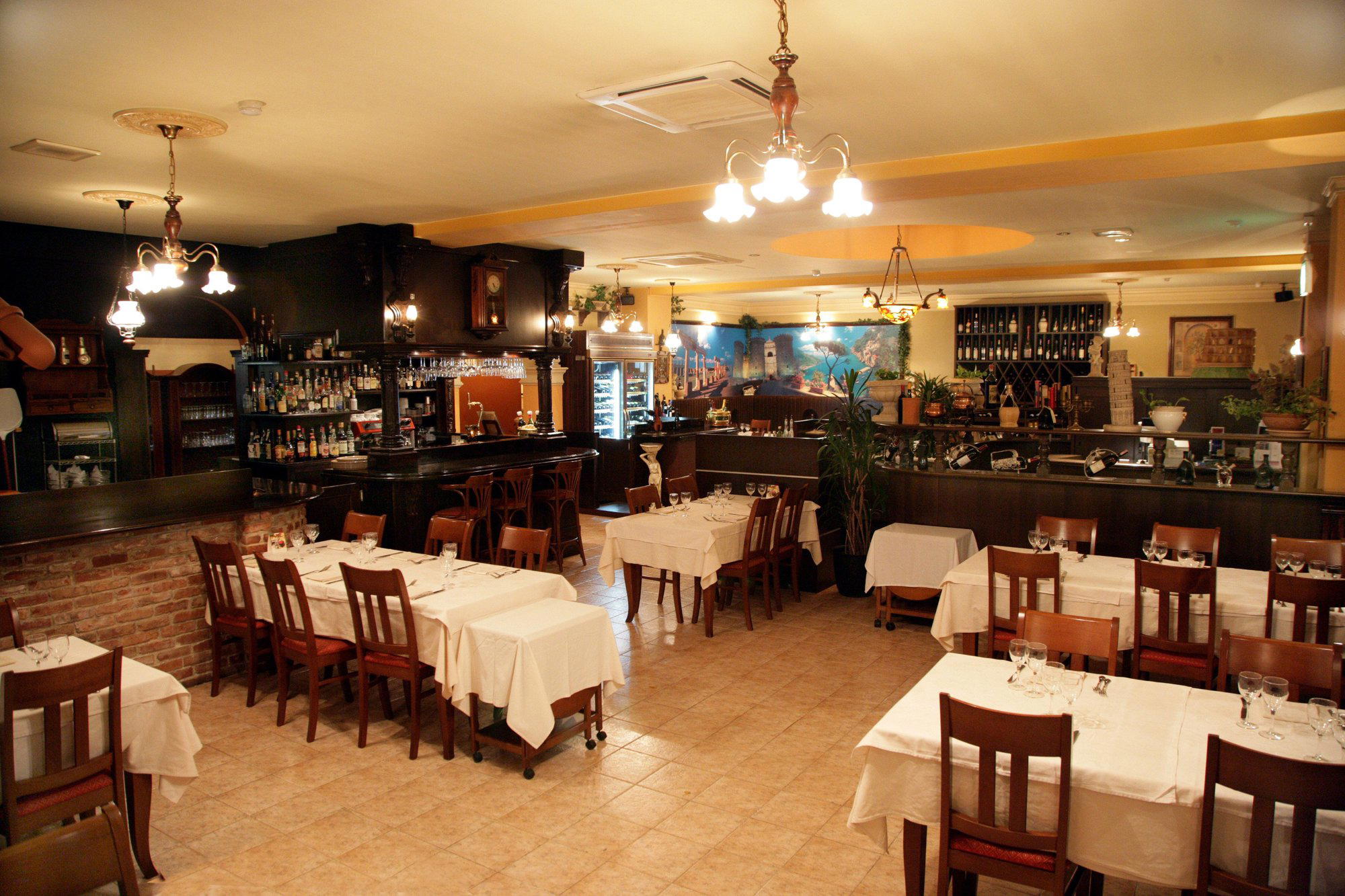
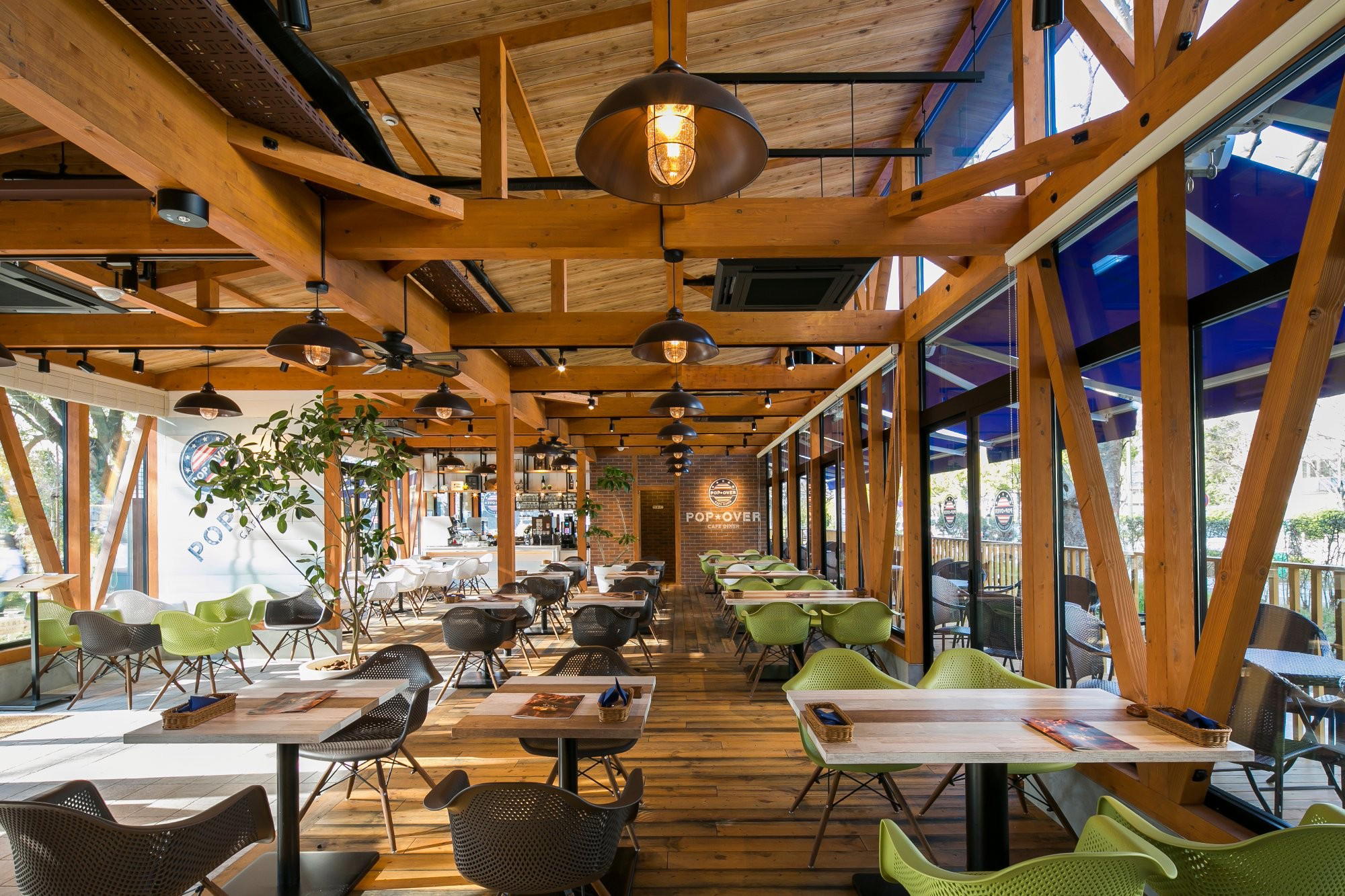
A relaxed, casual udon restaurant with counter, table, and sunken kotatsu tatami seating, designed for lingering over noodles, oden, and hotpots in a comfortable, non-smoking space that suits small groups of friends.