
Tabelog 100 #69
Our verdict
Shunsai Tempura Shinra is a seven-seat counter in Nagoya’s Hatta area, selected for Tabelog 100 Tempura 2025 after earlier selections in 2022 and 2023. The format is tightly focused: tempura and ten-don, a fish-conscious kitchen, counter service, and a price tier that places dinner in the JPY 10,000–14,999 bracket and lunch in the JPY 4,000–4,999 bracket.

Pearl is the En Primeur Club membership app, where members save venues, book tables and use the concierge.
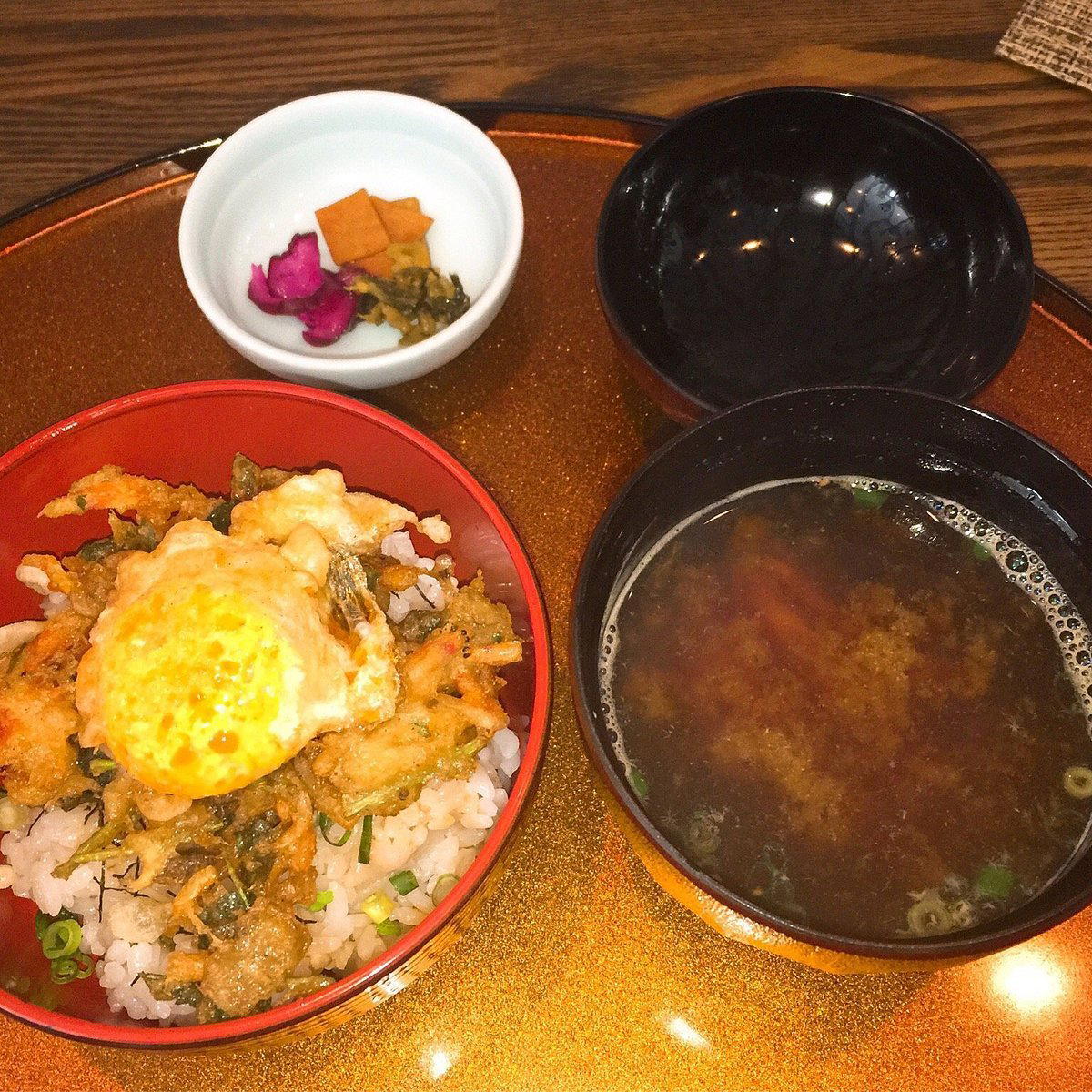
The menu
What to order
- Seasonal vegetable tempura course
- Seafood tempura course
Nagoya does not always announce its specialist restaurants with polished theatre. Shunsai Tempura Shinra’s appeal is quieter: serious cooking presented with enough modesty that diners follow craft over spectacle. Here, the restaurant belongs to a Japanese dining tradition in which technique is not decoration but part of the experience. Tempura depends on sequence, temperature and pace; a focused setting makes those variables feel central.
Nagoya is better known abroad for miso katsu, hitsumabushi and kishimen than for tempura, which makes its stronger specialist addresses worth reading closely. The local dining map has several speeds: casual, high-frequency eating, and a narrower band of specialist dining where technique carries the meal. Compared with Nagoya options such as Ramen, tokyo miso style IKEDA and Curry Senmon Ten cafe New Delhi, this address sits in another category. Its closer local reference points are Japanese dining rooms such as Oryori Hisamatsu and Yasui, where pacing matters more than simple turnover.
A focused tempura meal makes timing the main subject
Tempura is often misunderstood outside Japan as frying. At a serious specialist restaurant, it is a calibration exercise. Batter thickness, oil temperature, ingredient moisture and serving interval all matter, and the diner’s attention shortens the distance between kitchen decision and plate. Shunsai Tempura Shinra’s focused identity keeps the experience closer to a specialist address than a general restaurant. That emphasis also explains why it reads as destination dining despite its low-key Nagoya context.
The menu identity is narrow by design: tempura and ten-don. Ten-don gives the tradition a rice-bowl register, while tempura treats each piece as part of a timed progression. The restaurant’s focus is structural: a specialist category, a disciplined format, and recognition from Tabelog’s Tempura Hyakumeiten in 2025. Tabelog also lists the restaurant with a score of 3.73 and a budget range of Dinner: JPY 10,000 - JPY 14,999; Lunch: JPY 4,000 - JPY 4,999.
That recognition matters because tempura has fewer international signposts than sushi or kaiseki. Michelin stars and global rankings dominate foreign attention, but Japanese diners often read category-specific lists with more nuance. Tabelog’s Hyakumeiten selections are not an official hierarchy, yet they strongly indicate category reputation. For a Nagoya tempura specialist outside obvious tourist circuits, selection places the restaurant inside a national craft conversation, not just a local one.
Why Nagoya changes the reading of the meal
Location shapes expectation. In Nagoya, this is not the kind of restaurant whose appeal depends on spectacle or a landmark setting; the cooking must carry the trip. That is part of the point. Japan’s serious dining culture has long allowed specialists to operate beyond obvious luxury zones, especially when the format is focused and reputation-driven. A restaurant can thrive on precision, regulars and reputation without a grand room or prominent address.
This makes Shunsai Tempura Shinra more interesting than a simple award listing. Nagoya’s food identity is often discussed through strength of flavour: red miso, grilled eel, chicken wings, thick sauces and local comfort dishes. Tempura works differently. It depends on restraint and contrast, not blunt impact. In a city where visitors chase regional signatures, a tempura specialist offers another reading of Aichi dining: less local loudness, more disciplined craft within a national form.
The format also changes the social rhythm. This is not a sprawling hotel dining room, nor a quick casual meal despite its Nagoya setting. Tempura rewards diners who accept the kitchen’s pace and do not treat the meal as a checklist of famous ingredients. The better comparison is not Nagoya’s casual noodle and curry addresses, but other Japanese restaurants where value lies in control: fewer categories, fewer distractions and closer attention to timing.
How to place it within a Nagoya itinerary
For visitors building a food-focused Nagoya stay, this address works as a specialist stop rather than a general city introduction. First-time diners may still want the local canon, but a trip built only around regional comfort food misses Nagoya’s quieter restaurant layer. Shunsai Tempura Shinra fills that gap: a tempura and ten-don restaurant in Nagoya, selected for a national tempura list, with technique as the subject of the meal.
The practical decision is about appetite and priorities. Diners wanting breadth, à la carte flexibility or a large group setting may prefer other Nagoya dining rooms. Diners who want to understand how a Japanese restaurant can compress craft into a focused meal will find the format persuasive. The pacing is central to how the meal is read, and the experience suits guests comfortable with a specialist restaurant.
Within EP Club’s Nagoya coverage, this restaurant belongs beside other serious local addresses, not in a broad casual-food crawl. For wider planning, see Our full Nagoya restaurants guide, then cross-check the city through Our full Nagoya hotels guide, Our full Nagoya bars guide, Our full Nagoya wineries guide and Our full Nagoya experiences guide. Nearby editorial reference points include other Nagoya dining rooms across several formats. For contrast across Japan and beyond, EP Club also tracks unnamed specialist restaurants, casual counters, cafes, bars and Japanese dining rooms in other cities.
The editorial case is clear: this is a Nagoya tempura and ten-don restaurant with category recognition and a format that puts technique under close scrutiny. In a city often reduced to hearty regional dishes, it offers a more measured argument for Nagoya dining, built on timing, restraint and disciplined focus.
Frequently asked questions
Where exactly is Shunsai Tempura Shinra?
Nagoya.
How much does it cost to eat at Shunsai Tempura Shinra?
Pricing at Shunsai Tempura Shinra is listed as Dinner: JPY 10,000 - JPY 14,999; Lunch: JPY 4,000 - JPY 4,999.
What are the operating hours at Shunsai Tempura Shinra?
Operating hours for Shunsai Tempura Shinra are not specified in the provided venue facts.
What is Shunsai Tempura Shinra known for?
Shunsai Tempura Shinra is known for tempura and ten-don in Nagoya, with Tabelog Tempura Hyakumeiten recognition in 2025.
Pricing, Compared
Comparable venues for orientation by cuisine and category.
| Venue | Cuisine | Price | Awards | Notes |
|---|---|---|---|---|
| Shunsai Tempura ShinraThis venue (the venue you are viewing) | Seasonal Tempura Course Dining | $10–20 | Tabelog 100 #69 | Not listed |
| Ito | Traditional Tonkatsu | $10–20 | Not listed | Nakamura, Traditional Tonkatsu |
| Ichibiki | Traditional Unagi | Not listed | Tabelog 100 #34 | Nakamura, Traditional Unagi |
| Yakiniku Jingu | Yakiniku (Japanese BBQ) & Tripe Izakaya | $30–50 | Tabelog 100 #98 | Atsuta, Yakiniku (Japanese BBQ) & Tripe Izakaya |
| Yakiniku Tomiya | Japanese Yakiniku | $30–50 | Tabelog 100 #61 | Naka, Japanese Yakiniku |
| Shurakutei Kuan | Duck-focused Japanese ramen | $10–20 | Tabelog 100 #6 | Midori, Duck-focused Japanese ramen |
Recognition history
Dated appearances from independent guides and award organizations, with the underlying list record or original source where available.
Tabelog 100 #69 · No. 69
Tabelog · Tabelog 100 - Tempura - 2025
Continue exploring
More in Nagoya
Restaurants in Nagoya
All restaurants in Nagoya →
Details
- Cozy
- Quiet
- Intimate
- Classic
- Date Night
- Solo
- Special Occasion
- Chefs Counter
- Standalone
- Sake Program
- Local Sourcing
- Set Menu
- Counter Dining
- Sake Program
- Pescatarian Friendly
Current opening hours
- Monday
- 11:30 AM–12:50 PM, 1–2:30 PM, 6–10 PM
- Tuesday
- 11:30 AM–12:50 PM, 1–2:30 PM, 6–10 PM
- Wednesday
- 11:30 AM–12:50 PM, 1–2:30 PM, 6–10 PM
- Thursday
- 11:30 AM–12:50 PM, 1–2:30 PM, 6–10 PM
- Friday
- 11:30 AM–12:50 PM, 1–2:30 PM, 6–10 PM
- Saturday
- 11:30 AM–12:50 PM, 1–2:30 PM, 6–10 PM
- Sunday
- Closed
Hours can change for holidays and private events. Last verified .
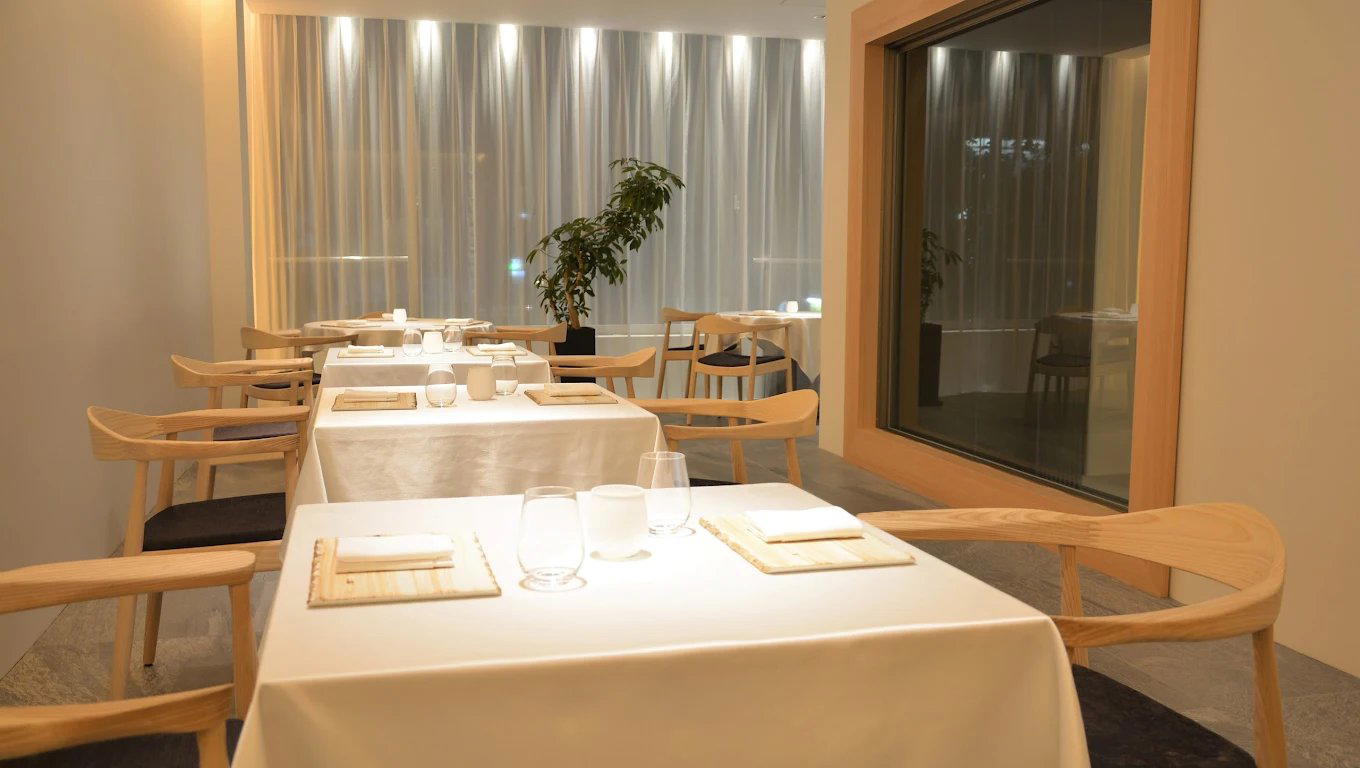
The atmosphere is calm and understated, with a compact counter‑centric layout where guests enjoy tempura fried to order; lighting and decor are simple and classic rather than flashy, creating a relaxed, almost hidden‑gem feel suited to quiet meals.