
Tabelog 100 #92
Our verdict
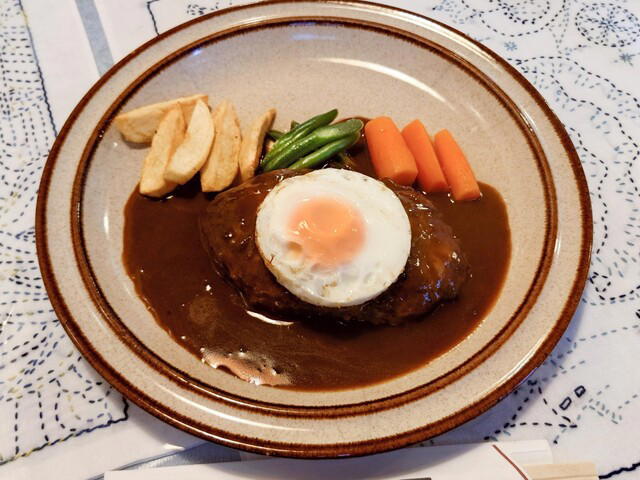
Kitchen Beniy puts Nagoya’s yoshoku tradition into a small-room format rather than a hotel-dining frame: Japanese-style Western cooking, steak, wine, and a scale that keeps the meal personal. Its Tabelog 100 Yoshoku EAST 2025 selection gives it a clear quality signal, while the modest price band makes the value argument sharper than many destination restaurants in the city.

Pearl is the En Primeur Club membership app, where members save venues, book tables and use the concierge.
The menu
What to order
- Steak
- Yume Pilaf (Garlic Rice)
- Beef Tongue Stew Course
Approach Nagoya and the restaurant language changes quickly: office blocks, transit points, paid parking lots, then a small restaurant rhythm that feels closer to everyday city dining than to a polished dining district. Yoshoku has always worked in that in-between space. It borrows Western forms, filters them through Japanese rice culture, sauce discipline, and compact service, and turns comfort into something precise rather than casual.
Kitchen Beniy belongs to that older, tighter category of Japanese Western cooking where value is not measured by spectacle. The signal here is focus. Rather than reading the restaurant as a grand destination, it is better understood as a Nagoya yoshoku room whose appeal depends on timing, heat, and the small decisions behind rice, steak, sauce, and seasoning.
Yoshoku value in Nagoya is strongest when the format stays small
Nagoya’s restaurant economy has a broad price spread, from everyday set-meal addresses to higher-ticket counters. Within that field, yoshoku occupies a useful middle ground: it can carry the satisfaction of Western-style steakhouse cooking without the ceremony or cost structure of luxury dining. Kitchen Beniy’s Tabelog Hyakumeiten recognition in 2025 puts it inside a recognised group for the category, but its appeal is not trophy dining. It is the rare case where an award marker and an accessible format point in the same direction.
That distinction matters in a city where visitors often chase more obvious local signatures first. Miso katsu, hitsumabushi, kishimen, and coffee-shop morning sets tend to define the Nagoya checklist, while yoshoku sits slightly off that path. Yet Japanese-style Western cooking explains as much about urban Japan as any regional speciality: it shows how European and American forms were absorbed, softened, and made practical for rice-centered dining. Steak is not foreign here; it is part of a long domestic grammar.
The restaurant’s stated categories, yoshoku and steak, keep the promise narrow. That is an advantage. A focused kitchen can make the meal feel edited, while a broader menu in this genre often dilutes the point. The better reading is not “destination fine dining,” but a Nagoya address where Japanese Western cooking is treated seriously enough to earn category attention.
The order of the meal is comfort first, recognition second
The house is best approached through its confirmed category language: yoshoku and steak. That framing is useful because it captures the cuisine’s tone. Yoshoku is not about strict European lineage. It is about adaptation, memory, and dishes that become local through repetition.
Value proposition sits in that repetition. A diner is not paying for a long tasting-menu arc or imported luxury cues. The attraction is a short-form meal in which the main categories are clear and the recognition comes from Tabelog Hyakumeiten rather than from international fine-dining machinery. For visitors planning Nagoya around larger-name meals, this is the counterweight: a category restaurant with a narrow promise and a budget listed at Dinner: JPY 2,000 - JPY 2,999; Lunch: JPY 1,000 - JPY 1,999.
Comparisons in Nagoya make that point sharper. Wakana ~Wakana~, Lokanta Ayhan, Tsubame Sanjo, and Kanmiya Sawada Shoten all help show how varied the city’s dining map can feel from one format to another. Kitchen Beniy is best read on its own terms rather than as a bargain-basement address or a splurge restaurant. It fits a practical middle ground, where cooking confidence has to justify itself without leaning on theatre.
That middle tier is often where yoshoku is most convincing. The cuisine loses some of its charm when over-formalised, yet it becomes forgettable when treated as generic Western food. Here the award context helps frame expectation: not experimental dining, not chef-biography dining, but a Japanese Western room that has earned category recognition.
How to place it in a Nagoya itinerary
Kitchen Beniy makes the most sense as a focused meal rather than the anchor of a full evening. Its Nagoya setting gives it useful flexibility for travellers moving through the city without locking the meal into a hotel-dining circuit. For a wider read on the city’s dining range, start with Our full Nagoya restaurants guide, then compare nearby and citywide options across other Nagoya dining rooms.
Travellers building a fuller Nagoya stay should separate restaurant ambition from hotel convenience. The city rewards movement, and different parts of Nagoya can change the dining mood within a short transit radius. Use Our full Nagoya hotels guide for where to sleep, Our full Nagoya bars guide for after-dinner drinking, Our full Nagoya wineries guide for wine-led planning, and Our full Nagoya experiences guide for cultural time around meals.
For readers mapping Japanese dining beyond Nagoya, the useful comparison is category discipline rather than cuisine match. Beef-led formats, casual urban Japanese cooking, everyday cafés, curry counters, and Japanese-inspired addresses overseas all show how formats can shift by city and context. Kitchen Beniy is better understood on its home terms: Nagoya yoshoku and steak, priced for repeatability, with enough recognition to justify planning ahead.
Frequently asked questions
What does dinner at Kitchen Beniy typically cost?
Pricing at Kitchen Beniy is listed as Dinner: JPY 2,000 - JPY 2,999; Lunch: JPY 1,000 - JPY 1,999.
How do I find Kitchen Beniy?
Kitchen Beniy is located in Nagoya.
How hard is it to get a table at Kitchen Beniy?
Kitchen Beniy’s Tabelog Hyakumeiten 2025 recognition points to a restaurant that rewards planning ahead, especially for diners building a Nagoya itinerary around category-recognised meals.
What's the signature at Kitchen Beniy?
The Tabelog listing identifies Kitchen Beniy’s categories as yoshoku and steak. Its Tabelog Hyakumeiten 2025 recognition gives that focus context as the restaurant’s core draw in Nagoya.
How does Kitchen Beniy handle allergies?
Allergy requests should be raised directly with the restaurant before dining. The practical route is to call +81-52-201-5891 and confirm what the kitchen can handle.
Reputation Context
Comparable venues to calibrate price, style, and recognition.
| Venue | Cuisine | Price | Awards | Notes |
|---|---|---|---|---|
| Kitchen BeniyThis venue (the venue you are viewing) | Classic Yoshoku (Japanese-style Western) & Steak | $20–30 | Tabelog 100 #92 | Not listed |
| Udon Ryori Sen | Curry Udon & Oden Udon House | $20–30 | Tabelog 100 #82 | Naka |
| Suzunami Esuka ten | Traditional Japanese set-meal diner | $10–20 | Tabelog 100 #75 | Nakamura |
| Kurumi | Okonomiyaki, Izakaya & Teppanyaki | $30–50 | Tabelog 100 #64 | Naka |
| Torin Chi Nagoya shinsakae ten | Hakata-style grilled chicken izakaya | $20–30 | Tabelog 100 #22 | Naka |
| Yakiniku Tomiya | Japanese Yakiniku | $30–50 | Tabelog 100 #61 | Naka |
Recognition history
Dated appearances from independent guides and award organizations, with the underlying list record or original source where available.
Tabelog 100 #92 · No. 92
Tabelog · Tabelog 100 - Yoshoku - EAST - 2025
Continue exploring
More in Nagoya


Details
- Cozy
- Classic
- Intimate
- Solo
- Date Night
- Casual Hangout
- Special Occasion
- Standalone
- Design Destination
- Set Menu
- A La Carte
- Counter Dining
- Wine
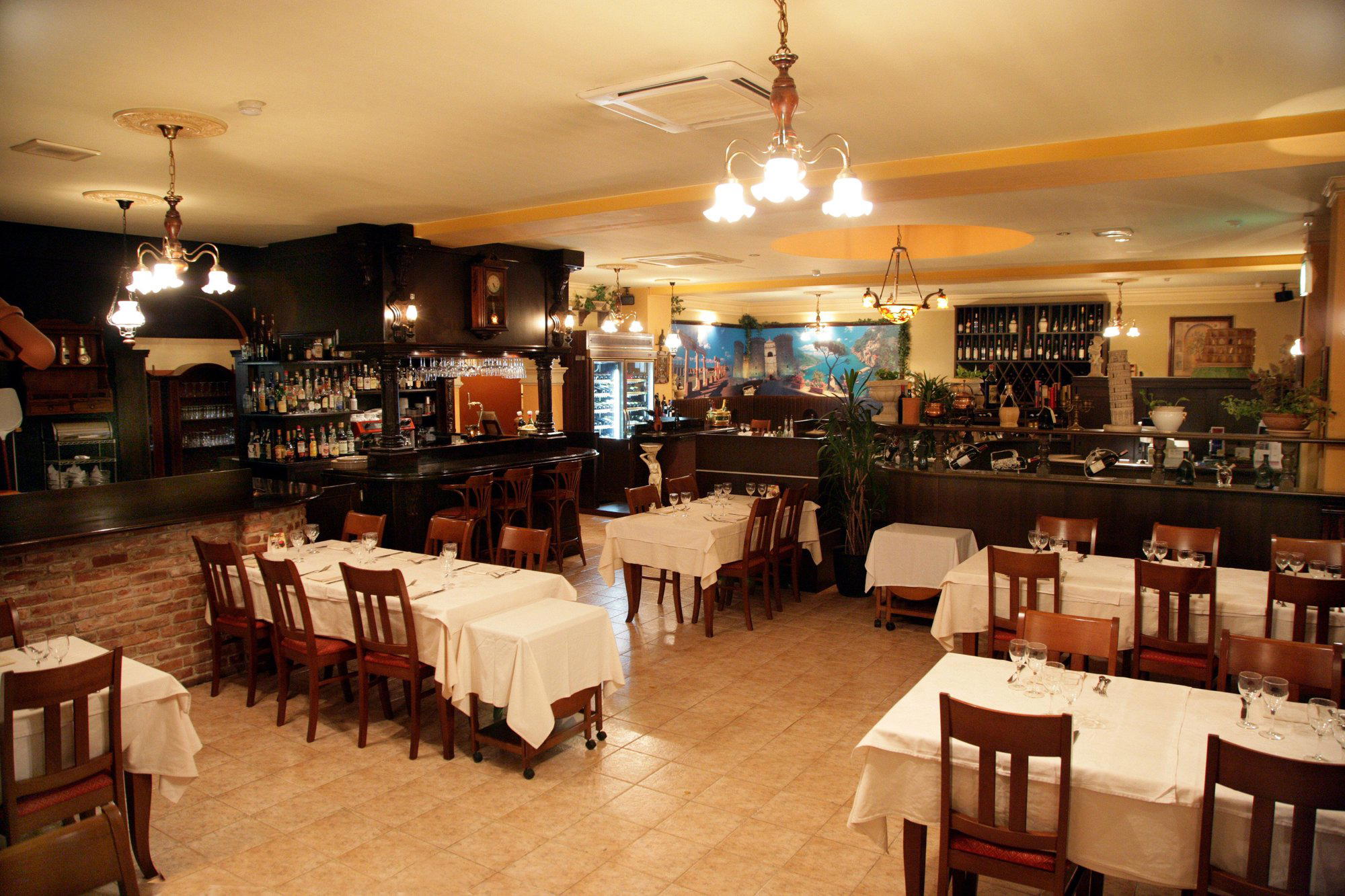
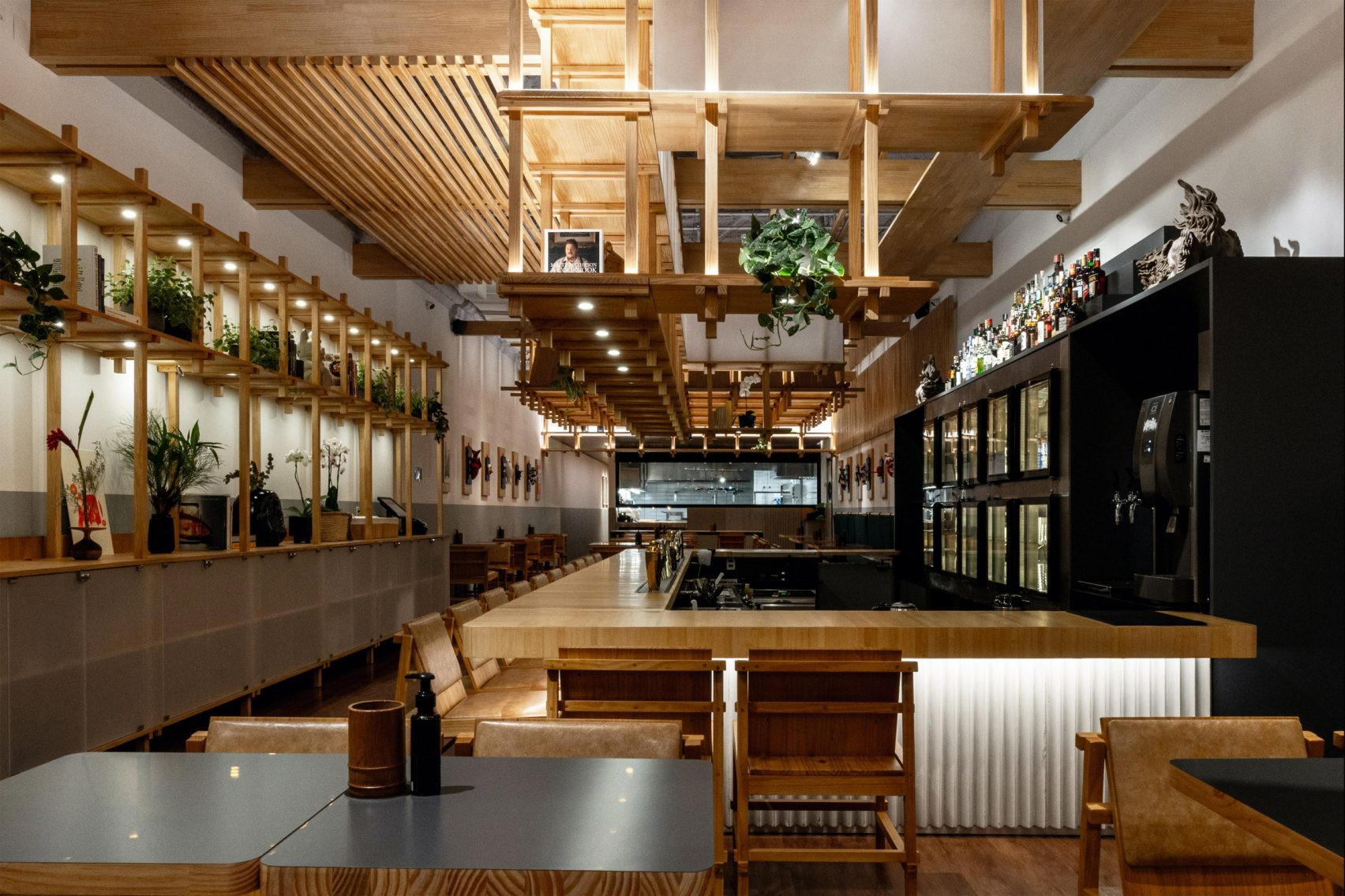
Warm, homey, and quietly nostalgic, with just eight non-smoking seats and the feel of a hidden house-restaurant where the owner-chef and his wife cook and serve with gentle, attentive hospitality.