
Kishiwada’s udon scene rewards patience and appetite rather than ceremony. Udon Kura Fujitaya brings Tabelog 100 Udon WEST 2024 recognition to a casual noodle format built around udon, curry udon, tempura, and sake, giving Osaka diners a serious regional udon stop outside the central tourist circuit.
Pearl is the En Primeur Club membership app — saves, bookings, and concierge access live there. Same editors, same standards.
- Address
- 大阪府岸和田市筋海町8-9
- Phone
- +819078785528
- Website
- tabelog.com
 Saves & bookings on Pearl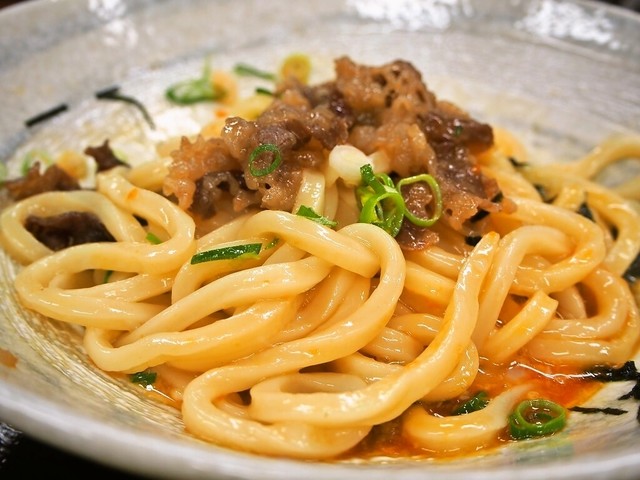
Approaching Kishiwada’s station-side dining streets, the appeal is understated: Osaka beyond neon shorthand, with narrow pavements, everyday lunch traffic, and noodle shops judged by repeat visits, not design. Here, udon carries a different charge from the city’s more exportable foods. Takoyaki and pork buns travel easily as symbols; udon depends on texture, broth discipline, and timing. Udon Kura Fujitaya belongs to that practical Osaka tradition, where modest spend can still put diners before a kitchen with serious regional recognition.
The value proposition comes first. This is neither tasting-menu nor luxury-counter dining. It sits in the same everyday price band as Osaka peers Yuiga Dokuson and Utsuwa, while Fournier occupies a lower published spending bracket. Tabelog 100 Udon WEST 2024 selection places the shop inside a curated regional field without pushing it into special-occasion economics. For travelers reserving budget for sushi, kappo, or hotel dining, Kishiwada’s udon bracket offers a different calculation: spend lightly, choose carefully.
Osaka udon value, measured by recognition rather than ceremony
Udon in western Japan is often read through restraint: wheat noodles, dashi logic, and toppings that support rather than dominate. Osaka’s position between Kansai’s broader dashi culture and commuter-heavy dining gives the category strength. A good udon shop must work for solo lunch diners, families at tables, and friends seeking a low-pressure meal. Udon Kura Fujitaya’s listed categories, udon, curry udon, and tempura, suggest breadth within a tight genre, not a kitchen covering half of Japanese comfort food.
The Tabelog 100 Udon WEST 2024 selection is the key trust signal. Tabelog’s Hyakumeiten lists separate genre specialists from general restaurant acclaim; a noodle shop is assessed with other noodle shops, not against fine-dining rooms with wine pairings and long-form service. Expectations stay honest: not luxury, but a recognized udon address in a part of Osaka many visitors pass only if they move beyond Namba, Umeda, and the castle corridor.
For EP Club readers building a broader Osaka map, this counters the city’s familiar dining grammar. The same trip might include bakery scouting at 52CHO-ME BAKERY, coffee at .cafe, a pork-bun stop at 551 Horai (551蓬莱), or Italian cooking at a canto (Italian) and 99 Pizza Napoletana Gourmet. The point is not to rank them against udon, but to see Osaka as a city where high-value eating often happens in tightly defined formats, each with its own seriousness.
Why Kishiwada changes the read on a noodle meal
Kishiwada shifts the context. Central Osaka dining often compresses around rail hubs, department-store floors, covered arcades, and late-night districts. Kishiwada moves the frame south, toward a smaller urban rhythm where a 30-seat room with counter and table seating can serve multiple diner types without becoming an event restaurant. That scale suits udon: noodles need turnover, consistency, regular demand, and visible standards, not a grand room.
The configuration explains the range. Counter seating suits solo diners wanting a focused bowl without social friction; table seating suits families and small groups. Children are welcomed, private rooms are not part of the format, and the restaurant is non-smoking. These details place it in the everyday specialist category rather than the hushed destination category. In Japan, that is no downgrade: much of the strongest food culture sits there, with narrow expertise, low ceremony, clear rules, and repeat-use pricing.
Curry udon and tempura broaden the decision without changing the thesis. Curry udon in Kansai is not just a comfort add-on; it tests how a kitchen handles weight, heat, and noodle texture without burying the wheat. Tempura shows timing. No dish needs to be treated as a signature for the format to make sense. Cleaner read: a udon specialist with enough adjacent categories to satisfy different appetites while keeping the meal anchored.
Comparisons should stay local and practical. Yuiga Dokuson and Utsuwa share a similar published spending range in Osaka, useful for travelers deciding where a casual meal can still carry purpose. Fournier’s lower bracket points to another quick-service value. Udon Kura Fujitaya’s differentiator is not higher spend, but specialist category, Tabelog 100 Udon WEST 2024 inclusion, and a Kishiwada location outside the usual central-Osaka loop.
How to place it in an Osaka itinerary
The strongest use case is a day when Osaka’s dining plan needs one precise, low-ceremony meal rather than another reservation-driven production. Kishiwada Station is the anchor, and the shop is listed as a short walk from the west exit. Reservations are not the operating model, so the meal rewards diners who can tolerate a queue and keep the group together. For serious casual food in Japan, access is often managed less by concierge muscle than by patience and timing.
Payment also shapes value. Cash remains relevant because credit cards and electronic money are not listed as accepted, while several QR payment options are. Parking is not provided, with nearby coin parking indicated instead. These are category signals, not drawbacks. A diner expecting hotel-restaurant flow has chosen the wrong format; one seeking a recognized noodle shop with clear constraints has the right read.
For a wider Osaka plan, use this meal as a southern counterpoint and keep the rest of the day simple. The city’s broader EP Club coverage can fill surrounding choices through Our full Osaka restaurants guide, Our full Osaka hotels guide, Our full Osaka bars guide, Our full Osaka wineries guide, and Our full Osaka experiences guide. Readers comparing casual Japanese formats beyond Osaka can also look at -Grilled beef Sukiyaki- KAMAKURA TANUKIAN 鎌倉 たぬき庵 in Kamakura. 鮪と炭火焼き うお炭 秋葉原店 in Tokyo.know in Kumamoto, (Shoku) Vietnam in Kawasaki, [Curry Senmon Ten] Maruyama Kyoju. in Sapporo, [ki:] in Kyoto, Jōdo Saké Bar in Los Angeles, and Onigiri Time in Pasadena.
The verdict is simple: a specialist udon stop for diners who value recognition, genre focus, and price discipline over centrality or ceremony. It makes strongest sense for travelers comfortable moving beyond the obvious Osaka districts, or repeat visitors who want the city’s everyday food culture without treating casual dining as an afterthought.
Recognition, Side-by-Side
Comparable venues in the metro at similar price points.
| Venue | Cuisine | Price | Notes |
|---|---|---|---|
| Udon Kura FujitayaThis venue — the venue you are viewing | Traditional Sanuki Udon & Tempura | $ | Not listed |
| Utsuwa | Udon and Tempura Noodle Shop | $ | Kaizuka City |
| Menya Joroku Nanba ten | Takaida-style ramen counter | $ | Chūō |
| Ramen Kasumi Awaza honten | Niboshi-focused ramen shop | $ | Nishi |
| Matsushita kitchen | Japanese café with Western-style sweets and shaved ice | $ | Higashinari |
| Oodanna KITTE oosaka ten | Standing Japanese Izakaya & Bar | $ | Kita |
Recognition history
Dated appearances from independent guides and award organizations, with the underlying list record or original source where available.
Tabelog 100 #10 · No. 10
Tabelog · Tabelog 100 - Udon - WEST - 2024
Continue exploring
More in Osaka
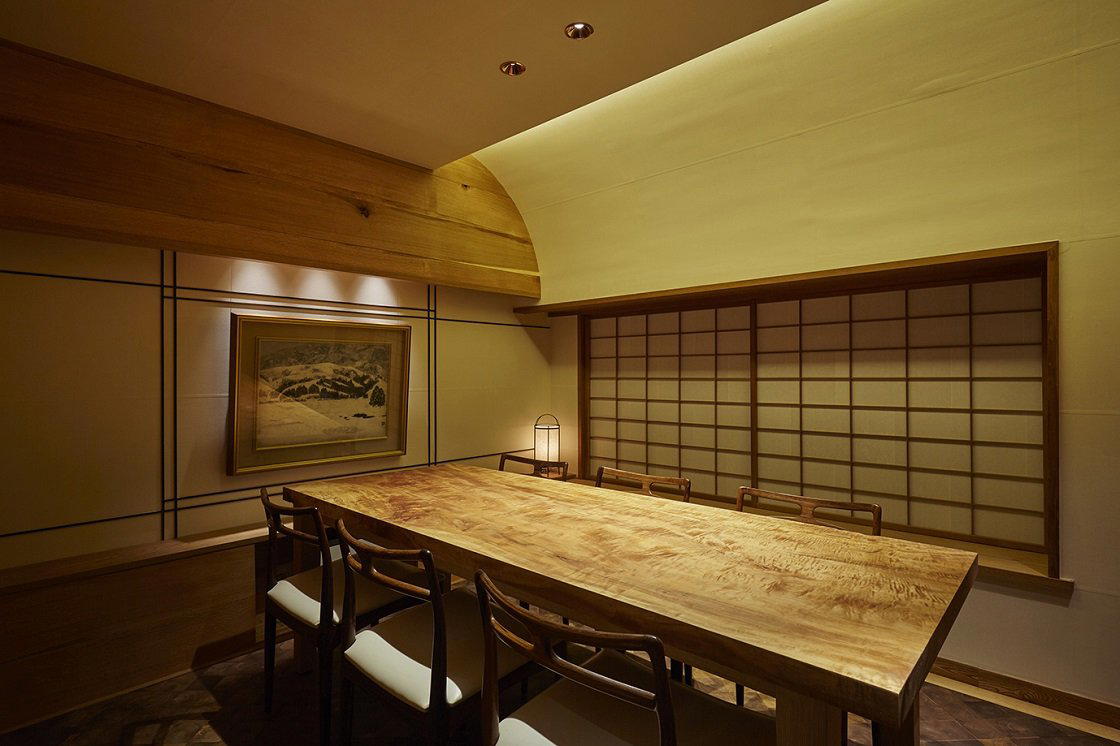
Restaurants in Osaka
Browse all →



Bars in Osaka
Browse all →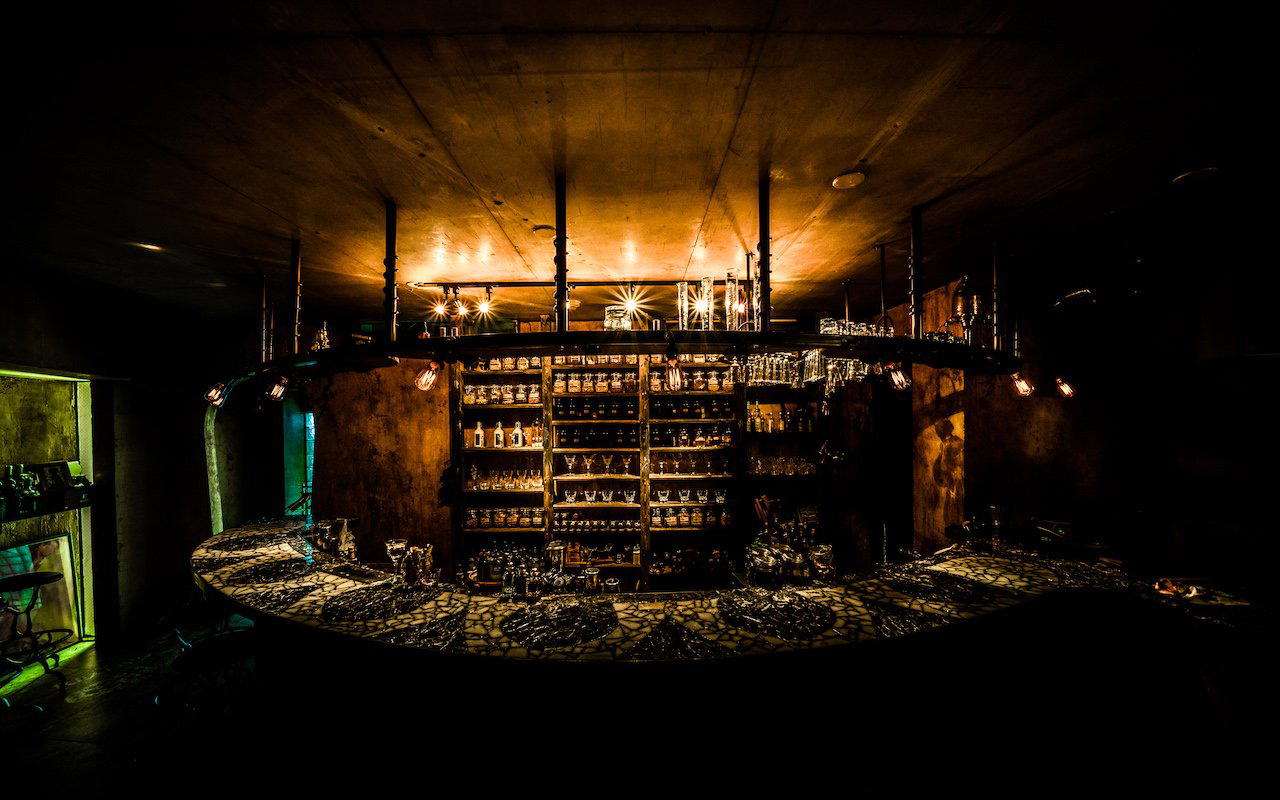

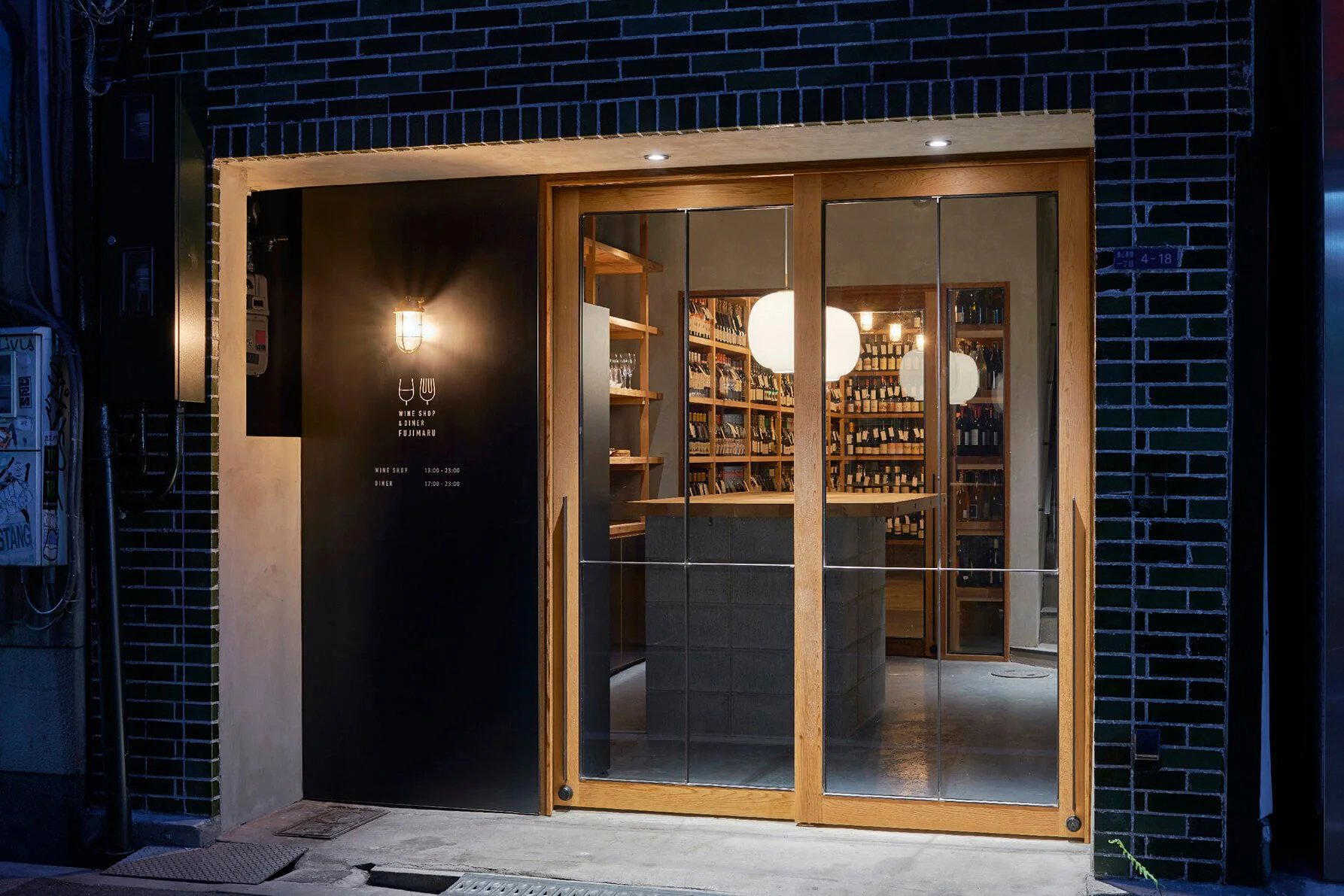
Hotels in Osaka
Browse all →

Wineries in Osaka
Browse all →

At a Glance
- Lively
- Classic
- Cozy
- Solo
- Family
- Casual Hangout
- Group Dining
- After Work
- Standalone
- Sake Program
Casual, old-town-style udon shop with a mix of counter and table seating, a lively atmosphere at peak times, and a simple, unpretentious interior focused on efficient service and fresh noodles.