
A stand-up izakaya inside KITTE Osaka’s basement dining floor, Oodanna KITTE oosaka ten puts Osaka’s tachinomi culture into a station-complex setting rather than a backstreet bar crawl. The draw is format discipline: counter seating, a 30-seat standing-bar footprint, fish-led food, broad drinks coverage, and selection for Tabelog 100 Tachinomi 2025.
Pearl is the En Primeur Club membership app — saves, bookings, and concierge access live there. Same editors, same standards.
- Address
- Japan, 〒530-0001 Osaka, Kita Ward, Umeda, 3 Chome−2−2 KITTE大阪 B1
- Phone
- +81 6-4256-7798
- Website
- tabelog.com
 Saves & bookings on Pearl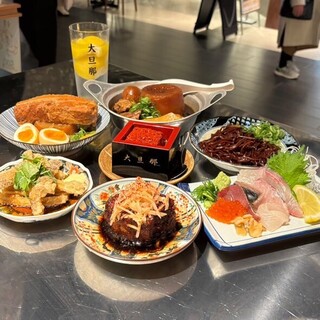
Basement dining floors around Osaka Station have their own rhythm: escalators empty into compact counters, office workers move fast, and the gap between a quick drink and a full meal can be minutes. Here, tachinomi is not visitor nostalgia. It is a working format built for short stays, close quarters, quick decisions, and front-of-house teams that read the room before it settles.
Oodanna KITTE oosaka ten belongs to newer Umeda: a stand-up izakaya inside a polished transport-and-retail complex, operating with the pace of Osaka’s older drinking districts. Its KITTE Osaka address gives it a different role from a destination tasting counter or late-night alley bar. It is a station-side pressure valve for diners who want fish, sake, shochu, wine, or cocktails without the higher spend of nearby dining rooms.
Station-complex tachinomi with Osaka speed
Osaka has always excelled at formats that collapse ceremony. Kushikatsu counters, udon shops, department-store basements, and stand-up bars share a civic talent: feeding people quickly without making the experience feel thin. Tachinomi sits in that tradition. Standing changes the room’s economics and behavior: orders sharpen, groups stay smaller, and staff become traffic controller, drinks guide, and kitchen translator.
That team dynamic matters because the category depends less on theatrical cooking than coordination. A 30-seat standing-bar room has little margin for drift. The counter must keep pace with drinks, the kitchen must support grazing rather than multi-course dining, and service must explain enough without slowing the queue. Selection for Tabelog 100 Tachinomi 2025 signals that this branch is judged within Japan’s stand-up drinking culture, not by conventional restaurant metrics.
The Umeda comparison set clarifies the positioning. Lawry’s The Prime Rib, Osaka sits in a much higher dinner bracket, while BOULANGERIE BURDIGALA Oosaka ten and CHOCOLATIER PALET D'OR Oosaka serve different station-area needs at lower-commitment times of day. MLESNATEA OSAKA and The Grand Cafe occupy the tea-and-cafe side of the same commercial ecosystem. Oodanna KITTE oosaka ten serves another use case: a drink-led meal with enough food structure to count as dinner, without the pacing or tariff of a formal reservation.
Fish, sake, shochu, wine: the menu is built for short decisions
The food direction is fish-led, important in Osaka because tachinomi can too easily narrow into fried food and beer. Fish gives the kitchen broader range across drinking styles: sake and shochu for the classic izakaya lane, wine and cocktails for a more mixed Umeda crowd. The drinks list is not a sommelier temple; it is broad and practical, letting a group split across nihonshu, shochu, wine, and mixed drinks without forcing consensus.
That breadth also reflects KITTE Osaka’s audience. Station developments absorb office workers, shoppers, rail passengers, hotel guests, and locals cutting through the underground network. A narrow specialist bar can thrill in the right alley. In a station complex, flexibility is hospitality. The room’s job is not to announce a manifesto; it is to make the first round fast and keep the second optional.
Price is part of the story, even when appetite determines the meal. Lunch sits below dinner, and dinner stays in the everyday izakaya range rather than the special-occasion tier. That places the venue below Umeda’s steakhouse and hotel-dining spend, closer to efficient post-work drinking culture. For travelers, this is useful intelligence: not Osaka performing luxury, but proving that format, staffing, and product selection can create value without ceremony.
There is no chef mythology to decode, and that suits the format. Tachinomi is rarely about a lone auteur. It is about handoffs between kitchen, drinks station, and floor. The measure is whether the team keeps the counter moving while preserving choice. In Osaka, where diners quickly punish sluggish service and inflated pricing, that discipline matters more than biographical romance.
How it fits into an Osaka eating day
For an Osaka itinerary, this is a counterweight to more planned meals. A bakery stop such as 52CHO-ME BAKERY, a casual snack run to 551 Horai (551蓬莱), or coffee at .cafe occupies the lighter end of the day. At the other end, 99 Pizza Napoletana Gourmet and a canto (Italian) ask for a deliberate dining slot. Stand-up izakaya fills the space between, especially when plans flex around trains, weather, or a late Umeda arrival.
Readers building a wider Kansai and Japan food map can treat it as part of a casual-dining grammar rather than an isolated address. Compare a standing bar’s compactness with the specialist focus of [ki:] in Kyoto, the regional specificity of.know in Kumamoto, or the everyday-food clarity of [Curry Senmon Ten] Maruyama Kyoju. in Sapporo. Outside Japan, the sake-bar logic at Jōdo Saké Bar in Los Angeles and the snack-format precision of Onigiri Time in Pasadena show how Japanese drinking and quick-meal structures travel, though Osaka’s station-side version remains more transactional and faster by design.
For a broader city plan, use Our full Osaka restaurants guide for dining context, then cross-check nearby drinking, lodging, and cultural pacing through Our full Osaka bars guide, Our full Osaka hotels guide, Our full Osaka wineries guide, and Our full Osaka experiences guide. Travelers extending beyond Osaka can compare how casual Japanese dining shifts across regions, from -Grilled beef Sukiyaki- KAMAKURA TANUKIAN 鎌倉 たぬき庵 in Kamakura to. 鮪と炭火焼き うお炭 秋葉原店 in Tokyo and (Shoku) Vietnam in Kawasaki.
The strongest reason to shortlist Oodanna KITTE oosaka ten is not rarity. It is usefulness at a high standard for the format. The venue fits a democratic Osaka drinking tradition into Umeda’s contemporary station architecture without losing the tachinomi bargain: speed, proximity, flexible drinking, and enough food seriousness to make standing up feel intentional.
Standing Among Peers
Comparable venues for orientation by cuisine and category.
| Venue | Cuisine | Price | Notes |
|---|---|---|---|
| Oodanna KITTE oosaka tenThis venue — the venue you are viewing | Standing Japanese Izakaya & Bar | $ | Not listed |
| Hagu Ne | Japanese Curry Shop | $ | Kita |
| Columbia8 Kitahama honten | Osaka spice curry counter | $ | Chūō |
| Men Genso | Ramen & Tsukemen | $ | Kita |
| Ebishi | Soba noodle shop | $ | Chūō |
| Gunjo | Tsukemen and ramen noodle bar | $ | Kita |
Recognition history
Dated appearances from independent guides and award organizations, with the underlying list record or original source where available.
Tabelog 100 #1 · No. 1
Tabelog · Tabelog 100 - Tachinomi - 2025
Continue exploring
More in Osaka
Restaurants in Osaka
Browse all →




Bars in Osaka
Browse all →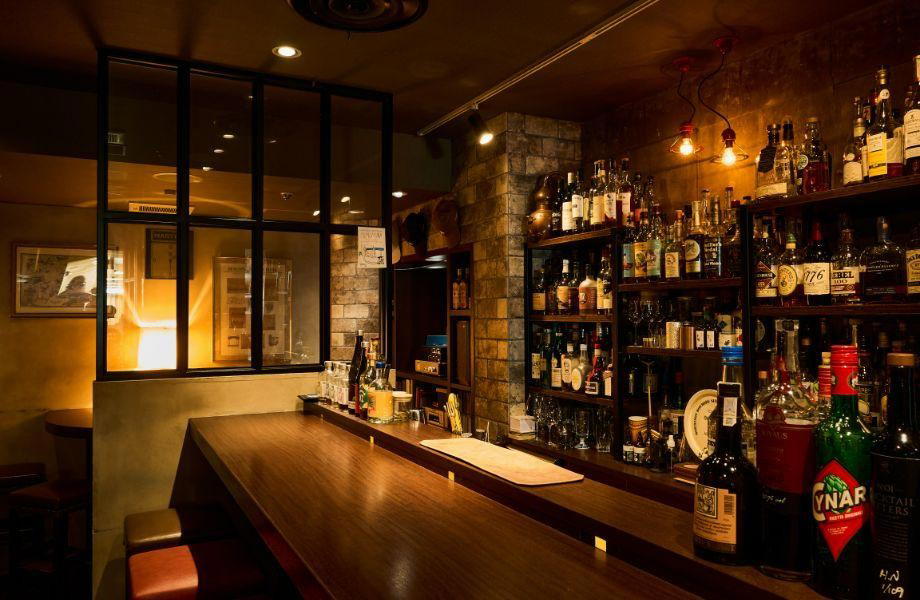
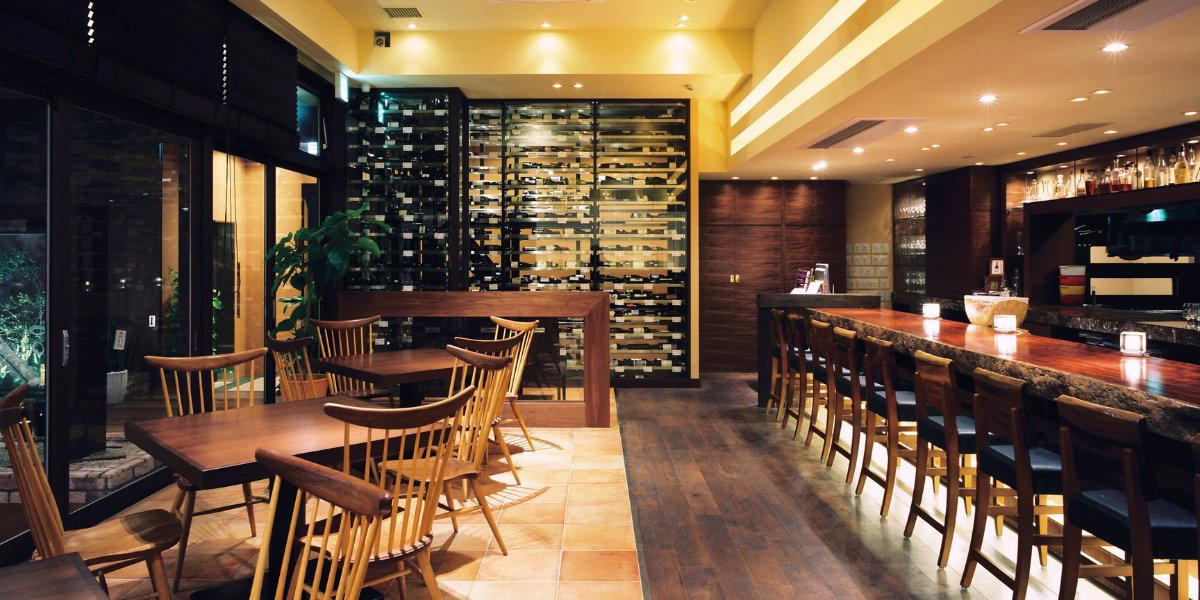

Hotels in Osaka
Browse all →



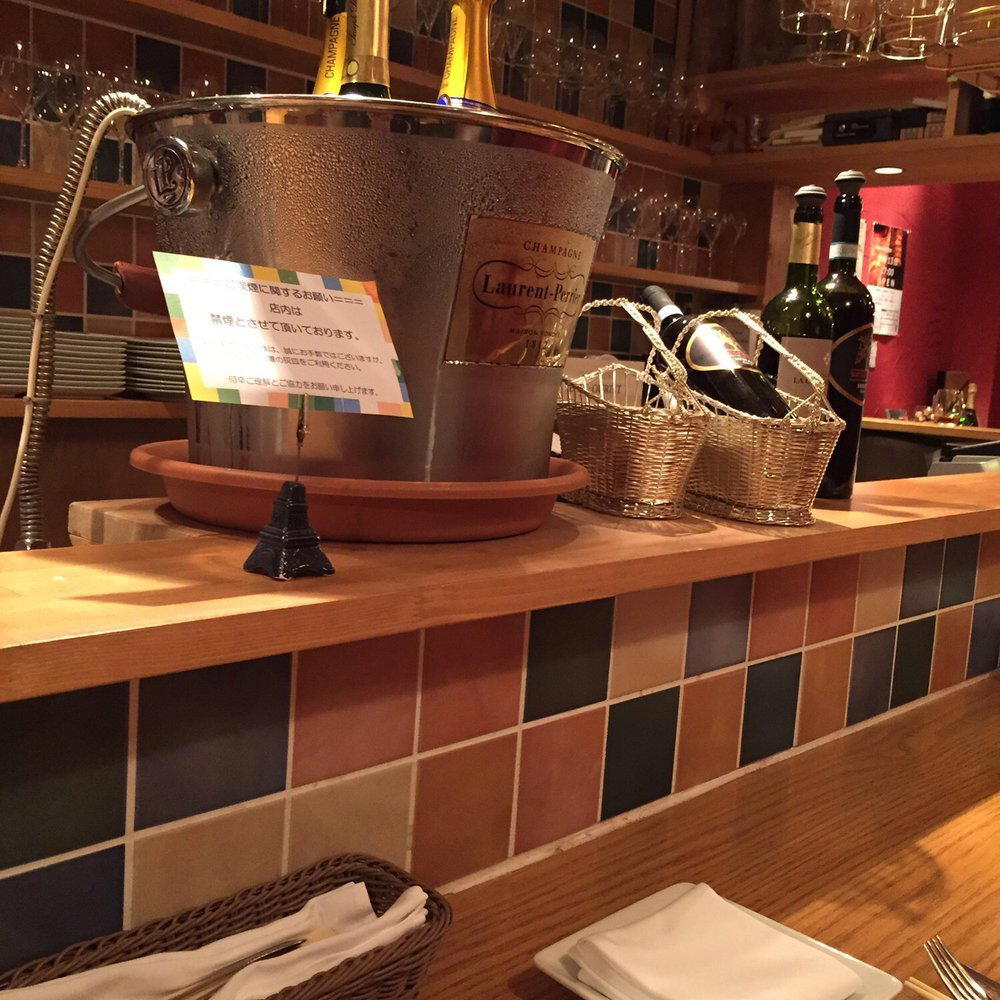
Wineries in Osaka
Browse all →
At a Glance
- Lively
- Cozy
- Energetic
- Trendy
- After Work
- Casual Hangout
- Solo
- Group Dining
- Late Night
- Standalone
- Beer Program
- Sake Program
Current opening hours
- Monday
- 11 AM–11 PM
- Tuesday
- 11 AM–11 PM
- Wednesday
- 11 AM–11 PM
- Thursday
- 11 AM–11 PM
- Friday
- 11 AM–11 PM
- Saturday
- 11 AM–11 PM
- Sunday
- 11 AM–11 PM
Hours can change for holidays and private events. Last verified .
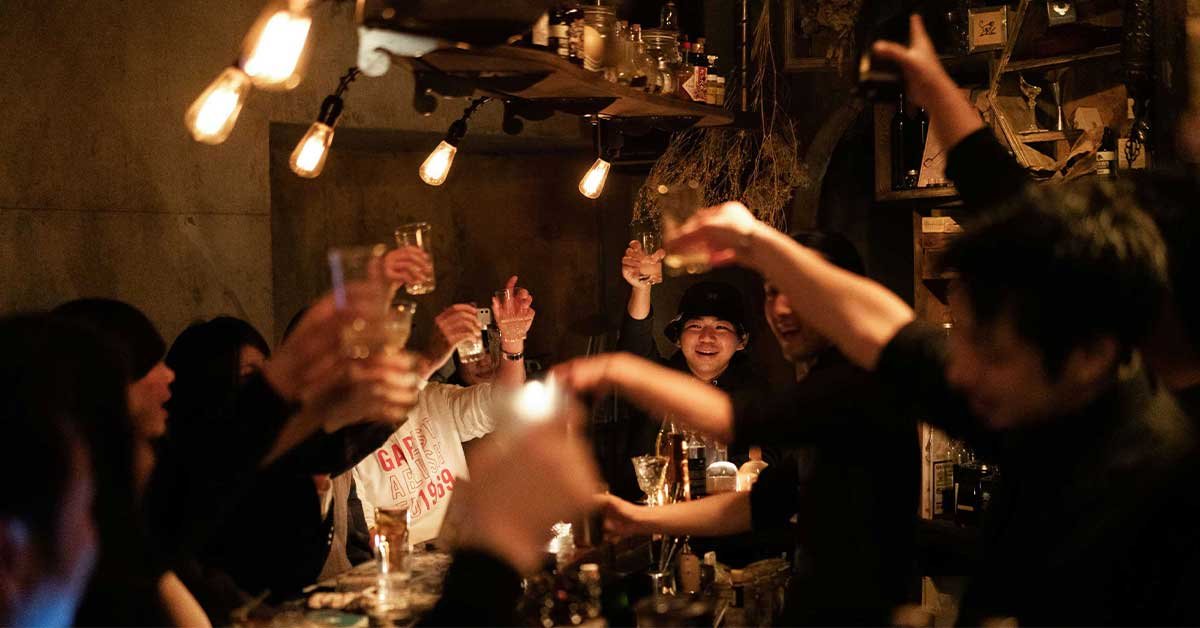
Bustling standing-bar atmosphere on the B1 food alley of KITTE Osaka, with a compact 30-person space, bright casual lighting, and the feel of a crowded but welcoming neighborhood tavern where guests pop in for quick drinks and small plates.