Two Ladies Kitchen
Our verdict
Two Ladies Kitchen is a compact, cash-only mochi shop on the Big Island that has earned a following far beyond Hawaii's local food scene. Operating with the kind of quiet consistency that defines generational Japanese-Hawaiian craft, it draws visitors and residents alike for handmade confections rooted in plantation-era tradition. Arrive early — the supply runs out well before closing.

Pearl is the En Primeur Club membership app — saves, bookings, and concierge access live there. Same editors, same standards.
- Address
- Big Island, United States
- Directions
- Get directions
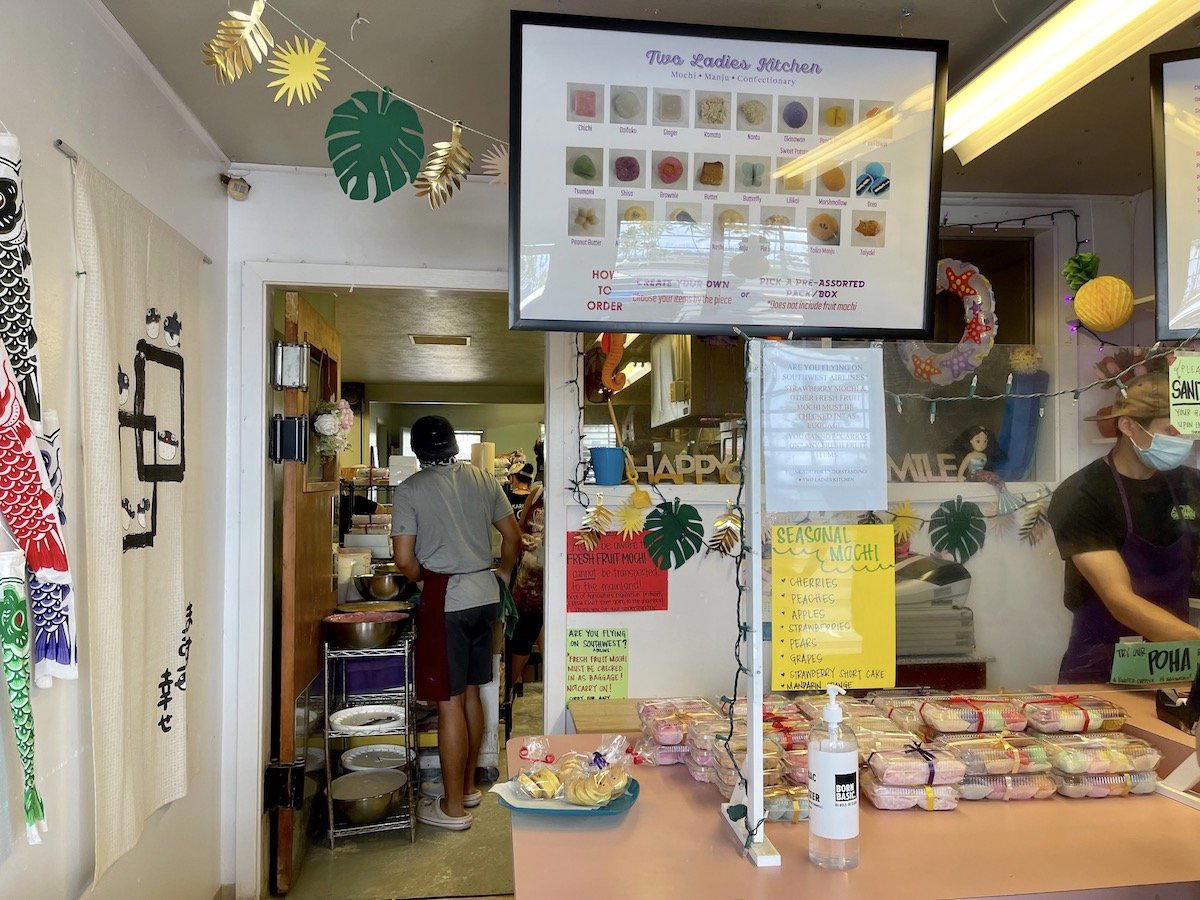
The menu
What to order
- Strawberry mochi
- Grape mochi
- Butter mochi
Where Japanese Confectionery Meets Hawaiian History
On the Big Island, the distance between a plate lunch counter and a mochi shop can measure decades of cultural migration. Two Ladies Kitchen sits inside that longer story: a small, unassuming operation in Hilo that has become one of the more discussed stops in the state for handmade Japanese-Hawaiian sweets. The shop occupies the kind of physical space that announces nothing — no grand signage, no designed interior meant to photograph well — yet the queue outside on any given morning tells its own story about what the product delivers and how rarely that standard is met at this scale.
Hilo's food character has always been shaped by the waves of Japanese, Filipino, Portuguese, and Chinese workers who arrived during the sugar plantation era, each community folding its culinary traditions into the local fabric over generations. Mochi, the glutinous rice cake with origins in Japanese New Year ritual and temple offering, arrived with Japanese laborers and gradually became something distinctly Hawaiian in its local iterations, softer in some preparations, filled with tropical fruit in others, sold from small family operations rather than specialty confectionery shops. Two Ladies Kitchen belongs to that tradition of family-scale production, where the knowledge is passed down and the quantities are finite by design rather than by accident.
The Craft Behind the Counter
Mochi production at this level is not a process that scales without loss. The rice flour dough requires specific handling at specific temperatures; the fillings, whether sweet red bean, strawberry, or other rotating varieties, need to be portioned and wrapped by hand. What distinguishes the operations that earn sustained attention from those that fade is the consistency of that execution across years and across seasons. Two Ladies Kitchen has maintained its reputation long enough that it now functions as a reference point in discussions about Hawaiian confectionery, the kind of place that food writers and traveling chefs mention not because it has a publicist but because the product keeps the conversation going.
That reputation places it in a specific tier of Big Island eating: not the fine-dining circuit that draws comparison to destinations like The French Laundry in Napa or Le Bernardin in New York City, and not the farm-to-table progressivism of places like Single Thread Farm in Healdsburg or Blue Hill at Stone Barns in Tarrytown. Two Ladies Kitchen operates in the register of essential local craft, the category where technique, tradition, and repetition over years produce something that high-capital operations rarely replicate. Across the United States, a handful of places occupy this position in their respective cities: Bacchanalia in Atlanta holds it in Southern fine dining, Atomix in New York City in modern Korean, Addison in San Diego in California-inflected tasting menus. The register is different, but the logic of sustained earned reputation is the same.
Hilo as Context
Understanding Two Ladies Kitchen requires understanding Hilo itself. On the wetter, east side of the Big Island, Hilo developed differently from the resort corridors of the Kohala Coast. Its downtown retains a pre-war commercial architecture largely intact, and its food scene has historically skewed toward working-class authenticity rather than visitor-facing polish. The farmers market draws serious cooks. The plate lunch counters have regulars who have been coming for thirty years. Within this context, a small mochi shop that operates on limited hours, sells out daily, and accepts only cash is not an anomaly, it is a logical product of the neighborhood's food culture.
That culture also produces the kind of lateral exploration worth building into a visit. Basik Acai represents the newer wave of health-conscious Hawaiian eating, while Scandinavian Shave Ice sits in the tradition of frozen treats that have become as much a part of Hawaiian food identity as plate lunch. Two Ladies Kitchen fits into this broader picture as the Japanese-Hawaiian confectionery anchor, the stop that, for many visitors, provides the clearest connection to the island's plantation-era culinary inheritance. For a fuller map of where to eat on the island, our full Big Island restaurants guide covers the range from Hilo to the Kohala Coast.
The American Fine Dining Comparison, Set Aside
It is worth being clear about what Two Ladies Kitchen is not. It is not competing with the tasting-menu tier that includes Alinea in Chicago, Lazy Bear in San Francisco, or Providence in Los Angeles. It does not operate with the institutional scale of Emeril's in New Orleans or the research-kitchen ambition of Brutø in Denver. It is not building toward the kind of diplomatic cuisine found at The Inn at Little Washington or the fermentation-forward precision of Causa in Washington, D.C. or the Mediterranean grandeur of 8½ Otto e Mezzo Bombana in Hong Kong. The point of these comparisons is not to diminish the shop but to locate it precisely: it operates in a tradition where the measure of quality is fidelity to craft and consistency across years, not innovation or spectacle.
Planning Your Visit
Two Ladies Kitchen operates on limited hours and a finite daily supply, arriving mid-morning on any day of operation gives the leading chance of finding the full range available. The shop is cash-only, a practical detail worth knowing before you arrive. Because specific hours and days of operation can shift seasonally or without public notice, confirming current hours directly before visiting is advisable. The operation is small enough that a single busy period can deplete the day's stock, so treating this as a morning stop rather than an afternoon option is the practical approach. Hilo's downtown is compact, and the shop sits within walking distance of several other reasons to spend time in the neighborhood, the farmers market, the bay front, and the older commercial blocks that give the city its particular character.
Frequently asked questions
Would Two Ladies Kitchen be comfortable with kids?
Yes. The format is a straightforward counter transaction — no tasting menu, no reservation, no extended table service — and mochi is a hand-held confection priced accessibly for families. It fits naturally into a Big Island day trip that includes other Hilo stops such as the farmers market, with no logistical friction for children.
What's the overall feel of Two Ladies Kitchen?
The shop operates like a long-running small food business in Hilo: functional, unhurried, and without theatrical staging. There is no décor program or curated atmosphere — the focus is entirely on the product. That matter-of-fact quality is consistent with how the Japanese-Hawaiian food culture of the east Big Island has operated for generations.
Is Two Ladies Kitchen connected to Hilo's Japanese-Hawaiian heritage, and does that affect what they make?
Two Ladies Kitchen sits within Hilo's broader Japanese-immigrant food history — the east side of the Big Island developed a distinct Japanese-Hawaiian culinary culture shaped by plantation-era migration that differs from the resort corridor on the island's west coast. Mochi itself is a product of that lineage, and the shop's small-batch approach reflects production methods tied to that tradition rather than scaled commercial manufacture.
What's the best thing to order at Two Ladies Kitchen?
Go directly for the strawberry mochi if it is available on the day you visit. It is the preparation most consistently referenced in accounts of the shop and the one that has given Two Ladies Kitchen its reputation beyond Hilo. Supply is finite and tied to daily production, so early arrival improves the odds of finding it in stock.
Price Lens
| Venue | Cuisine | Price | Awards | Notes |
|---|---|---|---|---|
| Two Ladies KitchenThis venue — the venue you are viewing | Handmade Japanese Mochi | $1–10 | Not listed | Not listed |
| Le Bernardin | French Seafood Fine Dining | $300–500 | 3 Michelin Stars · World's 50 Best #13 | French, Seafood |
| Atomix | Modern Korean Tasting Menu | $300–500 | 2 Michelin Stars · World's 50 Best #7 | Modern Korean, Korean |
| Lazy Bear | Modern American Tasting Menu | Not listed | 2 Michelin Stars · World's 50 Best #25 | Progressive American, Contemporary |
| Alinea | Avant-Garde Molecular Gastronomy | $300–500 | 2 Michelin Stars · World's 50 Best #37 | Progressive American, Creative |
| Atelier Crenn | Contemporary French Fine Dining | $300–500 | 3 Michelin Stars · World's 50 Best #44 | Modern French, Contemporary |
Continue exploring
More in Big Island
Restaurants in Big Island
Browse all →
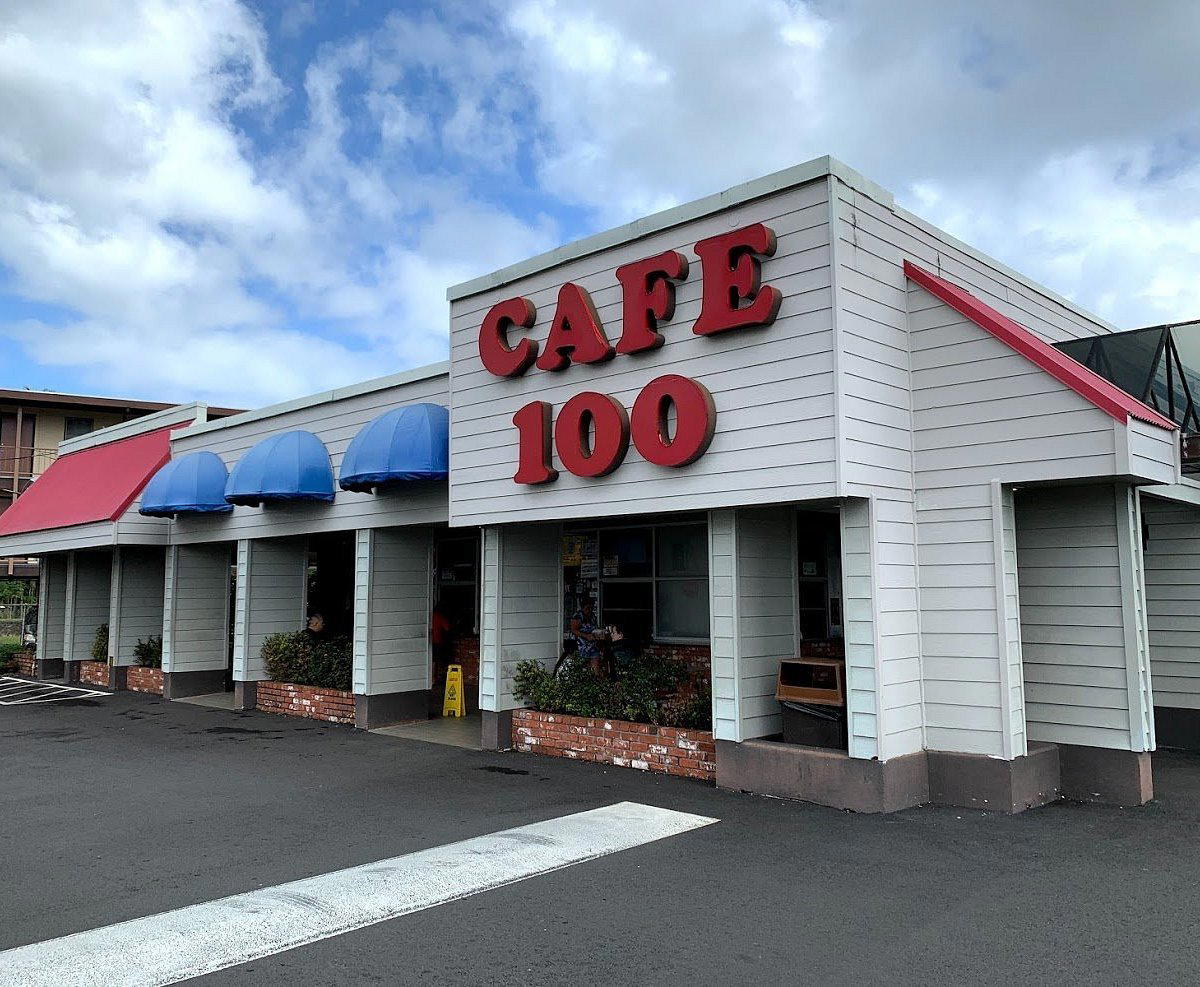
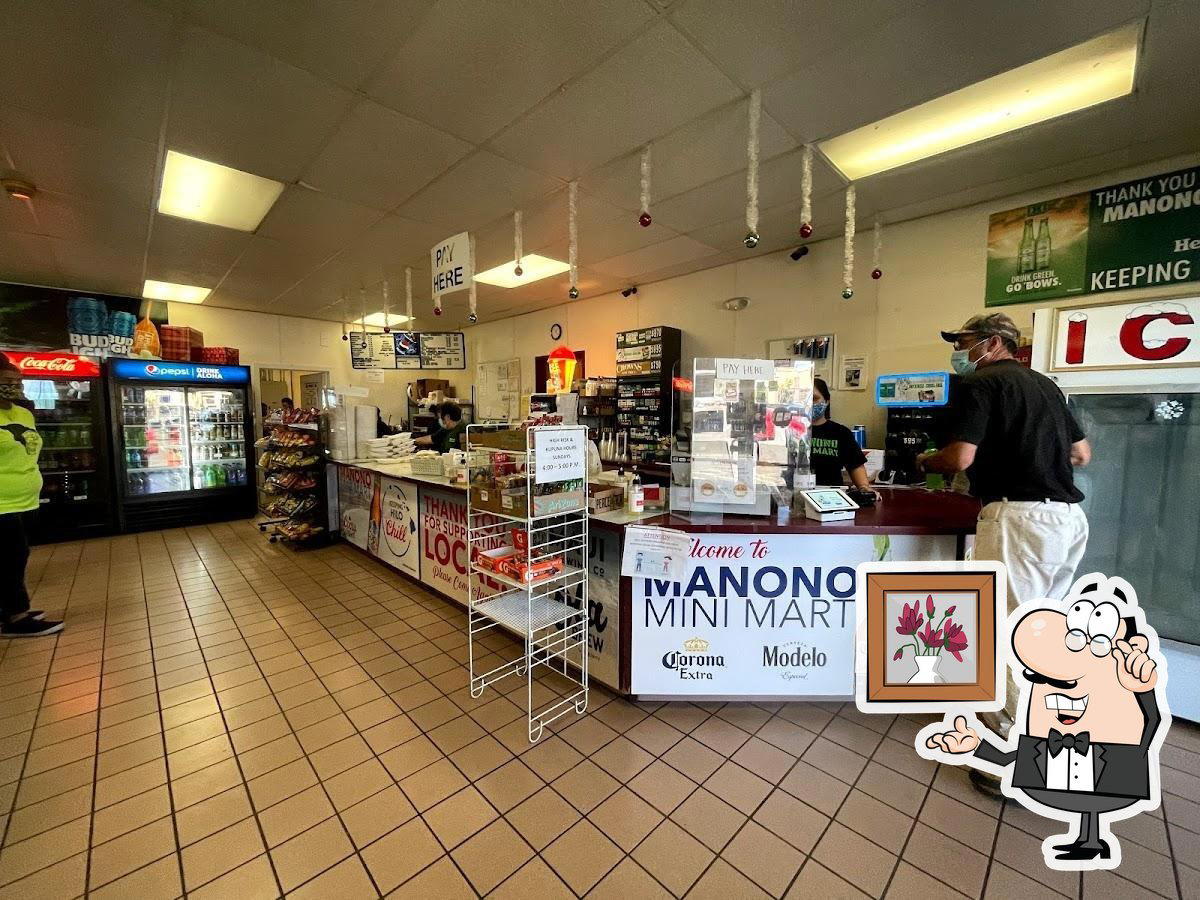
Bars in Big Island
Browse all →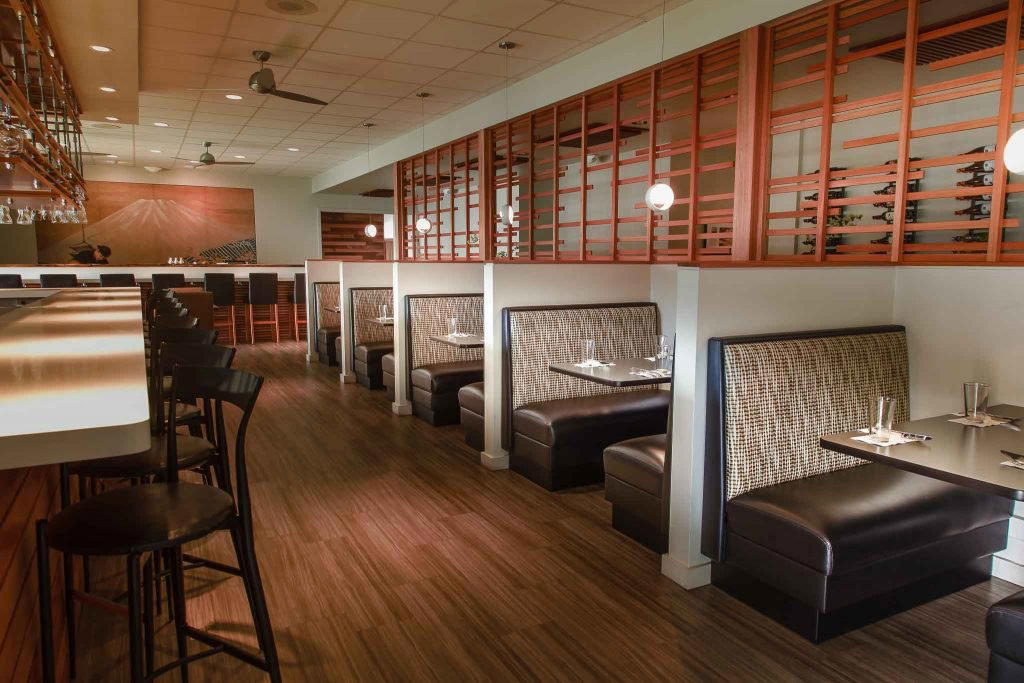
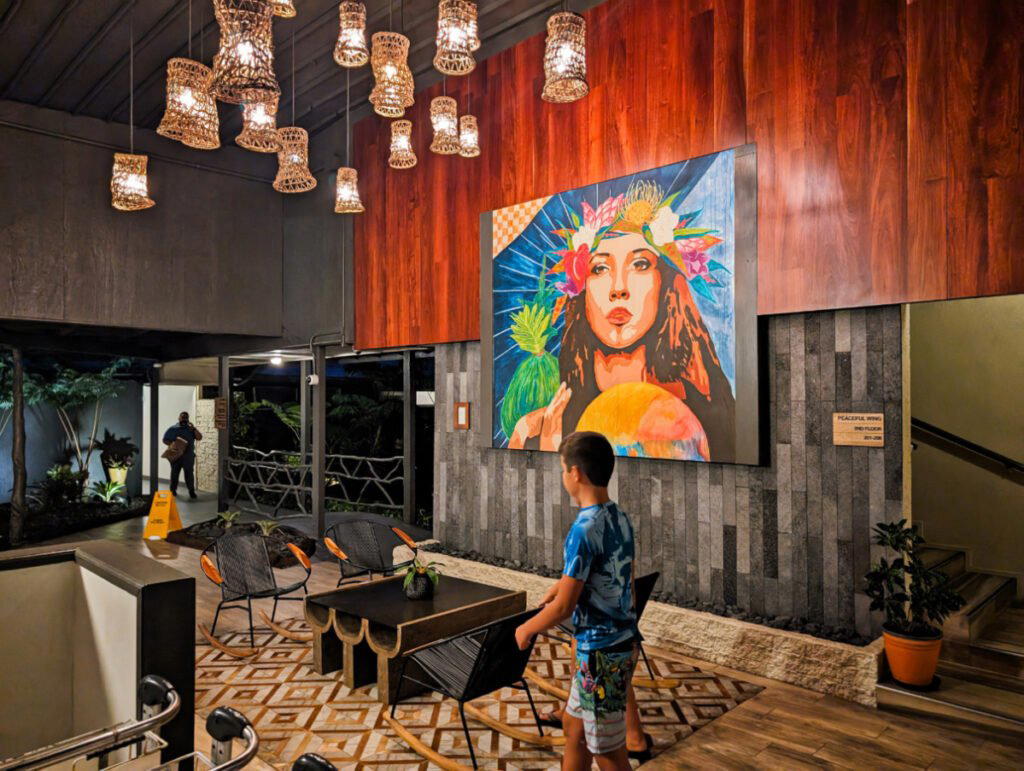
Details
- Cozy
- Casual Hangout
- Standalone
Cozy, bustling local mochi shop with a casual counter-service atmosphere focused on fresh handmade treats.