Cafe 100
Our verdict
Cafe 100 on Kilauea Avenue is one of Hilo's most enduring lunch counters, credited with popularising the loco moco across Hawaii's Big Island. The format is straightforward: plate-lunch tradition served fast, priced for locals, and rooted in the kind of everyday Hawaiian comfort food that predates the island's current farm-to-table moment by several decades.

Pearl is the En Primeur Club membership app, where members save venues, book tables and use the concierge.
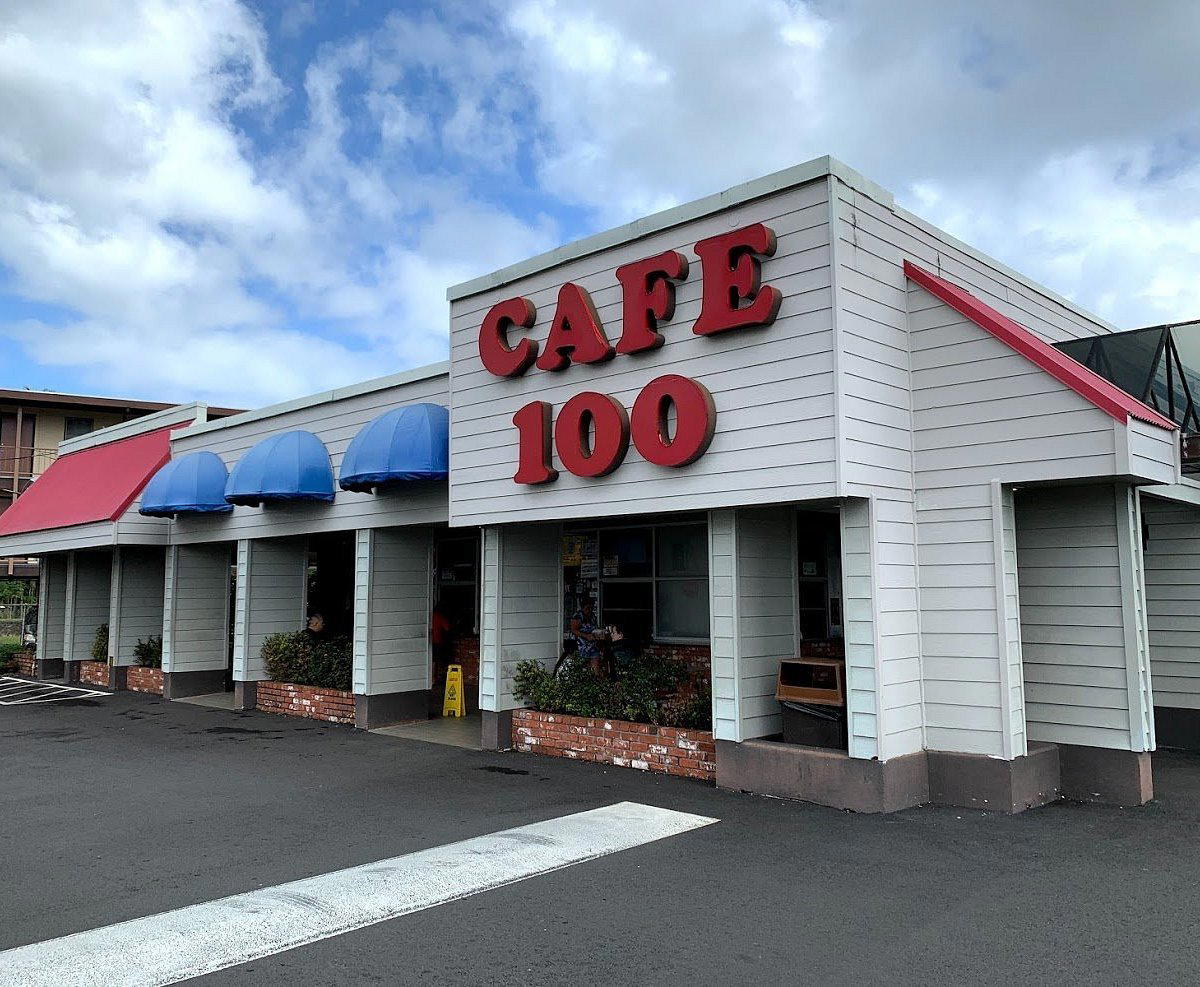
Kilauea Avenue and the Plate-Lunch Tradition
Step onto Kilauea Avenue on a weekday midmorning and the pattern is familiar across East Hawaii: working trucks idling, a line forming before the counter opens, and the smell of gravy cutting through the trade-wind air. Cafe 100, at 969 Kilauea Ave, sits inside that pattern rather than above it. The parking lot fills early not because the address has been discovered by food media, but because this is where a significant portion of Hilo eats lunch. That kind of sustained, unselfconscious patronage tells you more about a place than any award citation.
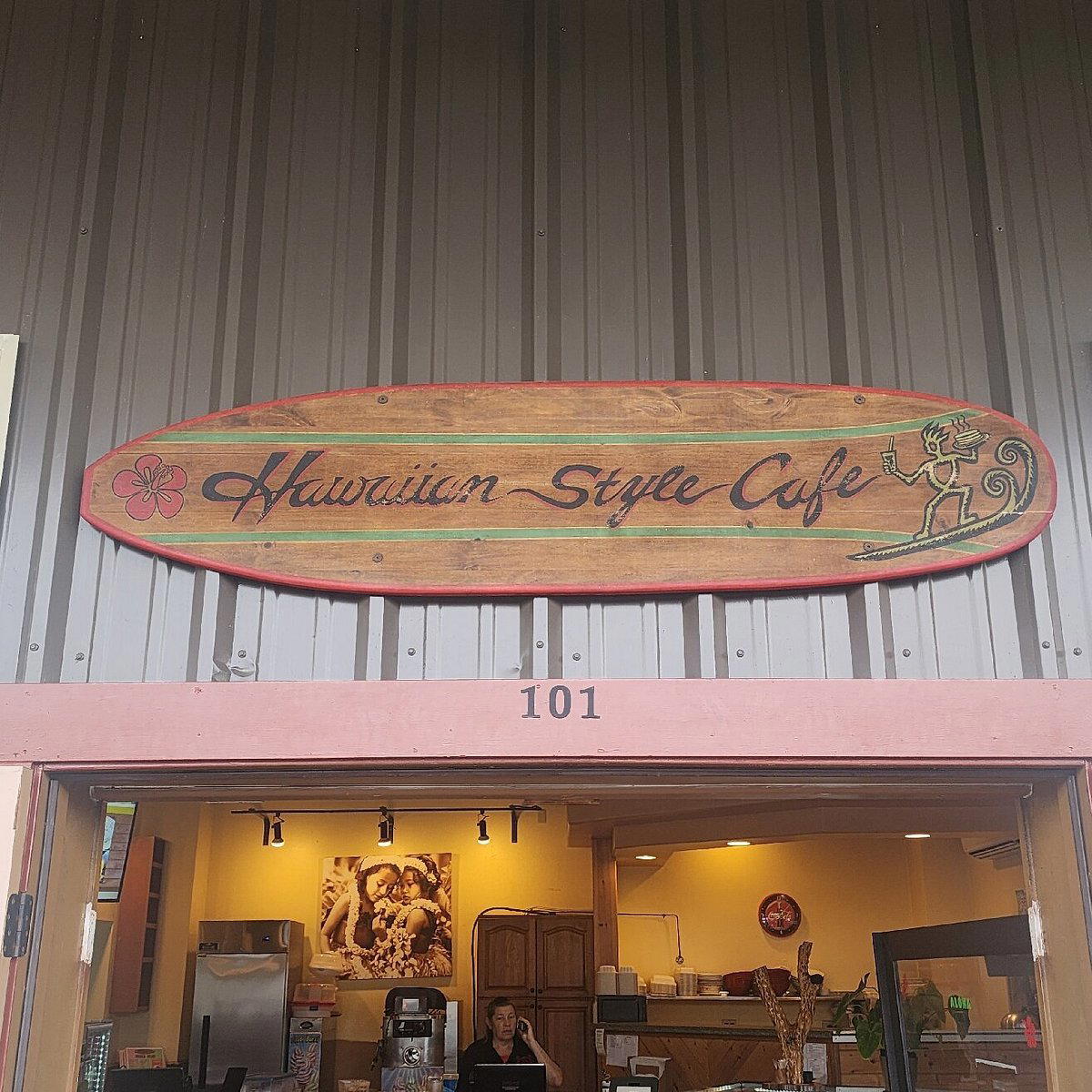
The plate-lunch format that defines this end of Hawaiian dining is worth understanding on its own terms before arriving. It is a working-class synthesis: Japanese bento discipline (portioned rice, protein, pickled vegetable) layered with American diner starch logic (macaroni salad as a near-universal side) and Hawaiian appetite scale. The result is caloric, purposeful, and not designed to photograph well. Venues across Hilo operate inside this format, from Hawaiian Style Cafe Hilo and Ken's House of Pancakes to more contemporary takes at Hilo Bay Cafe. Cafe 100 occupies the original end of that spectrum.
The Loco Moco and Where It Came From
The loco moco is the dish most associated with Cafe 100, and understanding its provenance matters more than any single preparation. The dish, which layers white rice, a hamburger patty, a fried egg, and brown gravy, is widely traced to Hilo in the late 1940s, developed for young athletes who needed a cheap, filling meal. Cafe 100 has been part of that origin story long enough that the connection is now civic as much as culinary. Whether you read that as heritage or habit depends on what you expect from a lunch counter.
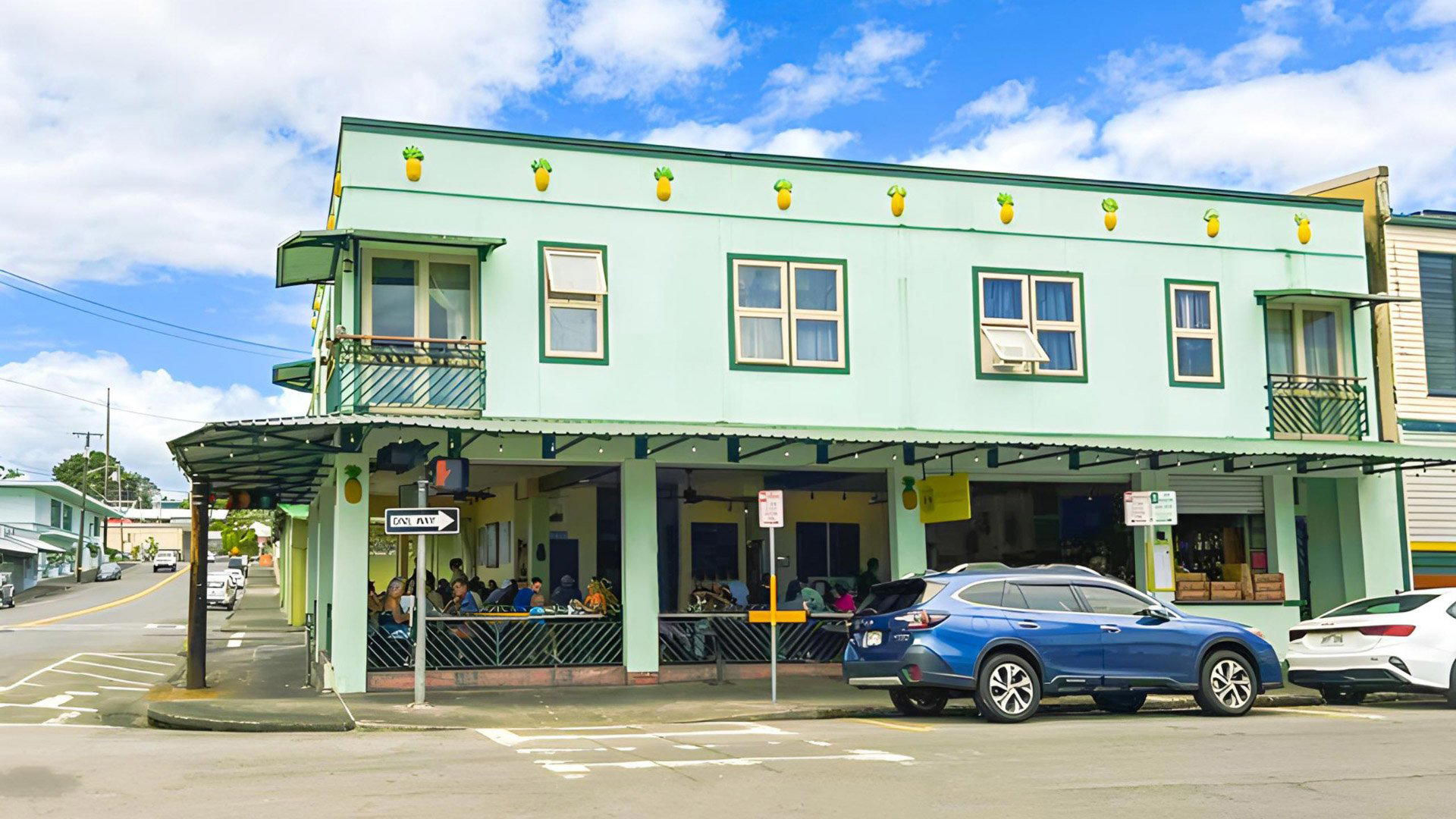
What matters editorially is what this tells us about ingredient sourcing philosophy at this price point and format. Plate-lunch culture in Hawaii was never about provenance labelling. It was about feeding people efficiently with what was available, affordable, and satisfying. The sourcing logic is regional by necessity (local beef, local eggs, short supply chains on an island with limited import infrastructure) rather than by ideological positioning. This stands in direct contrast to the farm-to-table vocabulary that now defines much of the Big Island's food conversation, from Pineapples Island Fresh Cuisine to the produce-forward menus appearing at spots like Hilo Bay Cafe. Both traditions are present in Hilo simultaneously; they serve different purposes and different budgets.
To place this in national context: the sourcing-as-identity model that animates restaurants like Blue Hill at Stone Barns in Tarrytown or Single Thread Farm in Healdsburg is a recent and expensive phenomenon. Cafe 100 represents the earlier logic: ingredients sourced close because distance was not practical, preparation kept simple because volume and speed were the operational constraints. Neither is more authentic; they answer different questions about what food is for.
Hilo's Dining Range and Where Cafe 100 Sits
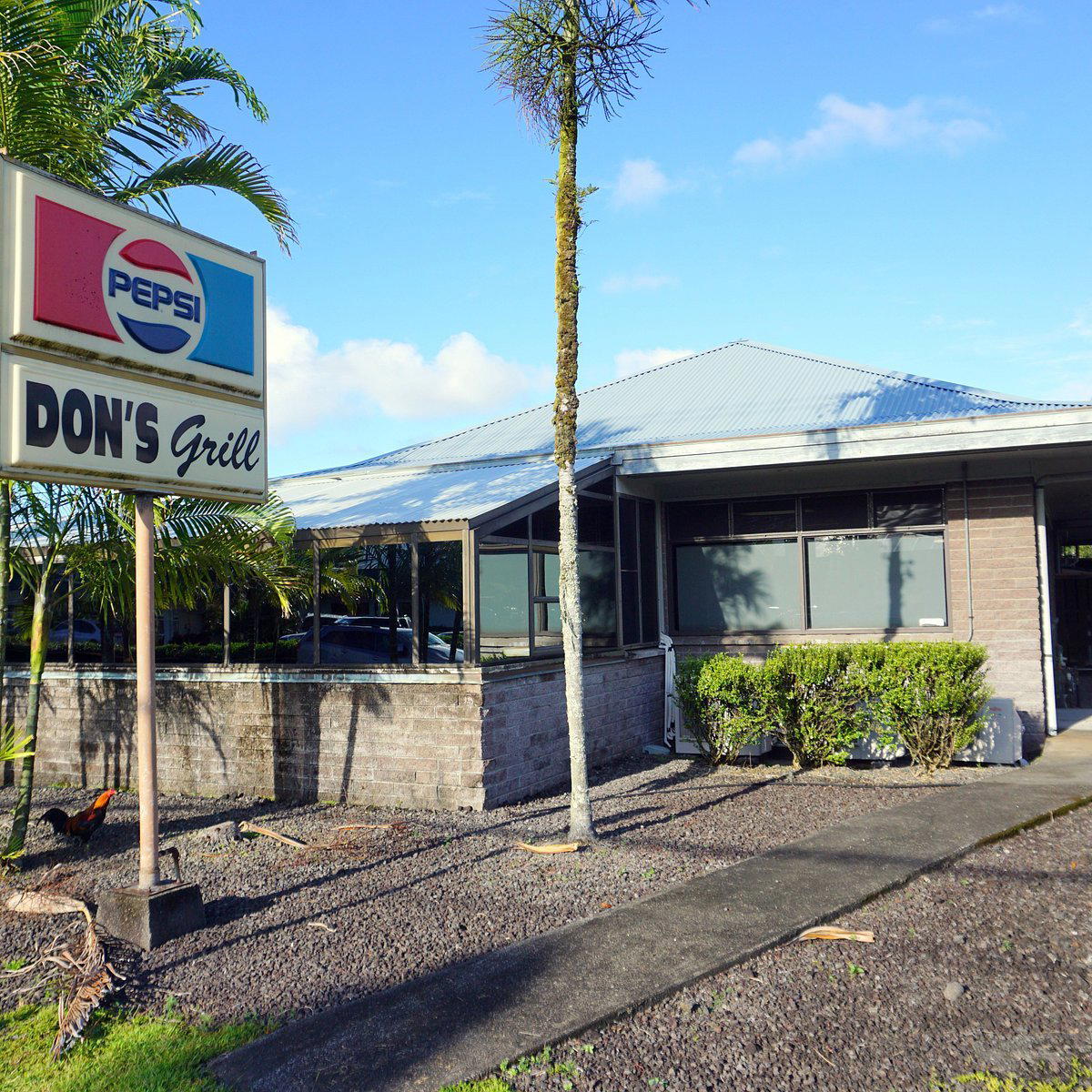
Hilo's restaurant range is wider than visitors from the Kohala Coast resort corridor often expect. The east side of the Big Island runs from plate-lunch counters and Japanese-influenced diners through to polished waterfront dining at Cafe Pesto and the locally sourced seafood at Don's Grill. Cafe 100 anchors the accessible, volume-driven end of that range. It is not competing with the kind of ingredient-first ambition you find at Smyth in Chicago or Providence in Los Angeles; it is operating inside a completely different logic of hospitality, one where price accessibility and throughput are the primary design constraints.
That distinction is worth holding. Visitors accustomed to the reservation-driven, tasting-menu world of places like Le Bernardin in New York City, The French Laundry in Napa, or Atomix in New York City will find Cafe 100 a useful recalibration. The experience is not lesser; it is structured around entirely different values. The same could be said of the contrast between Addison in San Diego and a Tijuana taquero, or between The Inn at Little Washington and a Virginia roadside diner. Scale, occasion, and intent are all different. Hilo's plate-lunch tradition deserves to be read on those terms.
Planning Your Visit
Cafe 100 is a counter-service, walk-up operation at 969 Kilauea Ave in Hilo. No reservation is required or available; the format is queue-based, and the practical advice is to arrive early during peak lunch hours to avoid the longest waits. The address sits along one of Hilo's main arterials, accessible by car with on-site parking, and within reasonable distance of the city's downtown corridor if you are combining a visit with the farmers market or the waterfront. For a fuller map of where Cafe 100 sits relative to Hilo's wider dining options, the EP Club Hilo restaurants guide covers the range from plate-lunch to white-tablecloth.
Frequently asked questions
Where do I go for Cafe 100?
Cafe 100 is located at 969 Kilauea Ave, Hilo, HI 96720, Hilo.
Is Cafe 100 one of the original loco moco spots in Hilo?
Cafe 100 in Hilo is among the establishments most directly associated with the loco moco's origins in East Hawaii, where the dish developed in the mid-20th century as an affordable, filling option for local communities. Its address on Kilauea Ave has served as a reference point for the dish long enough that the connection between Cafe 100 and loco moco history is documented in regional food writing on Hawaii's Big Island.
What's the signature dish at Cafe 100?
The loco moco is the dish most visitors come specifically to order at Cafe 100. The format, rice, hamburger patty, fried egg, and brown gravy, was established in Hilo and Cafe 100 has been one of its primary reference points on the island. Multiple variations appear on the menu, from standard to more loaded builds.
Is Cafe 100 reservation-only?
No. Cafe 100 at 969 Kilauea Ave in Hilo operates as a walk-up, queue-based counter. There is no reservation system and no table booking. The line moves, but popular hours, particularly midday on weekdays, draw working locals and visitors alike, so expect a wait during peak times.
What's Cafe 100 best at?
Cafe 100 holds its ground most clearly in the plate-lunch format: high-volume, counter-service Hawaiian comfort food anchored by the loco moco. Within Hilo's dining range, which runs from resort-adjacent fine dining to neighbourhood staples, Cafe 100 represents the working-local end of the spectrum, and that consistency is the point.
Fast Comparison
Comparable venues nearby, for context on price, style, and recognition.
| Venue | Cuisine | Price | Awards | Notes |
|---|---|---|---|---|
| Cafe 100This venue (the venue you are viewing) | Hawaiian Plate Lunches & Loco Moco | $10–20 | Not listed | Not listed |
| Pineapples Island Fresh Cuisine | Island-Inspired Fresh Cuisine with Local Seafood | $20–30 | Not listed | Downtown Hilo |
| Hawaiian Style Cafe Hilo | Hawaiian Comfort Food | $10–20 | Not listed | Manono |
| Cafe Pesto | Hawaii Regional Italian Pizza | $20–30 | Diners, Drive-Ins and Dives Featured Restaurant | Hilo Bay |
| Lava Rock Cafe | Hawaiian Fusion Cafe | $20–30 | Not listed | Volcano Village |
| King's Vietnamese Cuisine | Vietnamese Comfort Food | $10–20 | Not listed | Hilo |
Continue exploring
More in Hilo
Restaurants in Hilo
All restaurants in Hilo →
Bars in Hilo
Browse all →
Details
- Cozy
- Rustic
- Classic
- Family
- Casual Hangout
- Brunch
- Standalone
- A La Carte
- Vegetarian Friendly
Current opening hours
- Monday
- 11 AM–6 PM
- Tuesday
- 11 AM–6 PM
- Wednesday
- 11 AM–6 PM
- Thursday
- 11 AM–6 PM
- Friday
- 11 AM–6 PM
- Saturday
- Closed
- Sunday
- 10 AM–3 PM
Hours can change for holidays and private events. Last verified .
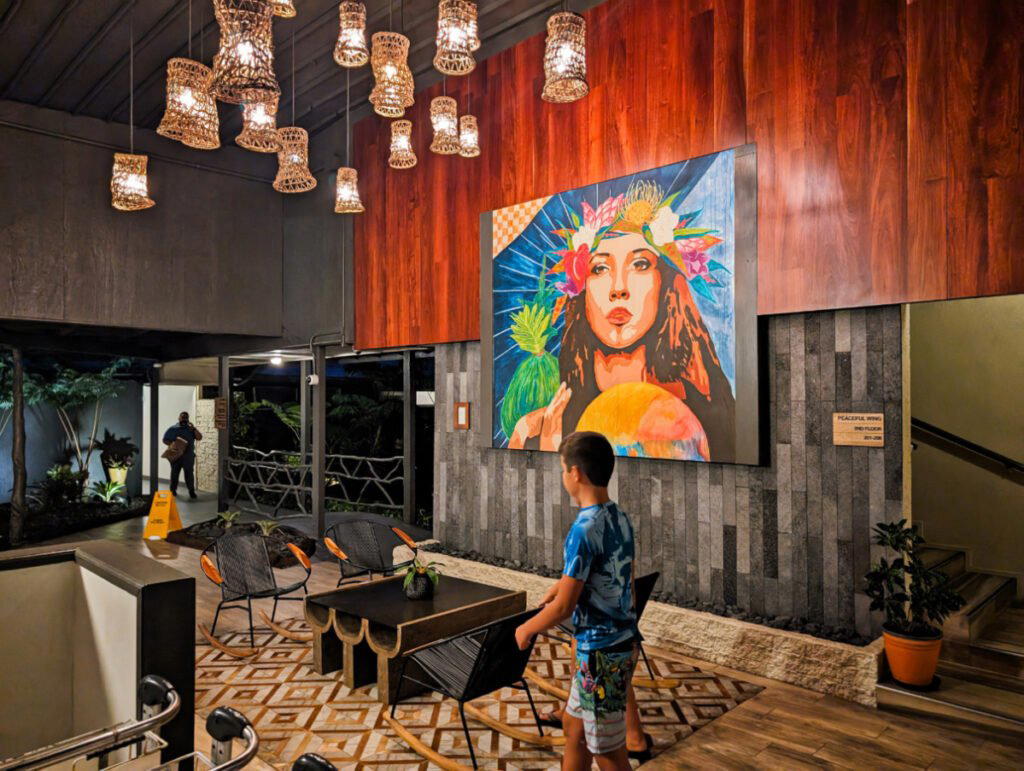
No-frills, casual counter-service spot with a comforting, homey atmosphere focused on generous portions of local comfort food.