Basik Acai
Our verdict
On the Big Island, açaí culture has developed its own identity, shaped by proximity to Pacific agriculture and a population that treats the bowl as a daily staple rather than a trend. Basik Acai sits within that tradition, offering a format built around ingredient sourcing in a part of Hawaiʻi where what grows nearby matters considerably to what ends up in the bowl.

Pearl is the En Primeur Club membership app, where members save venues, book tables and use the concierge.
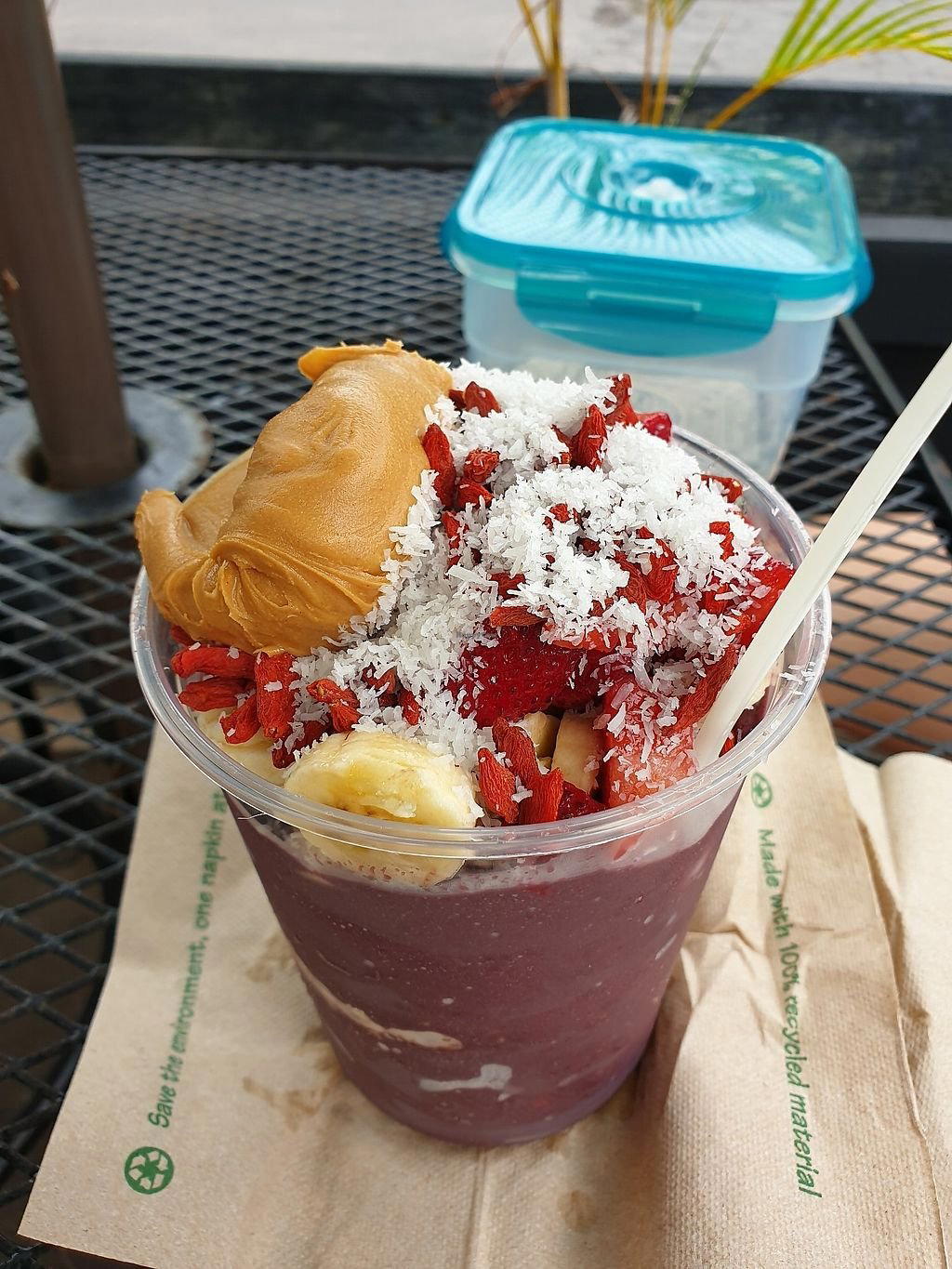
The menu
What to order
- Big Island Bowl
- Islander
Açaí on the Big Island: A Sourcing Story
The açaí bowl is one of the more interesting cases of ingredient migration in American food culture. The berry itself originates in the Amazon basin, freeze-dried and shipped to wholesale distributors across the United States, yet in Hawaiʻi it has found a second home that feels less like transplantation and more like integration. The Big Island's agricultural diversity, from its coffee belt in Kona to the tropical fruit farms of the Hamakua Coast, creates a supply chain that most açaí-focused operations in the continental U.S. simply cannot access. Bananas, papayas, lilikoi, macadamia nuts, and locally sourced honey all grow within the island's reach, and the leading bowl formats on the island use that proximity deliberately. Basik Acai operates in that context, as part of a wider Big Island food culture that takes sourcing seriously even in quick-service formats.
What the Bowl Format Reveals About a Place
There is a useful distinction to draw between açaí bowls as they exist in mainland health food chains and açaí bowls as they function in Hawaiʻi. On the mainland, the format is primarily aspirational, a photogenic vehicle for granola and frozen fruit that signals a particular lifestyle. In Hawaiʻi, and especially on the Big Island, the bowl occupies a different social register. It is eaten by surfers after early sessions, by local families as a routine breakfast, and by agricultural workers who spend mornings outdoors. The toppings that appear most often reflect the island's actual produce rather than a curated pantry of imported superfoods. Fresh coconut, local honey, and seasonal tropical fruits are not garnishes here, they are the point. Venues like Basik Acai exist within that more grounded tradition, where the ingredient list functions as a kind of informal map of what the island currently grows and harvests.
For additional perspective on the Big Island's broader dining scene, the our full Big Island restaurants guide covers the range from casual to formal across the island's distinct communities. Elsewhere on the island, Scandinavian Shave Ice demonstrates a similarly ingredient-focused approach to another Hawaiian frozen format, while Two Ladies Kitchen represents the kind of local institution built on consistent craft rather than trend cycles.
Sourcing as Editorial Statement
Across American restaurant culture at its highest tier, ingredient sourcing has become an explicit part of the identity. Blue Hill at Stone Barns in Tarrytown built its entire program around a working farm. Single Thread Farm in Healdsburg positions its Sonoma agricultural roots as central to the dining proposition. Brutø in Denver and Bacchanalia in Atlanta each frame their menus around what regional producers make available seasonally. At the fine dining tier, venues like Le Bernardin in New York City, The French Laundry in Napa, and Providence in Los Angeles treat sourcing credentials as foundational to their authority. What is notable about the Big Island is that this same logic applies even at the casual end of the spectrum. A well-sourced açaí bowl in Hawaiʻi carries a version of the same argument: what grows here, and how close it is to the bowl, is what matters.
That argument carries different weight on the Big Island than it does almost anywhere else in the United States. The island's volcanic soil, elevation variation, and rainfall patterns produce agricultural conditions that support an unusual range of crops for a single landmass. Coffee, macadamia, tropical fruit, and honey production all operate at commercial scale. For a format like the açaí bowl, which depends so heavily on its toppings rather than the base alone, that local supply is a meaningful structural advantage.
The Quick-Service Register and What It Demands
Quick-service formats in Hawaiʻi operate under a set of expectations that differ from those on the mainland. Portions tend to be substantial. Freshness is assumed rather than marketed. And the regulars, who return multiple times per week in many cases, develop strong opinions about consistency. This is not the casual tourist economy that defines many beach-town food businesses; it is a local economy shaped by daily habits. Venues that survive in that environment do so because they deliver reliably, not because they are new or photogenic.
The açaí bowl category on the Big Island also exists alongside shave ice, poke, and plate lunch as one of the island's standard-issue casual formats. Each has its own sourcing logic and its own hierarchy of quality signals. Within the açaí category specifically, the signals that regulars attend to are the freshness and origin of fruit toppings, the texture of the açaí base, and the quality of granola and nut components. Locally sourced macadamia nuts, for instance, represent a meaningful quality differentiator in a way that would not apply on the mainland, where macadamia is an import by definition.
Planning Your Visit
Specific operating hours, address details, and booking logistics for Basik Acai are best confirmed directly, as this information is not currently listed in publicly maintained databases. As with most quick-service açaí operations on the Big Island, no advance reservation is typically required, and visits tend to be walk-in. Morning hours, when açaí bowls align with the post-surf and pre-work window, are generally the period of highest demand at comparable venues across the island. For broader logistical planning on the Big Island, the our full Big Island restaurants guide provides neighbourhood-level detail that helps anchor individual venue visits within a sensible itinerary.
For readers whose travel extends beyond Hawaiʻi, the sourcing-forward approach visible in the Big Island's casual dining culture finds its formal expression in venues like Addison in San Diego, Lazy Bear in San Francisco, Causa in Washington, D.C., Atomix in New York City, The Inn at Little Washington, Alinea in Chicago, Emeril's in New Orleans, and 8 1/2 Otto e Mezzo Bombana in Hong Kong, all of which treat provenance as a structuring principle, regardless of cuisine type or price tier.
Frequently asked questions
How does Basik Acai fit into the Big Island's local food culture compared to mainland açaí chains?
The Big Island's food culture puts pressure on quick-service venues to source meaningfully, a bowl built on commodity frozen açaí pulp reads differently here than it does in a mainland strip mall. Basik Acai operates in a market where ingredient provenance is part of the conversation, not a premium add-on. That positioning puts it closer to the island's farm-direct food tradition than to the branded health-chain model that dominates elsewhere in the US.
What do regulars order at Basik Acai?
Açaí bowls are the anchor of the menu at this Big Island spot, with regulars gravitating toward builds that lean on locally sourced toppings rather than imported add-ons. The format aligns with Hawaii's quick-service culture, where substantial portions and fresh fruit are baseline expectations, not upgrades. Confirm current topping options directly with the venue.
How far ahead should I plan for Basik Acai?
Basik Acai operates in the quick-service register, which means walk-in is the standard mode on the Big Island. No advance booking is typically required for this format. That said, peak morning hours around local farmers markets or beach-day traffic can create queues, so arriving outside the mid-morning rush is practical.
What's the signature at Basik Acai?
The açaí bowl itself is the throughline, this is a venue built around a single ingredient and what it means in a Hawaii context, not a broad menu. On the Big Island, that means the bowl format carries a sourcing logic that mainland chain versions typically lack. Specific current builds are best confirmed with the venue directly.
Is Basik Acai good for vegetarians?
An açaí-focused quick-service concept on the Big Island is structurally well-suited to plant-based diets, the base ingredient is a fruit, and common toppings in the Hawaii market run toward granola, fresh fruit, and honey rather than animal proteins. Verify the full topping list with the venue to confirm any specific dietary requirements.
Does Basik Acai justify its prices?
Price data for Basik Acai is not listed publicly, so direct comparison is not possible here. What can be said is that açaí bowls in Hawaii's quick-service tier generally reflect the cost of island-sourced ingredients and higher local operating costs relative to the mainland. check the venue's official channels for current pricing.
| Venue | Cuisine | Price | Awards | Notes |
|---|---|---|---|---|
| Basik AcaiThis venue (the venue you are viewing) | Acai Bowls | $10–20 | Not listed | Not listed |
| Le Bernardin | French Seafood Fine Dining | $300–500 | 3 Michelin Stars · World's 50 Best #13 | French, Seafood |
| Atomix | Modern Korean Tasting Menu | $300–500 | 2 Michelin Stars · World's 50 Best #7 | Modern Korean, Korean |
| Lazy Bear | Modern American Tasting Menu | Not listed | 2 Michelin Stars · World's 50 Best #25 | Progressive American, Contemporary |
| Alinea | Avant-Garde Molecular Gastronomy | $300–500 | 2 Michelin Stars · World's 50 Best #37 | Progressive American, Creative |
| Atelier Crenn | Contemporary French Fine Dining | $300–500 | 3 Michelin Stars · World's 50 Best #44 | Modern French, Contemporary |
Continue exploring
More in Big Island
Restaurants in Big Island
All restaurants in Big Island →
Bars in Big Island
Browse all →



Details
- Trendy
- Cozy
- Scenic
- Casual Hangout
- Brunch
- Local Sourcing
- Street Scene
- A La Carte
- Vegetarian Friendly
- Vegan Options
- Gluten Free Options
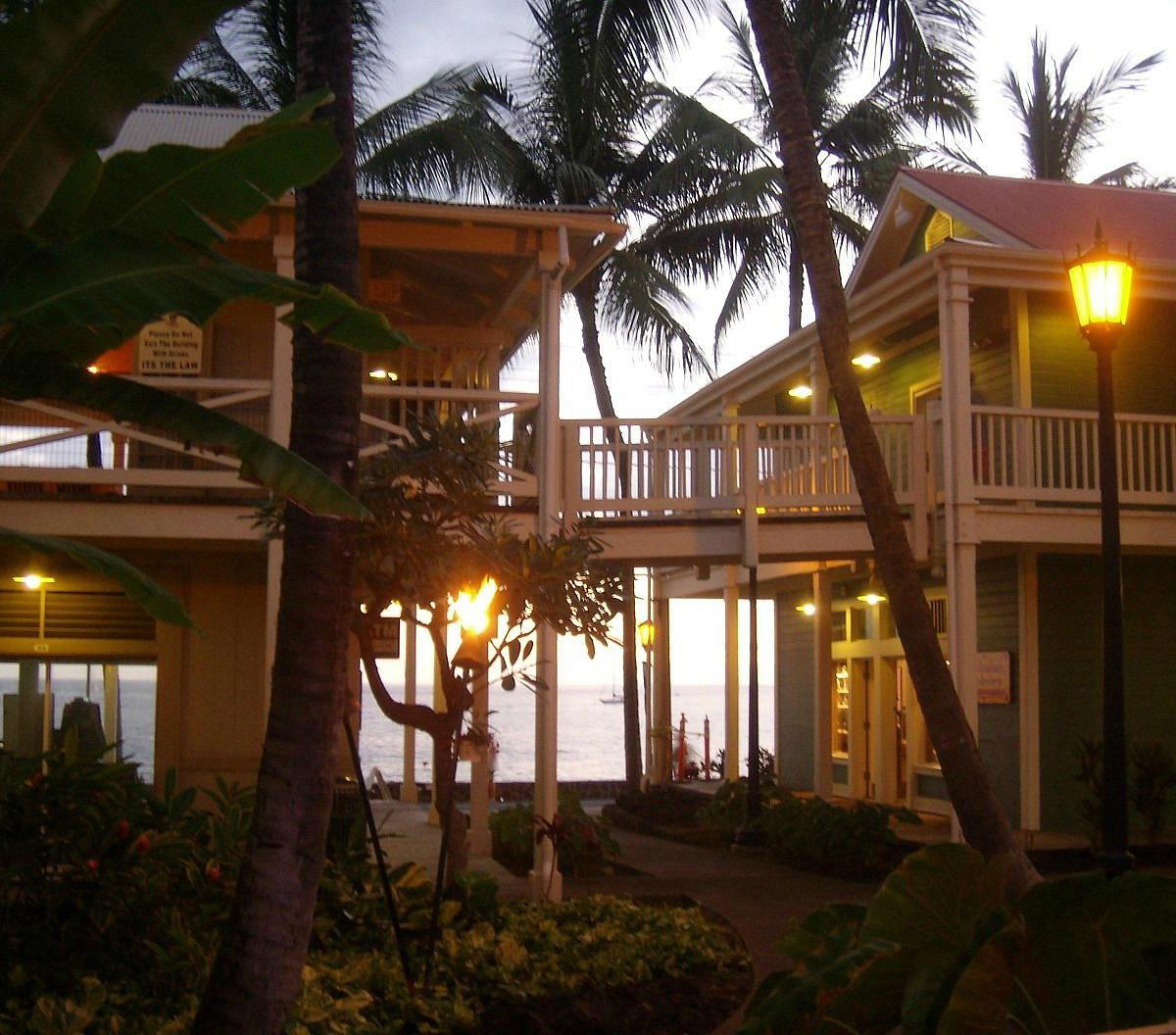
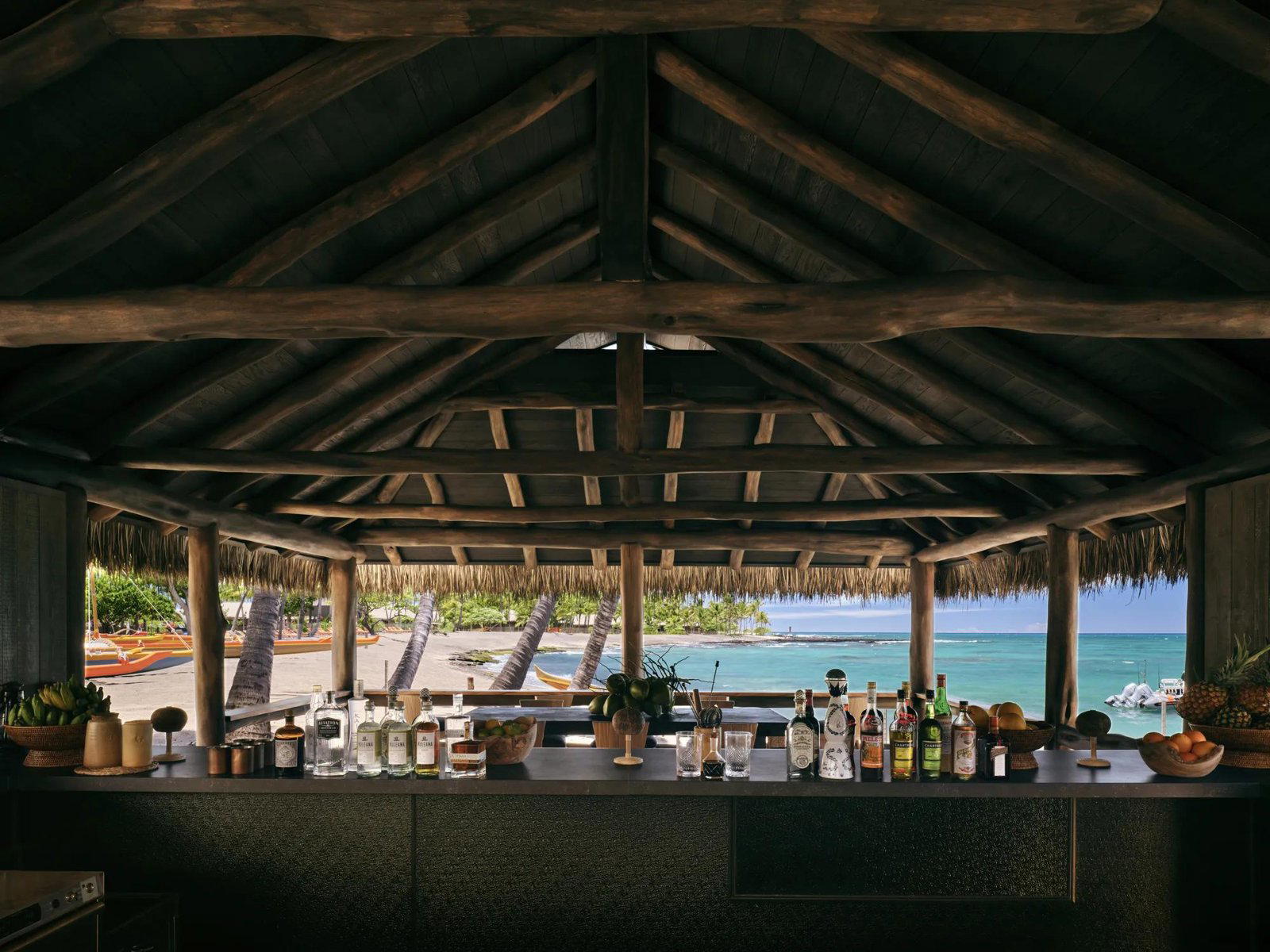
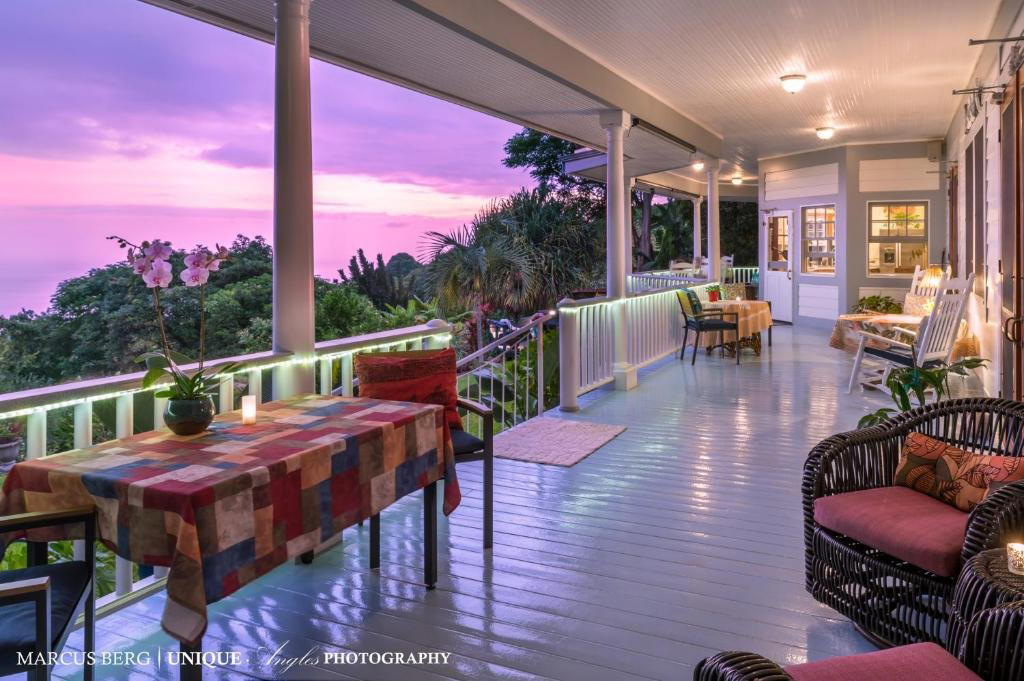
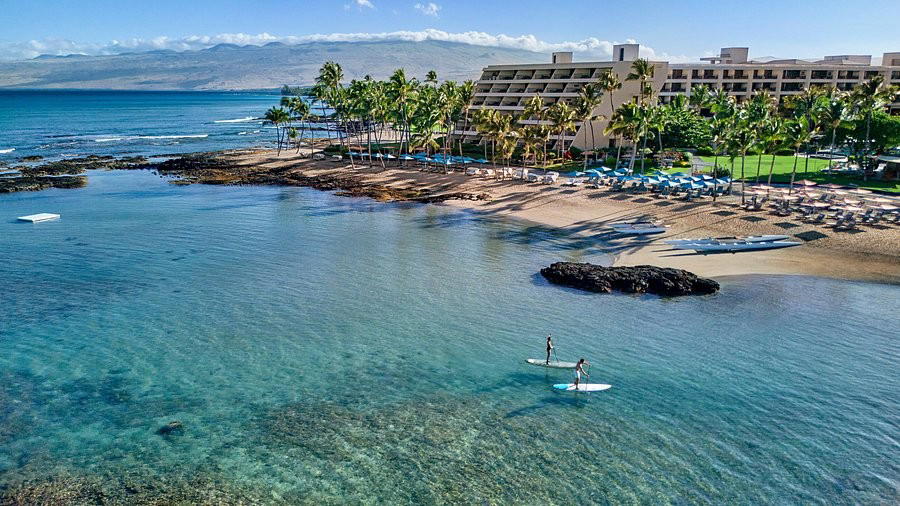
Casual, quaint spot with thatched roof porch, ocean peek, and refreshing healthy vibe.