Tutto Fresco
Tutto Fresco occupies a corner of North Ashland Avenue where Lakeview's neighborhood dining scene has long favored approachable Italian over destination-driven tasting menus. Positioned at a different price point and register than Chicago's downtown fine-dining corridor, it represents the kind of everyday-use trattoria format that sustains a neighborhood's culinary identity well after the flashier openings have cycled through.
Pearl is the En Primeur Club membership app — saves, bookings, and concierge access live there. Same editors, same standards.
- Address
- 2901 N Ashland Ave, Chicago, IL 60657
- Phone
- +17736619009
- Website
- beyondmenu.com
- Directions
- Get directions
 Saves & bookings on Pearl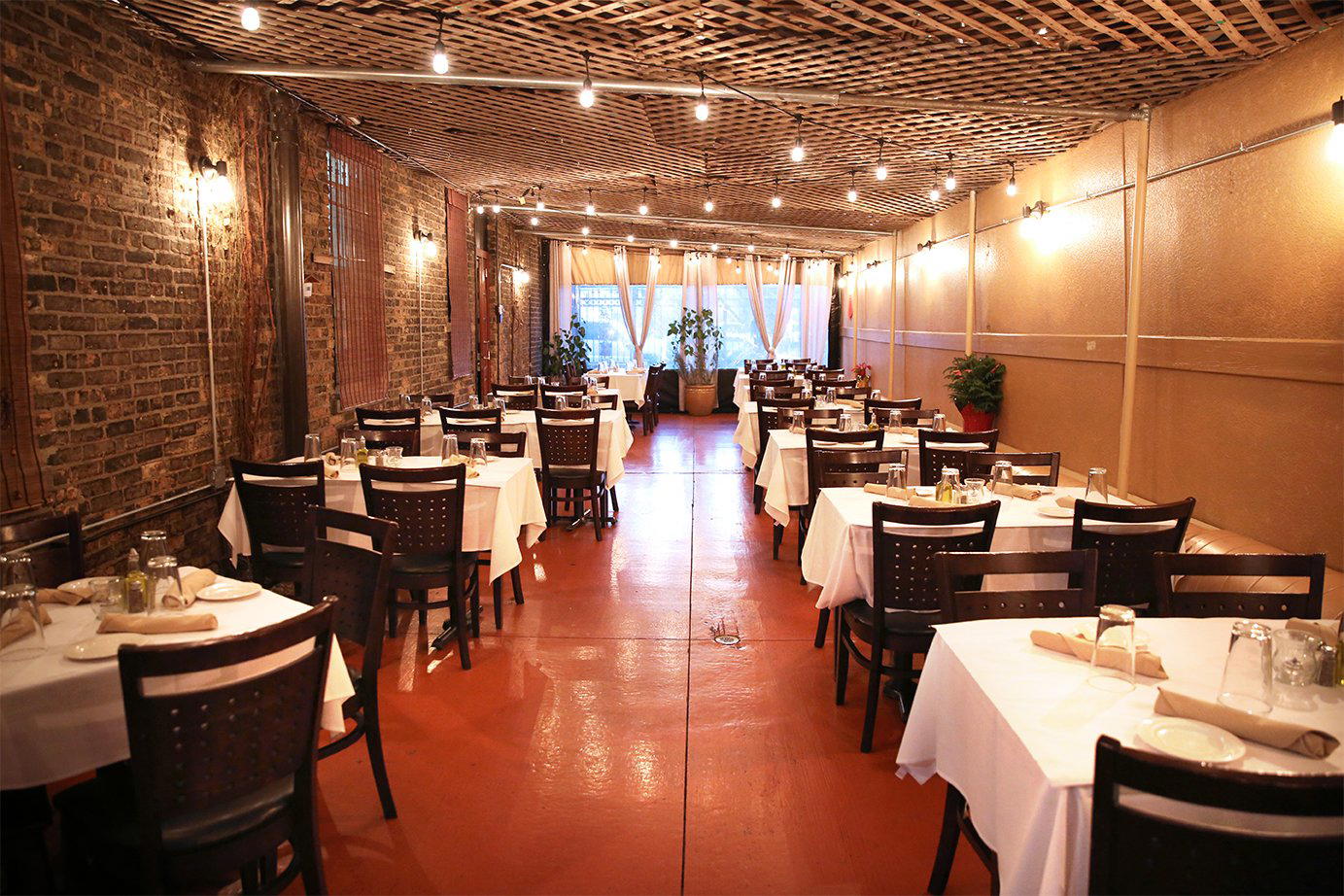
Where Lakeview Eats on a Tuesday
North Ashland Avenue at the 2900 block sits squarely in the zone where Lakeview shades into Roscoe Village, a stretch that has always run more neighborhood-practical than destination-driven. The storefronts here carry hardware stores, coffee counters, and the kind of Italian restaurants where the menu hasn't changed dramatically in years, not from stagnation, but from the logic of serving a clientele that walks from three blocks away. Tutto Fresco at 2901 N Ashland Ave operates inside that tradition, a format that Chicago's broader dining conversation rarely spotlights but consistently relies on.
The physical approach is typical of the corridor: a street-level presence without the architectural signaling of the River North fine-dining cluster or the West Loop's converted-warehouse aesthetic. What that signals, before you've ordered anything, is that the room's priorities are comfort and repetition over occasion-making. Chicago's dining culture has always maintained this dual structure, a prestigious upper tier that produces venues like Alinea, Smyth, and Oriole at one end, and a dense network of neighborhood anchors at the other. Tutto Fresco belongs to the latter category, and understanding it means reading it against that context rather than against the tasting-menu tier.
The Neighborhood Italian Format and How It Has Shifted
The neighborhood Italian restaurant in American cities has gone through several identifiable phases over the past three decades. The red-sauce model of the 1980s gave way, in many markets, to a more self-consciously regional Italian approach through the 1990s and 2000s, as chefs returning from stages in Emilia-Romagna or Campania began insisting on DOP ingredients, hand-rolled pasta, and wine lists that moved past Chianti into Friuli and Campania. By the 2010s, a third wave arrived: the fast-casual Italian format, borrowing from farm-to-table rhetoric and applying it to smaller, cheaper formats with open kitchens and natural wine by the glass.
What's notable about Chicago specifically is that the city sustained all three formats simultaneously rather than cycling cleanly through them. You can still find old-school red-sauce rooms in the neighborhoods, modernist Italian at the fine-dining level (where Next Restaurant has historically riffed on Italian-American periods as one of its rotating concepts), and mid-market trattorias that occupy the space between those poles. Tutto Fresco at this address fits the mid-market register, where the expectation is reliable pasta, a wine list that doesn't require a sommelier, and a room that works for groups without requiring a reservation three weeks out.
That mid-market Italian format has faced genuine pressure over the past decade. The same forces reshaping neighborhood dining in cities like San Francisco, where venues like Lazy Bear consolidated the fine-dining end, or New York, where Le Bernardin and Atomix anchor the upper tier, have pushed the casual middle ground to justify its price-to-experience ratio more explicitly. In Chicago, the emergence of destination-level Filipino cooking at Kasama exemplifies how the city's neighborhood dining can now compete at a different register entirely. The reliable neighborhood Italian has to do something to hold its position: tighten the pasta program, source more carefully, or double down on the atmosphere of a room that feels genuinely local.
Evolution Over Time: The Trattoria That Stays Put
The editorial angle that matters most for a venue like Tutto Fresco is not reinvention in the dramatic sense, the pivot to a new format, the arrival of a decorated chef, the rebrand. It is the quieter, harder evolution of remaining useful to a neighborhood as that neighborhood changes. Lakeview has gentrified significantly since the early 2000s, with median incomes rising and dining expectations shifting upward. The restaurants that survive those transitions without either closing or pricing themselves out of the original customer base are doing something right, even if that something is difficult to quantify from the outside.
For the neighborhood Italian specifically, durability tends to come from a few compounding factors: consistency in the kitchen, a room that accommodates different group sizes without requiring a total rebooking, and a price point that stays below the threshold where diners start comparing the experience to destination meals. Whether the restaurant has made explicit pivots in menu direction or kitchen approach over its time at this address isn't verifiable from available records, but its continued presence in a block that has seen significant commercial turnover is itself a signal worth reading.
Across American cities, the Italian restaurants that have navigated particularly difficult evolution cycles are those that found a specific lane and held it. Bacchanalia in Atlanta moved physically and refined its format, while The Inn at Little Washington built an institution through consistency over decades. The mechanisms differ, but the underlying pattern is the same: durability requires knowing what you are and doing it without wavering under competitive pressure.
Reading Tutto Fresco Against the Broader Italian Scene
Chicago's Italian dining scene is more layered than the city sometimes gets credit for. The fine-dining end is thin but credible. The neighborhood trattoria tier is dense in certain corridors, Lincoln Square and Andersonville have historically carried the heaviest concentration of Italian and Italian-American rooms, and Lakeview sits adjacent to that density without fully belonging to it. The restaurant at 2901 N Ashland Ave is positioned as a neighborhood anchor rather than a destination, which means its competitive set is the two or three other casual Italian options within walking distance, not the West Loop's more ambitious rooms.
For diners making decisions about where to eat on a given night, that positioning matters. If the question is whether this venue sits in the same tier as Providence in Los Angeles, Addison in San Diego, Single Thread Farm in Healdsburg, The French Laundry in Napa, or Blue Hill at Stone Barns, it does not. Those venues operate under a completely different framework of ambition, price, and occasion. The restaurant is asking to be the reliable Tuesday-night Italian, the room that a neighborhood keeps in its rotation for years. That is a different and, in some ways, harder mandate to sustain.
Practically, the address on North Ashland puts the venue within easy reach of the Roscoe Village and Lakeview residential blocks, accessible by the Brown Line at Paulina or Addison, or by car with street parking typical of the corridor.
Compact Comparison
Comparable venues nearby, for context on price, style, and recognition.
| Venue | Cuisine | Price | Notes |
|---|---|---|---|
| Tutto FrescoThis venue — the venue you are viewing | Lakeview, Authentic Italian Trattoria | $$ | Not listed |
| Club Lago | River North, Northern Italian Trattoria | $$ | Not listed |
| Antico | Bucktown, Northern Italian | $$ | Not listed |
| The Rosebud - Taylor | Little Italy, Classic Italian-American | $$ | Not listed |
| Franco's Ristorante | Bridgeport, Classic Italian Trattoria | $$ | Not listed |
| Reno | Not listed | $$ | Logan Square, Wood-Fired Italian Pizza & Bagels |
At a Glance
- Cozy
- Rustic
- Casual Hangout
- Special Occasion
- Brunch
- Open Kitchen
Current opening hours
- Monday
- 5–9 PM
- Tuesday
- Closed
- Wednesday
- 5–9 PM
- Thursday
- 5–9 PM
- Friday
- 5–10 PM
- Saturday
- 11 AM–10 PM
- Sunday
- 11 AM–9 PM
Hours can change for holidays and private events. Last verified .
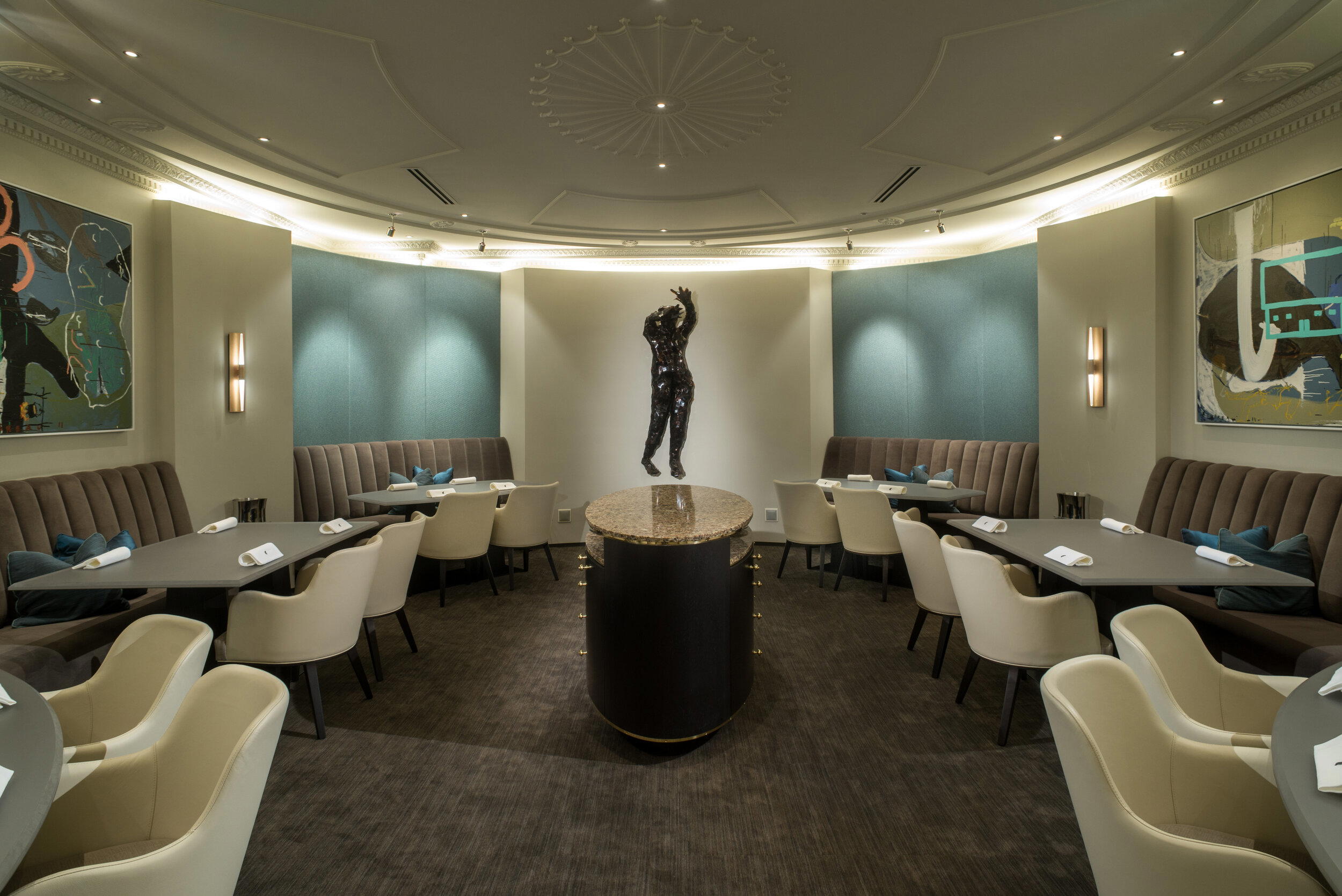
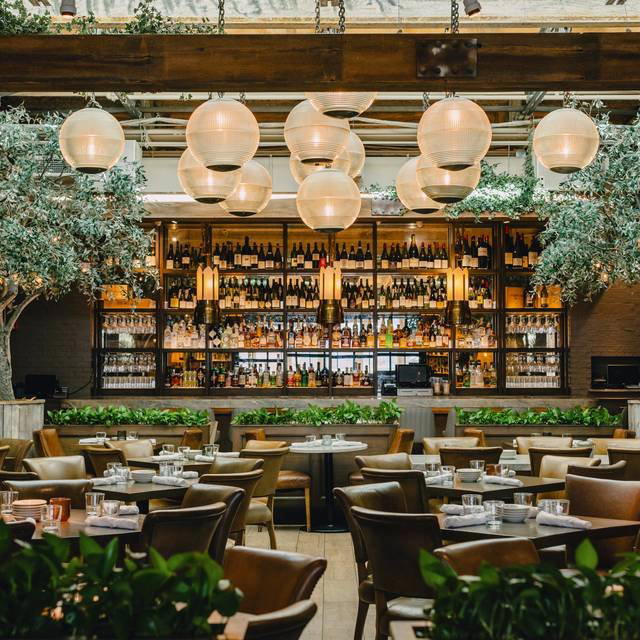
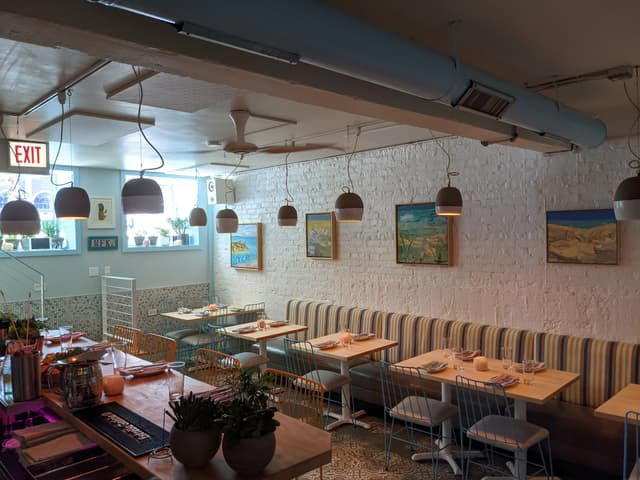
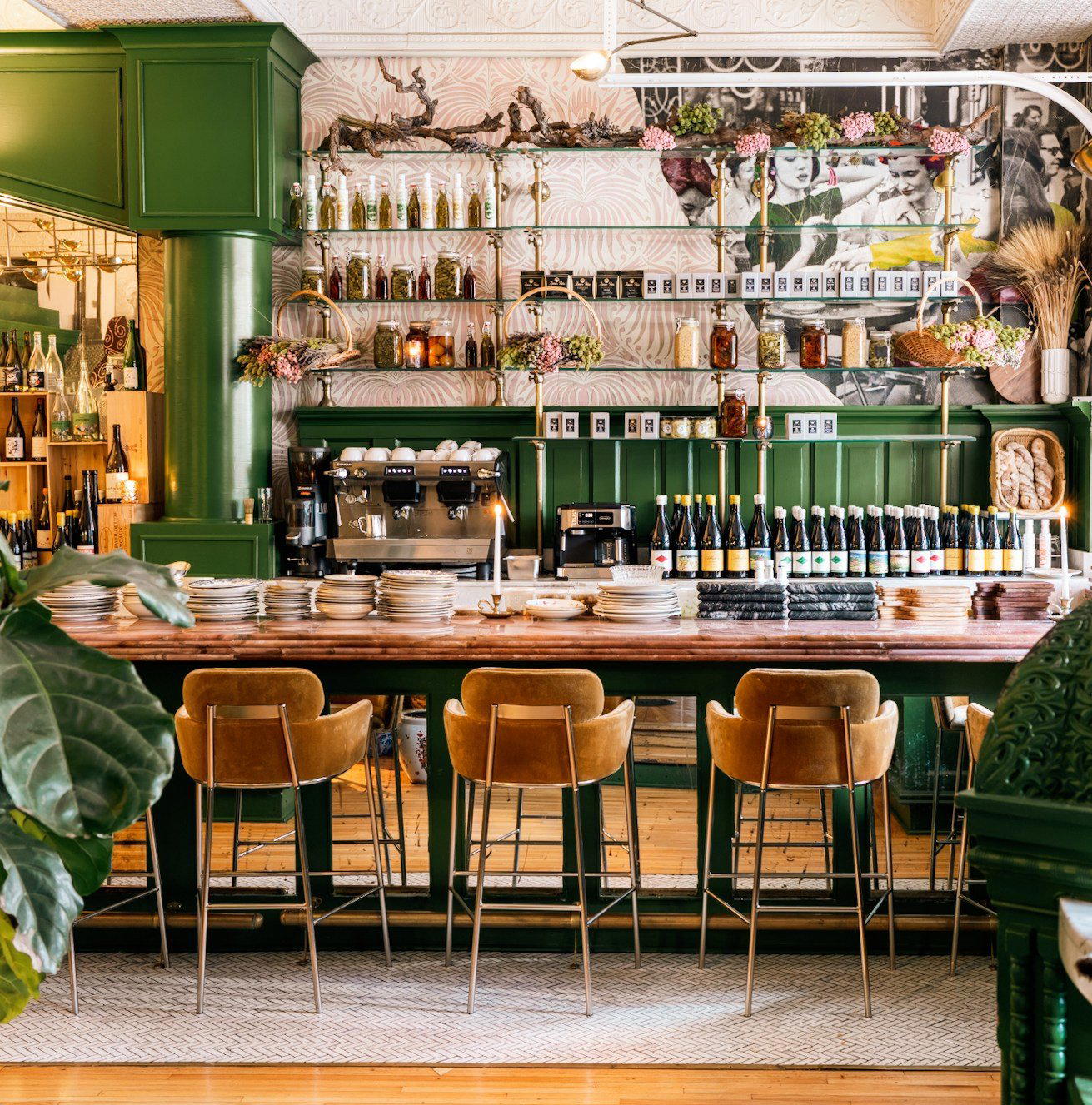
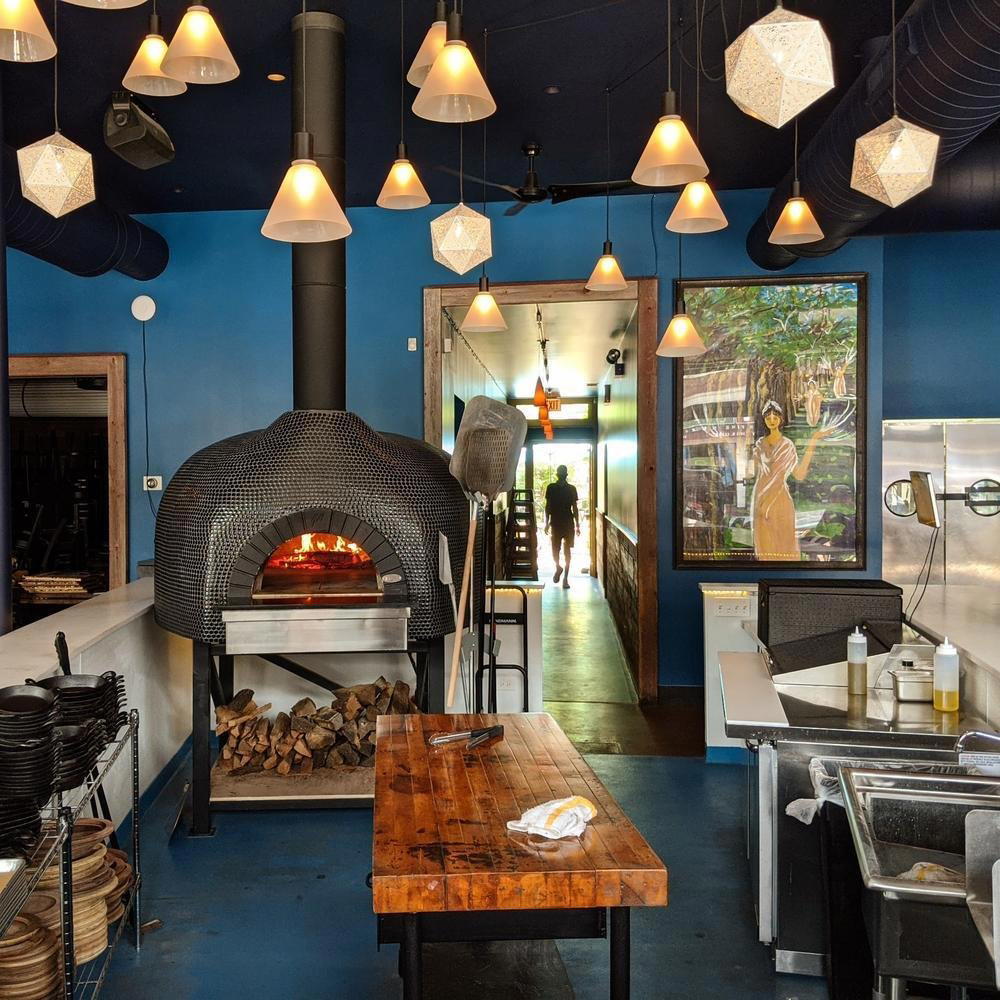
Cozy yet lively atmosphere with great art on the walls, emphasizing a casual Italian dining experience.