Antico
Antico occupies a Bucktown address at 1946 N Leavitt St, sitting within a Chicago neighbourhood where serious independent restaurants have steadily displaced earlier, more casual formats. The dining room draws on the area's appetite for ingredient-led cooking and unhurried meals. For visitors mapping Chicago's broader restaurant geography, Antico represents the kind of neighbourhood anchor that sustains a scene between the downtown flagships.
Pearl is the En Primeur Club membership app — saves, bookings, and concierge access live there. Same editors, same standards.
- Address
- 1946 N Leavitt St, Chicago, IL 60647
- Phone
- +17734894895
- Website
- anticochicago.com
- Directions
- Get directions
 Saves & bookings on Pearl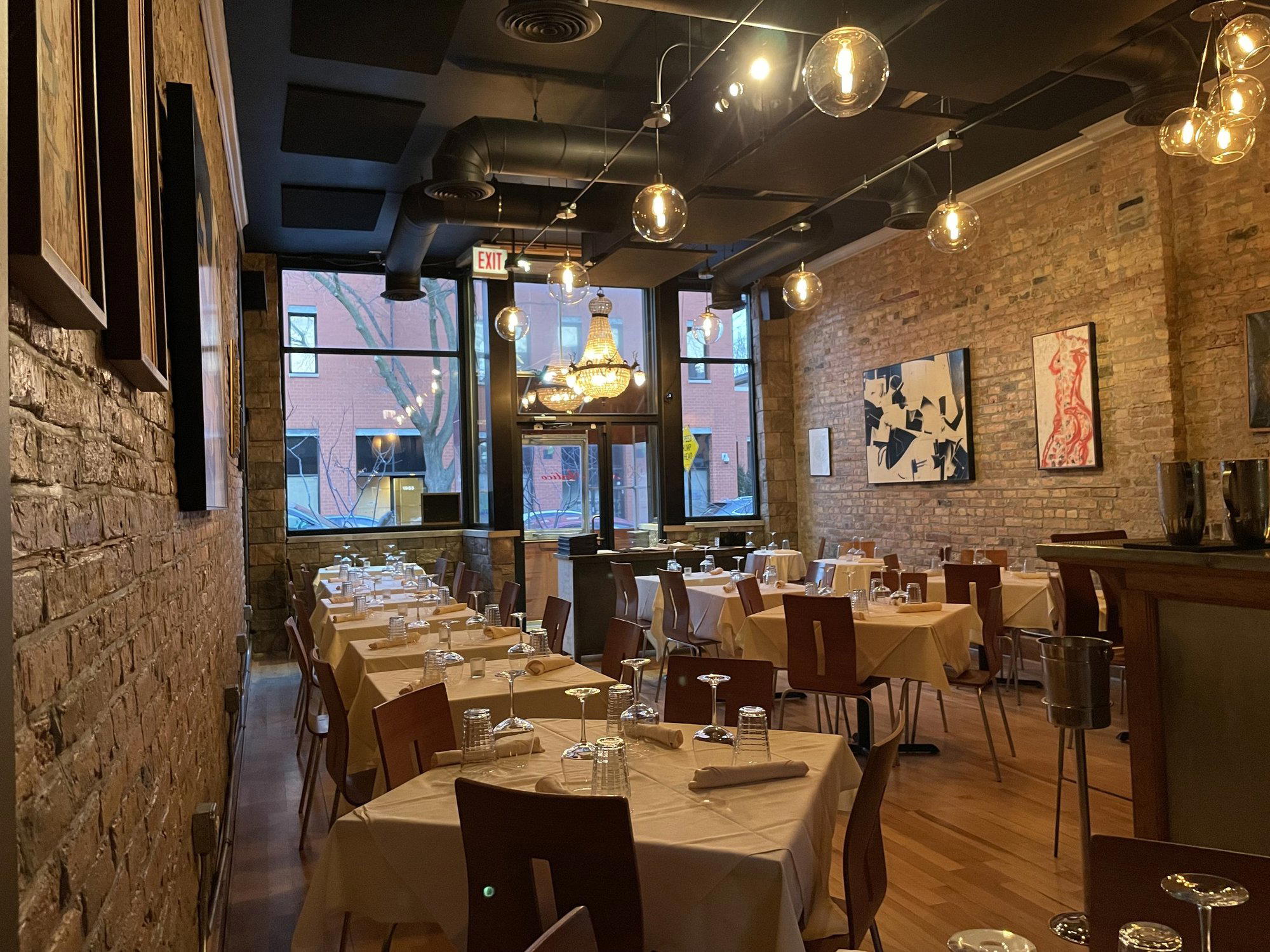
Bucktown and the Grammar of the Chicago Neighbourhood Restaurant
Chicago's restaurant geography has long sorted itself into two distinct registers: the downtown and River North flagships that attract international press, and the neighbourhood establishments that sustain the city's dining culture week to week. Bucktown and its adjacent corridors have spent the past two decades consolidating around the latter model. The stretch of North Leavitt Street where Antico sits at 1946 is representative of that consolidation, a residential block that has accumulated serious independent restaurants without the spectacle or the price pressure of the Loop.
Understanding Antico requires understanding that context first. Chicago diners who cross the river for dinner are not always chasing recognition. Sometimes they are looking for a room that knows what it is, a kitchen that has settled into a point of view, and a neighbourhood that rewards the walk from the Blue Line. Bucktown provides all three, and Antico operates within that framework.
The Cultural Weight of the Name
"Antico" is an Italian adjective meaning old, ancient, or antique, a word that carries specific culinary weight in the American context. Italian-American dining in cities like Chicago has undergone a sustained re-evaluation over the past decade. The red-sauce formats that defined mid-century neighbourhood restaurants have fractured into several distinct camps: the nostalgic revival, the modernist reinterpretation, and the regionalist model that draws directly on specific Italian provinces rather than a generalised American-Italian idiom.
A name like Antico positions a restaurant explicitly in the conversation about what Italian cooking means when it is stripped of American accommodation. Whether the kitchen here pulls from Neapolitan, Roman, Emilian, or Sicilian traditions matters enormously, each carries different produce logic, different pasta shapes, different relationships to protein and acid. That specificity is where Italian restaurants earn or lose credibility with a Chicago dining public that has grown considerably more literate about regional distinctions. Venues like Frasca Food & Wine in Boulder have demonstrated, in a different American city, how deep regional Italian commitment can anchor a restaurant's reputation for years. Antico sits within that conversation about regional Italian cooking in Chicago.
Where Antico Sits in Chicago's Competitive Field
Chicago's upper dining tier includes several well-known rooms. Alinea and Oriole operate at the multi-course tasting menu end of progressive American cooking, while Smyth and Next Restaurant occupy adjacent positions with distinct conceptual frameworks. Kasama has brought Filipino-American cooking into the city's most-recognised tier. These are the rooms that generate the critical attention.
Antico's position at 1946 N Leavitt in Bucktown places it in a different but not lesser tier. The neighbourhood restaurant that functions at a high level without chasing recognition is structurally important to any city's dining ecosystem. It absorbs the regulars who would otherwise crowd the downtown rooms, and it tests cooking against the harder audience: the locals who return every few weeks rather than the tourists who visit once. That is a more demanding relationship, and the restaurants that survive it tend to be the ones with genuine conviction in their kitchens.
For comparison across American cities, the model has clear precedents. Lazy Bear in San Francisco began as a supper club format before formalising into a ticketed dinner experience. Emeril's in New Orleans demonstrated how a neighbourhood-rooted restaurant could carry cultural authority over decades. The through-line in each case is a kitchen identity that does not shift with trends.
The Bucktown Dining Environment
North Leavitt Street in the 60647 zip code is a specific kind of Chicago block. It is residential enough that foot traffic is self-selecting: people arrive with intention rather than passing by and walking in. That self-selection shapes the room's energy. The dining public that finds Antico has looked for it, which tends to produce a more focused, less transient evening than a restaurant on a high-traffic dining corridor.
Bucktown has developed its restaurant identity in conversation with neighbouring Wicker Park, which carries more of the city's bar and late-night energy. The restaurants that have settled into Bucktown proper tend toward the quieter, more deliberate end of the dining spectrum. That suits a kitchen whose identity, if the name is taken as a signal, is oriented toward craft and tradition rather than volume or novelty.
For visitors building a Chicago itinerary that extends beyond the downtown Michelin-recognised rooms, the broader EP Club Chicago restaurants guide maps the full geography. Bucktown warrants dedicated attention as a neighbourhood where several evenings' worth of serious eating is now concentrated within walkable distance.
Italian Cooking at the Neighbourhood Scale: The Wider Argument
The strongest Italian neighbourhood restaurants in American cities share a structural logic that is worth articulating. They resist the impulse to justify themselves through tasting menus or chef-table formats. They keep the menu readable. They pour wine by the carafe without apology. They build regulars faster than reputation, and the reputation eventually follows.
This is a different achievement than what happens at formally recognised Italian-American rooms. Le Bernardin in New York City, to draw a contrast from a different cuisine category, operates under the logic of sustained institutional excellence. Providence in Los Angeles holds similar institutional weight in its own market. Blue Hill at Stone Barns in Tarrytown has anchored its identity in farm-to-table provenance at a scale that few restaurants can credibly attempt. These are destination restaurants in the formal sense.
Antico operates in a different economy of attention, one where the measure of success is steady local demand across the week. Restaurants that achieve that kind of temporal consistency across a Chicago winter have done something genuinely hard.
For readers comparing Italian options across American cities, Single Thread Farm in Healdsburg, Addison in San Diego, The French Laundry in Napa, The Inn at Little Washington, and Atomix in New York City each represent a different model of sustained restaurant excellence, none of which maps directly onto what a neighbourhood Italian in Bucktown is attempting. The Atelier Moessmer Norbert Niederkofler in Brunico offers a European reference point for how deeply a kitchen can commit to regional identity when the ambition is focused rather than expansive.
Accolades, Compared
Comparable venues nearby, for context on price, style, and recognition.
| Venue | Cuisine | Price | Notes |
|---|---|---|---|
| AnticoThis venue — the venue you are viewing | Northern Italian | $$ | Not listed |
| Tutto Fresco | Authentic Italian Trattoria | $$ | Lakeview |
| Bacino's | Classic Chicago Deep-Dish Pizza & Italian Comfort Food | $$ | Lincoln Park |
| Gallucci | Neapolitan Pizzeria | $$ | Old Town |
| Nutella Cafe | Nutella Cafe | $$ | Downtown / The Loop |
| Tuscany | Northern Italian Trattoria | $$ | Little Italy |

At a Glance
- Rustic
- Elegant
- Cozy
- Intimate
- Date Night
- Special Occasion
- Open Kitchen
Current opening hours
- Monday
- Closed
- Tuesday
- 5–10 PM
- Wednesday
- 5–10 PM
- Thursday
- 5–10 PM
- Friday
- 5–10 PM
- Saturday
- 5–10 PM
- Sunday
- 5–10 PM
Hours can change for holidays and private events. Last verified .
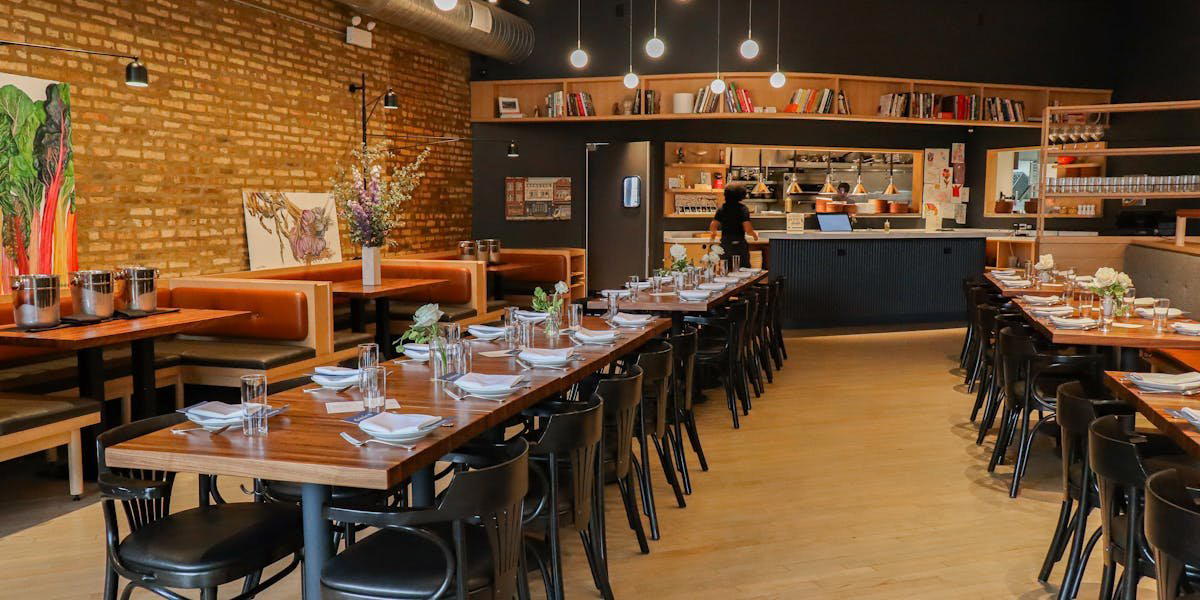
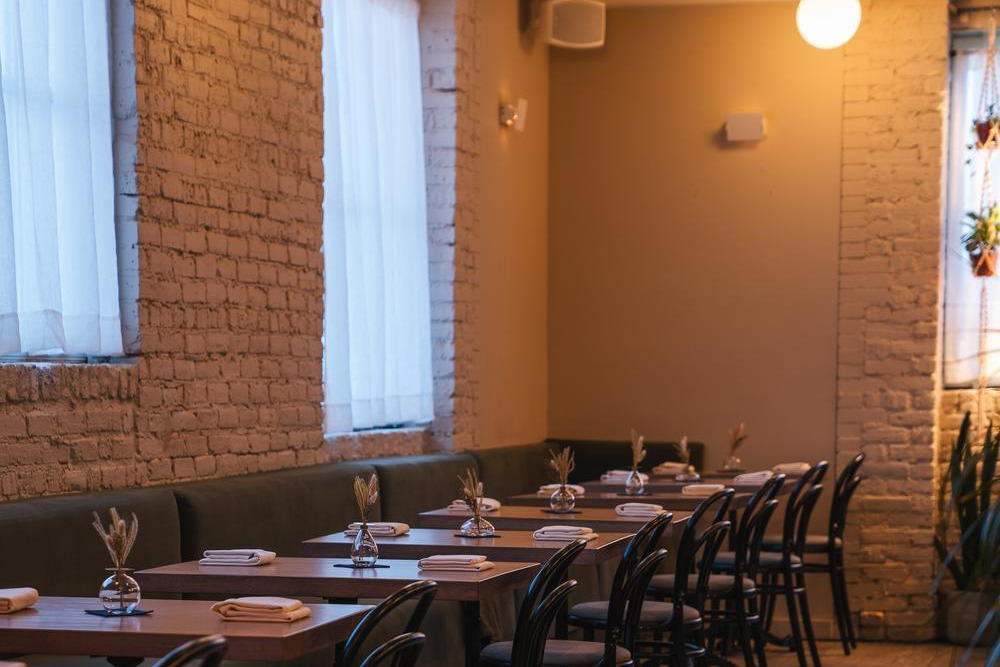
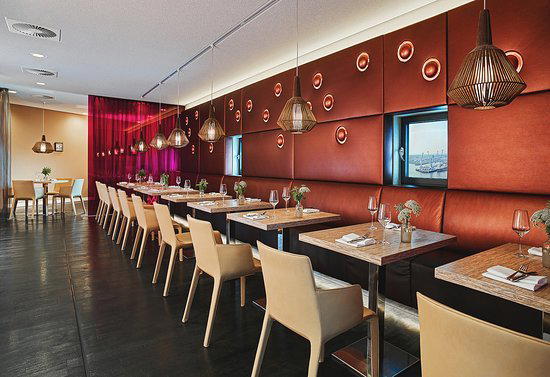
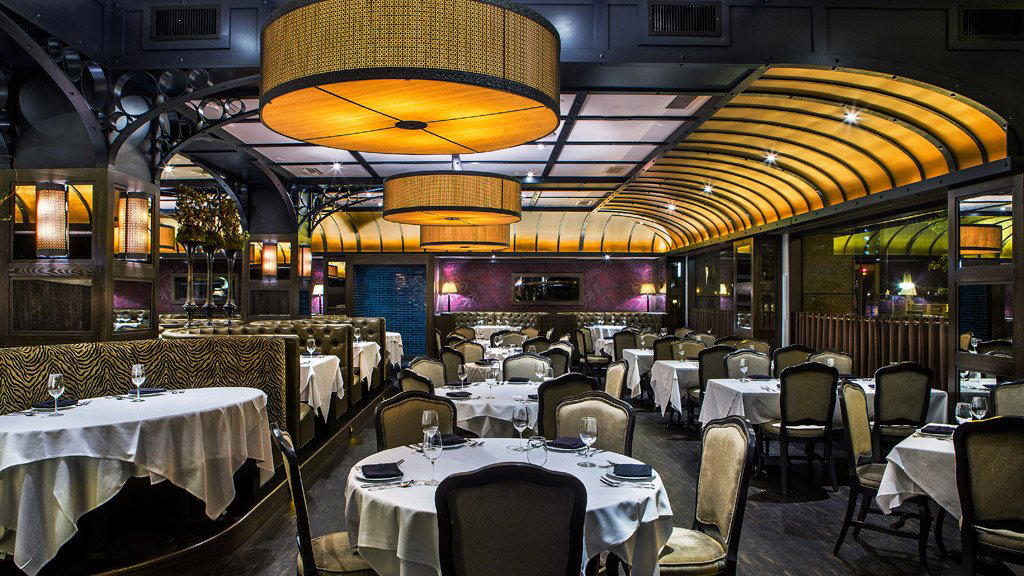
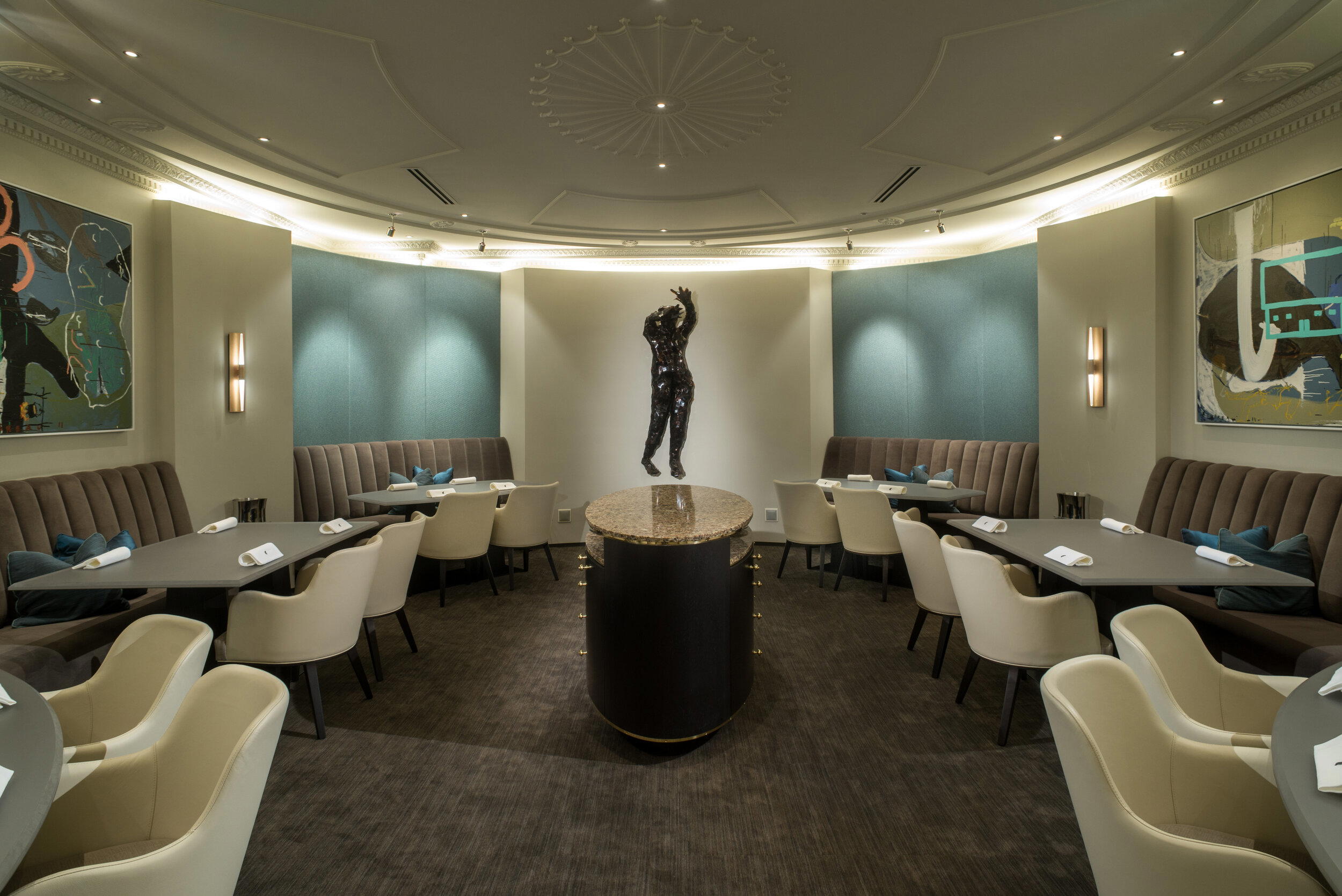
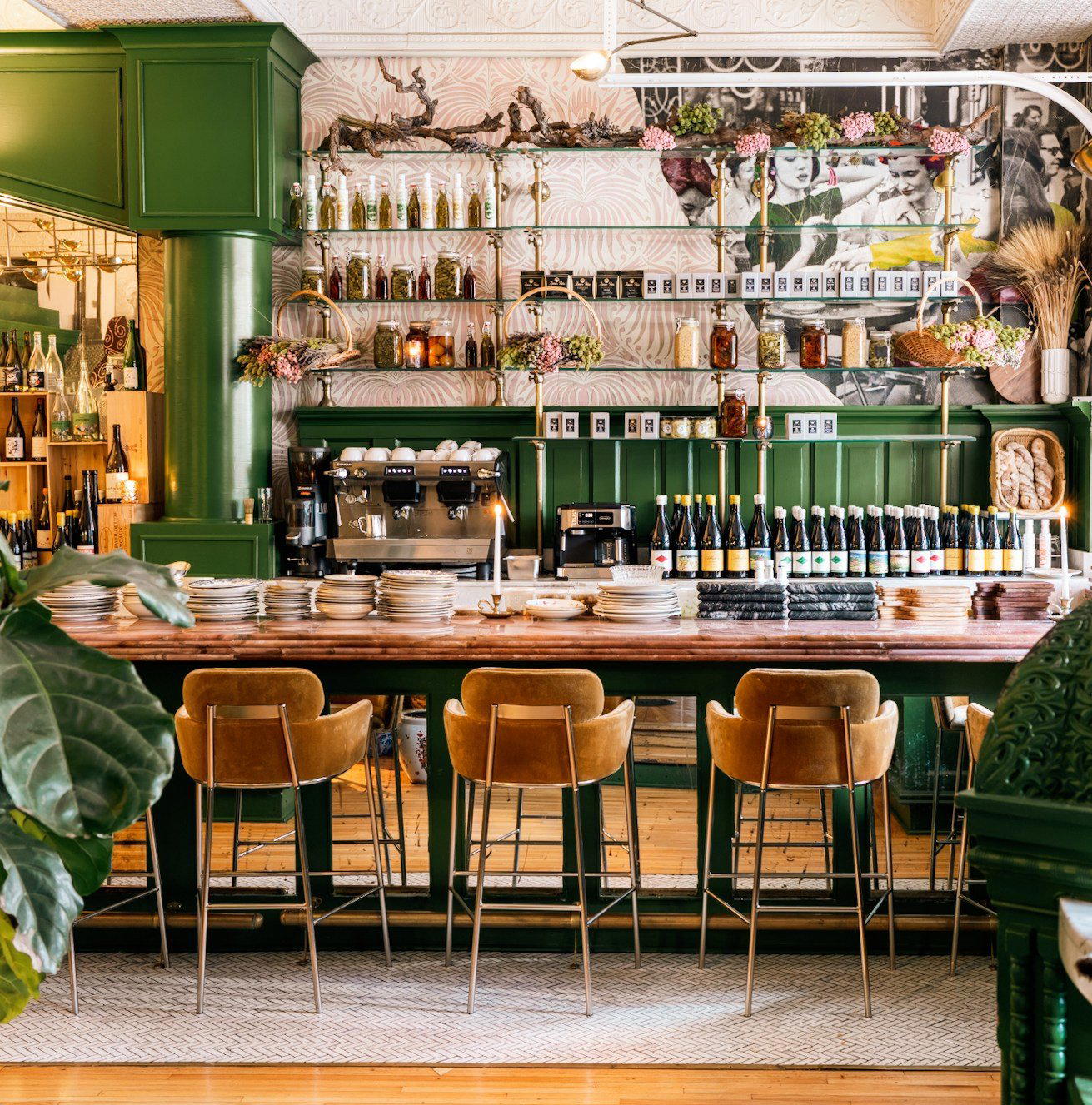
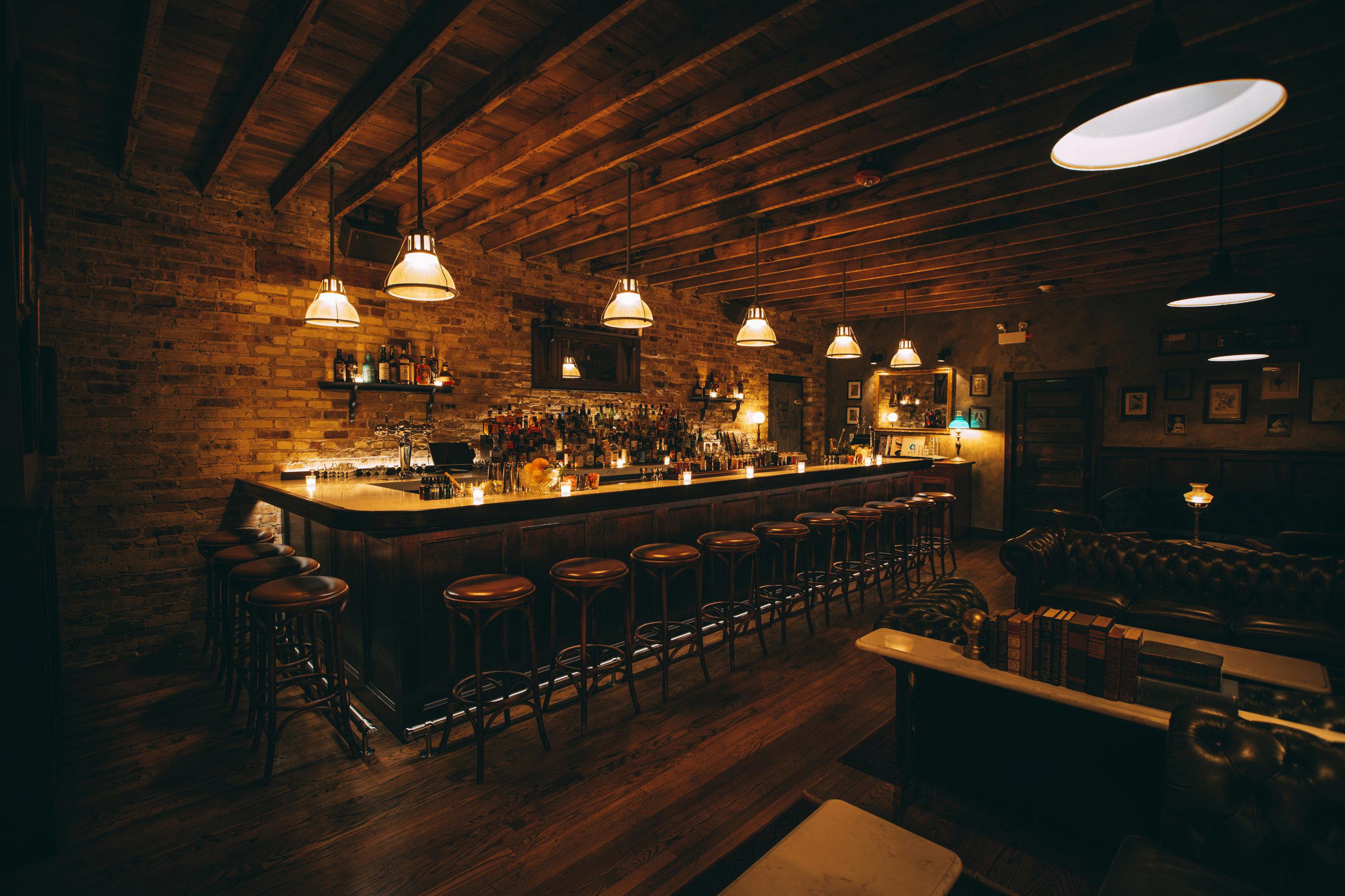
Rustic yet elegant atmosphere with cozy, intimate setting and warm, inviting feel.