Tutti Bene
On East Main Street in downtown Bozeman, Tutti Bene occupies a position that reflects how Montana's dining scene has matured: Italian-rooted cooking in a region where sourcing from the surrounding land is less a marketing angle than a practical reality. The address places it squarely in Bozeman's walkable core, among a cluster of independent restaurants that collectively define the town's emerging culinary identity.
Pearl is the En Primeur Club membership app — saves, bookings, and concierge access live there. Same editors, same standards.
- Address
- 224 E Main St, Bozeman, MT 59715
- Phone
- +14068888422
- Website
- tuttibene.com
- Directions
- Get directions
 Saves & bookings on Pearl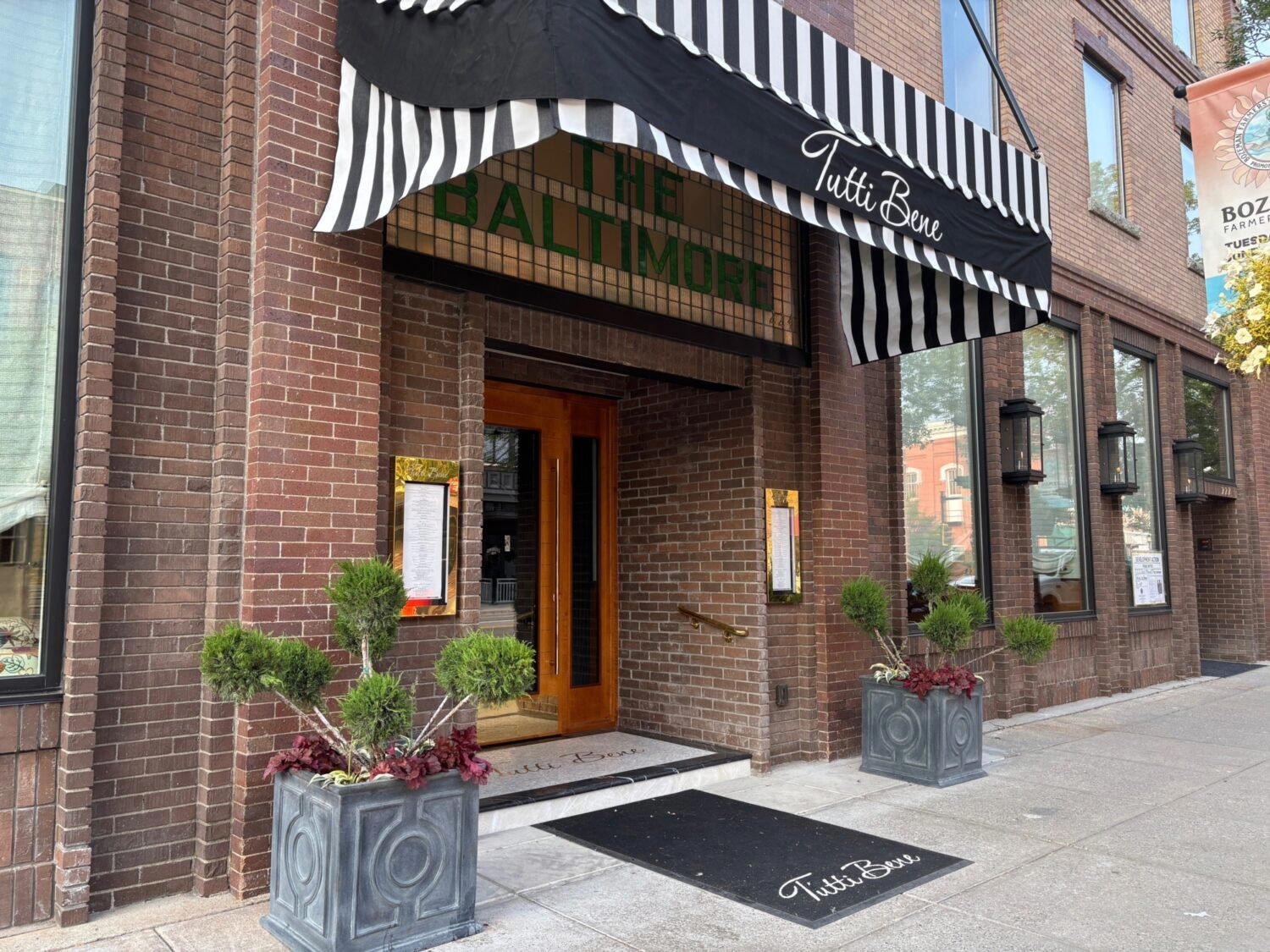
East Main Street and the Bozeman Dining Shift
Downtown Bozeman's East Main corridor has become the clearest expression of how a mid-sized Montana city absorbs outside culinary ambition without losing its grounding in place. The street reads like a sequence of independent bets placed by people who moved here for the landscape and stayed to open something serious. Tutti Bene, at 224 E Main St, sits within that sequence: an Italian restaurant in downtown Bozeman.
That last factor is the one that gives a place like Tutti Bene its most interesting editorial framing: Italian cooking, more than almost any other tradition, depends on the quality of a short ingredient list. In Montana, that short list has genuinely strong answers.
Sourcing in a State That Raises Its Own Protein
Italian-American cooking in the Mountain West occupies a different structural position than it does on the coasts. In cities like New York or San Francisco, Italian restaurants compete on technique and import provenance, the San Marzano tomatoes, the Calabrian chilis, the aged parmigiano. In Bozeman, the competitive logic shifts: what the surrounding region produces, beef, lamb, bison, game birds, cold-water trout from the Gallatin and Madison rivers, is the raw material that determines a kitchen's ceiling.
In Bozeman, a restaurant working within Italian traditions has access to protein and produce that would cost a premium in any urban market. Whether a kitchen treats that access as a genuine editorial priority or as background noise is the question that separates the interesting addresses from the competent ones.
Gallatin River Grill leans into regional protein explicitly. Bitterroot Bistro takes a broader American approach with seasonal sourcing as a through-line. Brigade operates at the more technique-forward end of Bozeman's independent scene. Each of these addresses, including Tutti Bene, is working out what it means to cook seriously in a city that is becoming more serious about dining.
Italian Cooking as a Frame for Regional Ingredients
Italian culinary tradition is, at its core, a set of regional ingredient logics, Ligurian olive oil, Emilian pork, Venetian seafood, where the tradition derives its identity from what grows or grazes nearby. Transplanted to Montana, that logic does not break down; it recalibrates. The grammar of Italian cooking (simplicity, fat, acid, heat, time) translates readily to landscapes where the protein is notable and the growing season, while short, produces vegetables of concentrated flavor.
This is the structural argument for why Italian-rooted cooking in Bozeman is not a category mismatch. Italian cooking, by contrast, has always been a cuisine of substitution and place, the Venetian risotto that uses whatever the lagoon provides, the Florentine bistecca that is defined by a specific breed and method rather than an imported ingredient. That flexibility is what makes the tradition viable in a Montana context, provided the kitchen takes its sourcing obligations seriously.
Within Bozeman's comparable set, restaurants like Hummingbird's Kitchen and Bourbon represent different points on the local sourcing and format spectrum. The city now has enough range that a visitor can construct a multi-day eating itinerary that moves between price points, traditions, and sourcing philosophies without redundancy. The restaurant's Italian framing gives it a distinct lane in that itinerary.
Where Tutti Bene Sits in a National Frame
Bozeman will not be confused with the cities that house The French Laundry in Napa, Providence in Los Angeles, or Addison in San Diego. Those are different markets operating at different scales of critical infrastructure, imported talent, and price tolerance. The relevant comparison for the restaurant is not those operations but the broader trend of independent restaurants in mid-sized American cities making serious arguments about place-based cooking.
Restaurants like Lazy Bear in San Francisco and Emeril's in New Orleans each made the argument, at different scales, that a strong sense of place and ingredient sourcing could anchor a dining identity. The Inn at Little Washington in Washington built an entire regional identity around a small Virginia town. The pattern is consistent: kitchens that treat sourcing geography as a structural commitment rather than an amenity tend to develop more durable identities. The restaurant's location in Bozeman puts it in a city where the sourcing argument is easier to make than in most places, which is either an opportunity or a challenge depending on what the kitchen does with it.
The tradition is portable. The question in every city is whether the local sourcing base is treated as the anchor it can be.
Planning a Visit
The restaurant is located at 224 E Main St in downtown Bozeman, walkable from the majority of the city's hotels and within easy reach of the train station on Rouse Avenue. East Main is compact enough that a meal here can be combined with stops at other independent addresses along the same corridor.
In Context: Similar Options
Comparable venues nearby, for context on price, style, and recognition.
| Venue | Cuisine | Price | Notes |
|---|---|---|---|
| Tutti BeneThis venue — the venue you are viewing | Refined Italian with Montana Ingredients | $$$ | Not listed |
| Sweet Chili Asian Bistro | Asian Fusion Bistro | $$ | downtown |
| PLONK | American Wine Bar with Contemporary Flavors | $$$ | downtown |
| Hummingbird's Kitchen | Authentic Regional Chinese | $$ | Near MSU Bozeman campus |
| LaPa at SHINE Beer Sanctuary | Mexican Fusion Burritos | $$ | historic downtown |
| I-Ho's Korean Grill | Authentic Korean BBQ | $$ | Downtown |
Continue exploring
More in Bozeman
Restaurants in Bozeman
Browse all →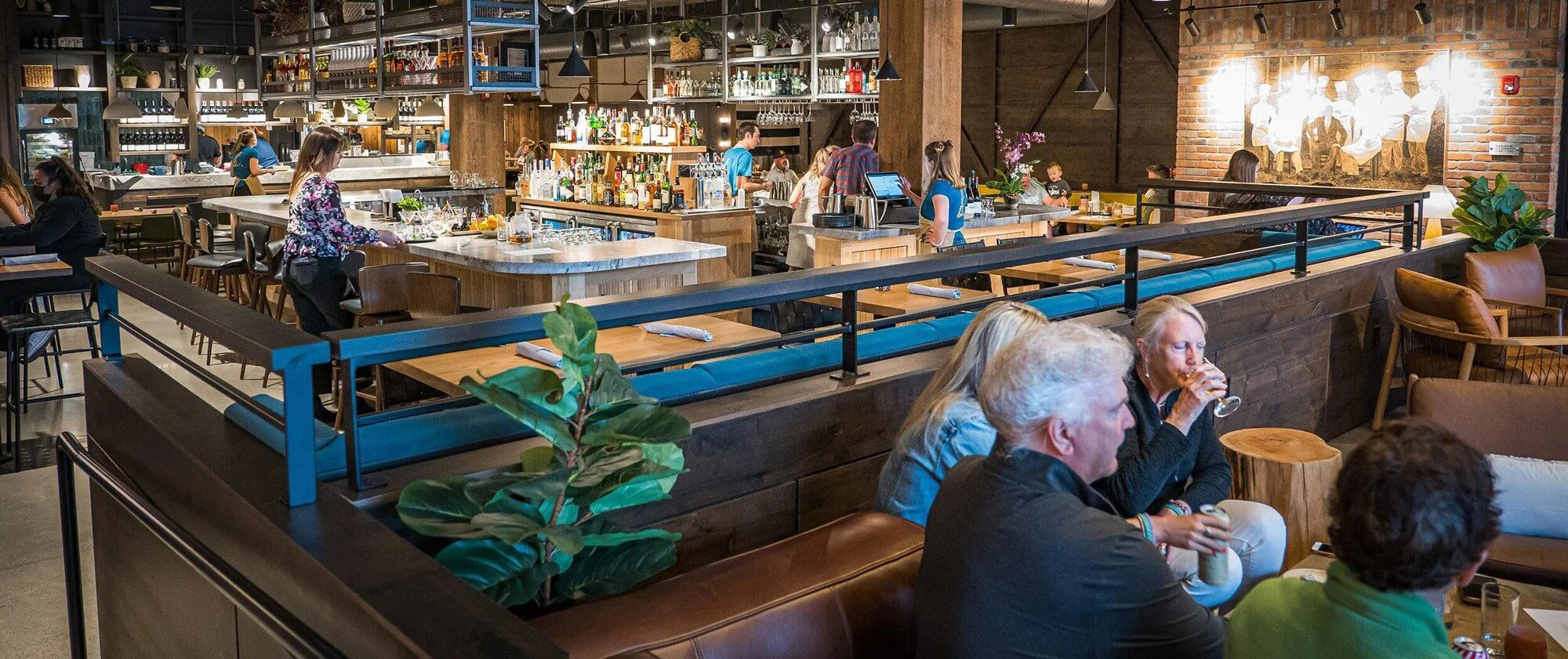
At a Glance
- Elegant
- Sophisticated
- Lively
- Modern
- Whimsical
- Date Night
- Business Dinner
- Special Occasion
- Celebration
- Wine Cellar
- Open Kitchen
- Historic Building
- Design Destination
- Standalone
- Extensive Wine List
- Craft Cocktails
- Sommelier Led
- Farm To Table
- Local Sourcing
Current opening hours
- Monday
- Closed
- Tuesday
- 4:30–9 PM
- Wednesday
- 4:30–9 PM
- Thursday
- 4:30–9 PM
- Friday
- 4:30–9 PM
- Saturday
- 4:30–9 PM
- Sunday
- 4:30–9 PM
Hours can change for holidays and private events. Last verified .
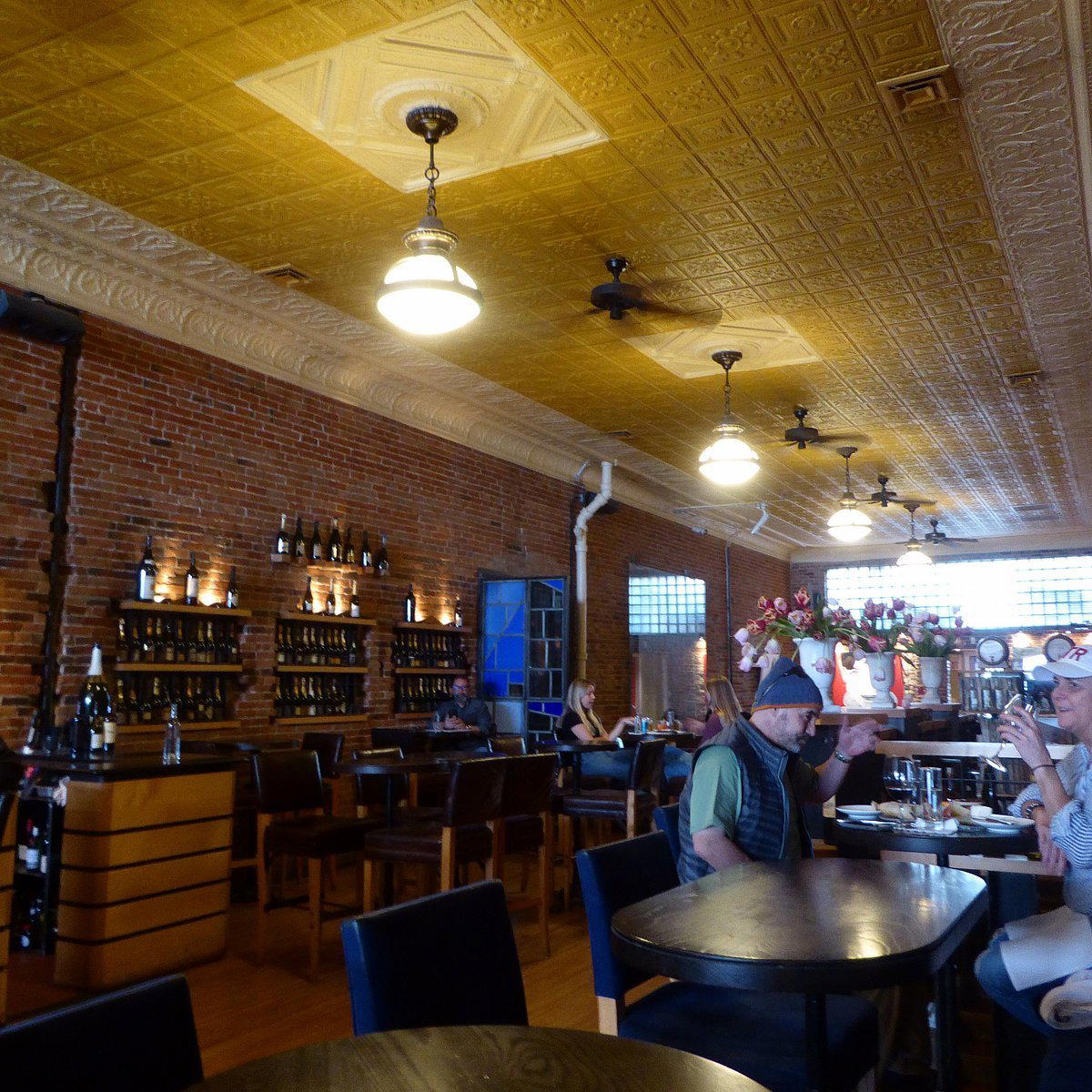
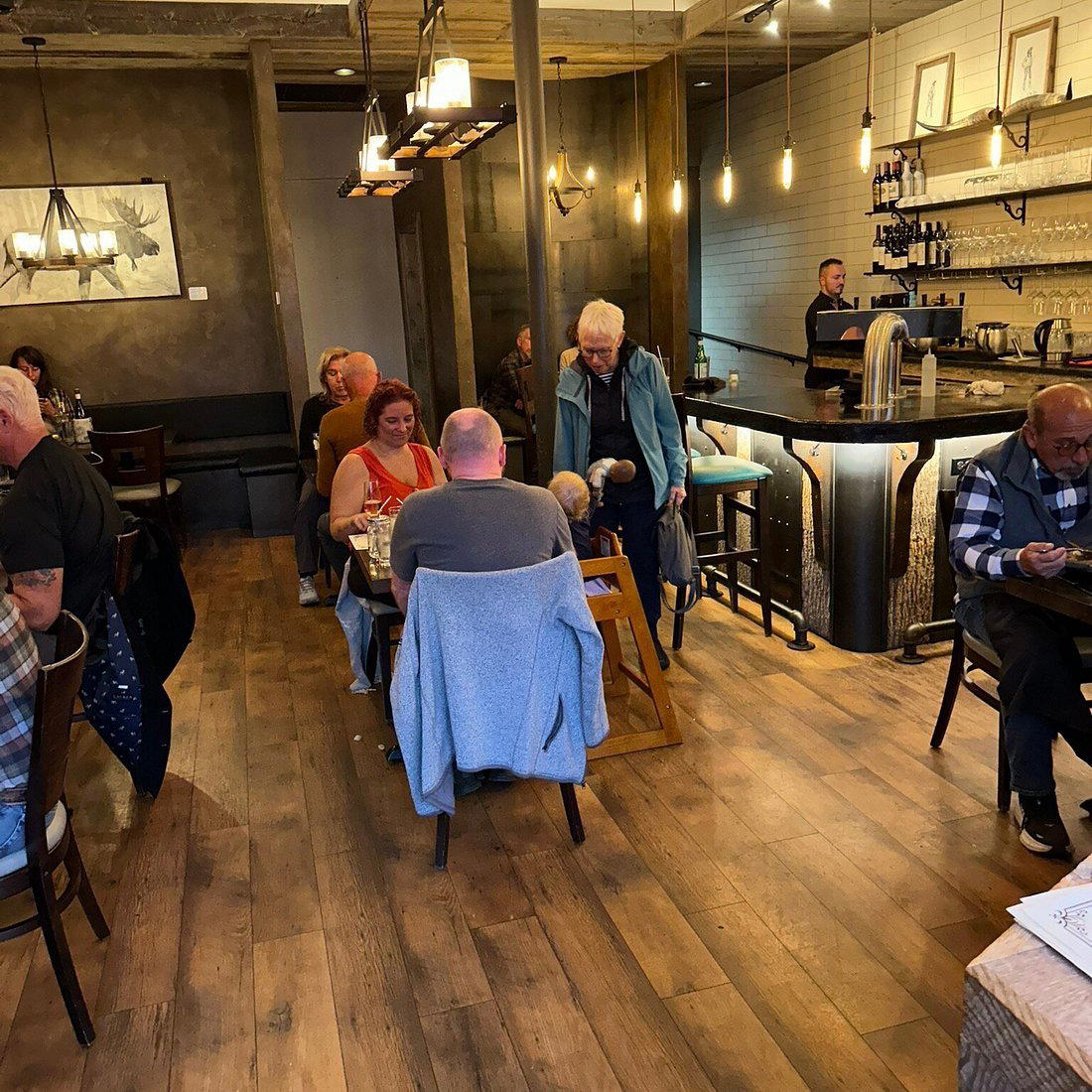
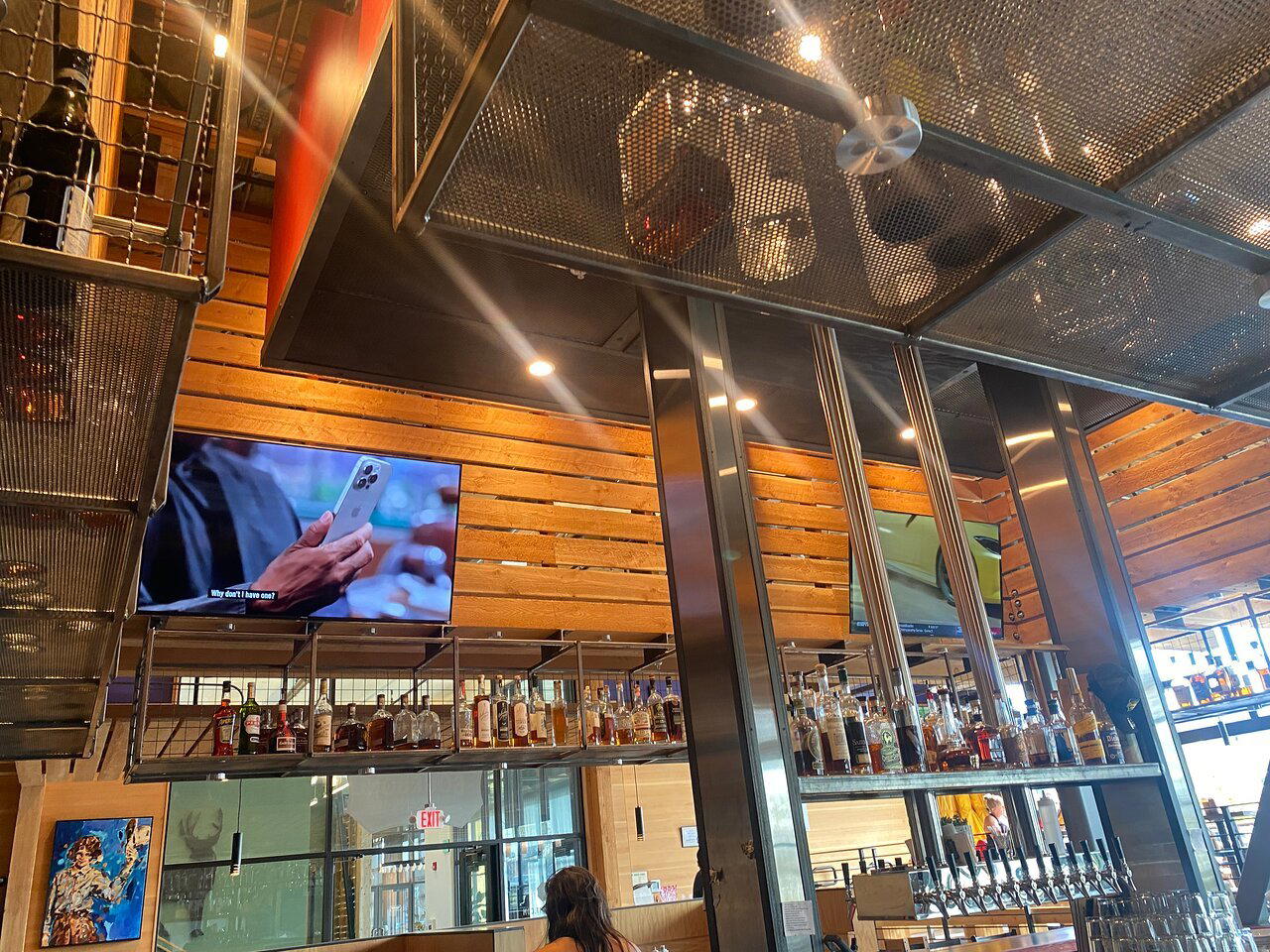
Whimsical and sophisticated dining space with sunflower, coral, sage, and eggplant tones inspired by Cinque Terra hillsides, featuring bold playful interiors with refined details and a floor-to-ceiling wine cellar.