Open Range
Our verdict
Open Range occupies a prominent address on East Main Street in downtown Bozeman, positioning itself within a Montana dining scene that has grown considerably more ambitious over the past decade. The restaurant draws on the region's ranching and agricultural heritage as a structural principle rather than a decorative one, placing it in a distinct tier among Bozeman's more serious kitchens.

Pearl is the En Primeur Club membership app — saves, bookings, and concierge access live there. Same editors, same standards.
- Address
- 241 E Main St, Bozeman, MT 59715
- Phone
- (406) 404-1940
- Website
- openrangemt.com
- Directions
- Get directions
- Booking
- Book on OpenTable
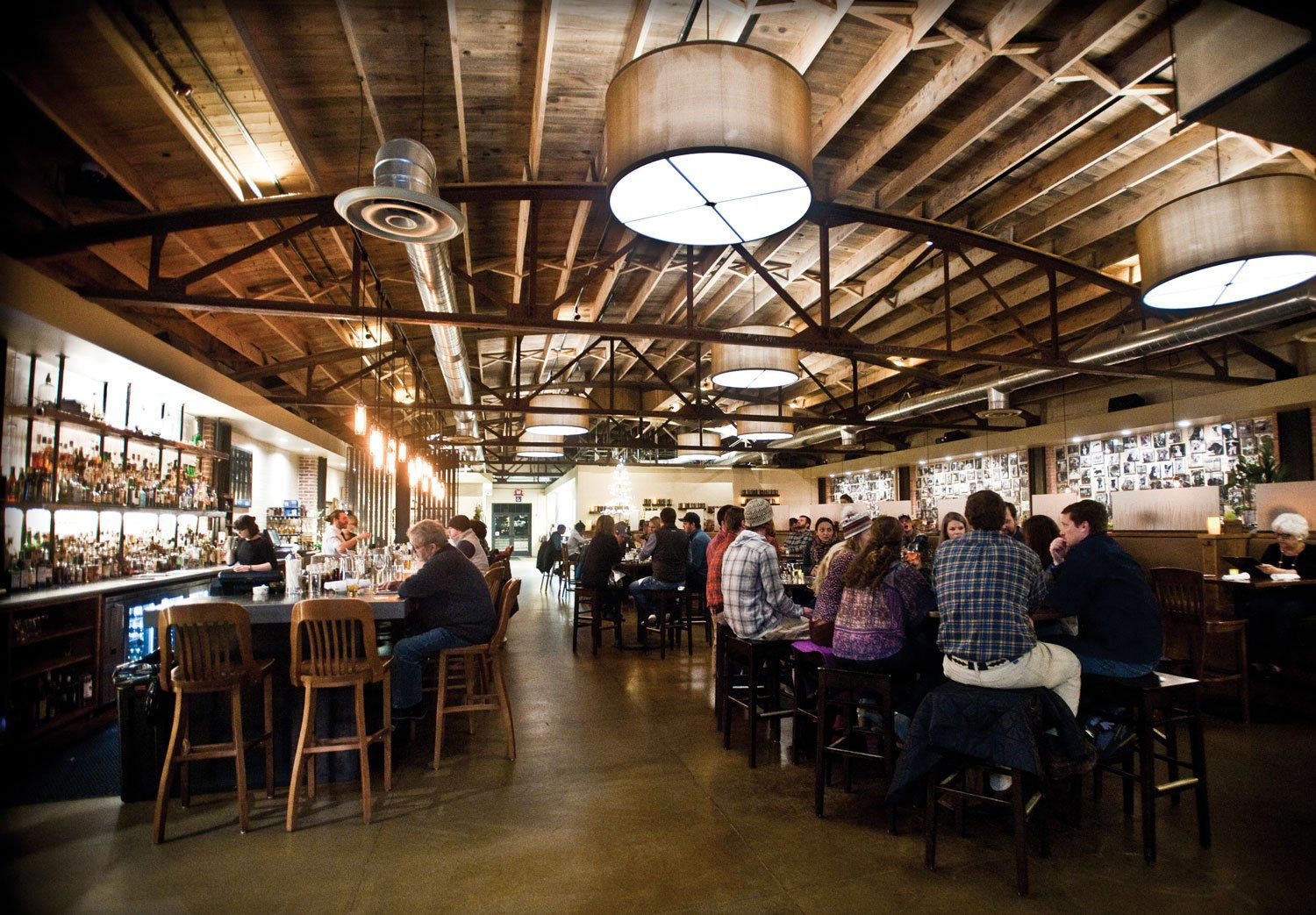
The menu
What to order
- Bison steak
- Montana Pork Chop
- House-made rolls
East Main Street and What It Signals
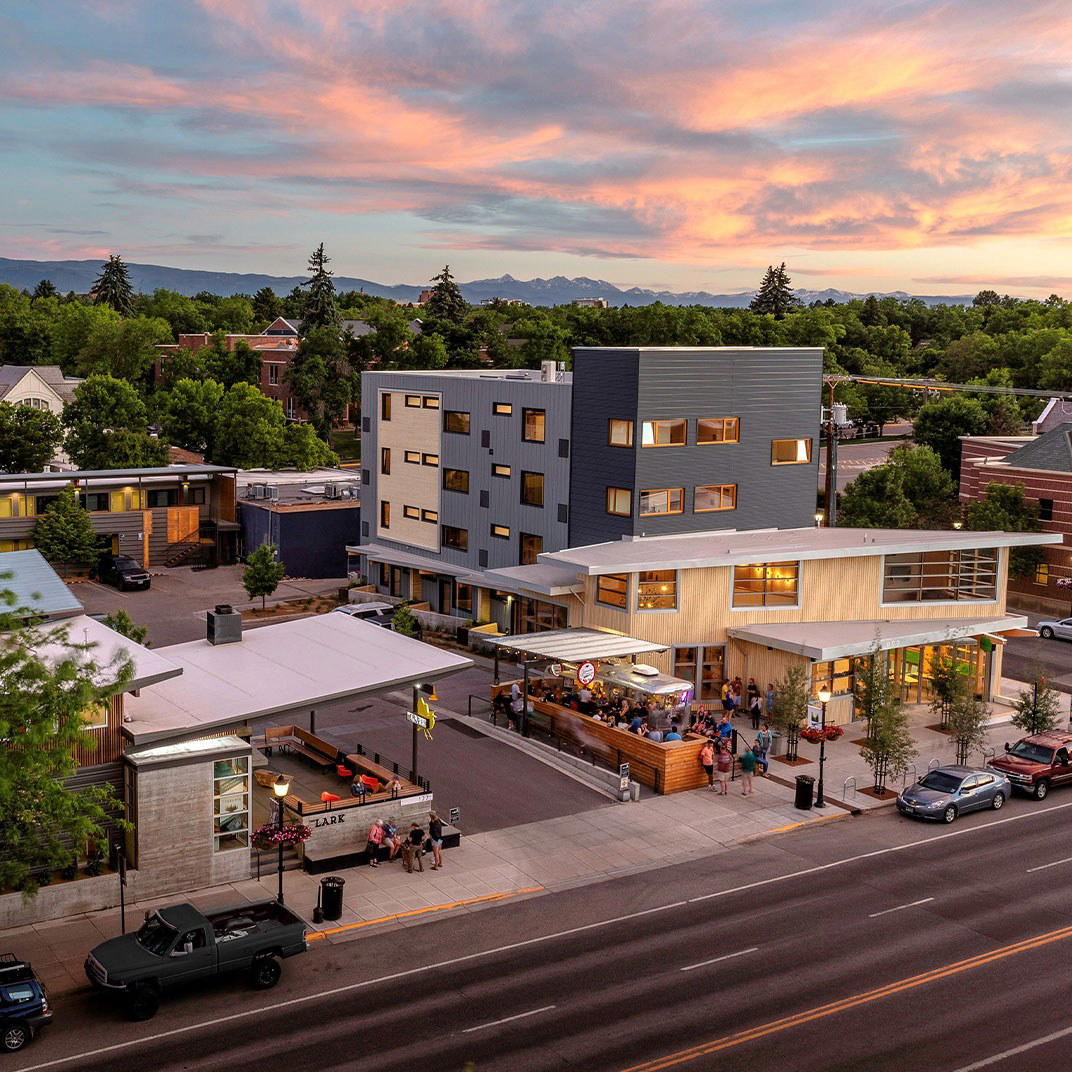
Downtown Bozeman's East Main Street corridor has become the clearest indicator of how far Montana's second city has shifted as a dining destination. A block that once offered little beyond casual Western fare now holds a cluster of restaurants that take their sourcing, technique, and wine programs seriously. Open Range, at 241 E Main St, sits inside that shift rather than outside it.
The name is a declaration of intent. In Montana, open range is a legal and cultural concept, not just a landscape description. It implies space, autonomy, and an older relationship between land and livestock. A restaurant that takes that name is making a claim about provenance and place, and the menu is where that claim either holds or collapses.
How the Menu Is Built
The clearest thing a menu architecture reveals about a restaurant is its theory of the meal. Some kitchens organize around technique, others around a single protein or a regional tradition. Open Range's approach, consistent with what the name and location signal, appears to organize around the ranching and grazing traditions of the Northern Rockies. That is a narrower, more specific framing than general American, and it carries editorial weight in a city where the cattle and sheep operations of Gallatin County and the surrounding valleys remain commercially active rather than nostalgic.
This is a structural choice that separates it from restaurants like Hummingbird's Kitchen, which operates in a different register entirely, or the more regionally broad approach at Gallatin River Grill. When a menu is organized around a specific agricultural tradition, the kitchen is held accountable to that tradition in ways a more eclectic format is not. It has to know where the beef comes from, how it was raised, and how preparation decisions connect back to the source. That accountability, when it works, produces a coherence that technique-first menus can lack.
Across the broader American fine-casual tier, the ranching-heritage framing has produced some of the more compelling food of the last decade. Restaurants like Blue Hill at Stone Barns in Tarrytown and Single Thread Farm in Healdsburg built their entire identity around the supply chain as a menu organizing principle. Open Range operates at a different scale and with a different regional vocabulary, but the structural logic is comparable: the land and its producers are the story, and the kitchen's job is to make that story legible on the plate.
Where Bozeman Sits as a Dining City
Montana's dining scene has been reshaped by two forces operating simultaneously over the past fifteen years. The first is demographic: Bozeman has absorbed a significant population of transplants from coastal cities, bringing both appetite and spending capacity for more technically serious food. The second is agricultural: the state's ranching and farming operations have found in local restaurants a premium market that did not exist at scale a generation ago. Those two forces have created conditions for a certain kind of restaurant to exist here that would have struggled to fill seats in 2005.
The result is a city with more range in its dining tier than its size would suggest. The distance between Bozeman's most casual options and its most serious kitchens is now wide enough to require navigation. Open Range occupies the serious end of that range without reaching into the formal tasting-menu territory represented nationally by restaurants like Alinea in Chicago, The French Laundry in Napa, or Le Bernardin in New York City. It sits closer to the approachable-premium register, where the cooking is disciplined and the sourcing is specific, but the format remains accessible to a broad dining public rather than a reservation-list specialist.
That positioning is where Bozeman's most interesting restaurants currently compete. Brigade has carved out a European-leaning bistro identity; Bitterroot Bistro leans into the regional-casual format. Open Range differentiates through the directness of its ranching reference, which is a stronger claim about place than either of those positions.
Planning a Visit
Open Range is located at 241 E Main St in downtown Bozeman, walkable from the main hotel corridor and accessible by most standard navigation apps. For current hours, reservation availability, and any updates to the menu format, the restaurant's own channels are the most reliable source; hours and booking policies in Bozeman's restaurant scene have shifted more than once in recent years, and independently verified real-time information is worth confirming before a visit. Bozeman's busier dining windows track closely with ski season at nearby Big Sky and the summer tourism peak in Yellowstone country, so table availability in December through February and July through August tends to tighten. Planning ahead by a week or more during those windows is reasonable practice. For a broader map of where Open Range sits among Bozeman's dining options, our full Bozeman restaurants guide covers the range from casual to serious across the city's main corridors.
Frequently asked questions
Where exactly is Open Range?
Open Range is located at 241 E Main St, Bozeman, MT 59715, Bozeman.
How does Open Range fit into the broader Bozeman dining scene compared to other East Main Street restaurants?
Downtown Bozeman's East Main Street has become the clearest measure of how Montana's dining culture has matured over the past fifteen years, driven by demographic growth and a producer network that now supports serious kitchen ambitions. Open Range at 241 E Main St sits inside that corridor, placing it among the restaurants most directly shaped by Bozeman's shift from a gateway town to a genuine regional food city. For visitors assessing where to anchor a meal, that address alone signals a deliberate choice by the operator.
What's the best thing to order at Open Range?
The menu at Open Range is built around Montana's regional larder, which makes protein-forward plates the logical focus. Without a current published menu on record, the safest approach is to ask your server what has come in locally that week — kitchens in Bozeman's East Main corridor increasingly run specials tied to rancher and producer relationships rather than fixed seasonal menus.
Is Open Range reservation-only?
Given the restaurant's address at 241 E Main St in downtown Bozeman — a corridor that draws both locals and visiting travelers — booking ahead, especially on weekend evenings, is the practical move. check the venue's official channels or check third-party booking platforms for current availability.
What's the standout thing about Open Range?
Open Range occupies a specific position in Bozeman's dining shift: a downtown address on East Main Street at a moment when Montana's second city is being taken seriously as a regional food destination. The venue's defining quality appears to be its alignment with that momentum — menu architecture rooted in regional sourcing rather than imported culinary trend cycles.
Is a meal at Open Range worth the investment?
Pricing details for Open Range are not publicly listed, which is increasingly common among Bozeman's more serious dining rooms that prefer to let the food speak ahead of the price point. What contextualizes the value here is location: East Main Street in downtown Bozeman is now where Montana's most considered restaurant projects are concentrating, and Open Range has a presence in that corridor.
Reputation Context
| Venue | Cuisine | Price | Awards |
|---|---|---|---|
| Open RangeThis venue — the venue you are viewing | Steakhouse | $30–50 | Not listed |
| Gallatin River Grill | French-American with Montana influences | $50–100 | Wine Spectator Award of Excellence |
| Tutti Bene | Refined Italian with Montana Ingredients | $50–100 | Not listed |
| Hummingbird's Kitchen | Authentic Regional Chinese | Not listed | James Beard Award Semi Finalist |
| Brigade | French-Inspired Montana Cuisine | $50–100 | Not listed |
| Bitterroot Bistro | American Bistro with Montana Flair | Not listed | Not listed |
Details
- Cozy
- Elegant
- Date Night
- Business Dinner
- Group Dining
- Special Occasion
- Standalone
- Craft Cocktails
- Beer Program
- Extensive Wine List
- Local Sourcing
- Street Scene
- A La Carte
- Craft Cocktails
- Wine
- Vegetarian Friendly
- Gluten Free Options
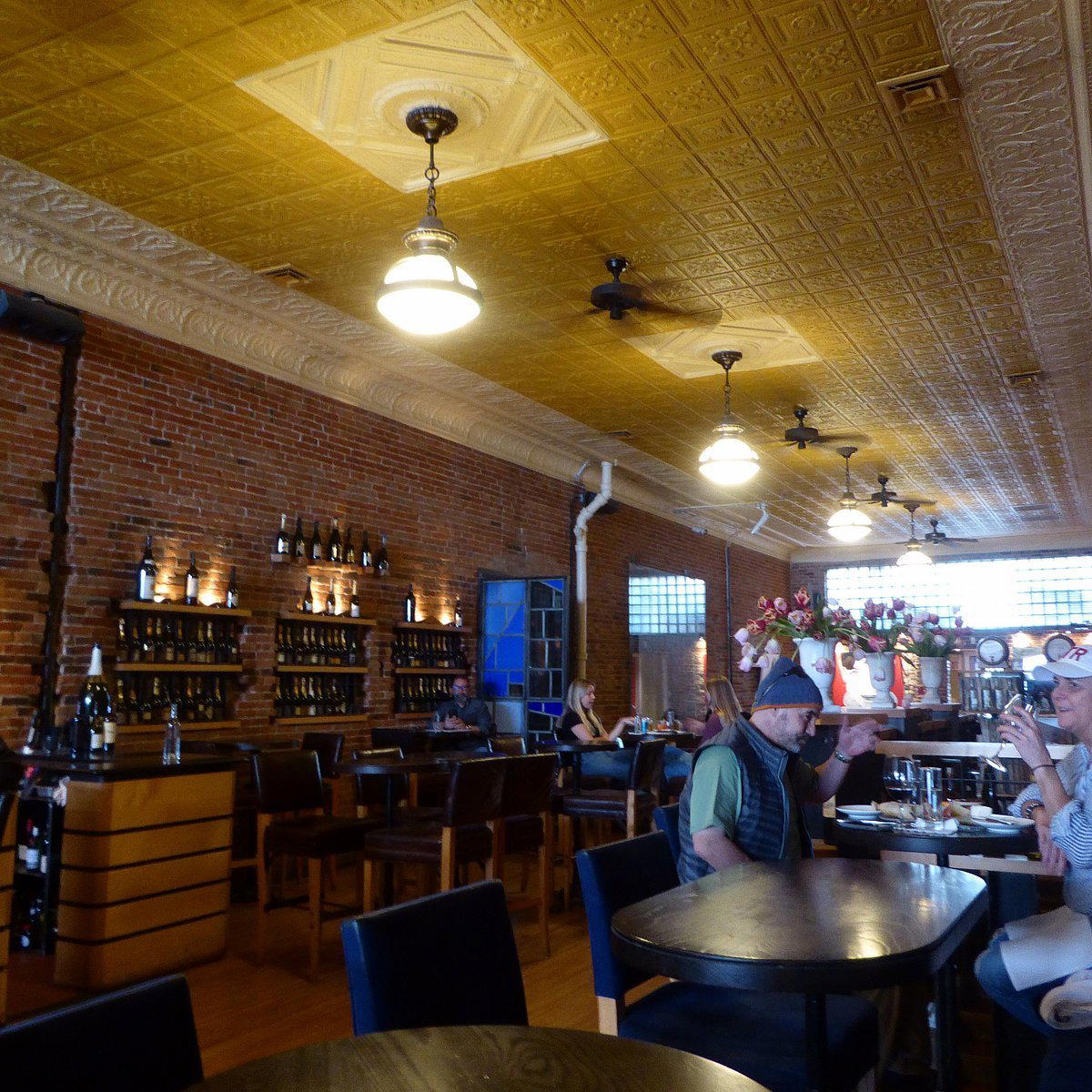
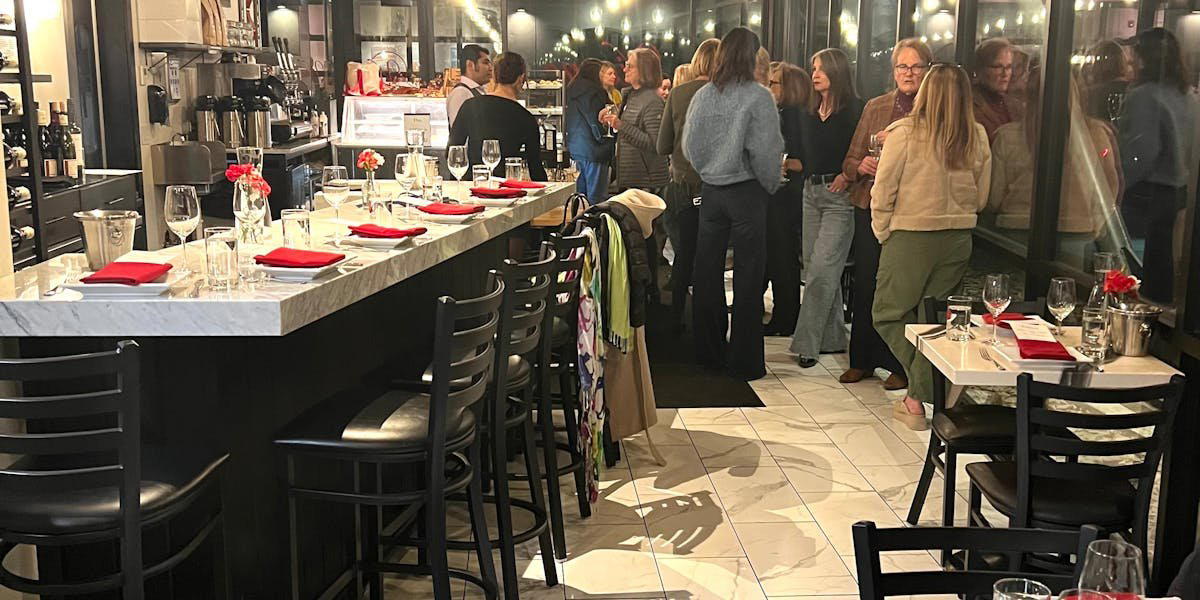
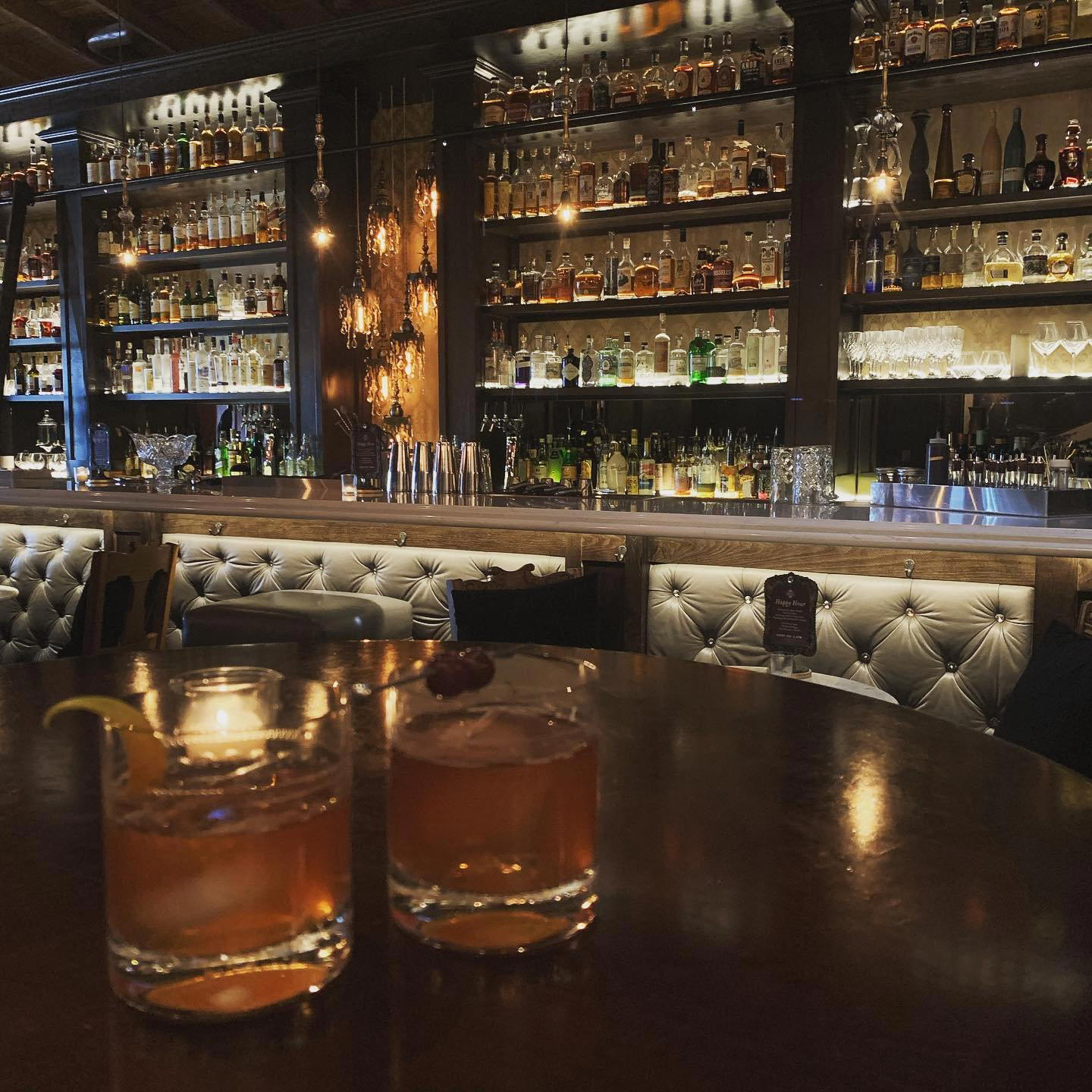
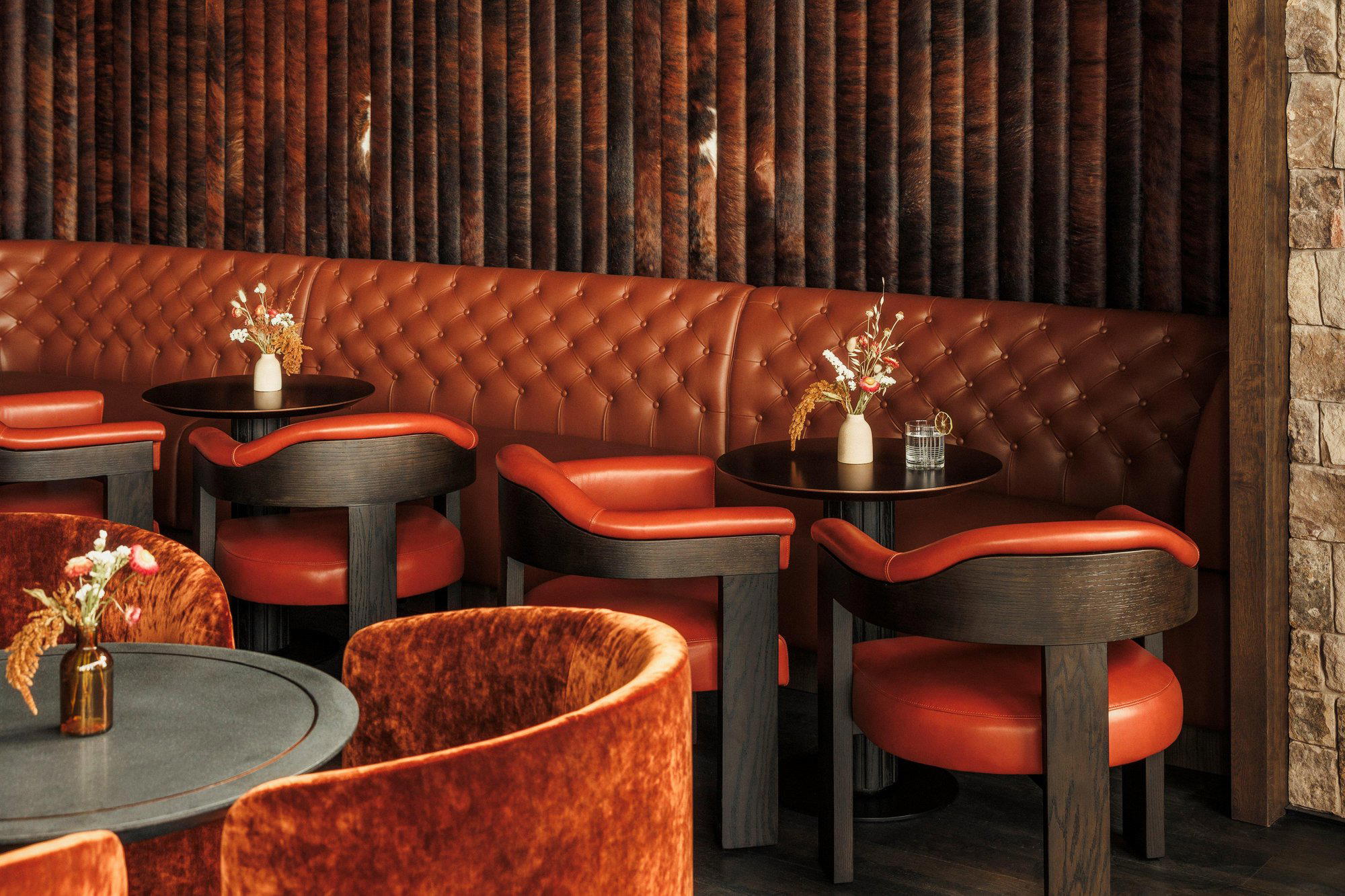
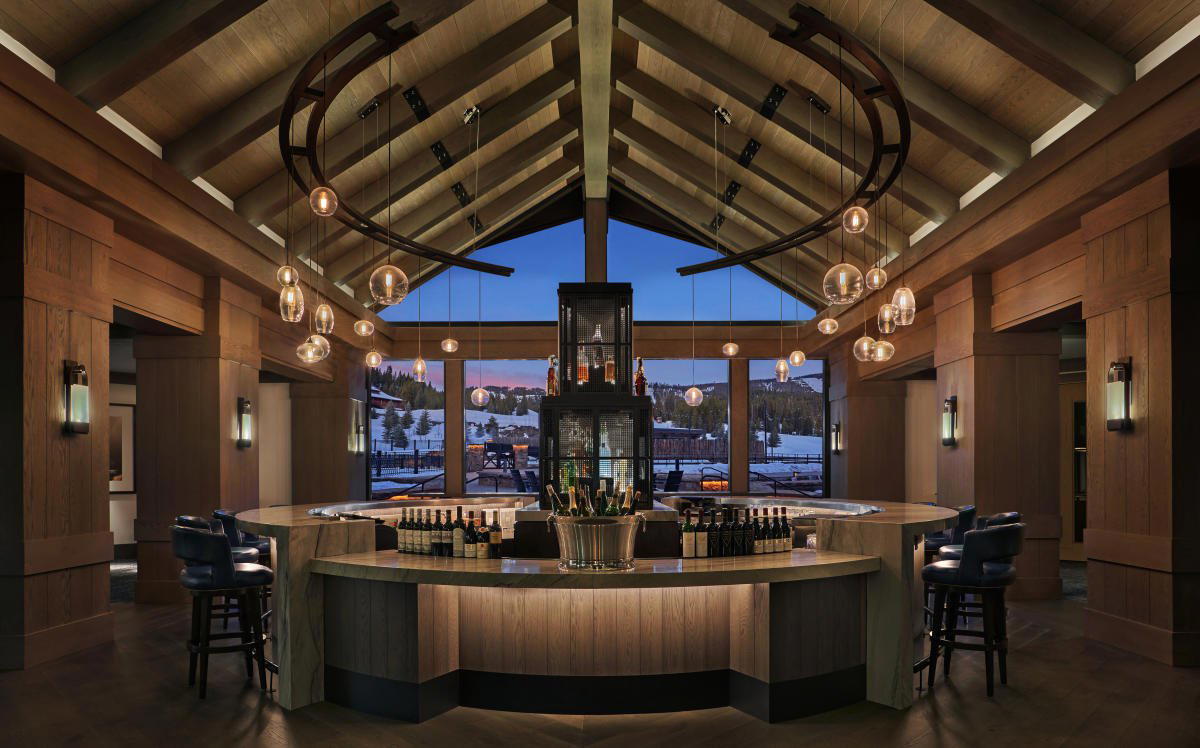
Casual yet polished, with seating that ranges from social to intimate and a cocktail-forward atmosphere.