I-Ho's Korean Grill
Our verdict
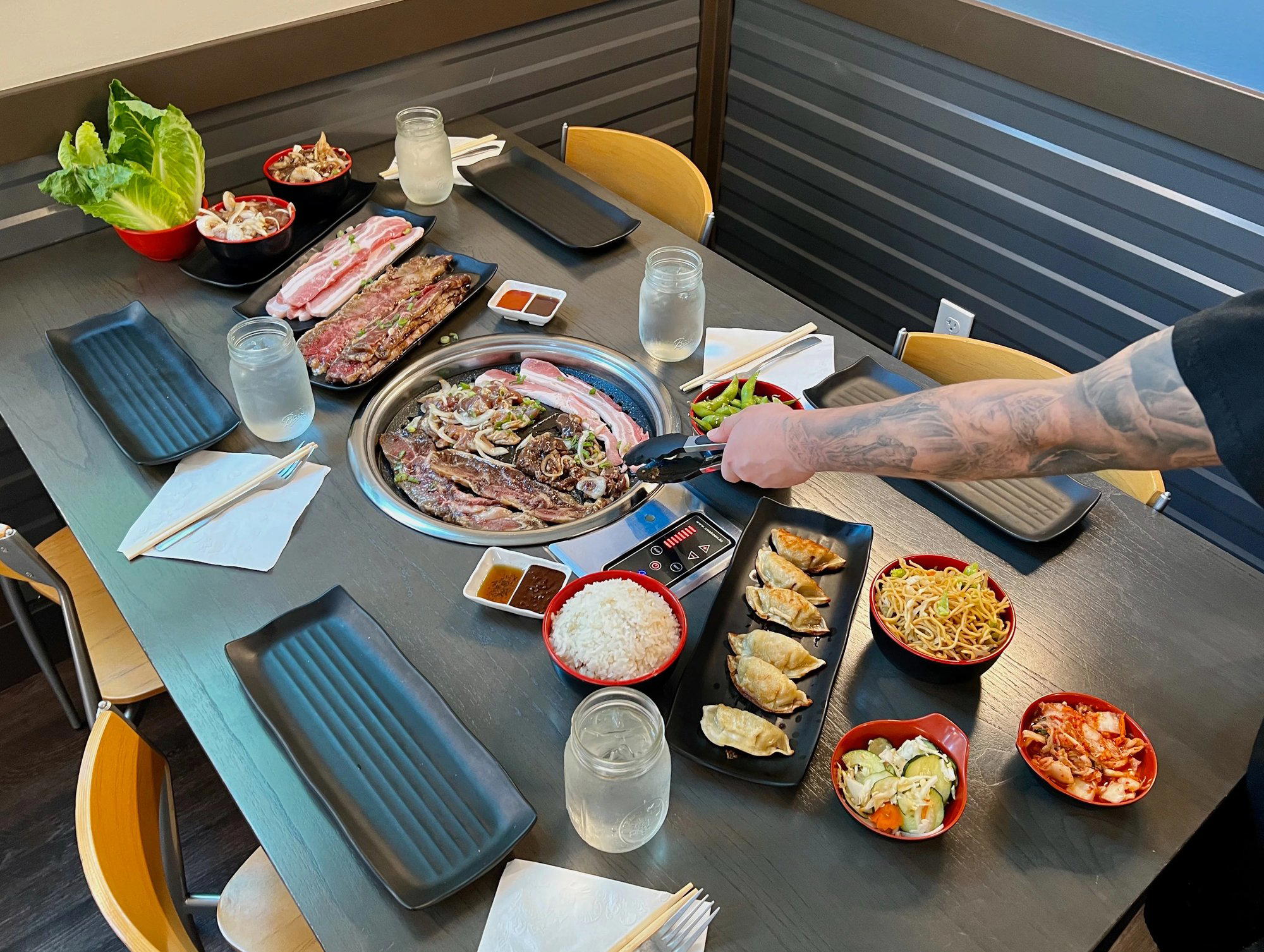
Korean barbecue occupies a distinct position on West Main Street, where I-Ho's Korean Grill brings the communal grill-at-table format to a Bozeman dining scene more accustomed to Montana steakhouse conventions. The meal is structured around participation, proteins, banchan, and wraps assembled by the diners themselves, which separates it from most of what surrounds it on the same block.

Pearl is the En Primeur Club membership app, where members save venues, book tables and use the concierge.
The menu
What to order
- Bulgogi
- Bi-Bim-Bob
- Korean BBQ ribs
- Pork belly
- Kimchi pancake
A Different Kind of Table on West Main
West Main Street in Bozeman runs through a dining corridor where the defaults lean toward comfort: American grills, Italian staples, and farm-to-table menus built around Montana beef and local produce. Against that backdrop, Korean barbecue occupies a genuinely different register. The format is interactive in a way that most Western restaurant traditions are not, the kitchen does not finish the meal for you. Proteins arrive raw or marinated, the grill at the center of the table does the cooking, and the assembly of wraps, dipping sauces, and banchan side dishes is a shared act between everyone seated. At I-Ho's Korean Grill on West Main, that tradition arrives in a city where it has few direct competitors.
For context on how the broader Bozeman restaurant scene compares, our full Bozeman restaurants guide maps the range from contemporary Montana cooking at Bitterroot Bistro to the whiskey-forward American format at Bourbon. Korean barbecue sits in a separate category from all of them.
The Structure of the Meal
Korean barbecue dining has a pacing that differs markedly from the sequence most Americans are accustomed to. There is no single moment of service where the plate arrives finished. Instead, the meal unfolds in stages: banchan, small plates of fermented, pickled, or seasoned vegetables, come first and stay on the table throughout, replenished as they are consumed. The grill heats. Proteins follow. The act of cooking at the table slows the meal down by design, creating natural pauses for conversation that a succession of plated courses does not.
That rhythm makes Korean barbecue unusually well-suited to group dining. The communal grill format means attention stays at the table rather than drifting to individual plates. Wrapping grilled meat in perilla leaf or lettuce, adding a touch of fermented soybean paste or gochujang, is something everyone at the table does simultaneously. The etiquette of Korean barbecue, monitoring grill heat, rotating proteins before they char, dividing portions with scissors rather than knives, carries its own set of customs that first-time diners pick up quickly once seated.
Korean Barbecue in the American Interior
The geography matters here. Korean barbecue has a long-established presence in Los Angeles, New York, and other cities with large Korean-American communities, but in smaller interior cities it remains far less common. Bozeman's dining scene has expanded considerably over the past decade as the city has grown, but the range of Asian cuisines represented remains narrower than in coastal metros. A Korean grill format in this context is not filling a saturated market, it is occupying space that would otherwise be absent entirely.
That distinction places I-Ho's in a different comparative position than it would hold in, say, a city where Korean barbecue restaurants compete directly on marination technique and banchan variety. Here, the more relevant comparison is with other destination-format restaurants in Bozeman, places where the dining format itself is the draw. Venues like Brigade, Gallatin River Grill, and Hummingbird's Kitchen each occupy distinct format niches in the local market. Korean barbecue's interactive structure makes it one of the more format-driven choices available.
On the national scale, Korean cuisine has received growing critical attention, Atomix in New York City holds two Michelin stars and has placed on the World's 50 Best Restaurants list, signaling how seriously the broader dining establishment has come to regard Korean culinary tradition. That recognition contextualizes what Korean cooking, even in its more casual barbecue format, represents as a culinary system: it is detailed, technically layered, and historically deep. The banchan alone, each dish the result of fermentation schedules, seasoning ratios, and regional variation, reflects a kitchen culture that is anything but improvised.
What the Format Asks of the Diner
First-time Korean barbecue diners sometimes arrive with the expectation of a passive meal. The format quickly corrects that. There is a loose but genuine etiquette involved: in traditional Korean dining contexts, the oldest or most senior person at the table is typically served first, and pouring drinks for others rather than oneself is standard practice. At a restaurant in Bozeman rather than Seoul, these customs are observed loosely, but understanding them adds something to the meal, a sense of the social architecture that the cuisine was built around.
The grill management itself becomes a shared task. Fat renders, smoke rises, proteins need turning. Someone at the table typically takes ownership of the grill, and that role tends to organize the group around a shared focus. It is a different social dynamic than a tasting-menu counter at a place like Lazy Bear in San Francisco or the highly choreographed service at Alinea in Chicago, but it is no less intentional as a dining format. The participation is the point.
Planning Your Visit
I-Ho's Korean Grill is located at 321 W Main St in Bozeman, direct to reach on foot from much of central Bozeman, and accessible from the main commercial corridor. Contact details and current hours were not available at time of writing; confirming both directly before visiting is advisable, particularly given how quickly Bozeman's restaurant landscape has been shifting. Given the interactive and group-oriented nature of Korean barbecue, the format rewards visiting with three or more people, a larger table means more variety in what gets ordered and grilled, and the communal dynamic that defines the meal works better with a full group than as a solo or two-person experience.
Frequently asked questions
What's I-Ho's Korean Grill's location?
I-Ho's Korean Grill is located at 321 W Main St, Bozeman, MT 59715, Bozeman.
Is I-Ho's Korean Grill one of the few Korean barbecue restaurants in Montana?
Korean barbecue has a well-documented presence in cities like Los Angeles and New York with large Korean-American communities, but dedicated KBBQ venues in Montana's interior remain sparse by comparison. I-Ho's Korean Grill on West Main in Bozeman occupies a relatively uncommon position in the state's dining scene, offering a format, tabletop grilling with banchan service, that most Montana dining rooms do not provide. That context makes it a notable point of difference within Bozeman's dining corridor, regardless of how it stacks up against coastal KBBQ benchmarks.
What should I eat at I-Ho's Korean Grill?
Korean barbecue menus typically center on protein selections for the tabletop grill, both marinated cuts, which carry seasoning into the cook, and unmarinated options that rely on dipping sauces and banchan for contrast. The banchan spread, a set of small accompaniments served alongside, is worth paying attention to: it shapes the pacing of the meal as much as the main proteins. At 321 W Main St in Bozeman, first-time visitors are well served by starting with a marinated option to understand the format before moving to plainer cuts.
Do they take walk-ins at I-Ho's Korean Grill?
Confirmed reservation policy for I-Ho's Korean Grill was not available at time of writing. In Bozeman generally, mid-range dining rooms on West Main tend to absorb walk-in traffic on weeknights more readily than weekend evenings, when foot traffic from central Bozeman increases. Contacting the restaurant directly before arriving on a Friday or Saturday is the practical approach.
Cuisine Context
Comparable venues nearby, for context on price, style, and recognition.
| Venue | Cuisine | Price | Notes |
|---|---|---|---|
| I-Ho's Korean GrillThis venue (the venue you are viewing) | Authentic Korean BBQ | $20–30 | Not listed |
| Seven | Japanese Sushi & Fusion | $30–50 | Cannery District |
| Brigade | French-Inspired Montana Cuisine | $50–100 | Downtown Bozeman |
| Open Range | Steakhouse | $30–50 | Downtown Bozeman |
| Sweet Chili Asian Bistro | Asian Fusion Bistro | $20–30 | downtown |
| Montana Ale Works | Montana-Inspired Gastropub | $20–30 | downtown |
Continue exploring
More in Bozeman
Restaurants in Bozeman
All restaurants in Bozeman →
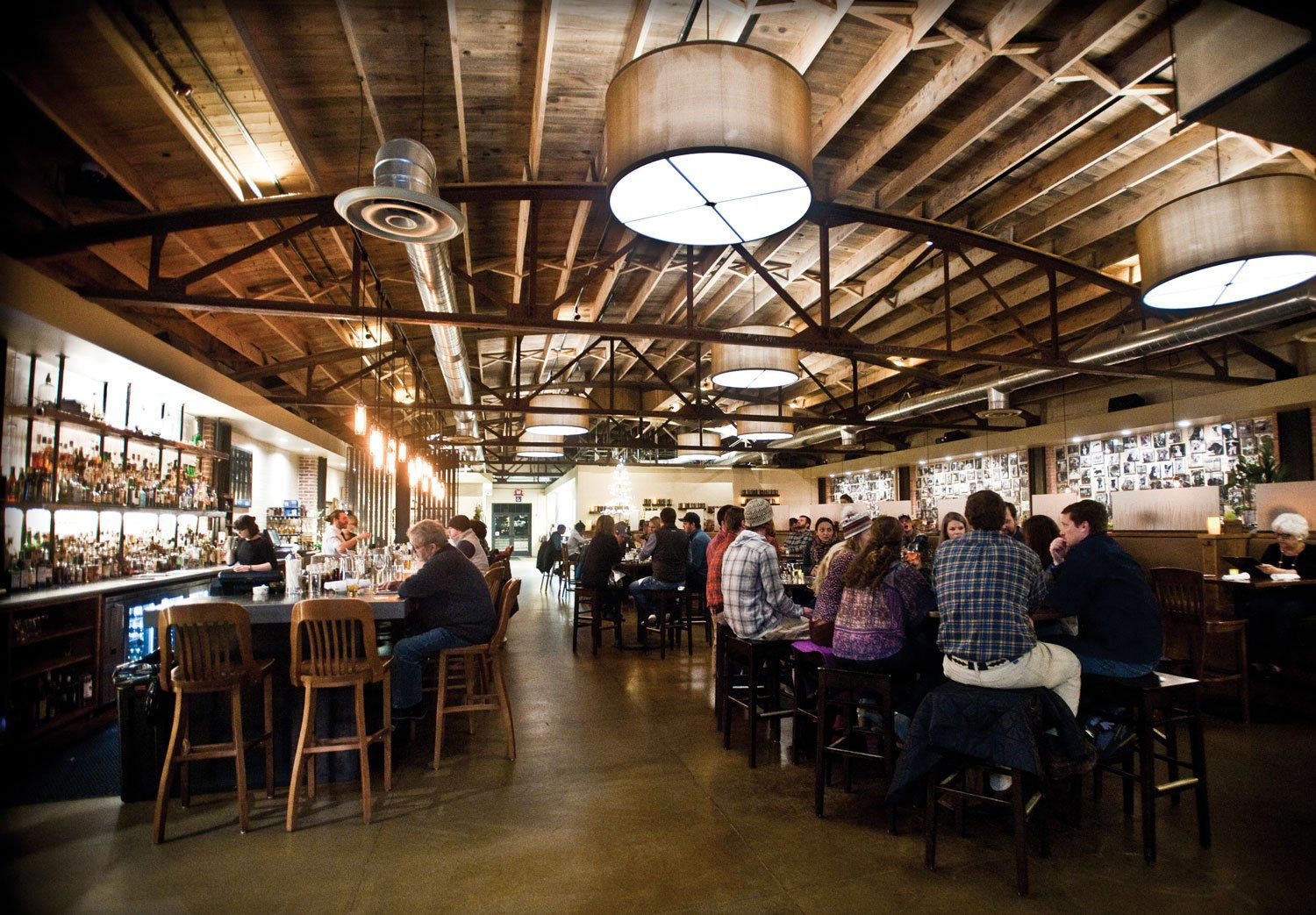
Bars in Bozeman
Browse all →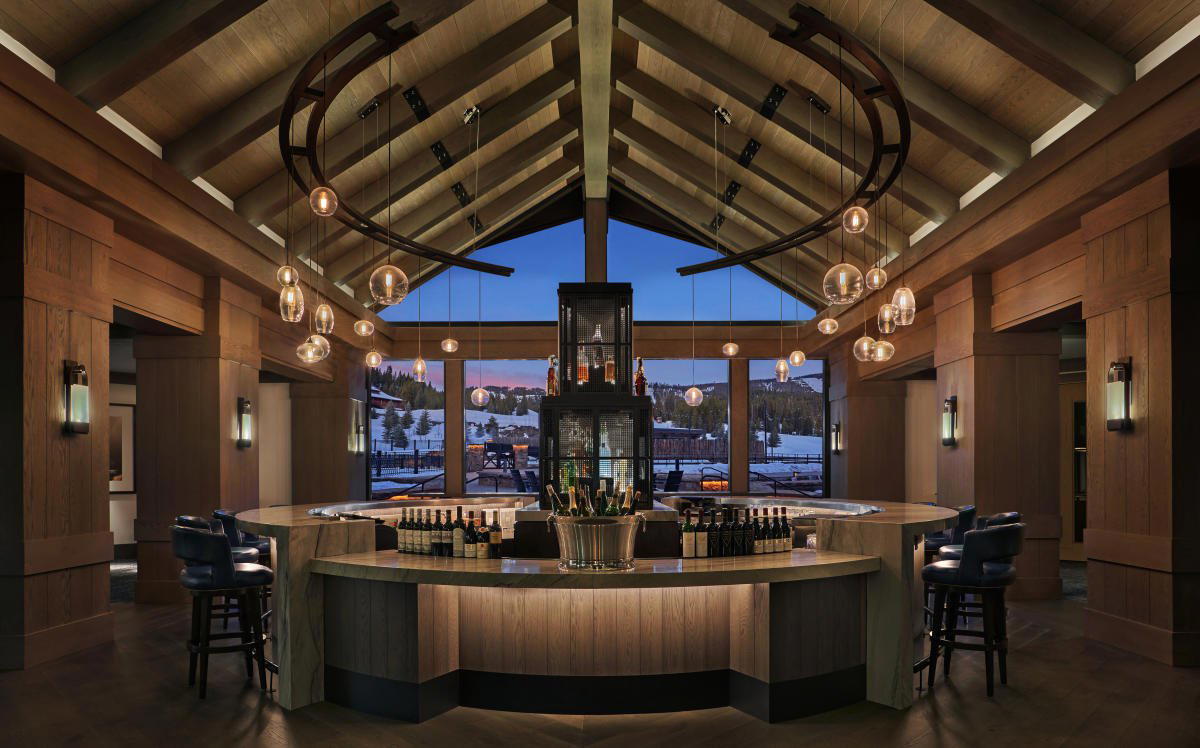
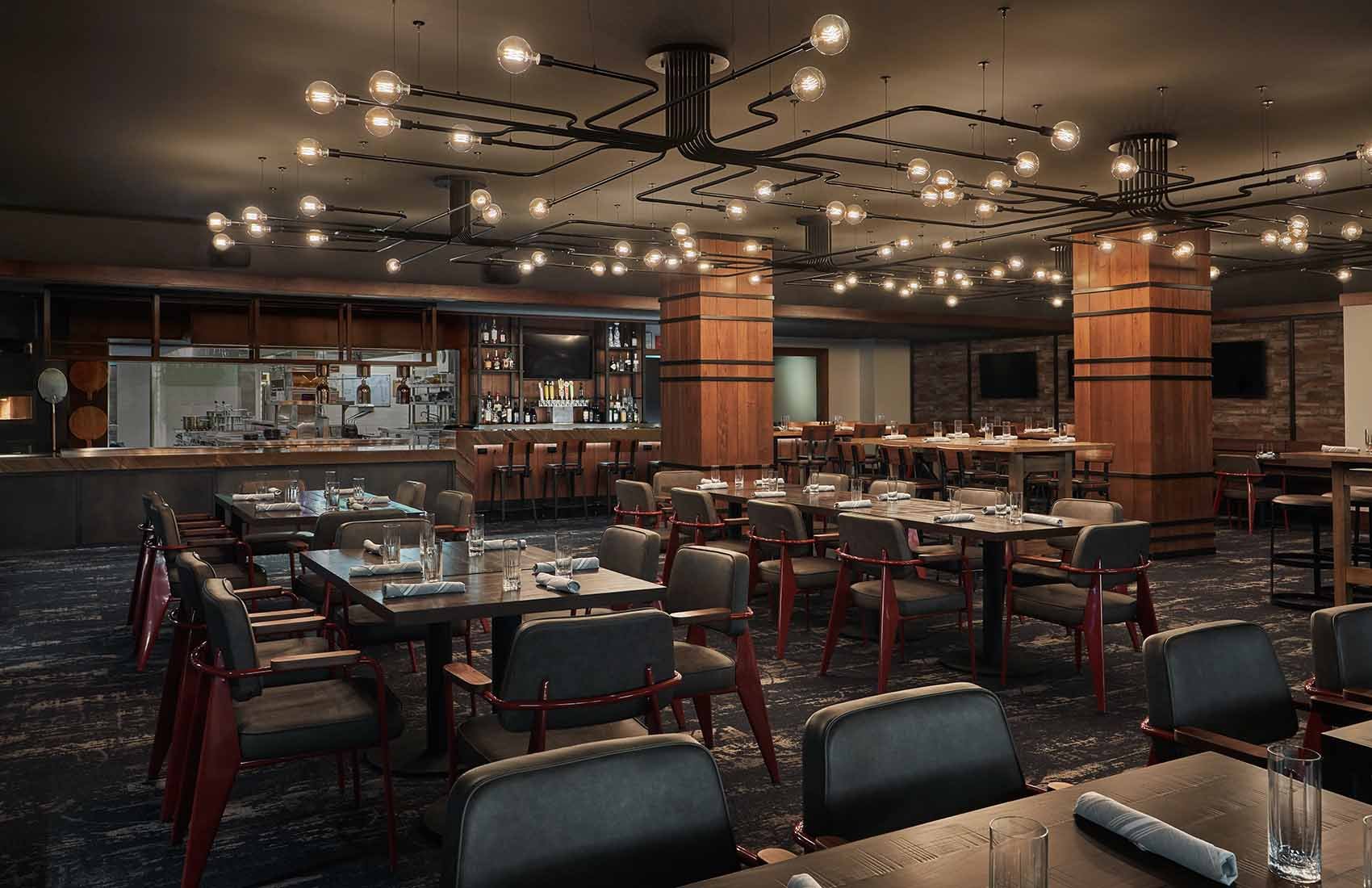
Details
- Cozy
- Casual
- Family
- Group Dining
- Casual Hangout
- Open Kitchen
- A La Carte
- Vegetarian Friendly
- Vegan Options
- Gluten Free Options
Current opening hours
- Monday
- 11:30 AM–2 PM, 5–9 PM
- Tuesday
- 11:30 AM–2 PM, 5–9 PM
- Wednesday
- 11:30 AM–2 PM, 5–9 PM
- Thursday
- 11:30 AM–2 PM, 5–9 PM
- Friday
- 11:30 AM–2 PM, 5–9 PM
- Saturday
- 4–9 PM
- Sunday
- Closed
Hours can change for holidays and private events. Hours as of .
Relaxed and friendly dining room with a bustling atmosphere during peak hours.