Howlers Inn B&B and Wolf Sanctuary, Bozeman MT Bed and Breakfast Lodging
A working wolf sanctuary paired with bed-and-breakfast lodging on Jackson Creek Road outside Bozeman, Howlers Inn occupies a niche that most Montana accommodation doesn't attempt: direct proximity to resident wolf packs as the organizing principle of a stay. The property sits in Gallatin County's wider corridor of ranch-land and wildlife terrain, positioning it as an alternative to the region's guest ranch and glamping formats.

Pearl is the En Primeur Club membership app — saves, bookings, and concierge access live there. Same editors, same standards.
- Address
- 3185 Jackson Creek Rd, Bozeman, MT 59715
- Phone
- (406) 587-2050
- Website
- howlersinn.com
- Directions
- Get directions
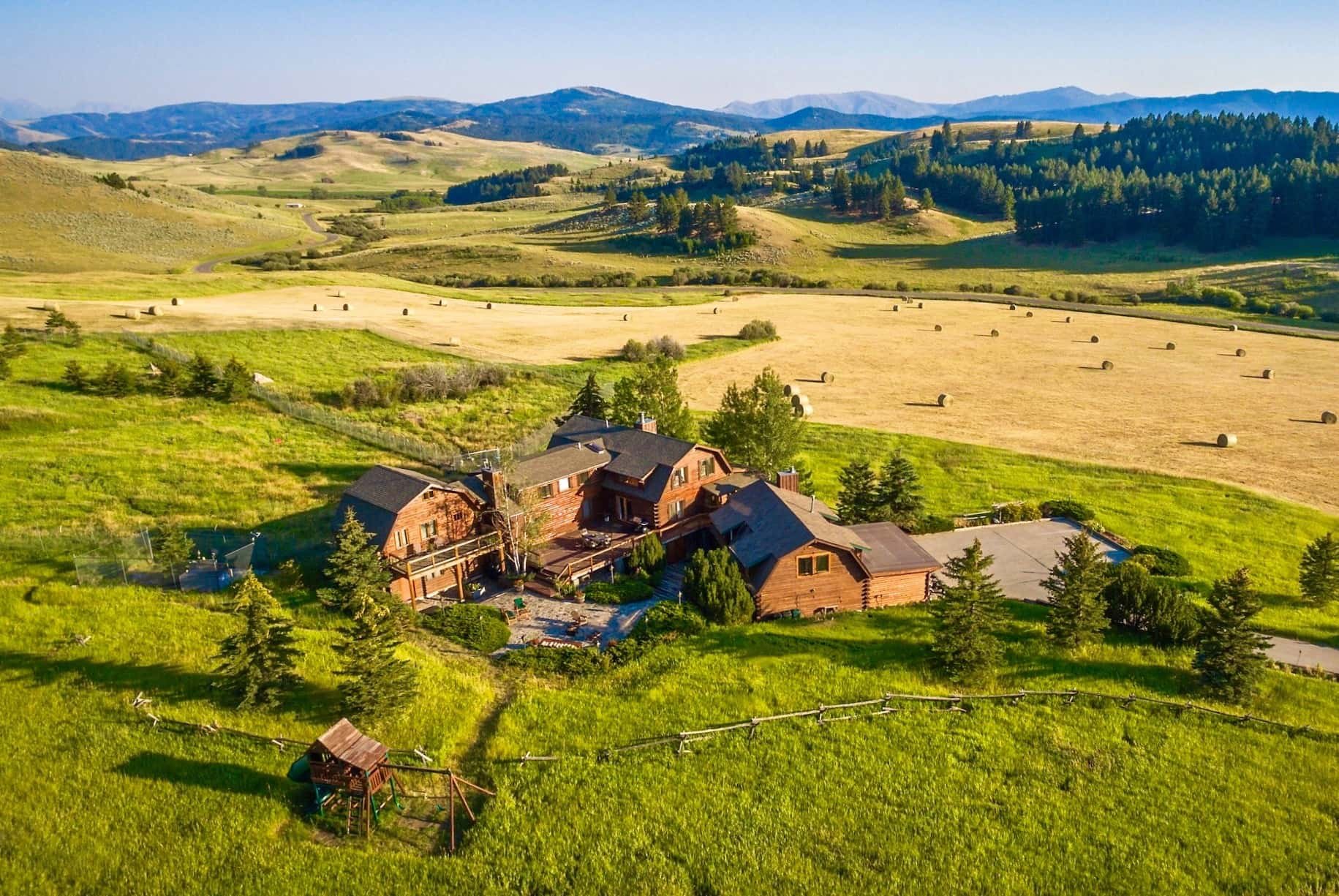
Where the Architecture Is the Land Itself
Montana's most considered lodging properties tend to make the same structural argument: that the building should defer to what surrounds it. At Howlers Inn B&B and Wolf Sanctuary, located on Jackson Creek Road at the northern edge of the Gallatin Valley, that argument is taken further than most. Here, the physical layout of the property is arranged around the presence of a living wolf sanctuary, which means the sightlines, the setbacks, and the spatial logic of the grounds are dictated not by an interior designer but by the behavioral requirements of resident wolf packs. That is an unusual design premise for a bed-and-breakfast anywhere in the United States, and it produces an environment that reads less like a curated retreat and more like a working landscape you happen to be sleeping inside.
This places Howlers Inn in a distinct tier within Gallatin County's accommodation spectrum. The county hosts properties that range from large-format guest ranches like 320 Guest Ranch to canvas-format glamping operations such as Under Canvas West Yellowstone, most of which position wilderness as backdrop. Howlers Inn positions wildlife as the primary architectural program. The distinction matters when you're choosing where to stay.
The Spatial Logic of a Sanctuary Property
Sanctuary properties occupy a specific niche in American experiential lodging. They exist at the intersection of conservation infrastructure and hospitality, and the tension between those two functions shapes everything about how the space is organized. At most such properties, the sanctuary component operates at a remove from the guest quarters, with viewing areas separated by significant buffer zones. What distinguishes Jackson Creek Road properties in Montana's broader Gallatin corridor is the density of wildlife terrain immediately adjacent to developed land, which compresses that buffer in ways that properties in more managed landscapes cannot replicate.
The bed-and-breakfast format itself carries spatial implications. B&B properties nationally tend toward smaller footprints, shared common areas, and a lower key count than full-service hotels, which aligns reasonably well with the operational constraints of maintaining an active sanctuary on the same parcel. You are not arriving at a resort with 80 rooms and a spa; you are arriving at a property where the number of guests at any given time is deliberately limited, and where the morning schedule is shaped by when and where the wolves are visible, not by a breakfast service timed to conference check-ins.
This kind of spatial constraint is, in the current American lodging market, increasingly valued rather than merely tolerated. Properties like Amangiri in Canyon Point and Ambiente, A Landscape Hotel in Sedona have built premium identities around the idea that the physical environment governs the guest experience rather than the other way around. Howlers Inn arrives at a similar conclusion through a very different price point and a much more specific conservation rationale.
The Montana B&B Format in Context
Bed-and-breakfast lodging in Montana follows patterns established across the rural American West: converted ranch buildings, owner-operated properties with limited room counts, and an emphasis on proximity to outdoor activity rather than on-site amenity. What separates the better-positioned properties from generic roadside alternatives is usually a single distinguishing anchor, whether that is direct trail access, a working farm component, or, in Howlers Inn's case, an integrated wildlife facility that no other B&B in the region replicates.
In a county where the broader lodging conversation often centers on proximity to Yellowstone or Bozeman's increasingly active dining and arts scene, a property on Jackson Creek Road operates slightly outside the main tourist vectors. That geographic positioning is not incidental. It reflects a property type that draws visitors who have already made a specific decision about what kind of Montana experience they want, rather than one that relies on foot traffic or general Bozeman tourism. The audience for a wolf sanctuary B&B is self-selecting in ways that most accommodation formats are not, and that specificity tends to produce a more coherent on-site experience even when the infrastructure is modest.
For travelers calibrating between property types in the region, the comparison set worth holding in mind includes Sage Lodge in Pray and Alpine Falls Ranch in Superior, both of which occupy the Montana wildlife-adjacent lodging space with different formats and price tiers. Howlers Inn sits at the more intimate, lower-cost end of that spectrum, with the sanctuary component functioning as the primary differentiator rather than service depth or design finish.
What the Wolf Sanctuary Means for the Stay
Wolf sanctuaries in the American West have a particular cultural weight that distinguishes them from general wildlife parks. The gray wolf's reintroduction to Yellowstone in 1995 remains one of the most discussed conservation interventions in U.S. natural history, reshaping elk migration patterns, riverine vegetation, and the broader predator-prey dynamics of the ecosystem. In that context, a working wolf sanctuary adjacent to the Gallatin Valley is not a novelty attraction; it is a property embedded in an ongoing ecological conversation that serious wildlife travelers understand and seek out.
The design consequence of maintaining resident wolves is that the property's physical organization must accommodate the animals' spatial needs first. Viewing infrastructure, fencing systems, feeding logistics, and the spatial relationship between sanctuary areas and guest quarters all derive from those requirements. For guests, this means the experience of the property is partly about watching how a working sanctuary actually functions, which is a different kind of transparency than you get at properties where wilderness is aesthetic rather than operational.
Planning a Stay: Practical Orientation
Howlers Inn sits at 3185 Jackson Creek Road, Bozeman, MT 59715, reachable from central Bozeman in under 30 minutes by road. Bozeman Yellowstone International Airport connects the region to major U.S. hubs, making the property accessible without a particularly complex transit chain. Given the limited scale typical of sanctuary B&B operations, lead time on reservations is advisable, particularly during the summer wildlife season and fall shoulder period when Gallatin County visitation is highest.
Travelers considering Montana's broader premium lodging tier for comparison purposes will find contrasting formats at Amangani in Jackson Hole and, further afield, at properties like Post Ranch Inn in Big Sur, where the design-led, landscape-integrated approach operates at a higher price point and finish level. Howlers Inn does not compete in that tier, nor does it try to. Its competitive set is the small, mission-driven lodging category where the reason for existence is more specific than comfortable beds and a good view, and where the physical environment is the program rather than the frame around it.
For a broader orientation to Gallatin County's dining and accommodation options, see our full Gallatin County restaurants guide. Additional reference properties for understanding Montana's lodging range include Troutbeck in Amenia for the owner-operated B&B format done at a higher finish level, and SingleThread Farm Inn in Healdsburg for how a working-land premise can anchor a hospitality property with considerable rigor. Neither is a direct analog to Howlers Inn, but both illustrate the category's ceiling.
At-a-Glance Comparison
| Venue | Price | Awards |
|---|---|---|
| Howlers Inn B&B and Wolf Sanctuary, Bozeman MT Bed and Breakfast LodgingThis venue — the venue you are viewing | Not listed | Not listed |
| Aman New York | Not listed | 3 Michelin Keys · World's 50 Best #87 |
| Amangiri | $1,000–1,500 | 3 Michelin Keys · World's 50 Best #45 |
| Hotel Bel-Air | $750–1,000 | 3 Michelin Keys · World's 50 Best #57 |
| The Beverly Hills Hotel | Not listed | 3 Michelin Keys · World's 50 Best #65 |
| The Carlyle, A Rosewood Hotel | $1,500–2,500 | 2 Michelin Keys · World's 50 Best #64 |
Continue exploring
More in Bozeman
Hotels in Bozeman
Browse all →
Bars in Bozeman
Browse all →
Restaurants in Bozeman
Browse all →


Details
- Rustic
- Scenic
- Cozy
- Whimsical
- Romantic Getaway
- Family Vacation
- Weekend Escape
- Panoramic View
- Historic Building
- Wi Fi
- Breakfast Included
- Sauna
- Fitness Center
- Mountain
Relaxing and pastoral atmosphere in a beautiful log home with cozy living spaces, wood-burning fireplace, and serene mountain and wolf enclosure views.