Chico Hot Springs
Chico Hot Springs has anchored the Yellowstone gateway corridor since the late nineteenth century, drawing travelers who want thermal soaking, mountain air, and a dining room that punches above its remote address.
- Address
- 163 Chico Rd, Pray, MT 59065
- Phone
- (406) 333-4933
- Website
- chicohotsprings.com
- Directions
- Get directions
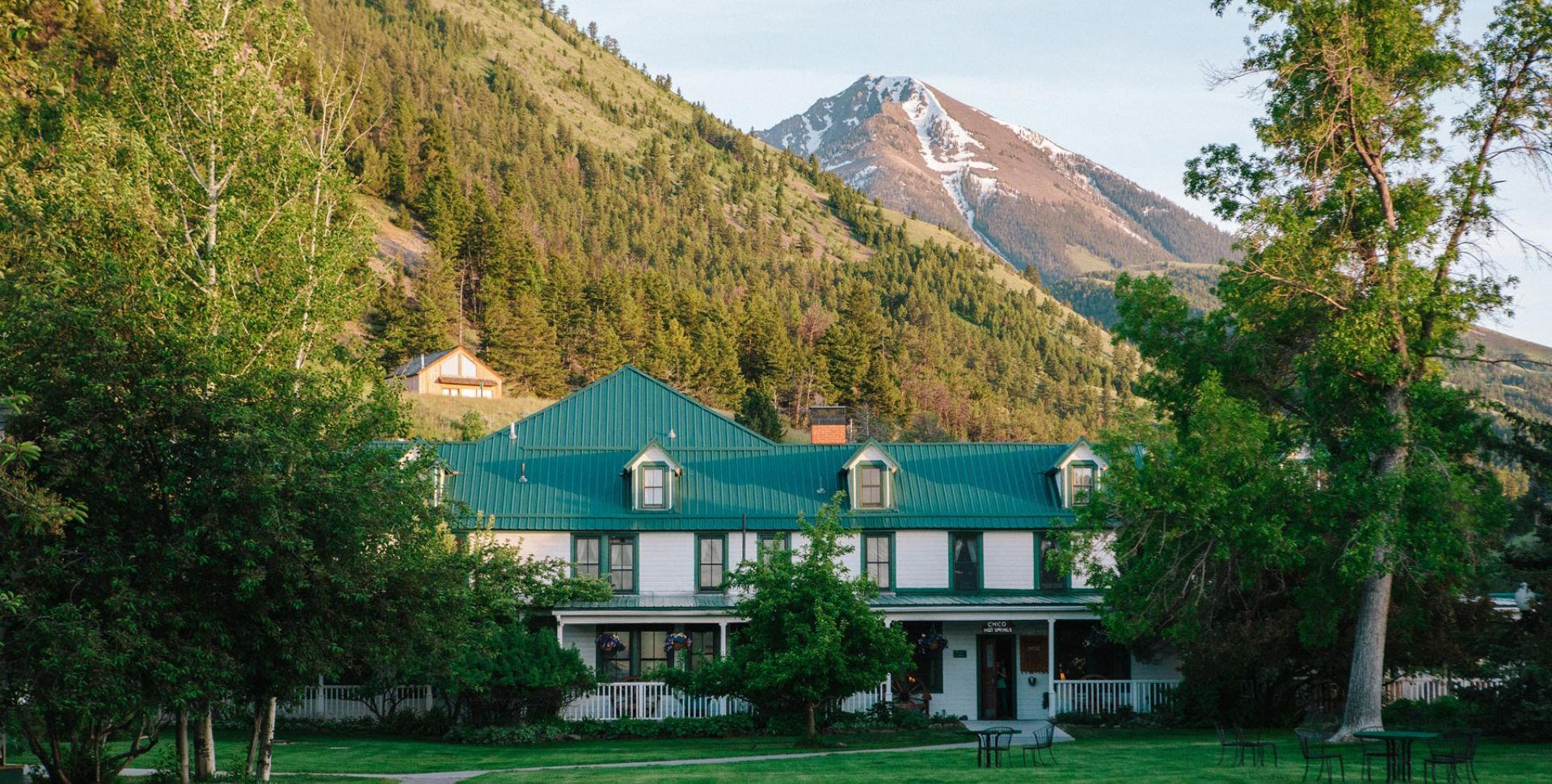
A Montana Institution in the Yellowstone Corridor
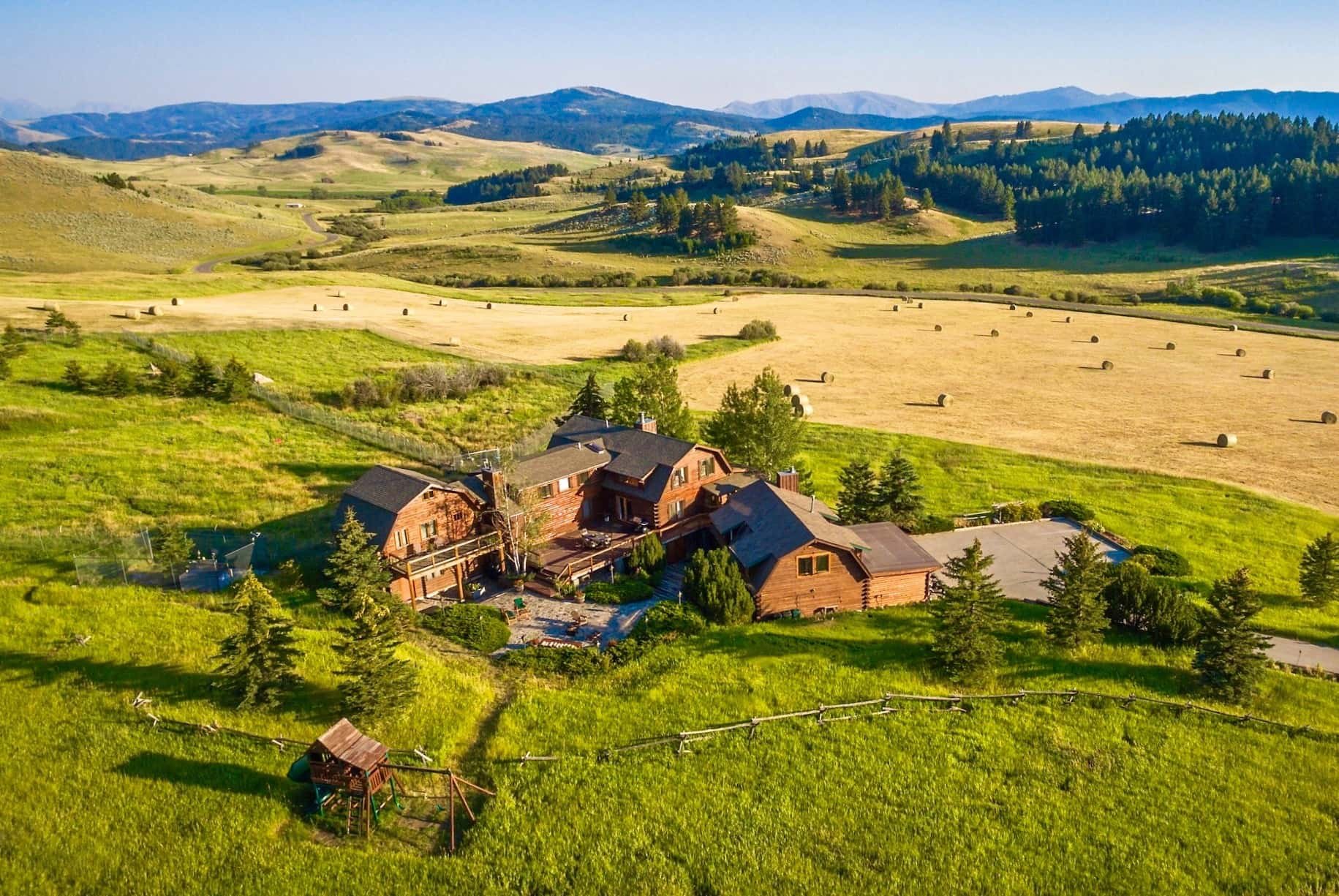
The road into Pray, Montana tells you something before the buildings do. The Absaroka Range fills the windshield, the Yellowstone River runs alongside the highway, and the traffic thins to almost nothing within minutes of leaving Livingston. This is the gravitational field that Chico Hot Springs Resort & Day Spa has occupied since 1900, and the setting does a significant share of the property's work. Unlike destination resorts engineered around amenity stacking, Chico's appeal is largely environmental: the valley it sits in is one of the most intact wildlife corridors in the lower forty-eight, and the thermal pools that gave the property its name draw from a geothermal source that predates the hotel by geological time.
That longevity matters architecturally as much as historically. The original Main Lodge, built at the turn of the twentieth century, represents the frontier resort typology that defined Montana hospitality before the national park concession model arrived. Clapboard construction, covered porches facing the mountains, and interiors that lean on wood rather than glass — the language is vernacular rather than curated, and that authenticity is harder to replicate than any number of designer interventions. Properties like Amangiri in Canyon Point or Ambiente in Sedona achieve landscape integration through precision design; Chico does it through duration and material honesty.
Architecture as Accumulated History
The physical vocabulary of Chico Hot Springs is worth examining on its own terms, because it represents a design philosophy that the broader resort industry has largely abandoned: the idea that a property can simply grow rather than be conceived whole. The original 1900 bathhouse structure set a scale and material palette that subsequent additions have broadly respected. Low-slung, horizontal, and clad in finishes that weather rather than resist weathering — the complex reads as something that belongs to this valley rather than something installed in it.
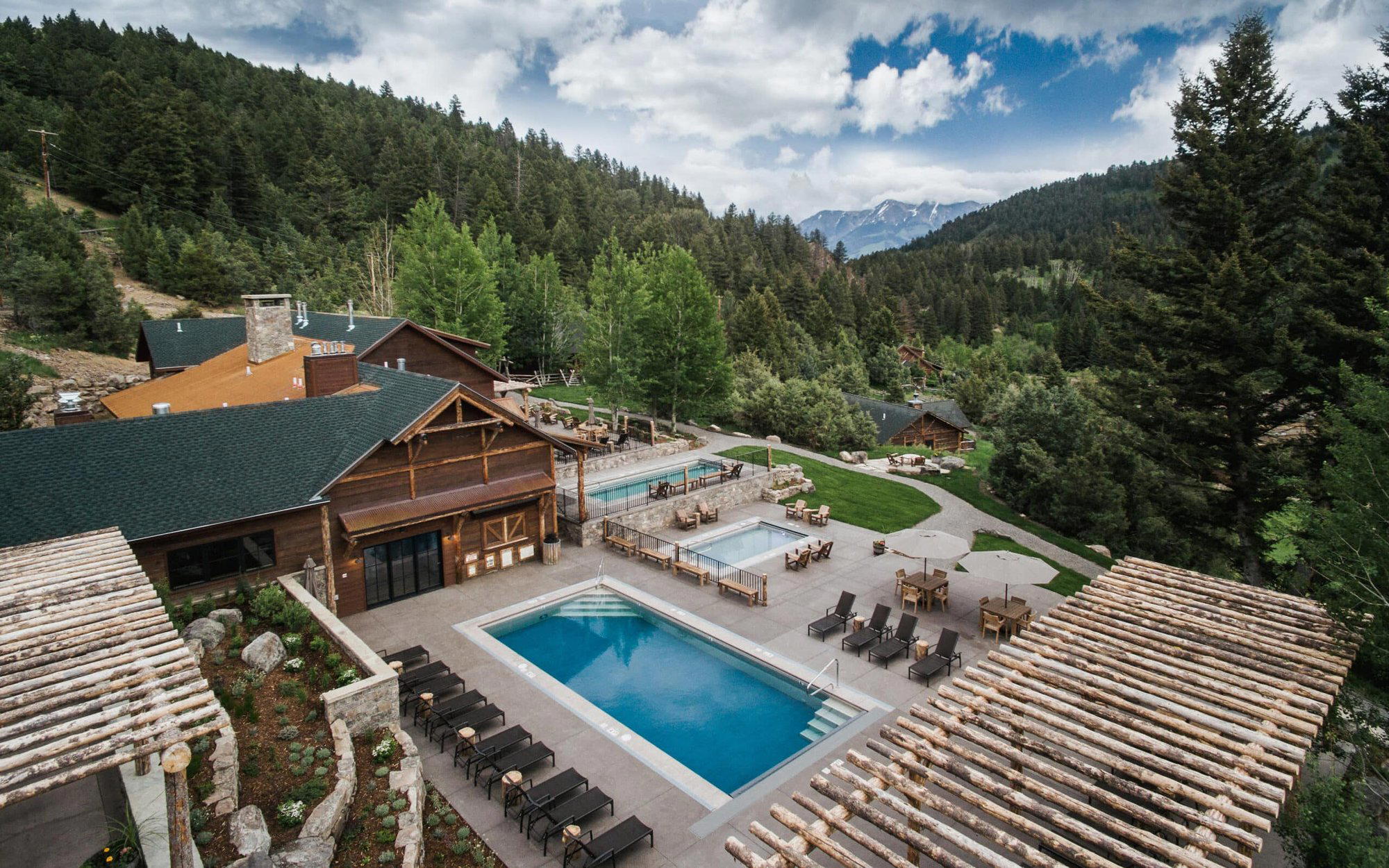
This incremental approach to building produces a particular kind of spatial experience. Guests move between structures of different eras, which means different ceiling heights, different window scales, and different relationships between interior and exterior. The thermal pools themselves occupy an open-air position that makes no architectural pretension: concrete surrounds, mountain views, and water warm enough to use in January. In a period when resort wellness facilities tend toward the palatial, consider the spa programs at Canyon Ranch Tucson or the elaborate water architecture at Four Seasons at The Surf Club in Surfside, Chico's pools are almost aggressively unpretentious, and that restraint is the point.
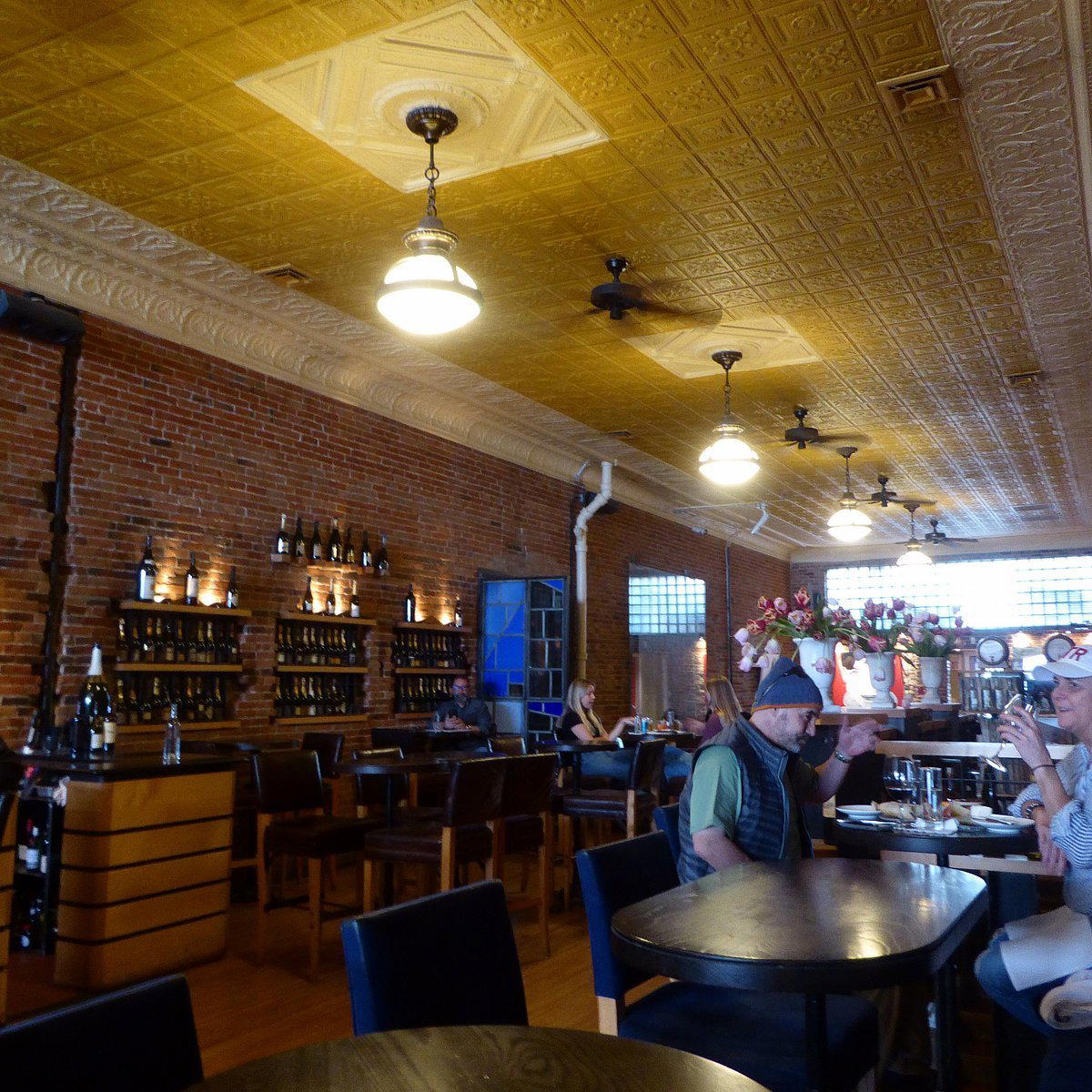
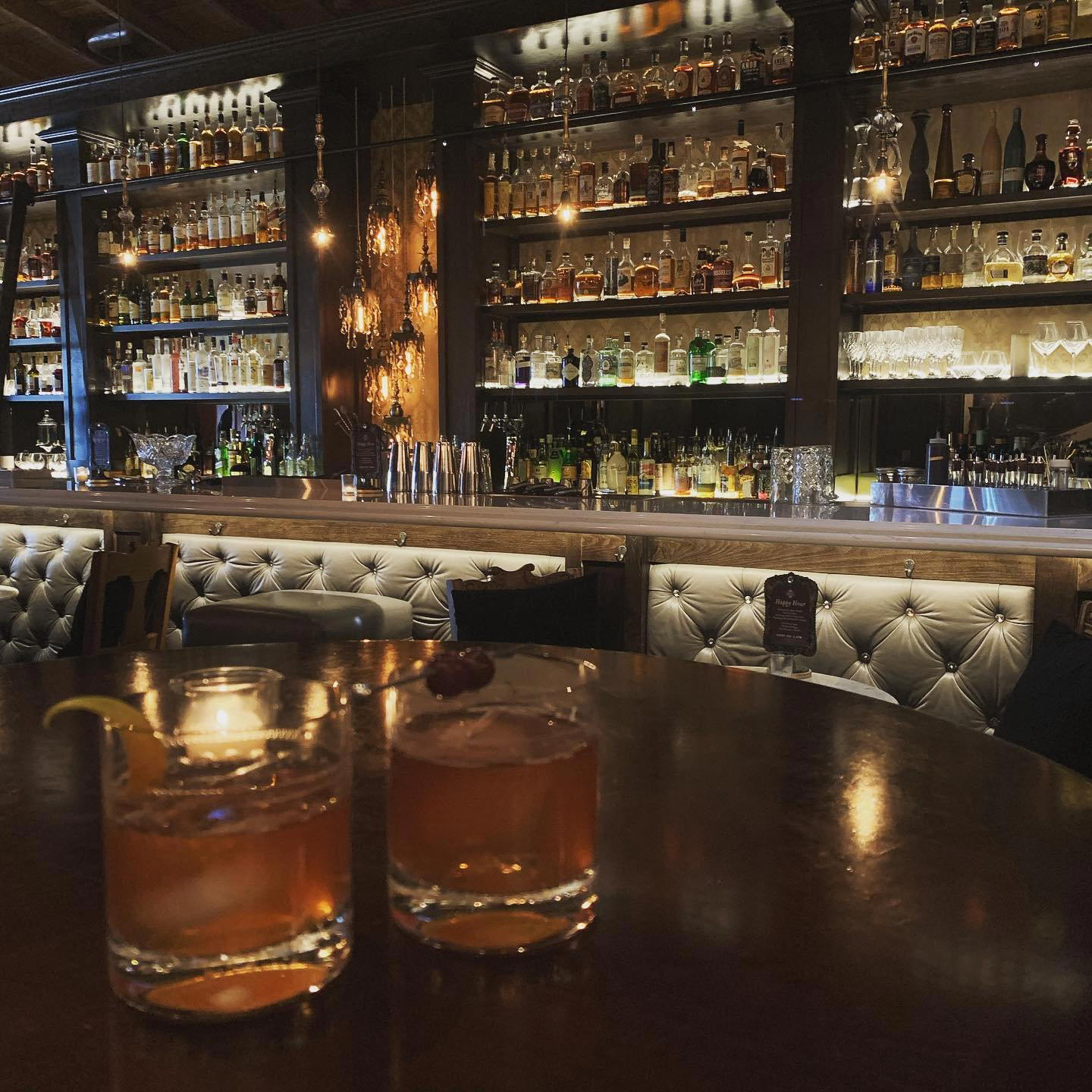
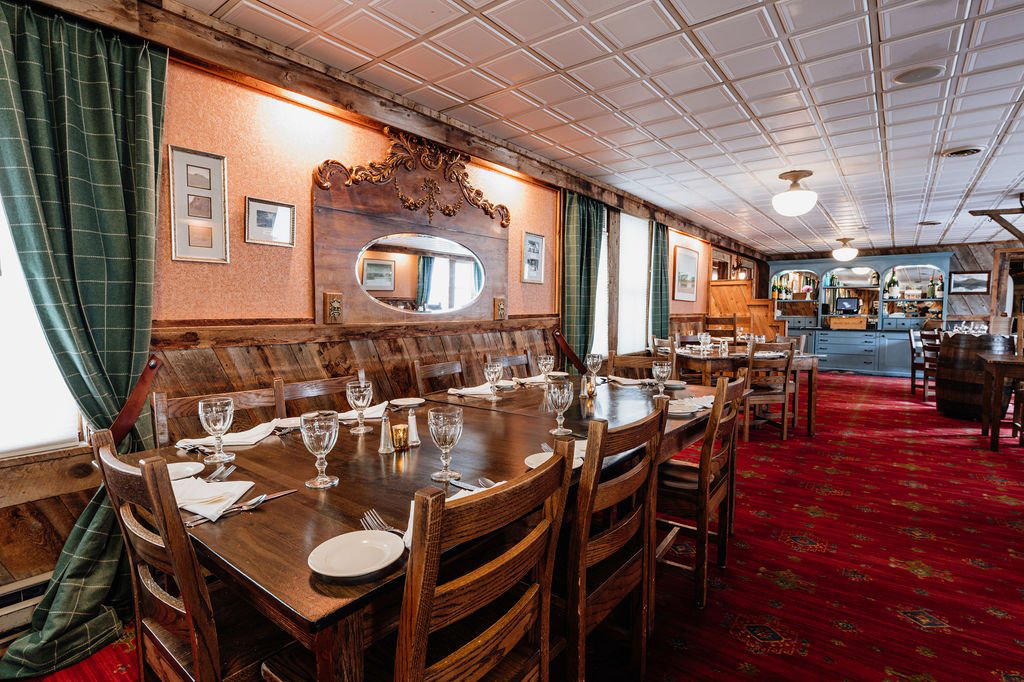
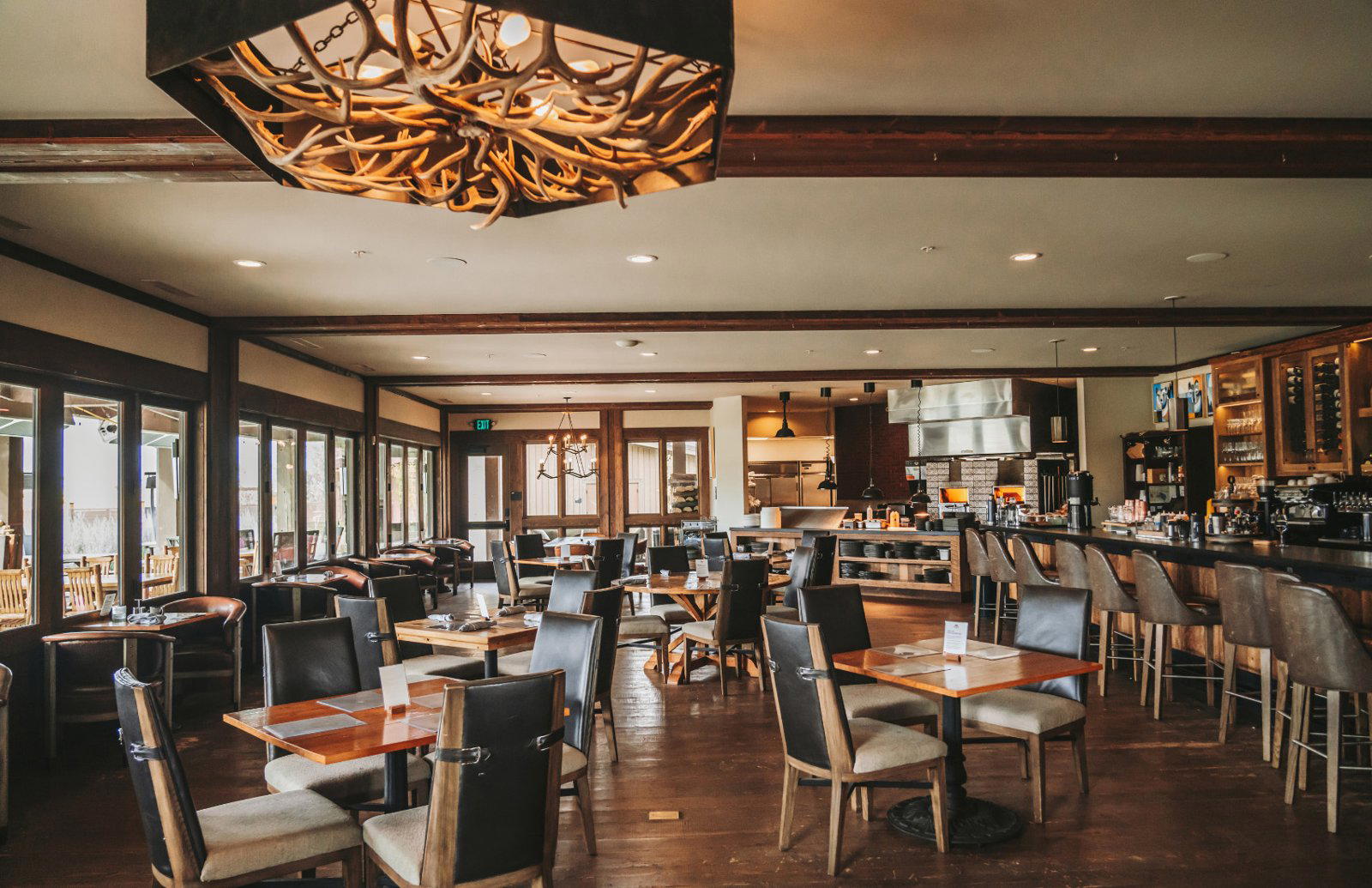
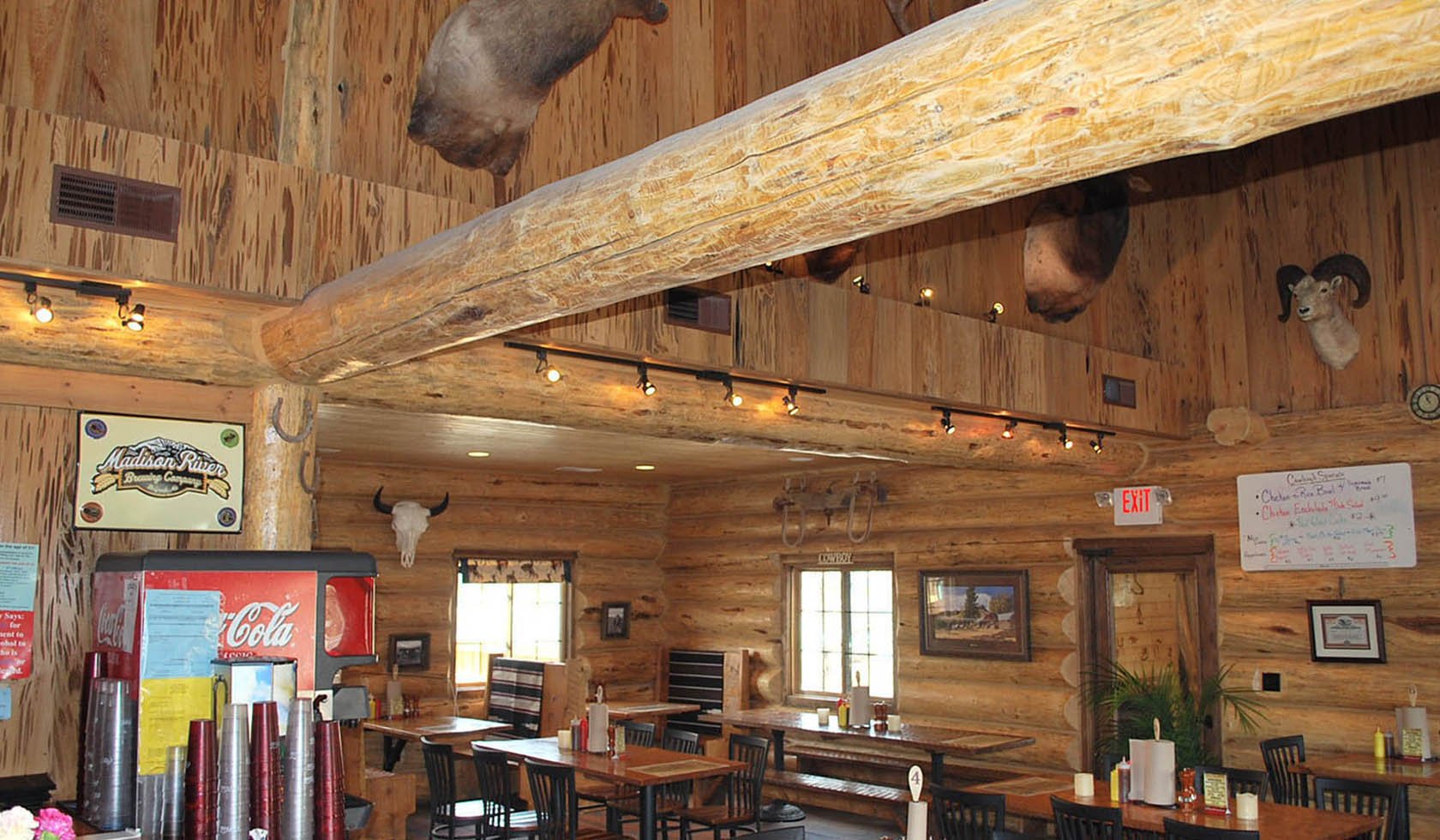
The dining room operates within the same frame. The main restaurant has carried a reputation in the region that extends well beyond what the surrounding population density would normally support, drawing guests from Livingston and Bozeman who make the drive specifically for the meal. This is a meaningful signal in a state where serious dining infrastructure is concentrated in a handful of cities. The room itself reflects the lodge's material logic: warm, wood-forward, and lit at a register that suits the altitude and the season. For context on how destination lodges in this category balance dining ambition against remote settings, properties like Blackberry Farm in Walland and SingleThread Farm Inn in Healdsburg represent the high end of that spectrum; Chico operates in a different register, less precision-driven but no less committed to the table as a social center of gravity.
Placing Chico in Its Competitive Set
The Yellowstone gateway corridor has seen new entrants in the premium lodging category. Sage Lodge in Pray sits on the same stretch of the Yellowstone River and represents a more recent, more design-forward interpretation of the same landscape. That comparison is instructive. Where Sage Lodge offers a curated, contemporary aesthetic aimed at a traveler who might otherwise book Amangani in Jackson Hole, Chico occupies an older and arguably more durable position: the historic resort that locals actually use, where the thermal pools are community infrastructure as much as guest amenity.
This distinction shapes the atmosphere in ways that architectural drawings cannot. Chico's guest mix has historically included working ranchers, Yellowstone researchers, Livingston writers and artists, and international visitors arriving via Bozeman Yellowstone International Airport, all sharing the same dining room and pool deck. That heterogeneity is rare in the premium resort category, where guest profiling tends to narrow the social experience. Properties like Troutbeck in Amenia have cultivated a similarly mixed creative-and-local atmosphere, though in a very different geographic context. The analogy is structural rather than stylistic: both properties function as genuine gathering places rather than enclosed luxury environments.
Post Ranch Inn in Big Sur and Bernardus Lodge & Spa in Carmel Valley represent how California properties have monetized landscape integration at a higher price point and with more deliberate design control. Alpine Falls Ranch in Superior offers another Montana-adjacent comparison for travelers who want a more private, ranch-scale experience. Chico sits at a different intersection: accessible enough to draw day visitors for the pools, substantial enough to anchor a multi-night stay anchored around Yellowstone access.
Planning a Stay
Park County's hospitality season peaks in summer, when Yellowstone visitation is at its highest and the valley is fully accessible. Winter visits are meaningful here in a way they aren't at many comparable properties: the thermal pools are at their atmospheric leading when the air temperature is below freezing, and wildlife viewing in the corridor between Chico and the park's northern entrance is often more concentrated in cold months when animals move to lower elevations. Travelers arriving from major hubs should plan for Bozeman Yellowstone International Airport, roughly forty-five miles from the property, with car rental essential given the rural approach. For those planning a broader Montana itinerary or comparing lodging options across the region, our full Park County restaurants and hotels guide maps the wider scene.
Accommodation at Chico spans the original Main Lodge rooms through individual cabins and newer additions, a range that reflects the property's growth-by-accretion model and means that room character varies substantially across the booking range. The dining room draws reservations from outside the guest list, so advance booking for dinner is advisable during peak periods regardless of where you're staying. For travelers whose reference points are properties like Little Palm Island Resort & Spa or Kona Village in Kailua Kona, the service register at Chico is warmer and less formal, calibrated to Montana rather than to a global luxury standard. That is not a limitation; it is the product.
Comparison Snapshot
| Venue | Price | Awards |
|---|---|---|
| Chico Hot SpringsThis venue — the venue you are viewing | Not listed | Not listed |
| Aman New York | Not listed | 3 Michelin Keys · World's 50 Best #87 |
| Amangiri | $1,000–1,500 | 3 Michelin Keys · World's 50 Best #45 |
| Hotel Bel-Air | $750–1,000 | 3 Michelin Keys · World's 50 Best #57 |
| The Beverly Hills Hotel | Not listed | 3 Michelin Keys · World's 50 Best #65 |
| The Carlyle, A Rosewood Hotel | $1,500–2,500 | 2 Michelin Keys · World's 50 Best #64 |
Continue exploring
More in Pray
Hotels in Pray
Browse all →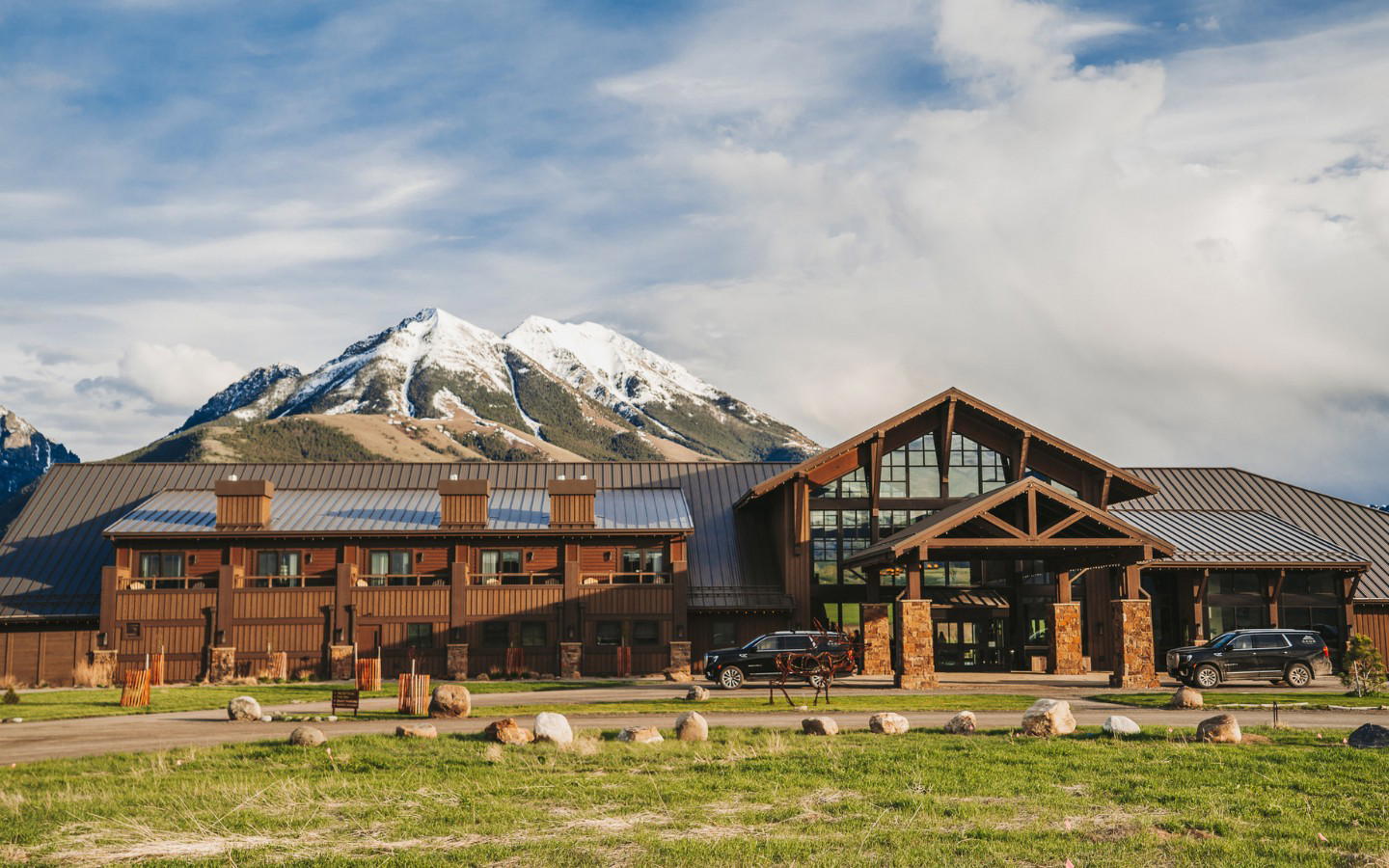
Details
- Rustic
- Scenic
- Cozy
- Historic
- Romantic Getaway
- Family Vacation
- Weekend Escape
- Historic Building
- Panoramic View
- Pool
- Spa
- Mountain
- Wheelchair Accessible
- Step Free Entrance
- Accessible Restroom
Rustic charm with relaxing mineral hot springs soaks amid scenic Montana landscapes.