Kimpton Armory Hotel Bozeman

Michelin Selected
A Michelin Selected hotel occupying a restored 1930s armory building in downtown Bozeman, the Kimpton Armory sits at the intersection of Montana's outdoor culture and the city's emerging sophistication. Its central position on Mendenhall Street puts Bozeman's restaurant corridor and the trail access of Bridger Bowl within easy reach. For travellers who want a design-forward base without leaving the urban core, it anchors the city's short list of considered accommodation options.

Pearl is the En Primeur Club membership app — saves, bookings, and concierge access live there. Same editors, same standards.
- Address
- 24 W Mendenhall St, Bozeman, MT 59715
- Phone
- (406) 551-7700
- Website
- armoryhotelbzn.com
- Directions
- Get directions
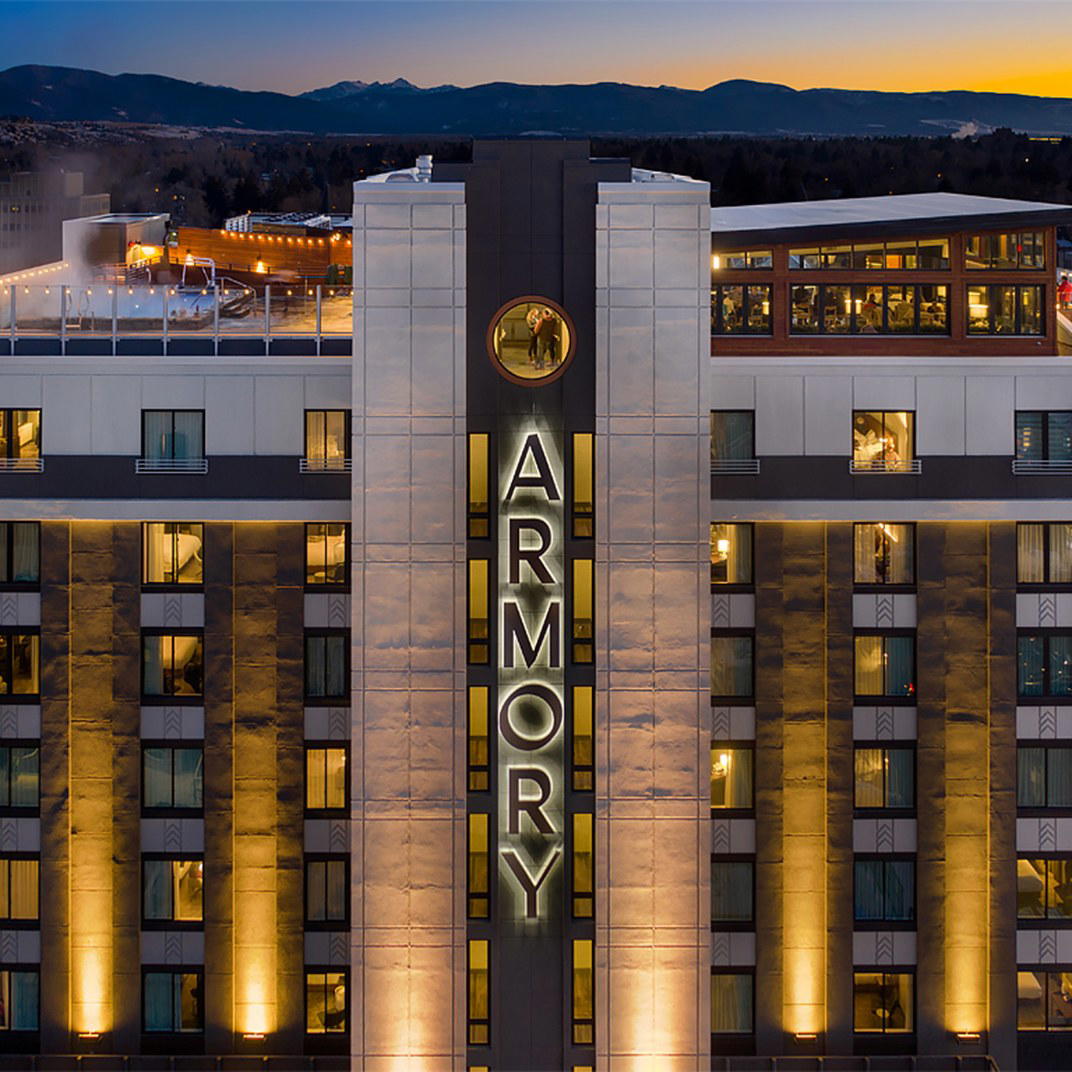
Downtown Bozeman has changed considerably over the past decade, and nowhere captures that shift more plainly than the block around West Mendenhall Street. What was once a functional small-city main street has developed a concentration of chef-driven restaurants, independent retailers, and hotels with genuine architectural ambition. The Kimpton Armory Hotel Bozeman, occupying a restored 1930s armory building at 24 W. Mendenhall St. sits inside that wave of civic reinvestment rather than leading it from a remove. The building's bones — thick masonry, high ceilings, the structural confidence of interwar civic architecture — give it a physical presence that newer construction on the same block cannot replicate.
A City Finding Its Register
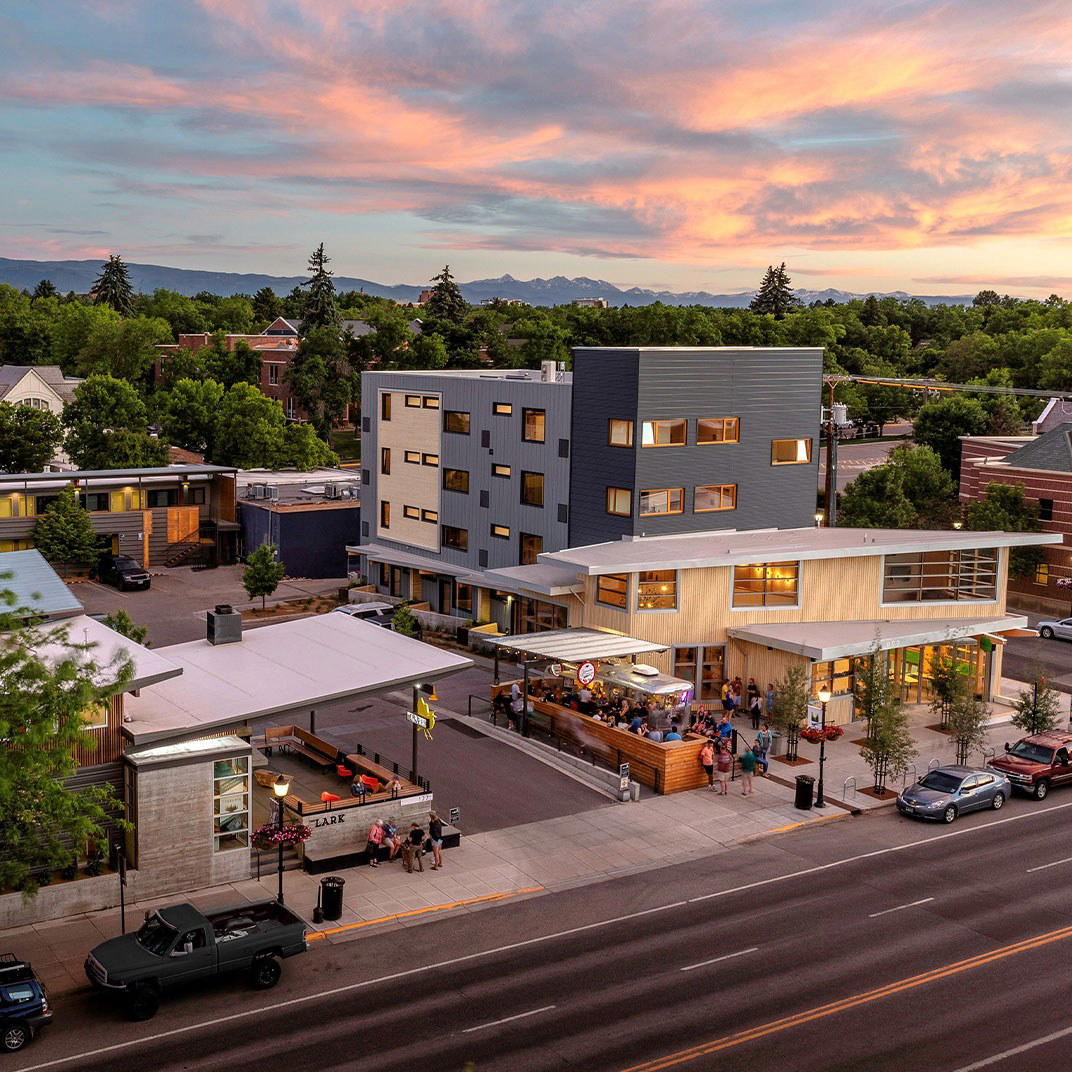
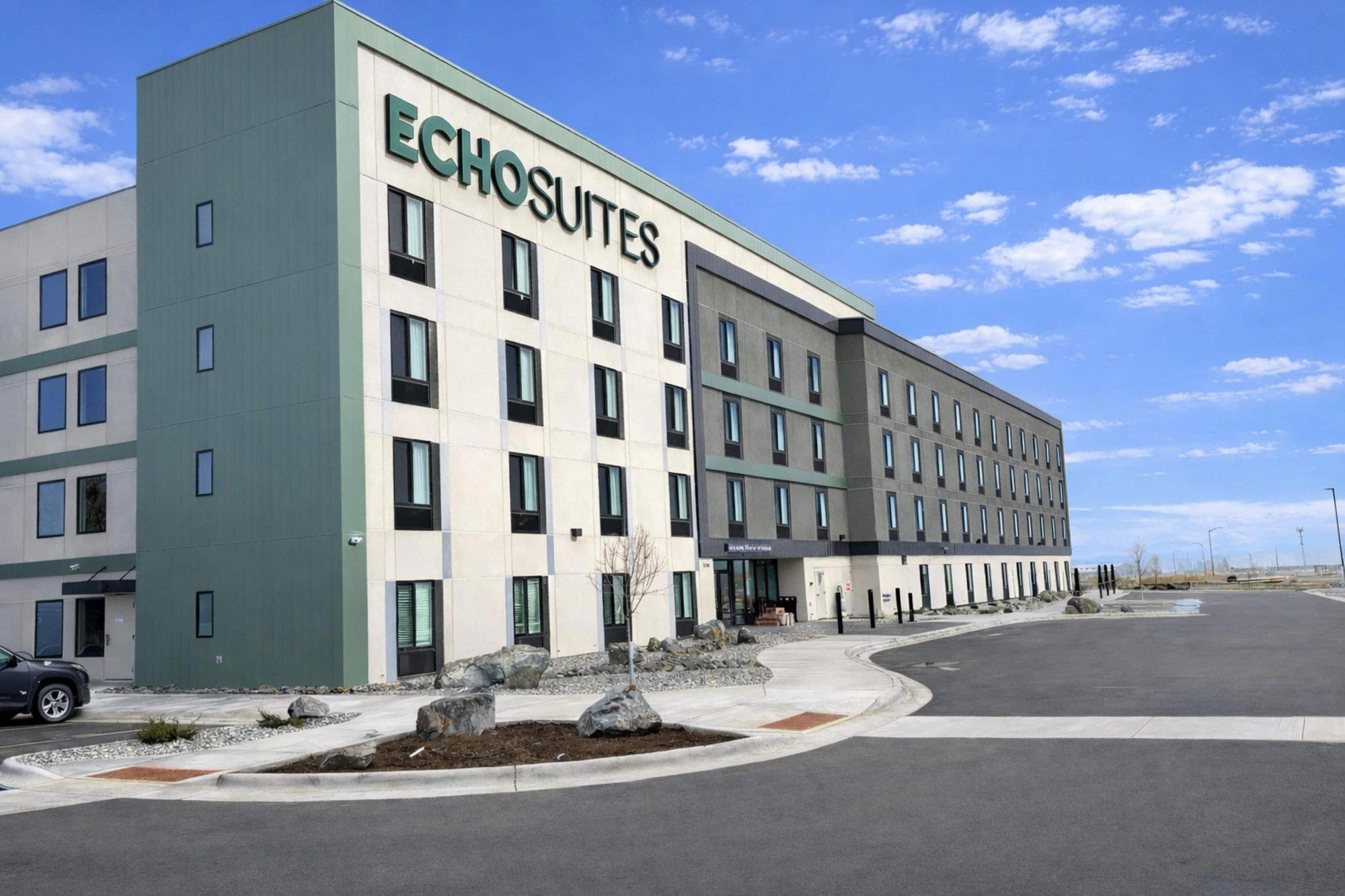
Bozeman's hospitality market has bifurcated in a way that mirrors broader Mountain West patterns. On one side sit the extended-stay and limited-service properties serving the university and tech-sector workers who have relocated in large numbers since 2020; ECHO Suites Extended Stay Bozeman represents that functional tier. On the other side, a smaller group of hotels has moved toward design and food programming as primary differentiators. The LARK competes in that upper bracket alongside the Armory, and the two properties effectively define the ceiling of the downtown accommodation market. The Kimpton's 2025 Michelin Selected designation confirms its position in that tier, placing it alongside a short list of American hotels recognised by the guide outside traditional coastal markets.
That recognition matters because Michelin's hotel selection methodology is not simply about room quality. It weighs the dining and bar programme, the consistency of service, and the degree to which a property integrates with its city rather than existing as a sealed environment. For a brand known across properties like Chicago Athletic Association in Chicago, the Armory's selection signals that Kimpton's execution here has met a bar that its peers in larger markets have been held to for longer.
The Dining Programme as Anchor
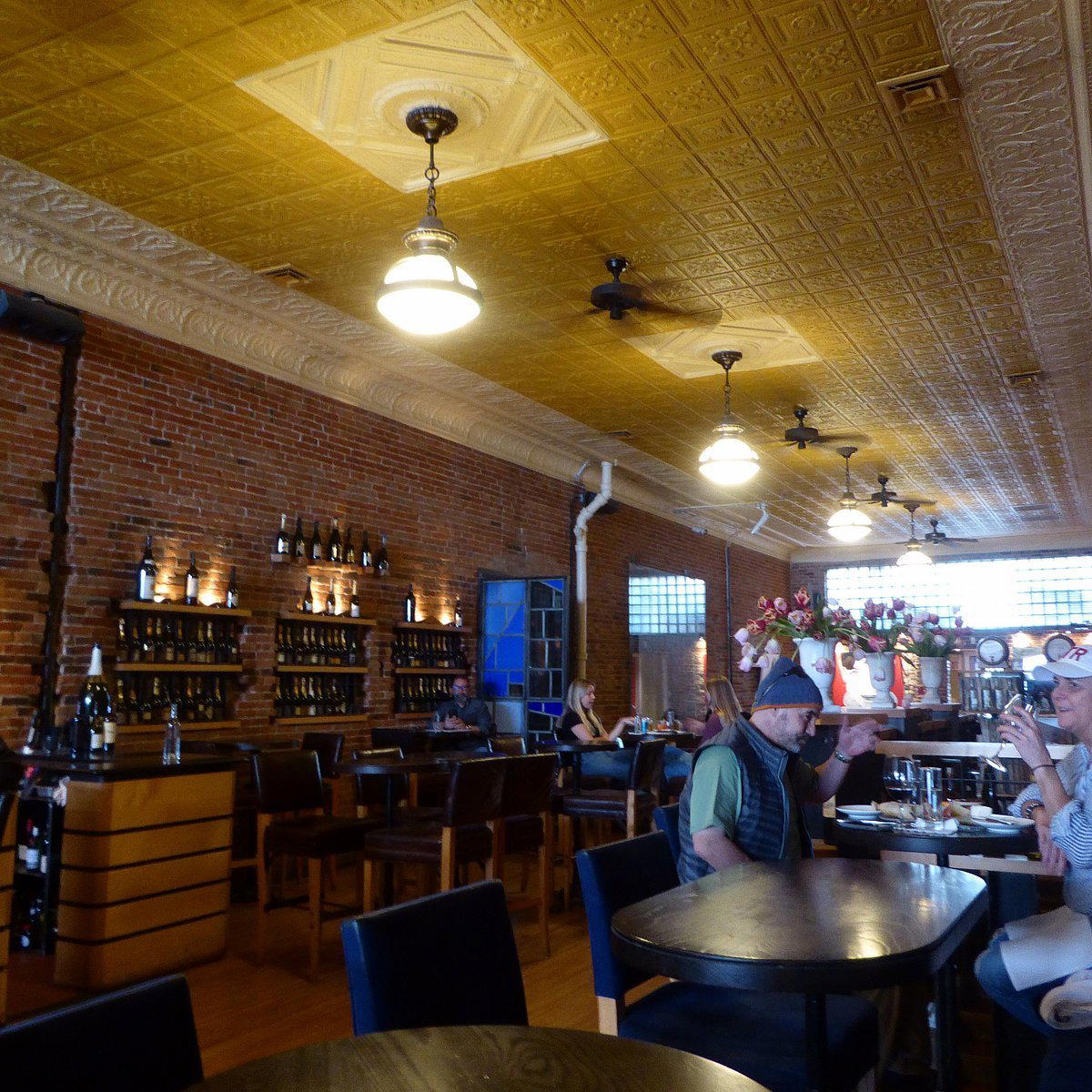
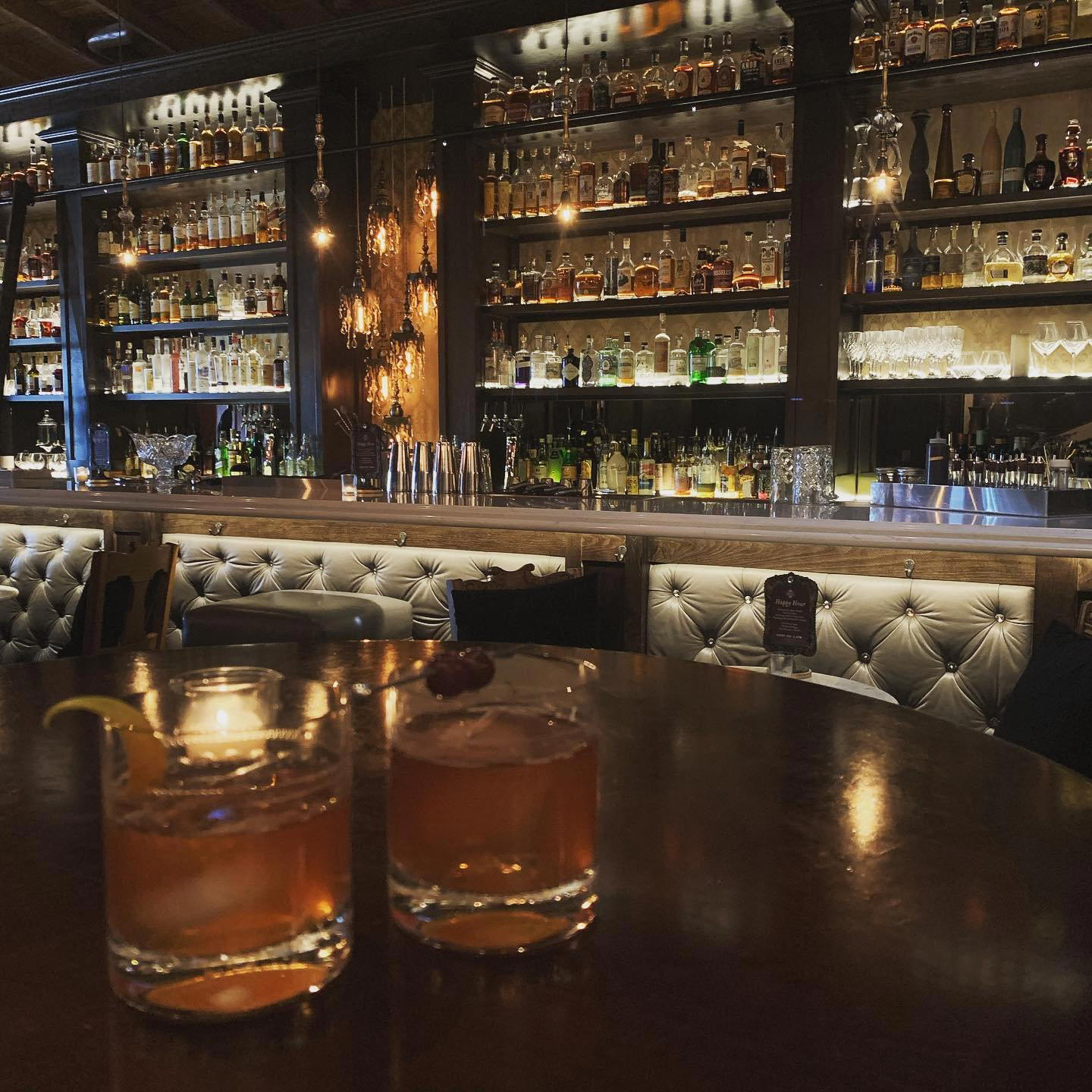
In the current Mountain West hotel market, food and beverage has become the clearest differentiator between properties that merely offer rooms and those that give guests a reason to stay in the building after check-in. The Armory's restaurant and bar operation occupies that role within the property, positioning it as a destination for Bozeman residents as much as for hotel guests. This is not incidental, Kimpton has built its brand identity around hotels where the food and beverage outlet generates its own reputation independent of room revenue, a model that works particularly well in mid-size cities where strong local restaurant competition means hotel restaurants must earn their place on merit.
Bozeman's restaurant scene has matured to the point where mediocre hotel dining has no natural audience. The city supports serious independent operators across a range of cuisines, as documented in our full Bozeman restaurants guide. A hotel that cannot hold its own in that context loses its food and beverage programme to irrelevance. The Armory's inclusion in the Michelin Selected list suggests its dining operation passes that test, though the specifics of the current menu and chef team are confirmed through the hotel directly.
For context, the approach at properties like Troutbeck in Amenia or The Stavrand in Guerneville, where the kitchen anchors a broader sense of place rather than operating as an amenity, represents the direction that aspirational boutique hotels have moved in across the American interior. The Armory's urban Bozeman setting makes that kind of programme legible to a guest base that includes both destination visitors and a growing local professional class.
Position in the Wider Mountain West Conversation
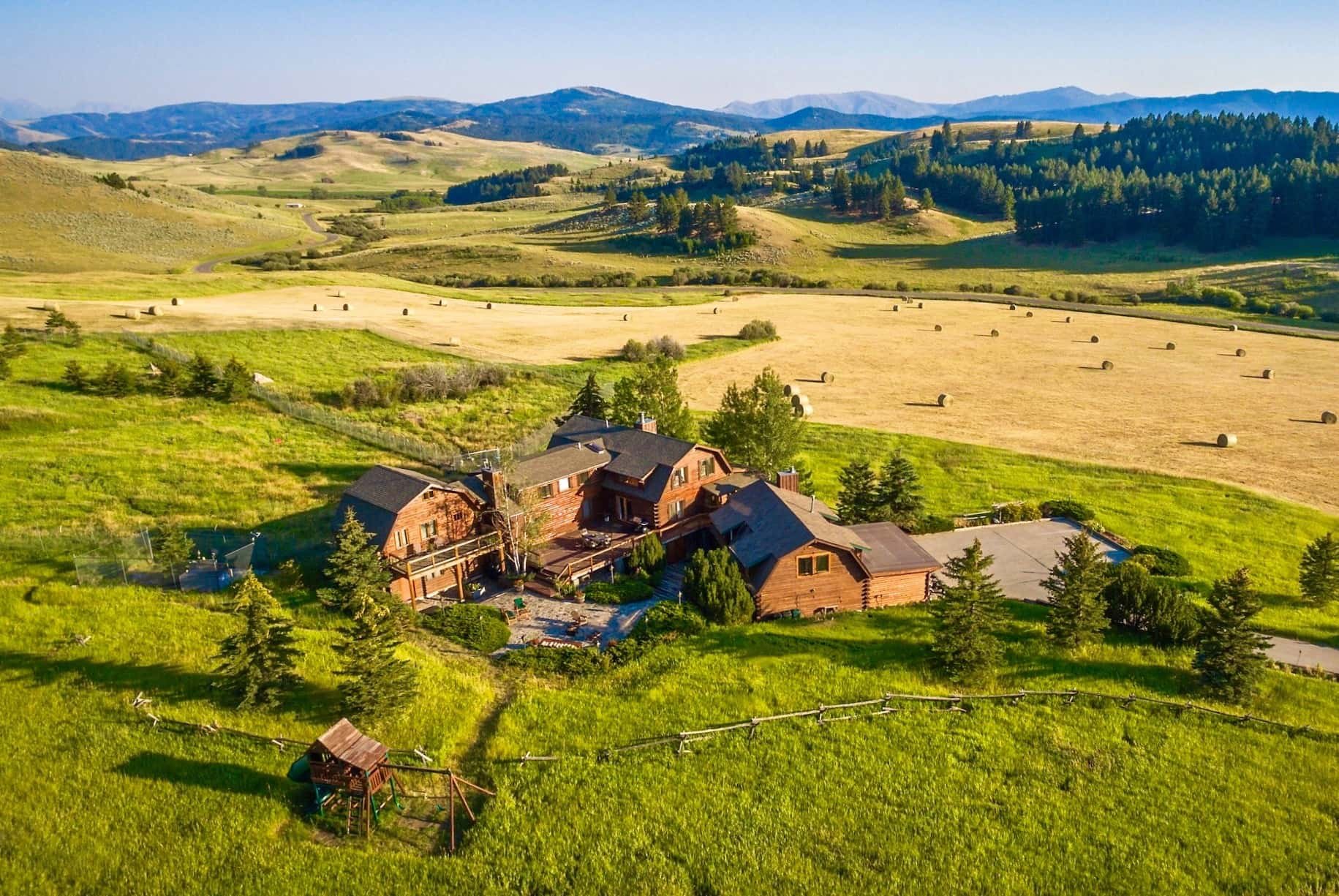
Guests who use Bozeman as a base for Yellowstone, Big Sky, or Bridger Bowl are making a deliberate trade-off: more urban amenities and services in exchange for a longer drive to the park entrance or ski hill. That trade-off has grown more attractive as Bozeman itself has developed. Properties in more remote settings, such as Sage Lodge in Pray or Dunton Hot Springs in Dunton, offer proximity to wilderness that a downtown hotel cannot match, but they operate in a different register entirely. The Armory competes with those properties for the same trip budget, but not for the same guest motivation.
Among American properties that balance urban design credibility with access to serious outdoor terrain, the comparison set is narrow. Washington School House Hotel in Park City occupies a similar position in Utah's ski market. In both cases, the hotel's appeal rests on the quality of its own environment as much as on the landscape surrounding it. The Armory's armory building heritage gives it a physical narrative that distinguishes it from purpose-built boutique hotels, in the same way that converted historic structures like The Hornibrook Mansion Empress of Little Rock carry an architectural specificity that new construction cannot manufacture.
For travellers calibrating expectations against internationally recognised properties, the Armory sits in a different category from a destination resort like Amangiri in Canyon Point or a grand urban landmark like The Fifth Avenue Hotel in New York City. It is a city hotel that happens to be in a city surrounded by mountains, and it performs that role with enough seriousness to earn a Michelin nod in a year when the guide was selective about its American hotel choices.
Planning Your Stay
The hotel sits at 24 W. Mendenhall St. in central Bozeman, within walking distance of the main dining and retail corridor. Bozeman Yellowstone International Airport (BZN) serves the city with direct flights from a growing number of hubs, and the airport is approximately 15 minutes from downtown by road. For guests arriving without a vehicle, the downtown location reduces dependency on a car for evening dining and exploration, though access to Yellowstone, Big Sky, or Bridger Bowl requires either a rental or arranged transfer. Booking details, current rates, and room availability are confirmed directly through Kimpton's reservations channel, as pricing at Montana mountain-town hotels shifts significantly between ski season, summer, and shoulder periods. The Michelin Selected designation does not imply a specific price tier, but in Bozeman's current market, downtown properties at this level of finish tend to command rates that reflect the city's compressed supply of considered accommodation.
Price and Recognition
| Venue | Price | Awards |
|---|---|---|
| Kimpton Armory Hotel BozemanThis venue — the venue you are viewing | $300–500 | Michelin Selected |
| Aman New York | Not listed | 3 Michelin Keys · World's 50 Best #87 |
| The Beverly Hills Hotel | Not listed | 3 Michelin Keys · World's 50 Best #65 |
| Amangiri | $1,000–1,500 | 3 Michelin Keys · World's 50 Best #45 |
| Hotel Bel-Air | $750–1,000 | 3 Michelin Keys · World's 50 Best #57 |
| The Carlyle, A Rosewood Hotel | $1,500–2,500 | 2 Michelin Keys · World's 50 Best #64 |
Recognition history
Dated appearances from independent guides and award organizations, with the underlying list record or original source where available.
Michelin Selected
Michelin
Details
- Modern
- Sophisticated
- Energetic
- Well Known
- Scenic
- Weekend Escape
- Business Trip
- Group Retreat
- Destination Wedding
- Romantic Getaway
- Historic Building
- Design Destination
- Panoramic View
- Rooftop Pool
- Terrace
- Wi Fi
- Pool
- Fitness Center
- Room Service
- Concierge
- Valet Parking
- Restaurant
- Bar
- Mountain
- Skyline
- Street Scene
- Wheelchair Accessible
- Elevator
- Accessible Restroom
- Step Free Entrance
- Accessible Parking
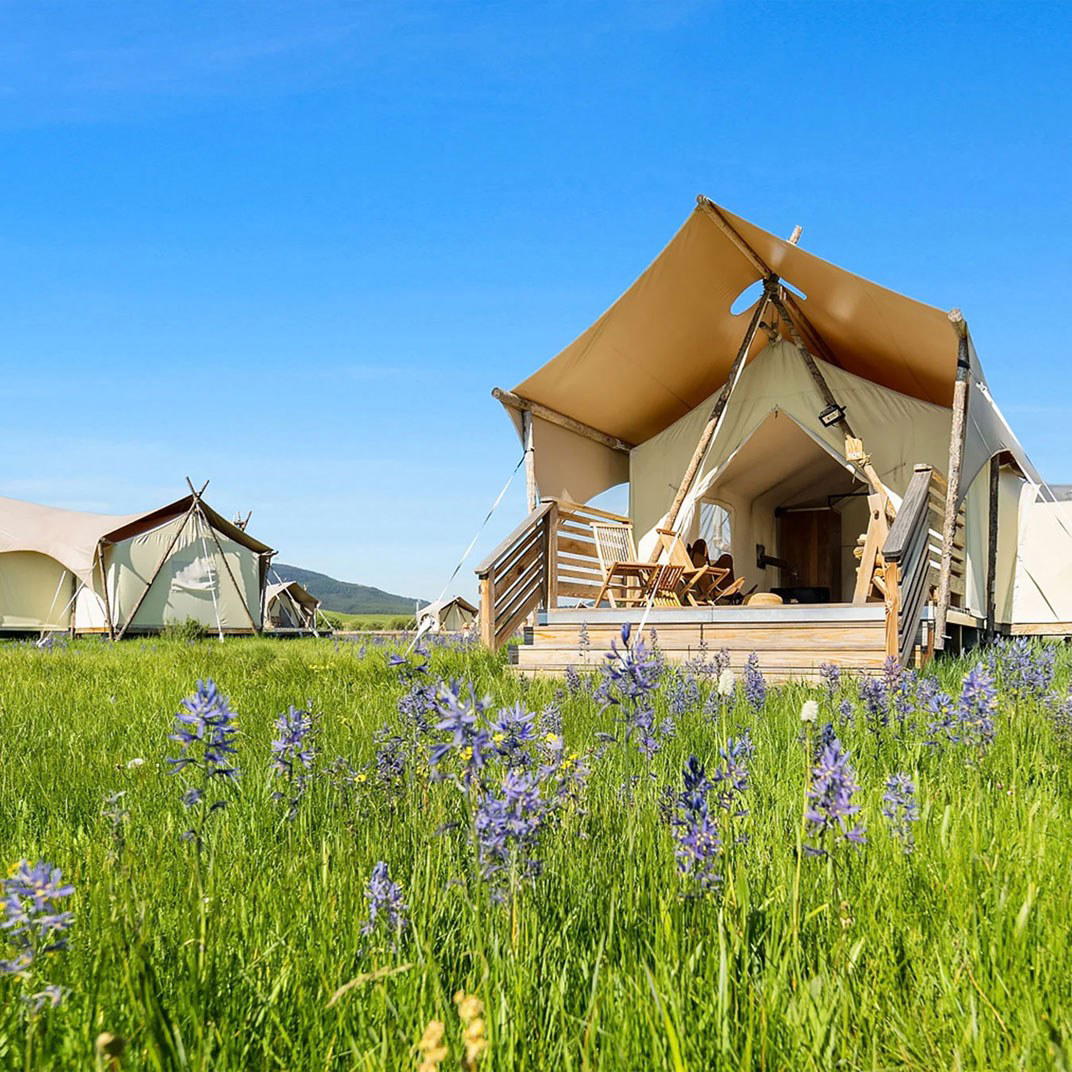
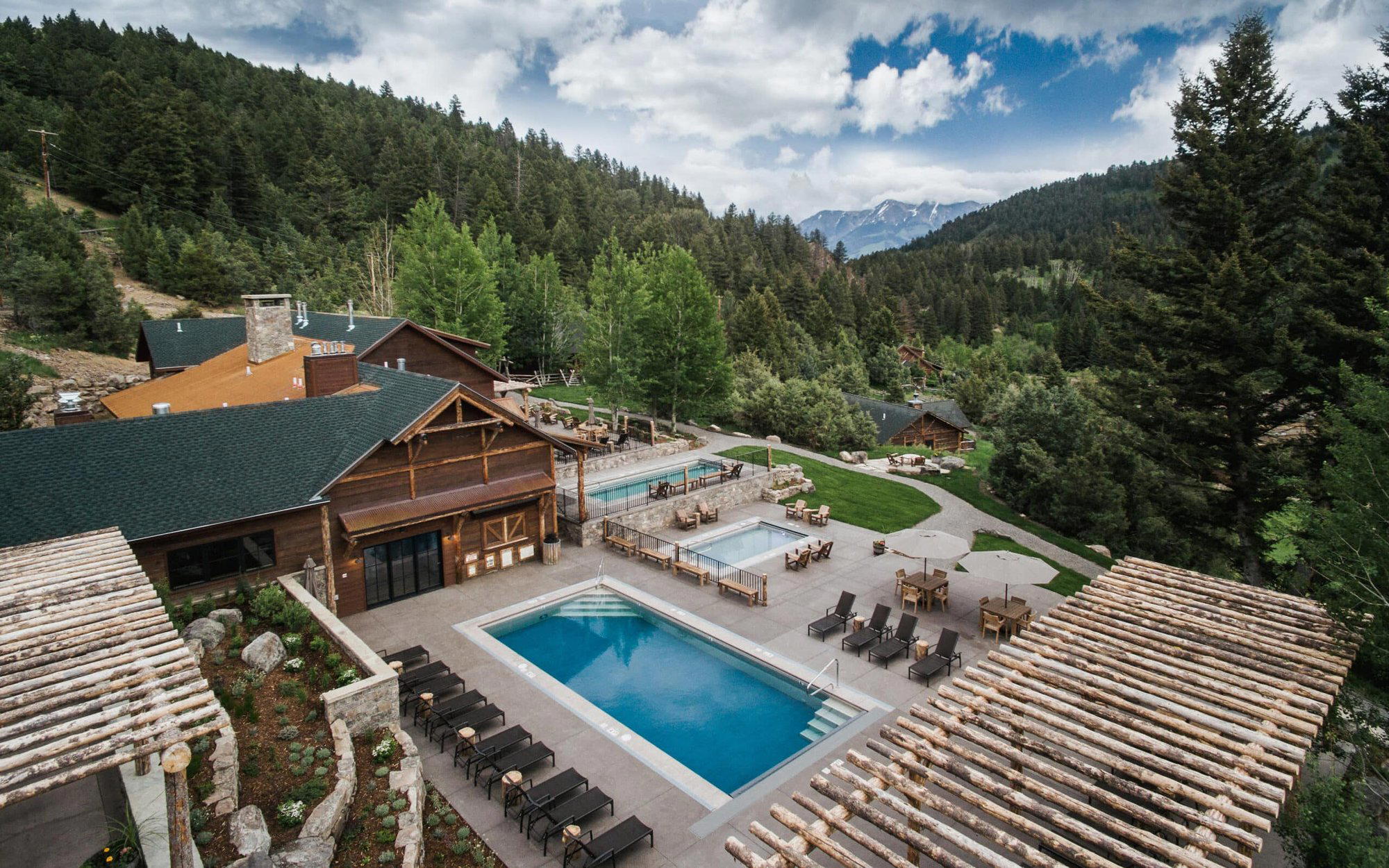
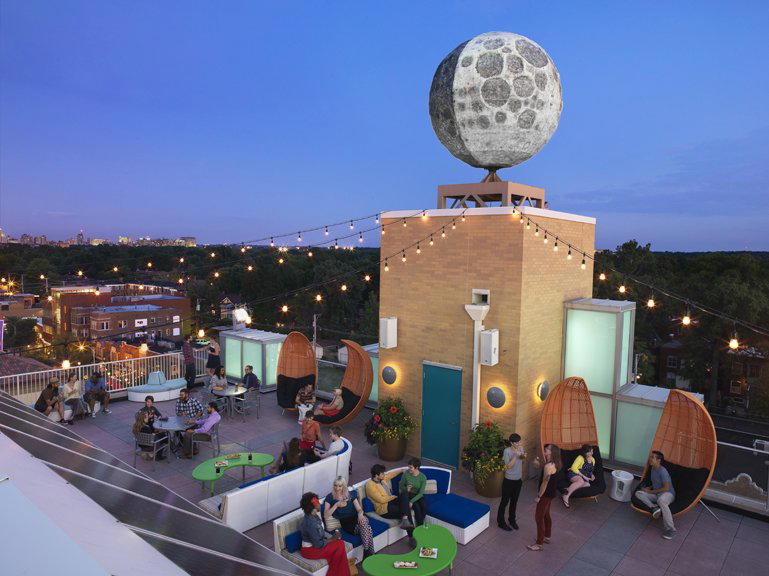
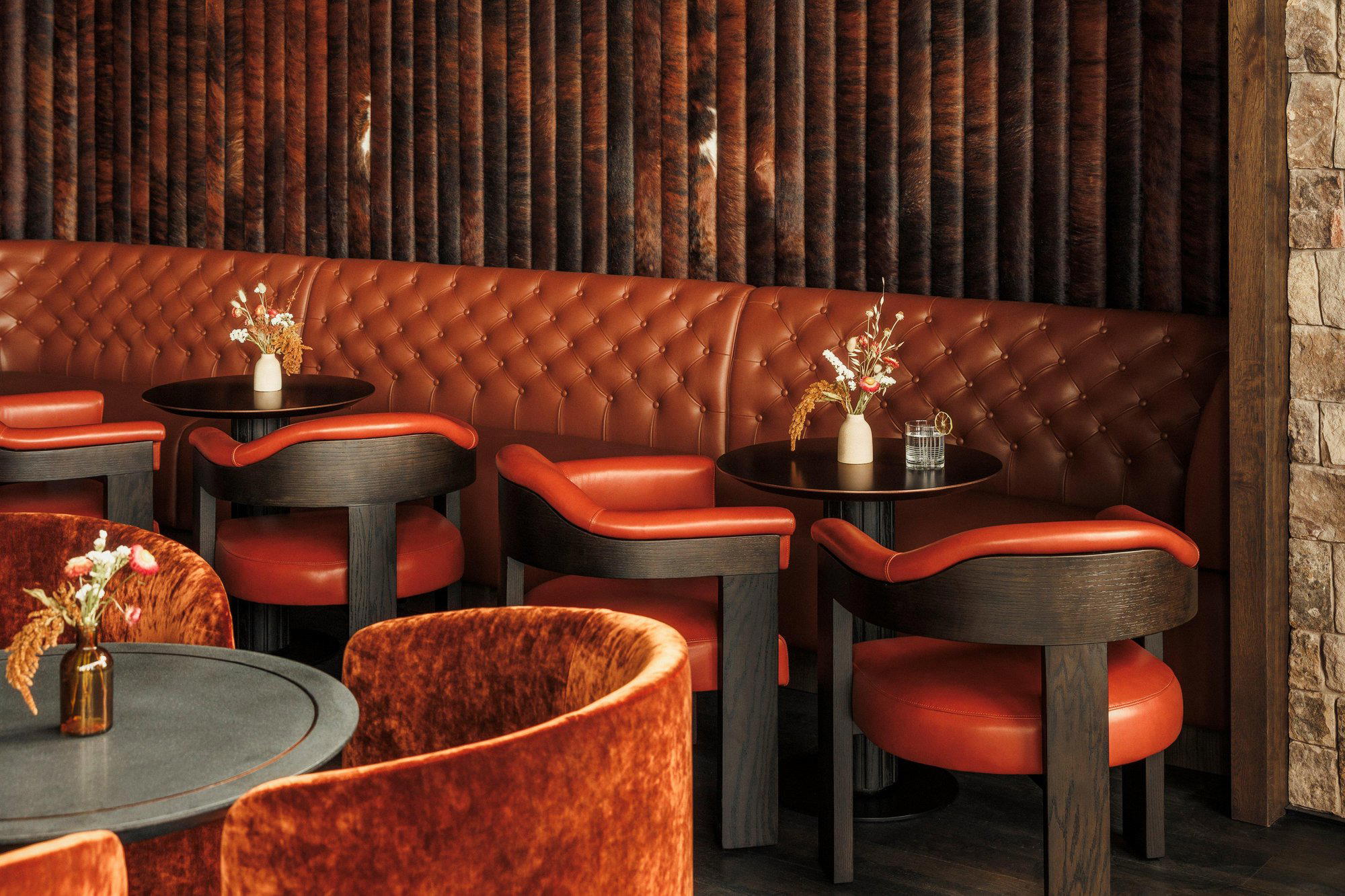
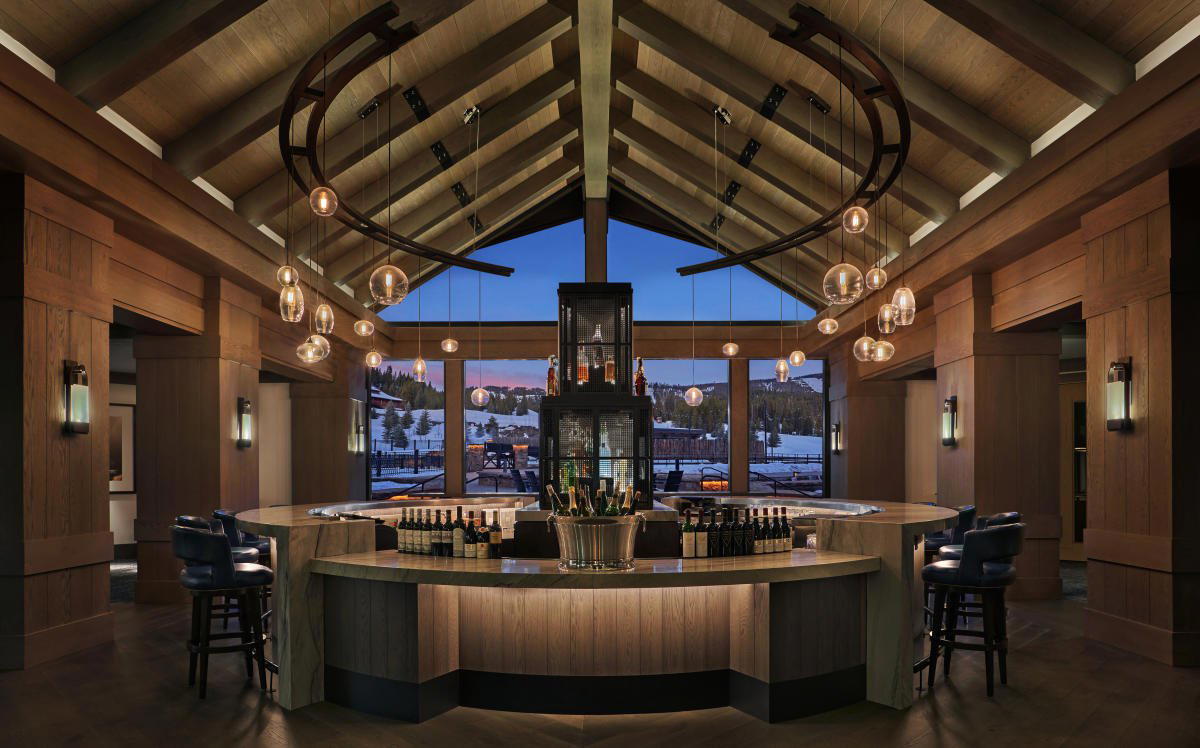
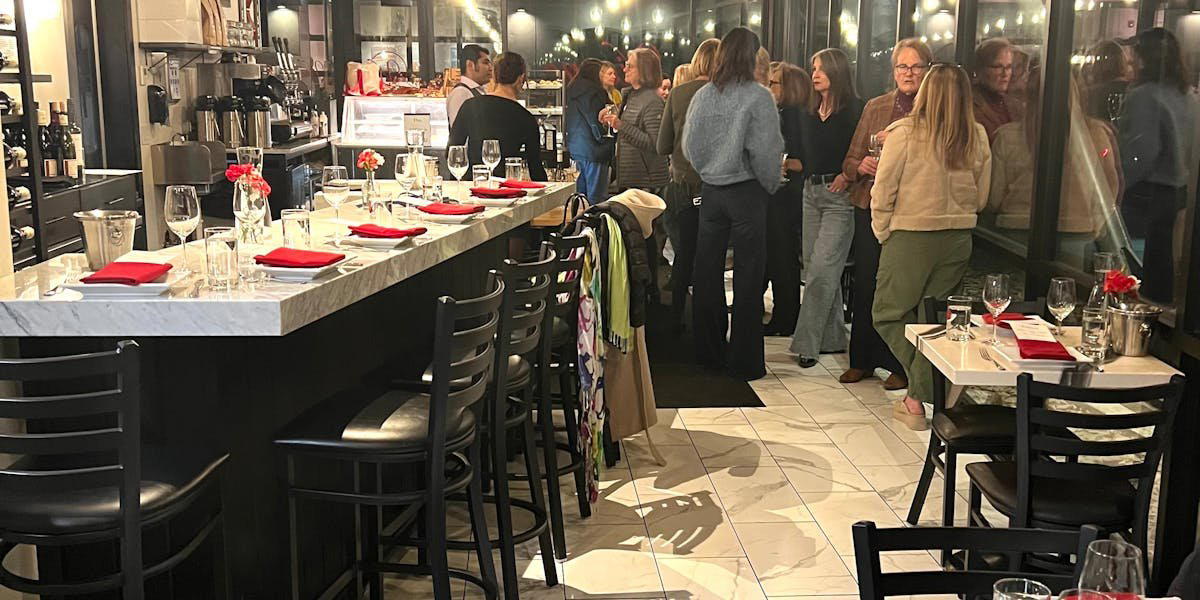
Sophisticated and inviting, with warm neutrals, soft lighting, handcrafted materials, and a blend of historic Art Deco character and modern mountain-lodge refinement.