PLONK

James Beard Award Semi Finalist
Our verdict
PLONK sits at 29 E Main St in the middle of Bozeman's downtown corridor, occupying the kind of address that draws both locals after work and visitors fresh off the slopes. The name signals something deliberate: a wine-bar sensibility in a city better known for craft beer and big-sky beef. For a city of Bozeman's size, a place that leans this far into the wine and small-plate format is notable enough to track.

Pearl is the En Primeur Club membership app, where members save venues, book tables and use the concierge.
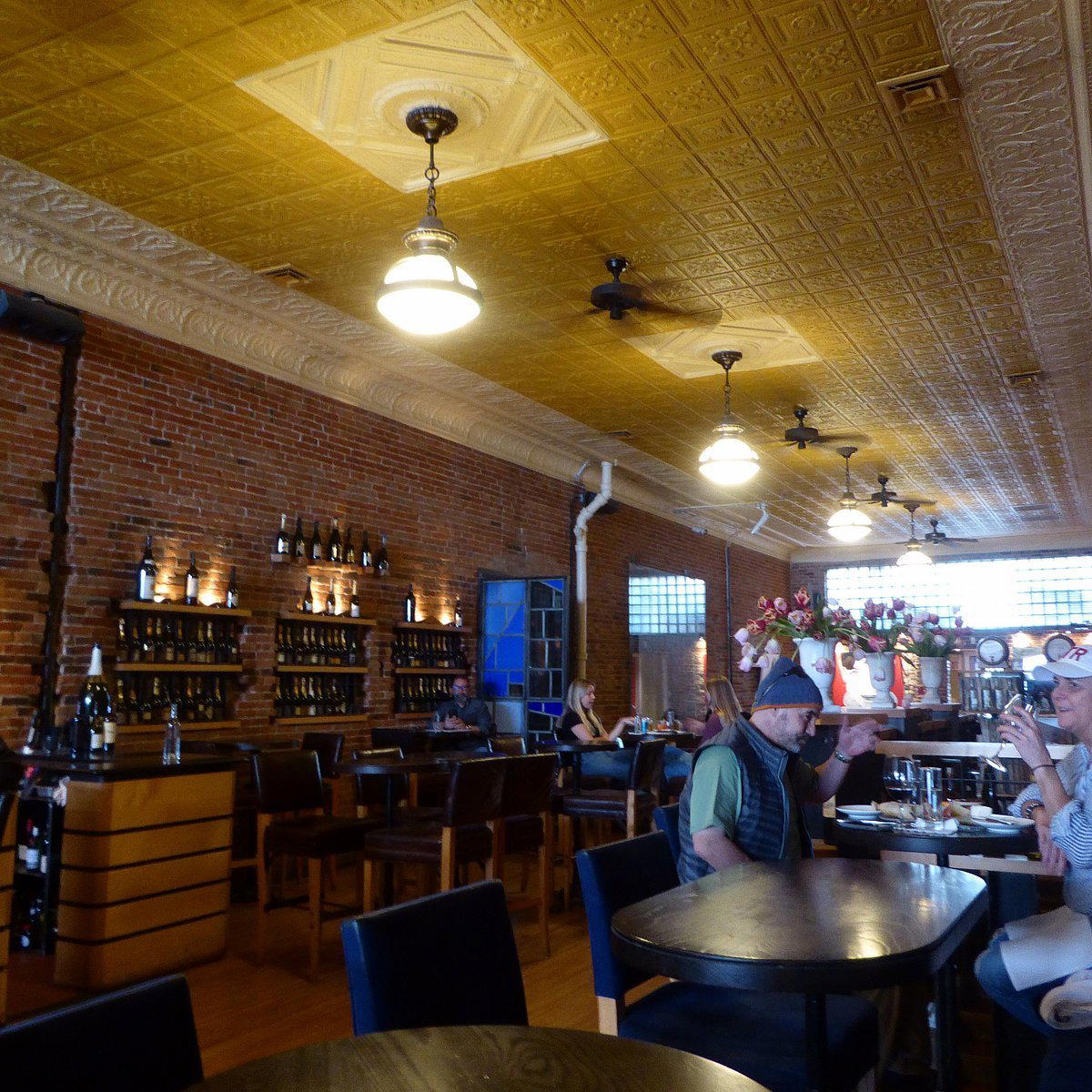
Downtown Bozeman and the Case for a Wine Bar
Main Street in Bozeman does not lack for restaurants. From the comfort-food anchors that have held their corners for decades to the newer wave of chef-driven rooms that arrived with the city's population surge, the strip between Wallace and Rouse pulls a mix of ranchers, university staff, ski-town transplants, and an increasing number of second-home owners who have eaten at Le Bernardin in New York City and The French Laundry in Napa and arrive in Montana with calibrated expectations. Into that context, a wine-bar concept is not the obvious play. And yet the name PLONK, positioned at 29 E Main St, suggests exactly that: a room organised around the glass rather than the plate, where the atmosphere tilts toward low light and considered pours rather than ranch-house portions and open flame.
The word itself is worth noting. "Plonk" in British English is slang for cheap, undistinguished wine, the kind you drink without thinking. Using it as a venue name is a self-aware move, the kind of ironic understatement that works in cities with a certain level of dining sophistication. Whether Bozeman has fully crossed that threshold is an open question, but the fact that a place called PLONK can hold a Main Street address suggests the city's palate has shifted considerably in the past decade.
Reading the Room: Atmosphere as the Program
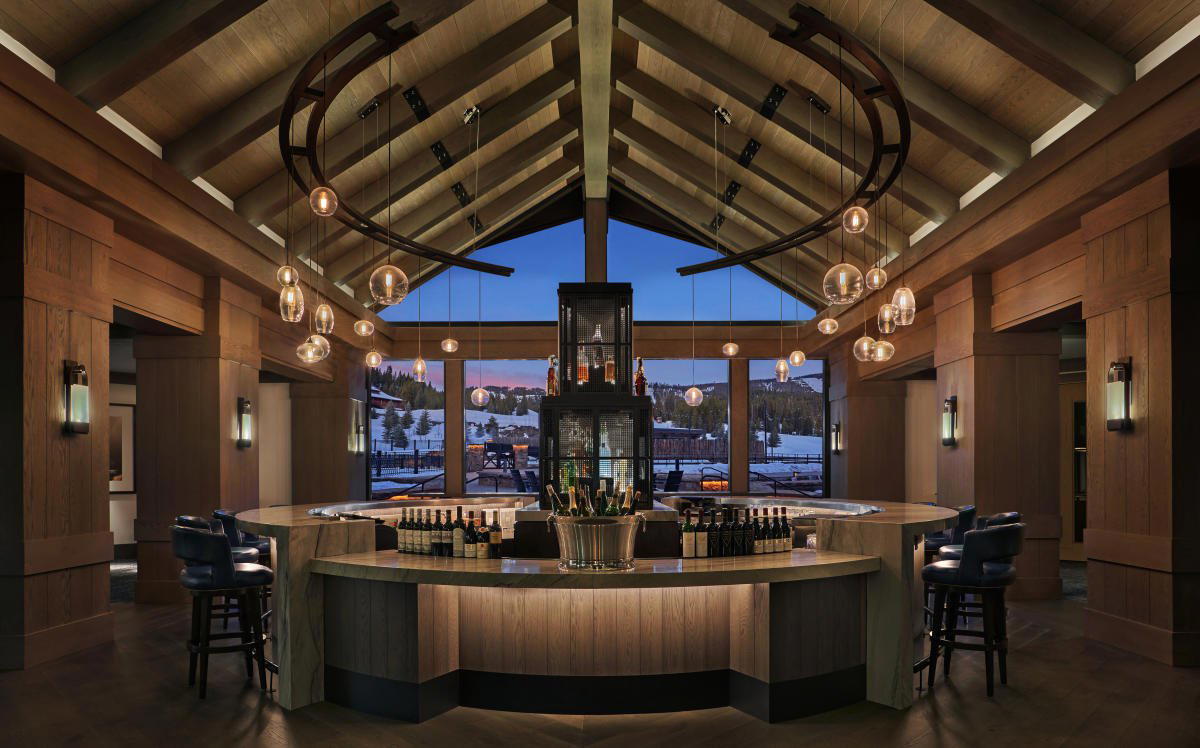
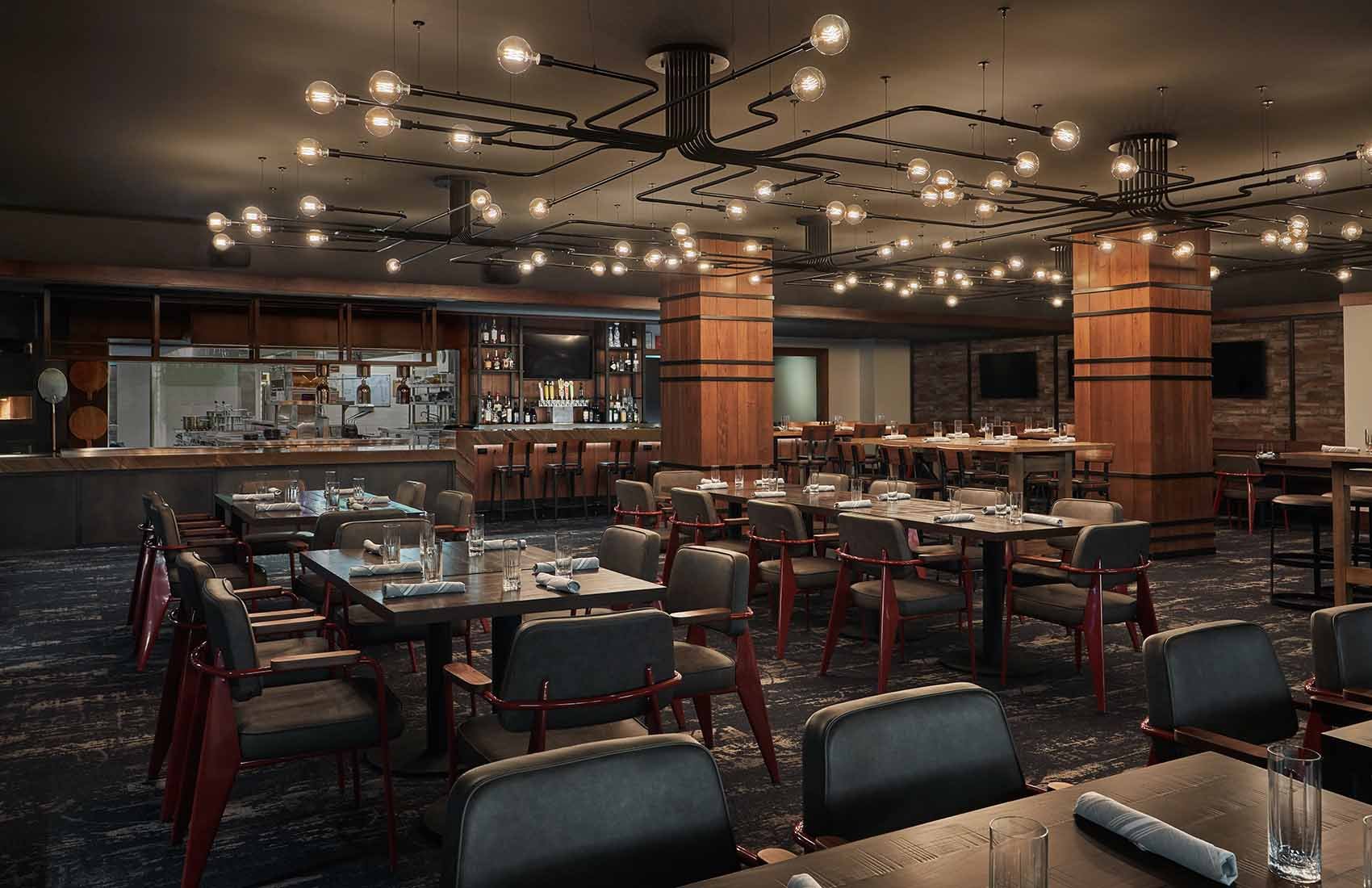
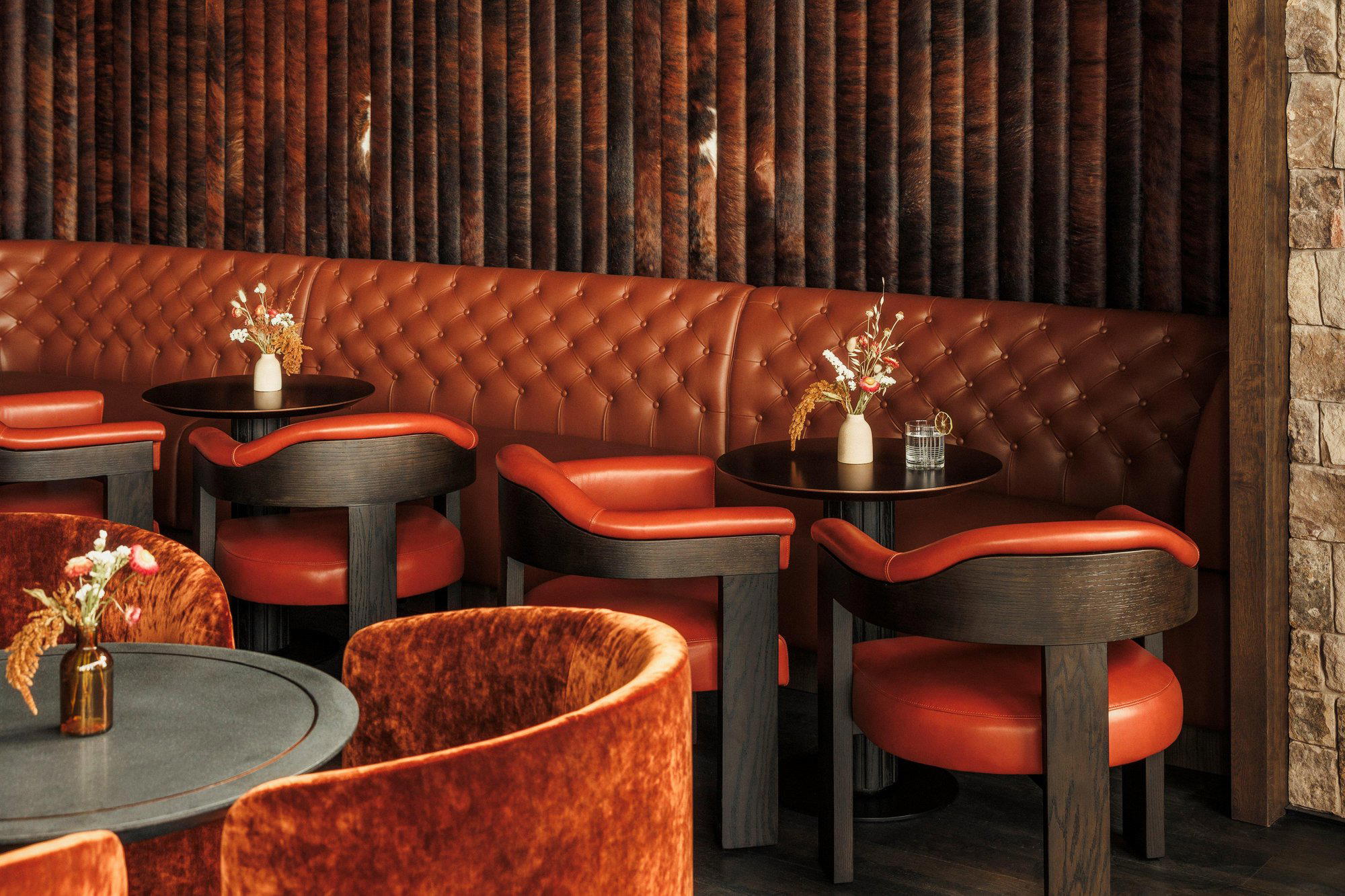
Wine bars as a format trade heavily on atmosphere. The proposition is different from a full-service restaurant: you are not necessarily there for a structured meal with a beginning, middle, and end. You are there to sit, to drink something worth thinking about, and to eat in a way that serves the drinking rather than the other way around. The sensory register that works for this format is specific: lighting that does not flatten the colour in a glass, sound levels that allow conversation without forcing it, surfaces that absorb rather than amplify, and a pace that does not pressure the table to turn.
Bozeman's dining scene has been moving in this direction across several venues. Brigade and Bourbon represent different points on the downtown spectrum, while Bitterroot Bistro and Hummingbird's Kitchen pull toward the neighbourhood-bistro register. PLONK sits in a separate category from all of them: the wine-bar format prioritises the beverage program as the organising principle, which changes what the kitchen is asked to do and what the front-of-house needs to know. At the reference level of American wine-bar culture, that means a team capable of talking about producers, regions, and vintages with the same fluency that a steakhouse team brings to cuts and temperatures.
The Montana Wine Context
Montana does not produce wine at scale, which means any serious wine program in Bozeman is built entirely on curation and procurement. That is not a disadvantage. Some of the most interesting wine lists in the American interior are assembled by buyers who have no local industry to default to and must instead build from conviction. The lists that emerge from those circumstances often range more freely across regions, including smaller appellations and grower-producers that a coastal restaurant with supplier relationships and promotional pressure might pass over.
For a city that sits between the vineyards of the Pacific Northwest and the Rockies, Bozeman has a reasonable case for access to interesting bottles from Oregon, Washington, and Idaho, alongside the European imports that define the upper tier of any serious list. The wine-bar format rewards exactly this kind of range: a guest can move through a Willamette Pinot, a Walla Walla Syrah, and a Friuli orange wine in a single sitting in a way that a restaurant wine list, anchored to food pairings and tableside theatre, does not always encourage.
Comparable wine-program depth in the broader American context can be found at places like Single Thread Farm in Healdsburg or Blue Hill at Stone Barns in Tarrytown, where beverage programs carry as much editorial weight as the food. PLONK operates at a different scale and price point, but the format logic is the same: the glass is the argument.
Small Plates and the Architecture of a Wine-Bar Menu
The food format in a wine bar is not a reduced version of a restaurant menu. It is a different architecture. Dishes are designed to arrive without ceremony, to be shared without instruction, and to complement something in the glass without overwhelming it. Salt, fat, acid, and texture do more work than elaborate technique. The kitchen's job is to stay out of the wine's way while giving the guest a reason to order another round.
In the American wine-bar tradition, this means charcuterie and cheese as anchors, supplemented by small hot plates that cover enough range to hold a table through two or three pours. Some of the more ambitious versions of this format, at places like Lazy Bear in San Francisco or the tasting-menu rooms at Alinea in Chicago, have pushed the small-plate concept toward more structured territory. PLONK, by name and positioning, suggests a lighter hand: approachable, unstuffy, the kind of place where you can order without a strategy.
For the Bozeman visitor who wants a full-scale dinner experience before or after, Gallatin River Grill covers the more traditional dining format, and the broader our full Bozeman restaurants guide maps the full range of options across the city. PLONK occupies a distinct slot in that map: the place you go when the meal is not the point, or when you want the meal to take as long as the conversation requires.
Planning a Visit: Timing and Expectations
Bozeman's restaurant scene follows a seasonal rhythm shaped by ski traffic (peaking December through March at Big Sky, roughly 45 miles south), summer hiking and fly-fishing tourism (July and August), and the shoulder periods in between when locals reclaim their tables. The wine-bar format holds up well across seasons: it does not require the same volume throughput as a full-service restaurant to remain economically viable, and the atmosphere tends to reward the quieter months when a table is easier to hold.
The 29 E Main St address places it within walking distance of Bozeman's hotel corridor and the bulk of downtown accommodation, so it functions well as a post-dinner stop or a stand-alone early evening option without requiring transport logistics.
For context on how this kind of program compares at higher price points nationally, Providence in Los Angeles, Addison in San Diego, Atomix in New York City, Emeril's in New Orleans, and The Inn at Little Washington in Washington all represent the upper tier of American dining where beverage programs receive equal billing to the food. PLONK's register is less formal and less expensive than any of those, but the underlying format logic, that a well-chosen glass and the right plate are worth slowing down for, runs through all of them. At the other end of the international spectrum, 8 1/2 Otto e Mezzo Bombana in Hong Kong demonstrates how wine-program depth translates across very different dining cultures. PLONK's pitch is Montana-scaled and Main Street-priced, but the instinct behind it belongs to the same conversation.
Frequently asked questions
Where do I go for PLONK?
PLONK is located at 29 E Main St, Bozeman, MT 59715, Bozeman.
Is PLONK a good option for après-ski in the Bozeman area?
Big Sky Resort sits roughly 45 miles south of Bozeman, and PLONK's downtown Main Street address makes it a natural landing spot for the après-ski crowd returning to the city. A wine-bar format, glasses, small plates, no commitment to a full tasting menu, suits that timing well. It draws a local Bozeman crowd alongside the ski-season visitors, which keeps the room from feeling purely transient.
What's the best thing to order at PLONK?
PLONK's format centers on wine-bar architecture rather than a full entrée menu, so the move is to build a meal from small plates chosen to complement whichever bottle or glass you anchor to. The wine list itself is the draw at 29 E Main St, Bozeman, let that drive the plate selection rather than the other way around.
How far ahead should I plan for PLONK?
Bozeman's dining scene peaks between December and March when Big Sky ski traffic crests, and again through summer when the city fills with visitors. Weekends during those windows at a well-regarded downtown wine bar typically fill faster than weeknights, so booking at least a week out during peak season is prudent. Shoulder months offer more flexibility.
What has PLONK built its reputation on?
On Main Street in downtown Bozeman, PLONK occupies a specific niche: a wine-focused room in a city whose dining scene skews toward comfort food anchors and chef-driven restaurants. Montana produces no wine at commercial scale, which means the program stands entirely on procurement and curation, that editorial discipline is the credibility marker locals and visitors respond to.
How does PLONK handle allergies?
Wine bars with small-plate menus typically offer more flexibility on dietary adjustments than full-service kitchens, but specific allergy protocols at PLONK are best confirmed directly with the venue at 29 E Main St, Bozeman before your visit. Staff at rooms of this format are generally accustomed to fielding those questions at the point of ordering.
Comparable Spots
Comparable venues nearby, for context on price, style, and recognition.
| Venue | Cuisine | Price | Awards | Notes |
|---|---|---|---|---|
| PLONKThis venue (the venue you are viewing) | American Wine Bar with Contemporary Flavors | $30–50 | James Beard Award Semi Finalist | Not listed |
| Bitterroot Bistro | American Bistro with Montana Flair | Not listed | Not listed | Downtown Bozeman |
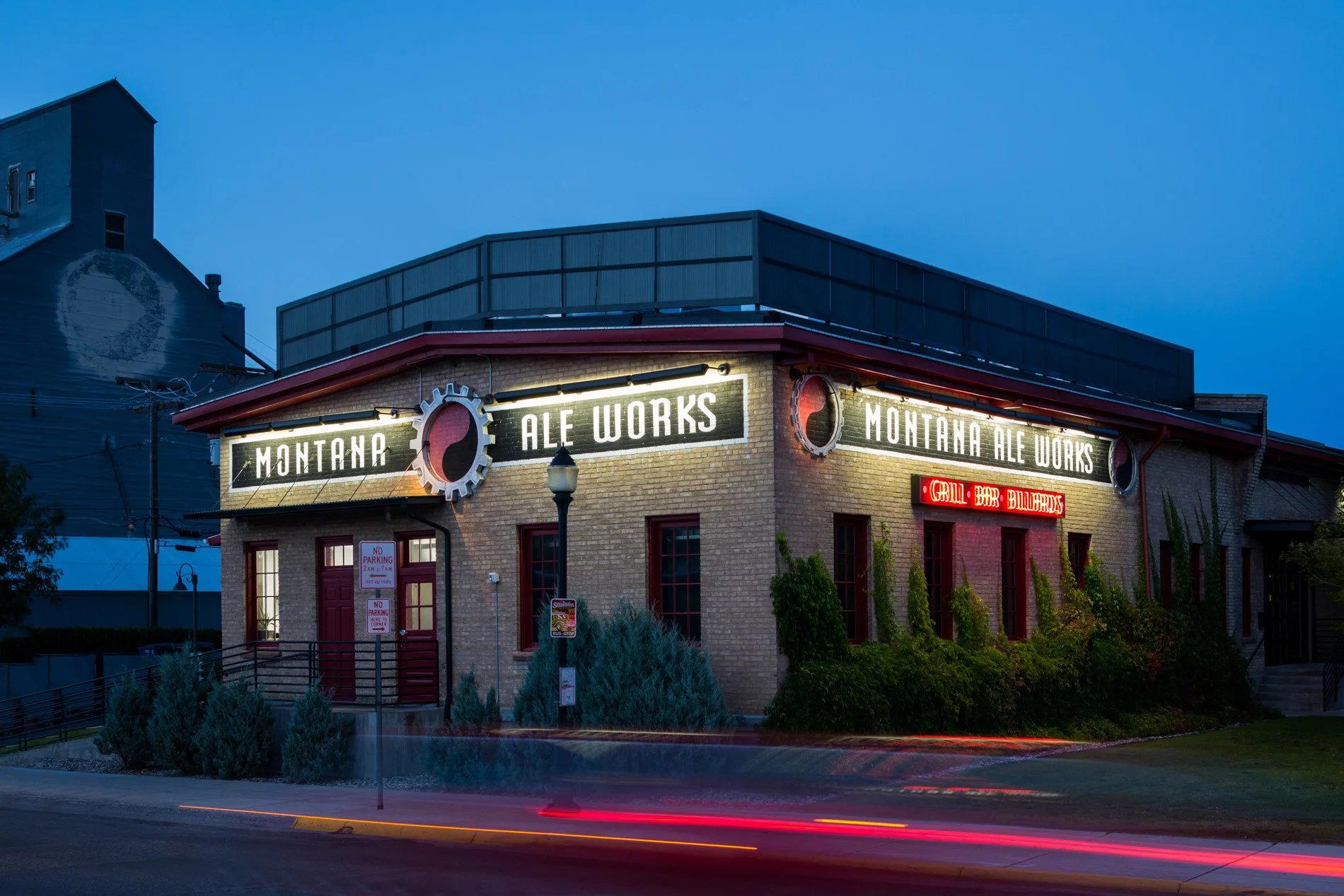
| Montana Ale Works | Montana-Inspired Gastropub | $20–30 | Not listed | downtown |
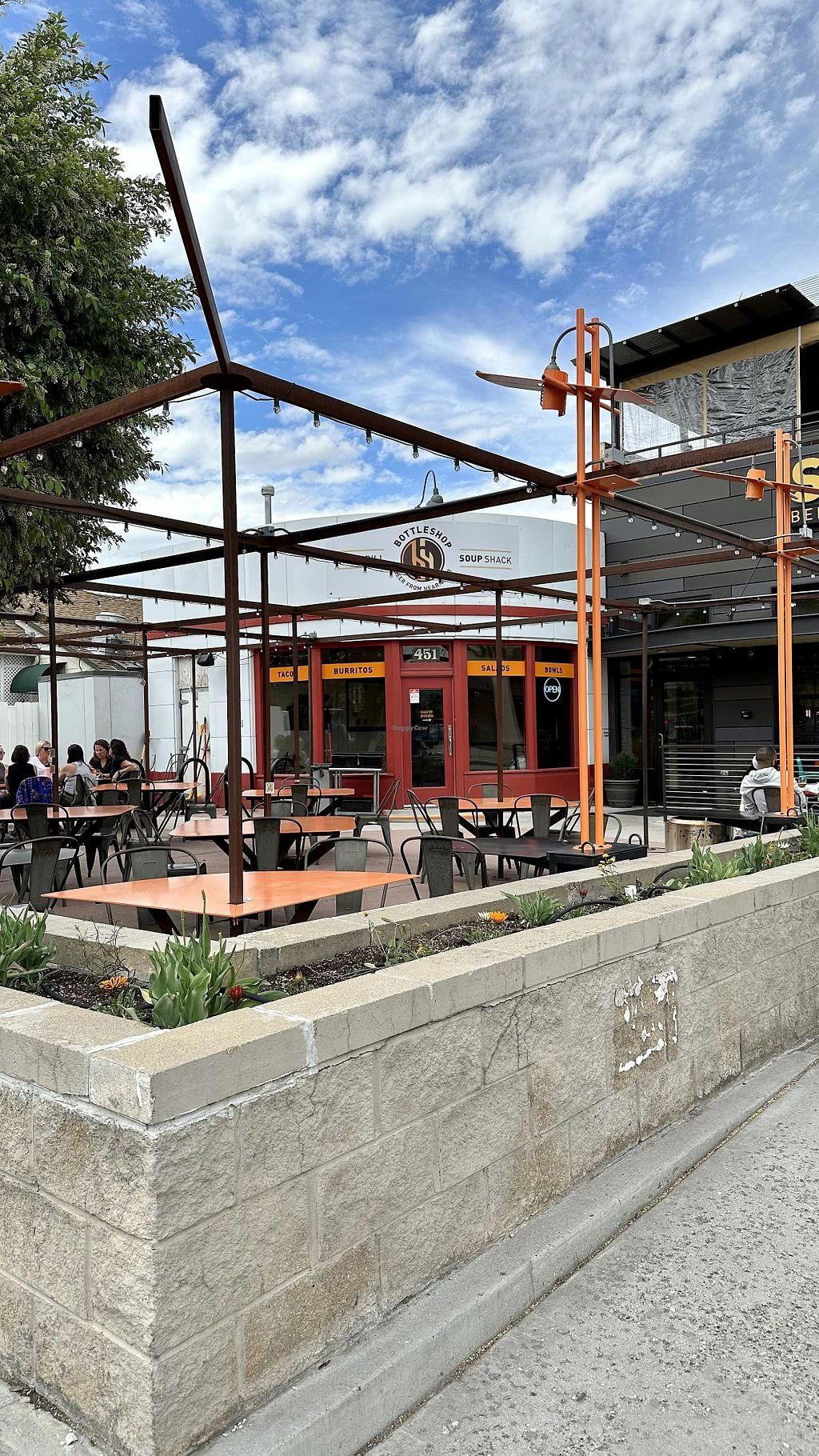
| LaPa at SHINE Beer Sanctuary | Mexican Fusion Burritos | $10–20 | Not listed | historic downtown |
| Hummingbird's Kitchen | Authentic Regional Chinese | Not listed | James Beard Award Semi Finalist | Near MSU Bozeman campus |
| Brigade | French-Inspired Montana Cuisine | $50–100 | Not listed | Downtown Bozeman |
Recognition history
Dated appearances from independent guides and award organizations, with the underlying list record or original source where available.
James Beard Award Semi Finalist
James Beard Award
Continue exploring
More in Bozeman
Restaurants in Bozeman
All restaurants in Bozeman →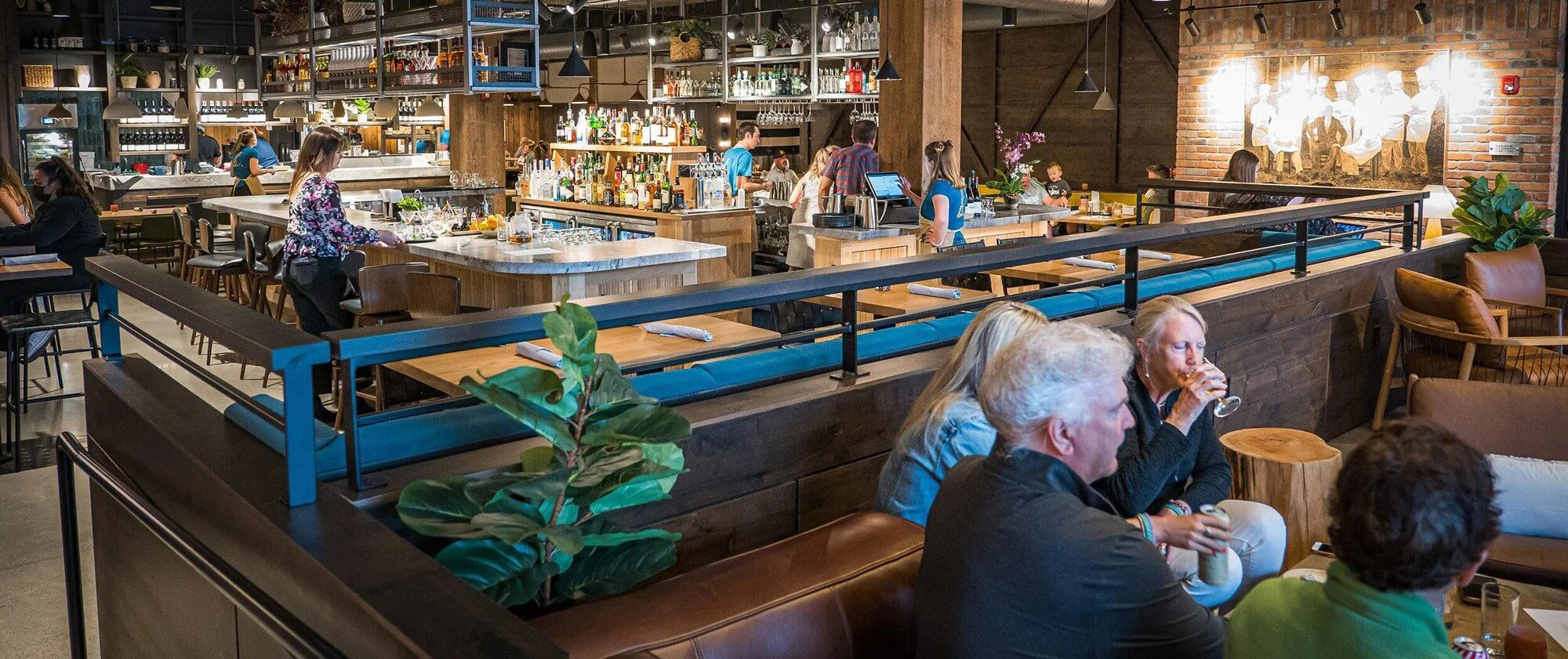
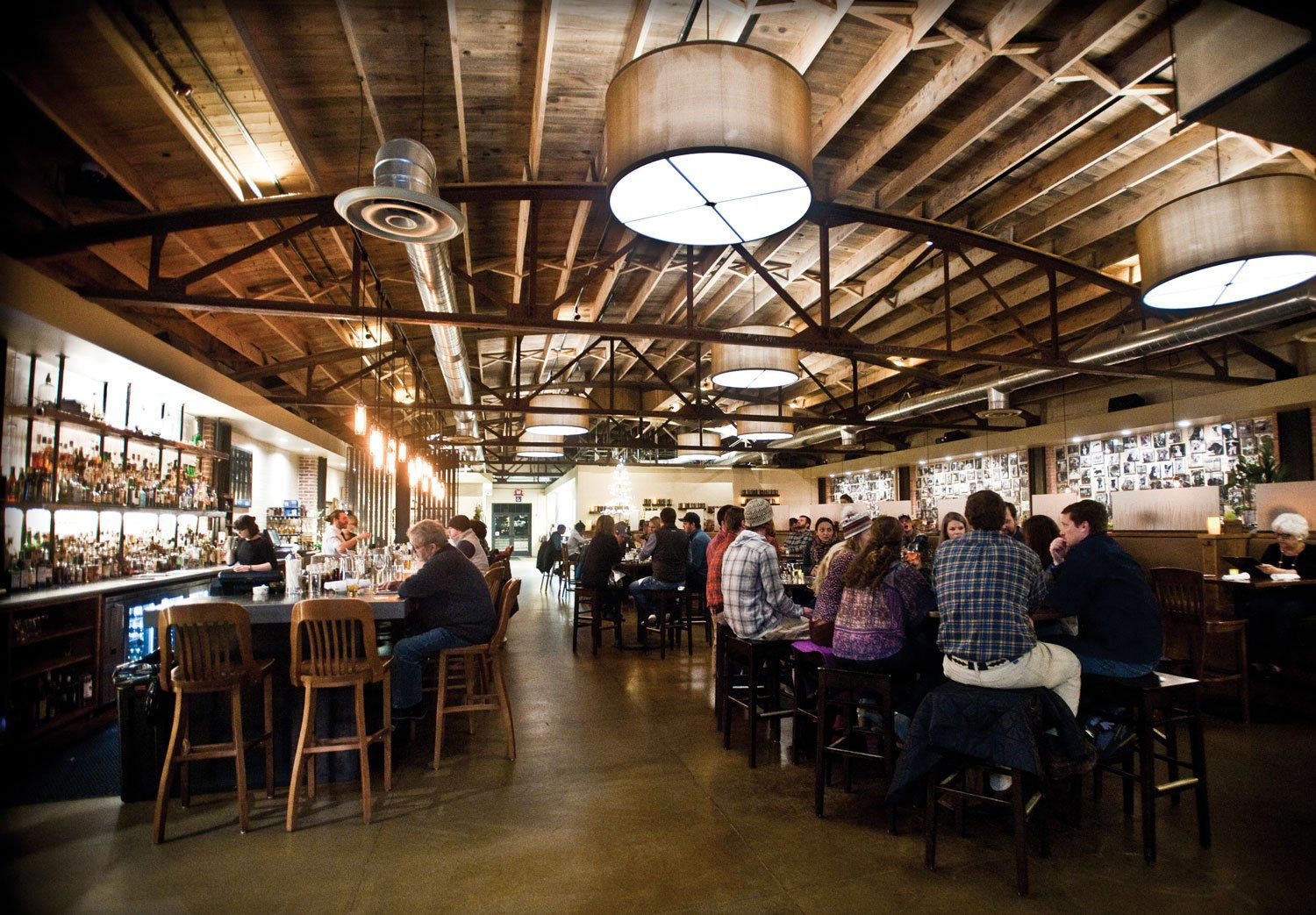
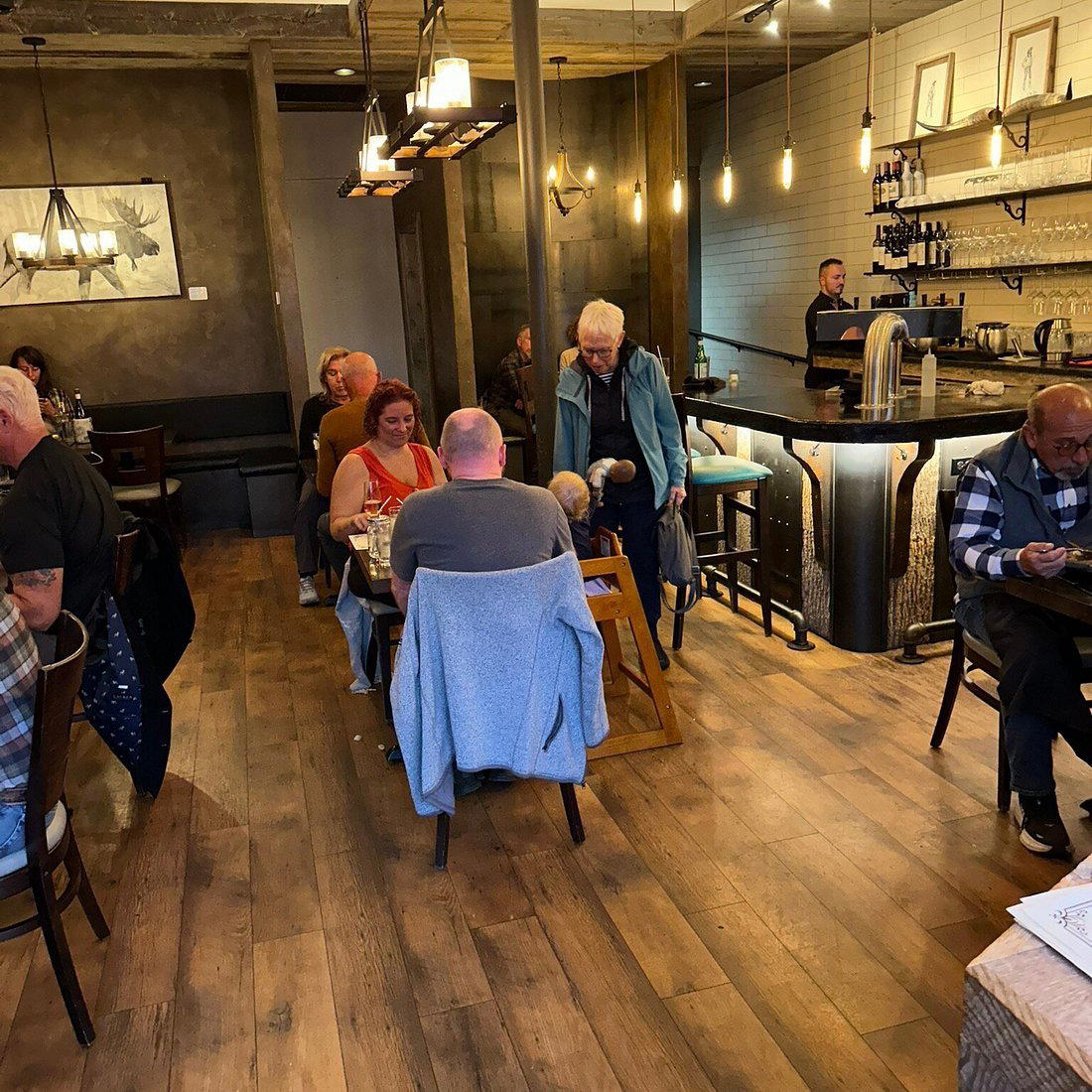
PLONK
The wine
- Wine program
- Deep wine list
- Extensive wine list
- Craft cocktails
Details
- Trendy
- Lively
- Cozy
- Modern
- Date Night
- Casual Hangout
- Late Night
- Live Music
- Extensive Wine List
- Craft Cocktails
- Local Sourcing
- A La Carte
- Small Plates
- Wine
- Cocktails
- Vegetarian Friendly
- Vegan Options
- Gluten Free Options
Current opening hours
- Monday
- 3 PM–12 AM
- Tuesday
- 3 PM–12 AM
- Wednesday
- 3 PM–12 AM
- Thursday
- 3 PM–12 AM
- Friday
- 3 PM–1 AM
- Saturday
- 3 PM–1 AM
- Sunday
- 3 PM–12 AM
Hours can change for holidays and private events. Hours as of .
Comfortable and hip atmosphere with live music, friendly service, and a focus on food, wine, and music.